Faruk gamlı
Sep 10, 2026
The service quality is very good, and the doctor’s care and experience are spot on. I would also like to thank Professor Dr. Selçuk Sizmaz in particular... Associate Professor Dr. Ömer Faruk Gamlı.
Pneumonia treatment at the clinic of Prof. Dr. Alper Fındıkçıoğlu in Adana, Türkiye, combines medical management with advanced surgical options for complex cases. Prof. Dr. Alper Fındıkçıoğlu leads the care team with over 20 years of experience in thoracic surgery and holds a professorship attained in 2022. The clinic operates within Acıbadem Adana Hospital, providing access to intensive respiratory support and high-level diagnostic imaging.
The clinic uses precise imaging and functional tests to determine the severity of the infection. These tests help identify fluid buildup or tissue damage in the lungs. Available diagnostic methods include:
Treatment starts with targeted antibiotic protocols based on the specific microorganism causing the infection. If the pneumonia leads to complications like fluid buildup or tissue death, Prof. Dr. Alper Fındıkçıoğlu performs specialized procedures. Minimally invasive techniques help patients return home sooner.
Prof. Dr. Alper Fındıkçıoğlu is a highly trained thoracic surgeon who studied at Istanbul University Faculty of Medicine. He completed his residency at Dr. Siyami Ersek Hospital and became an Associate Professor in 2014. With over 20 years in the field, he specializes in both open and minimally invasive chest surgeries. Patients can request a consultation through Bookimed to discuss a personalized treatment plan.


 The clinic is not accepting new requests
 Average answering time – 5 minutes
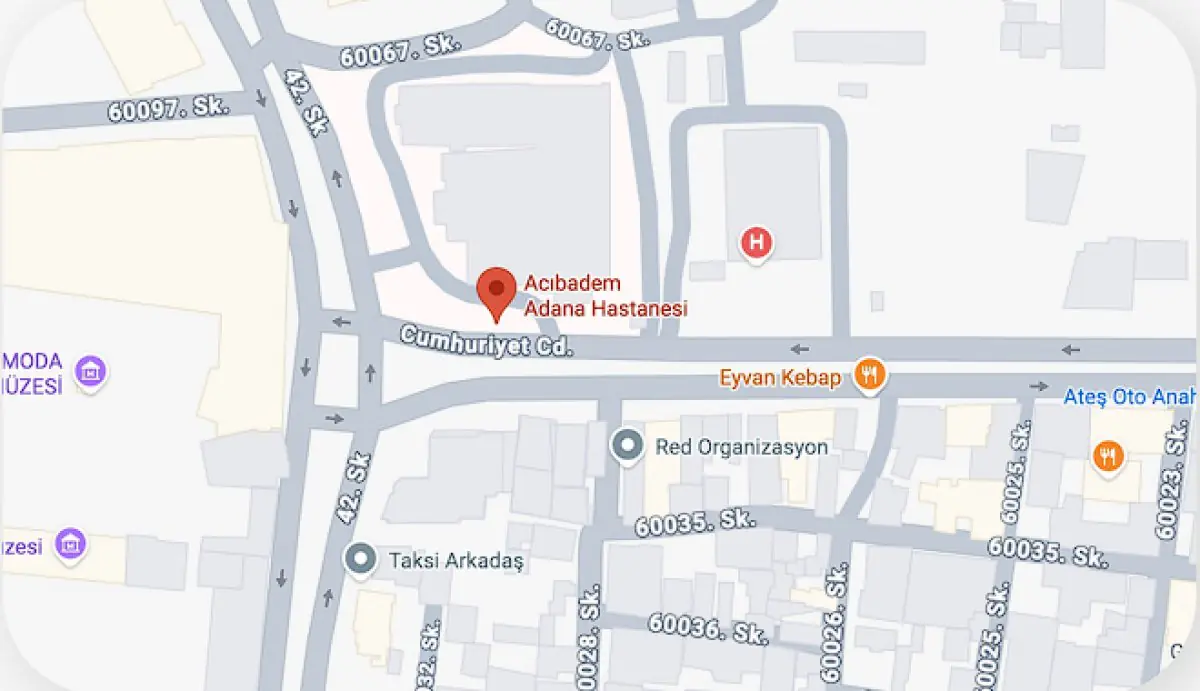
Prof. Dr. Alper Fındıkçıoğlu is a private thoracic surgery practice established in 2024. The clinic is located within Acibadem Adana Hospital in the Seyhan district of Adana, Türkiye. It operates as a single-department facility focused on surgical care for chest and lung diseases.
The practice is led by Prof. Dr. Alper Fındıkçıoğlu, a thoracic surgery specialist. He earned his medical degree at Istanbul University Faculty of Medicine. He then completed his residency at the Istanbul Dr. Siyami Ersek Thoracic and Cardiovascular Surgery Clinic.
Dr. Fındıkçıoğlu has participated in numerous scientific projects. His research covers several key areas of thoracic care:
He became an Associate Professor in 2014 and a full Professor in 2022. The medical team includes three specialized doctors.
The clinic focuses on diagnosing and surgically treating diseases of the lungs, pleura, and chest wall. Treatment plans are tailored to the disease stage and the patient's health. The surgical team performs several types of lung resections:
For esophageal cancer, the clinic performs esophagectomy to remove the cancerous segment. Surgeons then restore digestive continuity by creating a gastric tube from the stomach using special stapling devices.
Specialists prioritize minimally invasive methods to reduce pain and speed recovery. They use Video-Assisted Thoracic Surgery (VATS) and robot-assisted techniques for lung and mediastinal operations. VATS uses a camera with angled lenses and small incisions instead of a large chest opening.
The clinic also treats non-cancerous conditions. Endoscopic Thoracic Sympathectomy (ETS) addresses excessive sweating (hyperhidrosis). This procedure is done through a small underarm incision under general anesthesia. Most ETS patients go home the evening of surgery.
Zenker's diverticulum (a pouch in the esophagus) is treated using two approaches:
The endoscopic approach typically allows for shorter recovery and discharge the next day.
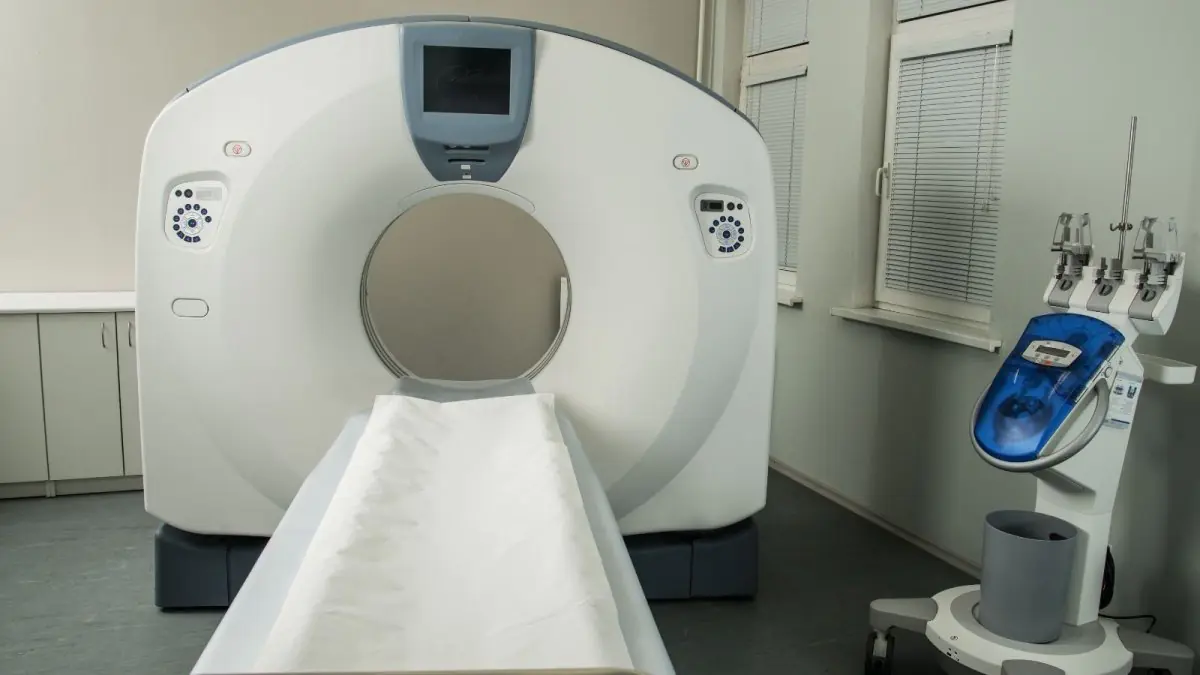
The clinic uses advanced diagnostic tools to map diseases and plan surgeries. PET-CT and contrast-enhanced CT scans show tumor size and spread. Pulmonary function tests help predict if a patient can safely live with one lung. Tissue sampling is done through EBUS (endobronchial ultrasound-guided biopsy) and bronchoscopy.
Postoperative recovery follows a structured rehabilitation pathway. Patients use Triflow (blowing balls) devices for breathing exercises to help the lung re-expand properly. After minimally invasive thoracic surgery, the average hospital stay is 3 to 5 days. Patients spend one night in a close monitoring room before moving to the ward.
International patients receive clinical information in English to help them understand their options. The clinic offers a WhatsApp contact channel for quick coordination of medical inquiries. Prof. Dr. Alper Fındıkçıoğlu communicates in English, German, Arabic, and Russian. Rapid coordination services help international patients manage their diagnosis and surgical timelines.
 The clinic is not accepting new requests
Average answering time – 5 minutes
The clinic is not accepting new requests
Average answering time – 5 minutes