
Juanluis Aceituno Valdivia
Jul 1, 2026
A very comprehensive program, a great atmosphere, both with the professional and the other participants, and amazing help in overcoming addictions and radically changing your life.
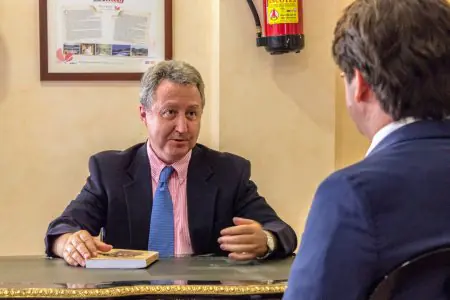
Programa Victoria offers cocaine addiction treatment in Marbella, Málaga, Spain, through a residential retreat and follow-up care. A confidential 30-minute video consultation is free, while an individual psychology session may cost around $90. The retreat with one year of follow-up may cost around $10,800–$13,600; groups are capped at 8 participants.
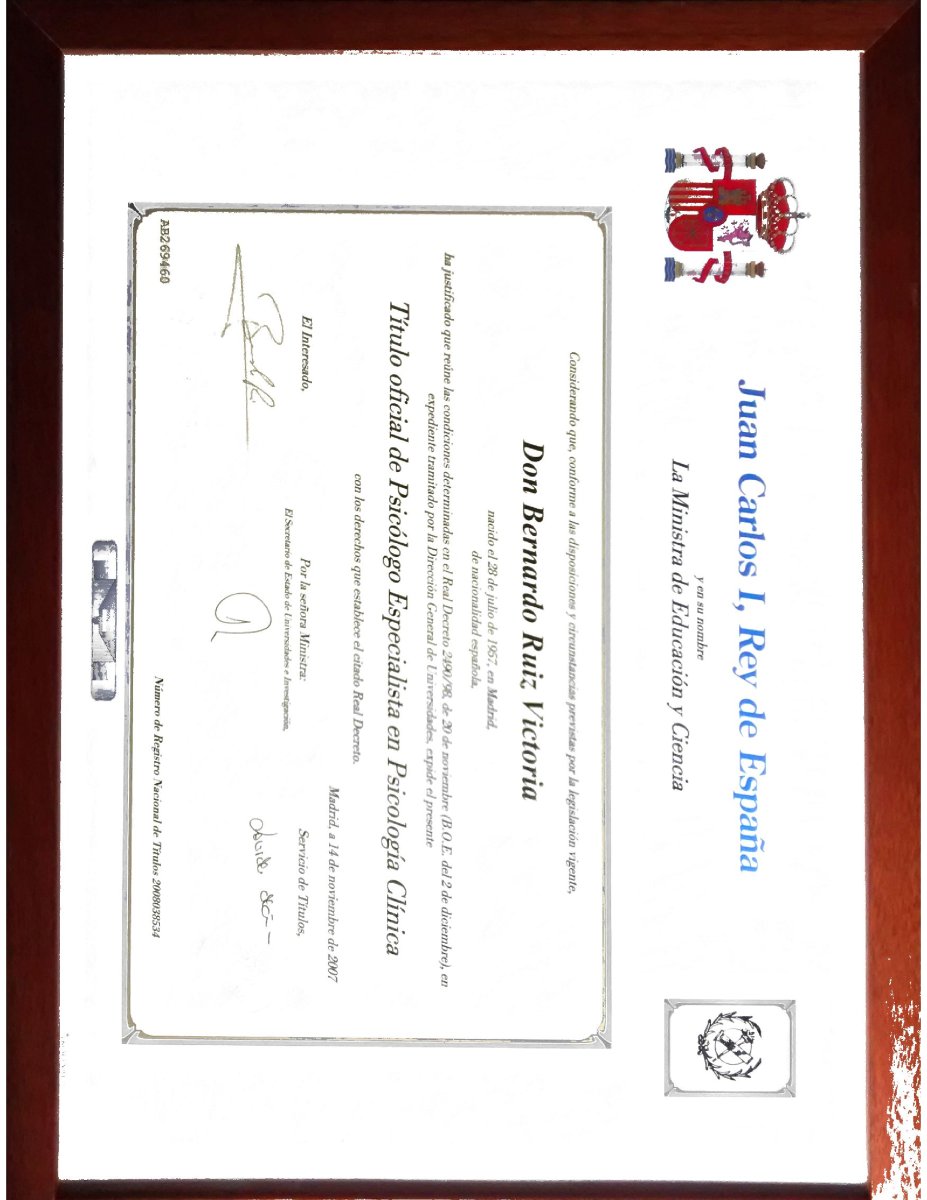
Dr. Bernardo Ruiz Victoria, the clinical psychologist who founded the program, has over 40 years of experience and has treated 1,000+ patients since 1984. The retreat uses cognitive behavioral therapy, functional analysis of addictive behavior, relaxation, and relapse-prevention planning.
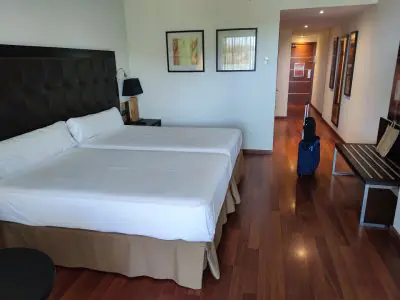
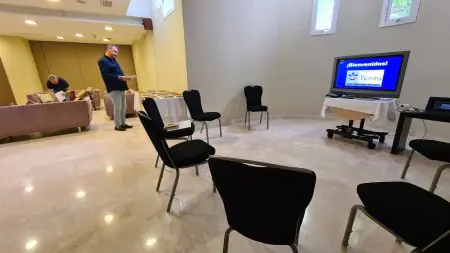
The residential retreat takes place in a 4- or 5-star spa hotel near Marbella, not in a clinical facility. It includes full-board accommodation and group sessions with 4–8 participants. Medical detox is usually not needed for cocaine addiction.
The complete program includes the initial evaluation, motivation sessions, 10-day hotel retreat, full board, and one year of follow-up. Flights and travel to Marbella are not included. In the clinic’s reported follow-up, 67% of patients maintained abstinence or controlled use at 5–8 years; this is not a guarantee of an individual outcome.
Patients can request a consultation through Bookimed to discuss whether the program fits their needs.


 The clinic is not accepting new requests
 Average answering time – 5 minutes

Programa Victoria is a private residential addiction treatment center in Marbella, Spain. Founded in 1984 by clinical psychologist Dr. Bernardo Ruiz Victoria, it operates as a therapeutic retreat rather than a traditional closed hospital. The center treats individuals overcoming dependencies on alcohol, cocaine, and other addictive behaviors.
The program reports a 67% long-term success rate. This figure comes from follow-up studies conducted 5 to 8 years after treatment. Success means maintained abstinence or a return to non-problematic consumption levels. Since opening over 40 years ago, the center has treated more than 1,000 patients.
In 2026, Programa Victoria received the Best Addiction Therapeutic Retreat award from GHP News Digital at the Healthcare & Pharmaceuticals Awards. Dr. Bernardo Ruiz Victoria leads the clinical team with 42 years of experience. He earned his psychology degree from the Autonomous University of Madrid.
The center uses a three-phase approach designed for those with professional or personal time constraints. Treatment begins with a reception stage – medical and psychological evaluations that shape a tailored plan. These initial sessions can happen in person or via video consultation.
The core of the program is a 10-day intensive residential retreat. Groups are limited to eight people to ensure focused attention. Patients work with an exclusive methodology based on several psychological frameworks:
After the retreat, patients enter a reintegration phase. This helps them return to their usual environment with a concrete action plan.
Recovery continues through professional follow-up lasting at least one year. This phase includes individual sessions, family counseling, and group workshops with former participants. Sessions can take place in person or through digital platforms like WhatsApp and video calls.
Family involvement is central to the long-term strategy. The clinical team gives families specific guidelines to support the patient's new habits. These focus on several key areas:
This structured support helps solidify the changes made during the intensive retreat.
The therapeutic team provides care in English and Spanish. This multilingual support serves patients traveling from across Europe and Latin America. Residential stays take place in 4-star or 5-star spa hotels in Marbella. These settings protect patient privacy while offering a calm environment away from the city center.
For Spanish-speaking patients, the center offers program versions in Puerto Rico and the Dominican Republic. Online consultations and follow-up sessions are available globally, so patients can reach the clinical team from anywhere.
Patients choose Programa Victoria most frequently to treat the following conditions: Narcology and alcoholism.
The most common procedures in the hospital are: Treatment of drug addiction.
Juanluis Aceituno Valdivia
Philippe Parser
Xabier Arrizabalaga
monika hoz hake
Jeanette Blanche
 The clinic is not accepting new requests Average answering time – 5 minutes



