Sibila Rot • Male Check-up


Last updated: Feb 6, 2024
Rehabilitation After Spinal Cord Injury Treatment in Evexia Rehabilitation Center
About the clinic
Evexia Rehabilitation Center (Evexia Plus) provides rehabilitation after spinal cord injury in Lakkoma, Chalkidiki, Greece. Inpatient rehabilitation may cost around $300–$500. The 287-bed center uses Lokomat robotic gait training and holds ISO 9001:2015, ISO 15224, and ISO 22000 certifications.
Assessment and diagnostics
A physiatrist-led team assesses injury effects, function, and rehabilitation goals. Dr. Eleftherios Stefas has presented research on spinal cord injury pain management and spasticity at Greek and international conferences.
- Injury classification: The ASIA scale helps classify spinal cord injury.
- Movement and balance: EMG gait analysis, balance checks, upper-limb function, and fall-risk assessments.
- Bladder testing: Urodynamic tests and bladder pressure measurement assess bladder function.
- Imaging and lab tests: X-rays, ultrasound, blood counts, biochemical tests, and immunological tests are available onsite.
- Swallowing assessment: FEES uses a flexible bronchoscope to assess swallowing.
Rehabilitation methods and support
- Inpatient rehabilitation: The subacute program sets individual goals and adjusts therapy intensity to the patient’s strength. It includes daily therapy, medical and nursing care, and full-board accommodation. Sea-view rooms have disability handrails.
- Lokomat gait training: The robotic system supports body weight, retrains walking, and displays progress.
- Robotic upper-limb therapy: A robotic system trains grasping and fine motor skills.
- Functional electrical stimulation (FES): Options include gait, upper-limb, and biofeedback training.
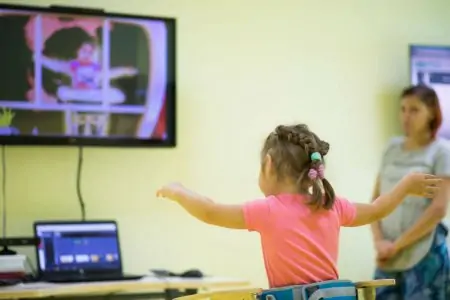
- Brain stimulation and virtual reality: TES, tDCS, HD-tDCS, vagus nerve stimulation, and photobiomodulation are offered. Interactive games add repeated sensorimotor practice.
- Hydrotherapy and Bobath therapy: A warm pool supports walking, stair, and transfer practice. Bobath therapy works on movement and spasticity.
- Spasticity care: Botulinum toxin injections use EMG and ultrasound guidance.
- Balance and daily living: Biofeedback, body-weight-supported gait training, and occupational therapy address balance, dressing, hygiene, and transfers.
- Speech and swallowing therapy: Assessment and neuromuscular stimulation address swallowing and communication difficulties.
- Bowel and bladder care: Individual programs address neurogenic bowel and bladder.
- Physiotherapy and pain care: PNF, proprioceptive training, CPM, isokinetic therapy, and pressure-ulcer prevention are available. Pain options include PRP, prolotherapy, shockwave therapy, TENS, laser, acupuncture, and trigger-point treatment.
- Psychological support: Psychotherapy and cognitive rehabilitation support adjustment and mental health.
The center has an onsite intensive care unit, diagnostic lab, and private ambulances. Airport transfer and post-discharge outpatient follow-up are also available. Patients can request a consultation through Bookimed.
Highlights
Get a free consultation
Treatments prices in the clinic
How are we doing?

hospital accreditation of quality

Evexia Rehabilitation Center: more details about the clinic
Evexia Rehabilitation Center is:
- ISO 9001 Certification;
- ISO 22000 Certification;
- 165 births;
- 21 years of experience;
- about 19,000 patients in total;
- 24,000 sq. km of the garden area;
- 18 km from the international airport.
Evexia Clinic treats patients with the following diagnoses:
- spinal injuries;
- cerebral palsy and malformations;
- sports injuries;
- post-surgical conditions;
- brain injuries;
- stroke;
- musculoskeletal disorders;
- Parkinson’s disease and other neurological disorders.
The Center disposes its own diagnostic laboratory which conducts:
- complete and biochemical blood counts;
- immunology researches;
- X-ray;
- urodynamic and bladder function tests;
- swallowing reflex diagnostics;
- bronchoscopy;
- ultrasound;
- musculoskeletal examination;
- microbiological research;
- functional diagnostics and mobility examination.

Rehabilitation techniques at Evexia Center | |
Restoration of arm functions | Robotic system for the restoration of grasping reflex and fine motor skills. |
Lokomat | Robotized system which trains walking skills. It is equipped with a security system and a screen showing the progress of rehabilitation. |
PRP injections | Treatment with the use of plasma rich in platelets that promotes cell regeneration and shortens the recovery period. |
Virtual reality | Brain sensor stimulation through the exciting game. |
Transcranial electrical stimulation (TES) | Non-invasive method which stimulates brain through low-energy current and is based on neuroplasticity. |
FES | Affecting the weakened muscles with low current in order to stimulate them. |
Occupational therapy | Classes directed on the maximum restoration of the patient’s independence. |
Hydrotherapy | Classes with the instructor in the therapeutic pool. |
Speech therapy | Restoration of speech and swallowing reflex. |
Bobath therapy | Targeted to renew motor functions and reduce muscle spasticity. |
Balance training | EMG (electromiographic) system which checks the walking skills and develops an individual walking scheme. Relying on the scheme the doctors may correct the rehabilitation program. |
LSVT treatment | Speech therapy for Parkinson’s disease which allows to improve the speech quality and swallowing reflex. |
Padovan method | Therapeutic complex of speech, occupational and physical therapy and external stimuli on the senses which affect certain CNS centers. |
Prolotherapy | Minimally invasive method of pain treatment with great regenerative effect. |
Micropolarization | Permanent impact of low-energy current changes the state of certain CNS zones. |

Service
Full board – three meals a day, an open-air swimming pool and a cocktail bar overlooking the sea. Single and double rooms overlooking the sea are equipped with special handrails for the people with disabilities. The wards have showers, Wi-Fi access and satellite TV. The Center also provides transfer from/to the airport. After leaving the Clinic the patient remains in touch with his/her physicians who are always open for any questions and recommendations.
FAQ
What treatments do patients most often ask for?
Patients choose Evexia Rehabilitation Center most frequently to treat the following conditions: Orthopedics, Rehabilitation.
What procedures do patients have most often?
The most common procedures in the hospital are: Orthopedic rehabilitation (per 1 day), Inpatient rehabilitation, Rehabilitation for children with cerebral palsy, Rehabilitation for arthritis (for 1 day), Rehabilitation after a stroke (per 1 day), Outpatient rehabilitation per day.
Patient reviews
Anonymous
Алишер • Rehabilitation after traumatic brain injury
Алия
Алина • Stroke Rehabilitation
Kallikratia, 630 80, Greece

Get a free consultation
How it works:
- We find a medical coordinator familiar with the matter
- You get a personal offer with a step-by-step guide and the cost estimate
- We arrange your travel including appointment scheduling and flights booking
- You arrive at the hospital, we support you 24/7