Poland, Opole
Triggers Treatment in RENESSANS — Rehabilitation Center
About the clinic
Managing addictive triggers is a core part of the recovery program at the Rehabilitation center "Renaissance" in Opole, Poland. The center specializes in identifying the emotional roots of cravings and teaching patients how to handle high-stress situations. This process focuses on long-term sobriety through specialized behavioral techniques and trauma-informed care.
Addiction trigger therapy and management
The program helps patients recognize the specific events or emotions that lead to substance use. Specialists use the Gabor Maté approach to explore how past trauma acts as a primary trigger. Patients also learn practical life skills using Stephen Covey's 7 Habits framework. This combination addresses both deep emotional causes and daily behavioral patterns.
- Trigger identification and management therapy. This inpatient program lasts at least 3 weeks for alcohol-related concerns. It explores the root emotional causes behind addictive urges.
- Stress management and relapse prevention. Patients participate in individual and group sessions to build healthy coping skills. The program includes peer mentorship to provide support from those who have faced similar challenges.
- Trauma-informed recovery. Therapists help patients process the underlying trauma that often sparks the need for self-medication.
- Self-regulation training. The therapy teaches techniques to manage intense emotions without turning to substances.
Inpatient care and aftercare support
The recovery process happens in a structured inpatient environment to ensure safety during early sobriety. Patients receive constant support while they practice new ways to handle stress. The program is designed to create a bridge between the clinical setting and daily life. After completing the initial phase, the center provides ongoing tools for success.
- Individual recovery plans. Every patient receives a program tailored to their specific history and trigger profile.
- Online aftercare groups. These digital sessions allow patients to stay connected with therapists and peers after returning home.
- Peer-to-peer mentorship. Experienced mentors guide newer patients through the difficulties of managing triggers.
- Group therapy. Regular meetings help patients share experiences and learn from others in the recovery community.
You can request a consultation through Bookimed to learn more about the recovery programs in Opole.
Highlights
2025
Year of foundation
4 doctors
Get a free consultation

RENESSANS — Rehabilitation Center

 The clinic is not accepting new requests
Submit your request to get the best option in Poland
 Average answering time – 5 minutes
Treatments prices in the clinic
Last price update – {{date}}. Prices may change depending on the medical case and the doctor's recommendations.
Rehabilitation
| treatment | Price | |
|---|---|---|
| Substance Rehabilitation | Price on request | |
| Alcohol Rehabilitation | Price on request | |
| Alcoholism treatment | Price on request | |
| Comprehensive rehabilitation | Price on request | |
| Drug Rehabilitation | Price on request | |
| Relapse Prevention | Price on request |
Clinic Doctors
Psychologist
How are we doing?
1 of
3
Information about this clinic is full and clear
1
2
3
4
5
Strongly disagree
Strongly agree
RENESSANS — Rehabilitation Center: more details about the clinic
Poland, Opole
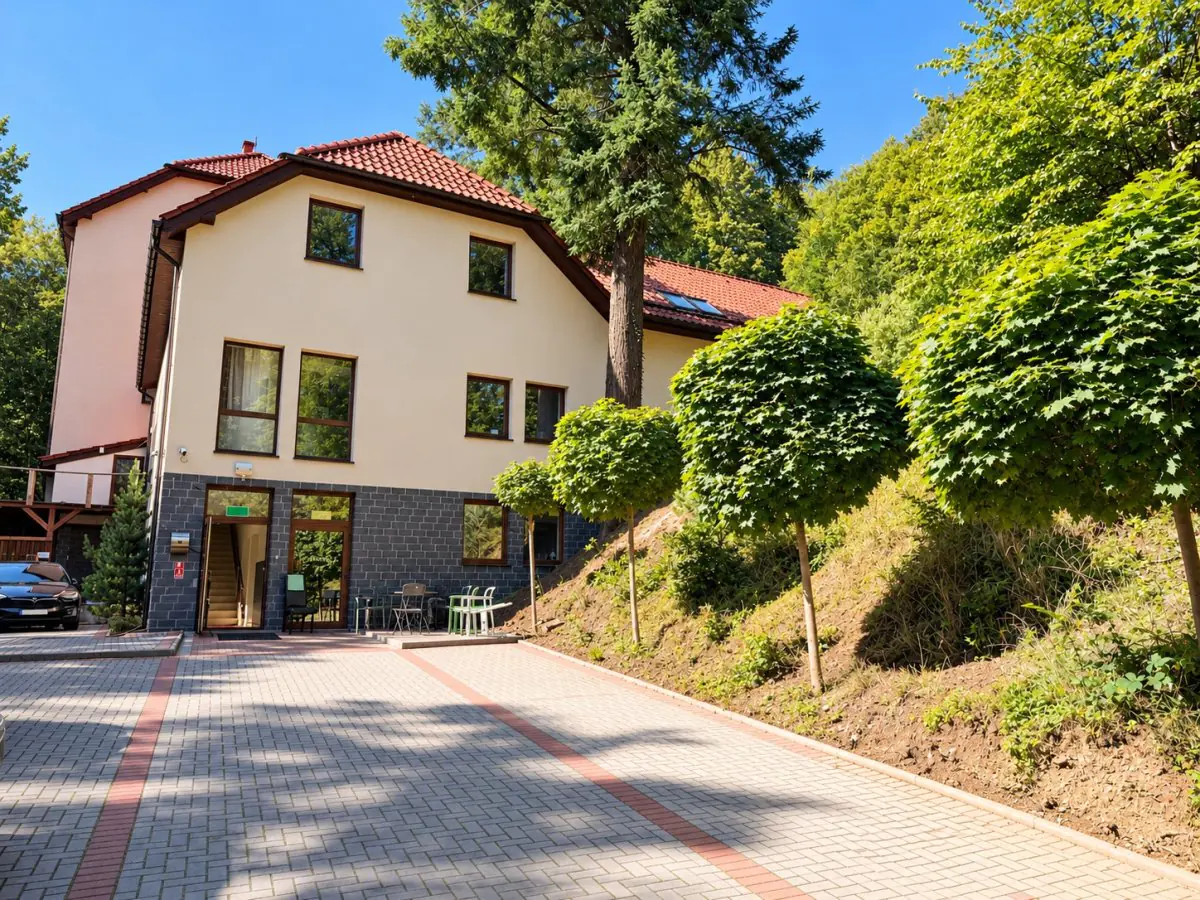
Rehabilitation Center Renaissance is a private facility in Opole, Poland. The center operates within one building and has three specialized departments. It serves patients from Germany, Czechia, Latvia, Lithuania, Estonia, and Ukraine. The medical team includes three doctors who focus on restoring the whole person – not just stopping substance use.
Key Facts and Medical Team
The center combines psychological care with physical and social recovery. Dr. Dmitry Zapadinsky leads the medical direction. He has managed addiction rehabilitation programs since 2004 and co-founded an international network of recovery centers.
Dr. Mikhail Glivko is a certified addiction psychotherapist with around 20 years of experience. He specializes in dual diagnosis cases – treating patients with addictions alongside HIV or viral hepatitis. Dr. Alina Zapadinskaya, a psychotherapist focused on dependency work, completes the team.
Specialties and Treatment Methods
Renaissance treats several types of addiction and related behavioral disorders. Each participant receives a personal treatment route based on their history, physical condition, and motivation:
- Drug addiction treatment for cocaine, heroin, amphetamines, and synthetic drugs
- Alcoholism rehabilitation covering all stages of dependence
- Gambling addiction support for pathological gambling, sports betting, and online casinos
- Eating disorder therapy for anorexia, bulimia, and compulsive overeating
- Psychological support for depression, anxiety, and PTSD
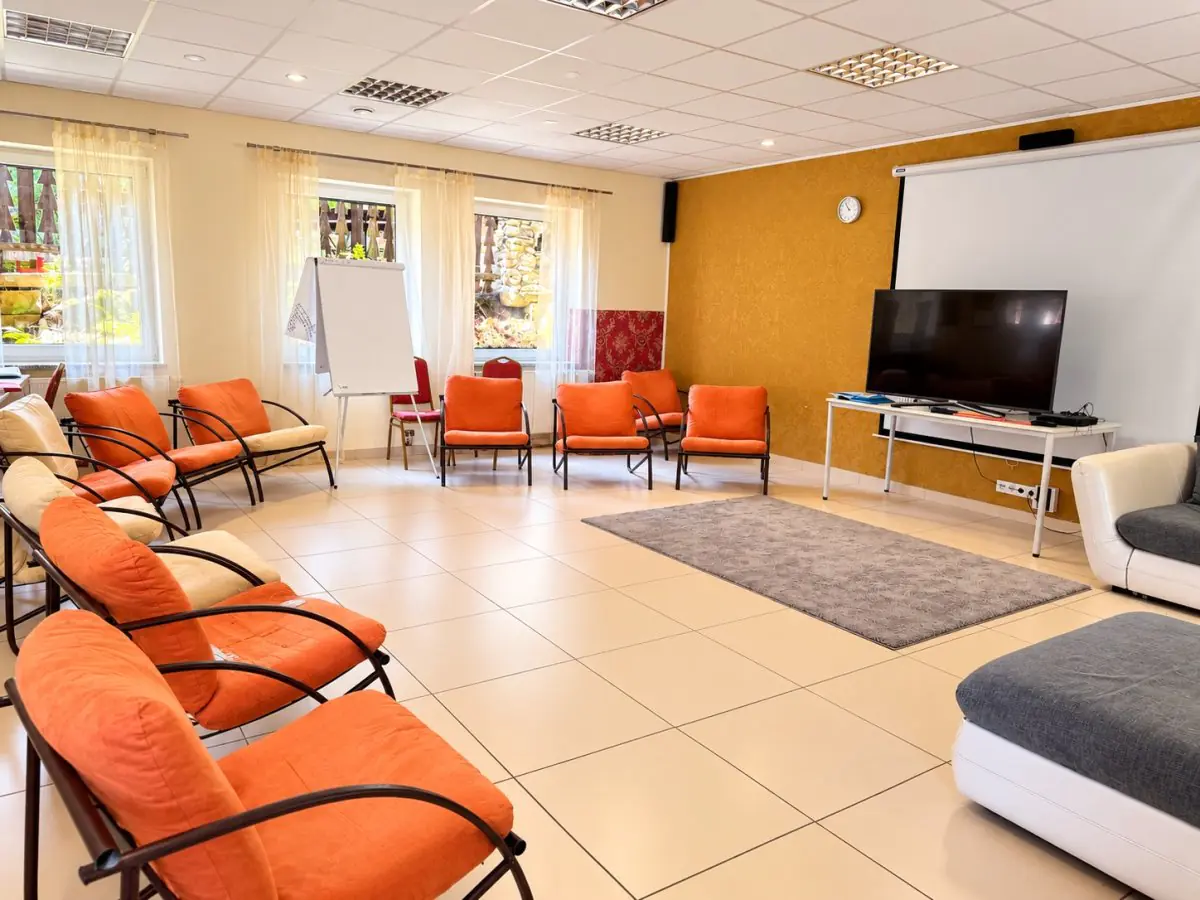
Drug and alcohol treatment begins with safe detox and crisis stabilization. Alcohol rehabilitation programs last at least three weeks. Daily routines include morning groups and weekly individual psychotherapy. Specialists use art therapy and body-oriented practices to address trauma and destructive thought patterns. For gambling addiction, family therapy helps restore trust between patients and loved ones.
The center also runs a peer-to-peer recovery program. Patients connect with consultants who have completed recovery themselves. These mentors offer support based on shared experience without clinical pressure. After the residential program, structured aftercare helps prevent relapse. This includes online support groups, motivational consultations, and peer mentorship.
Safety Protocols and Recovery Environment
Renaissance follows a consent-based framework for all medical interventions. Every patient signs a treatment contract outlining their rights, services, and house rules. Patients have full access to their medical records, including history and test results.
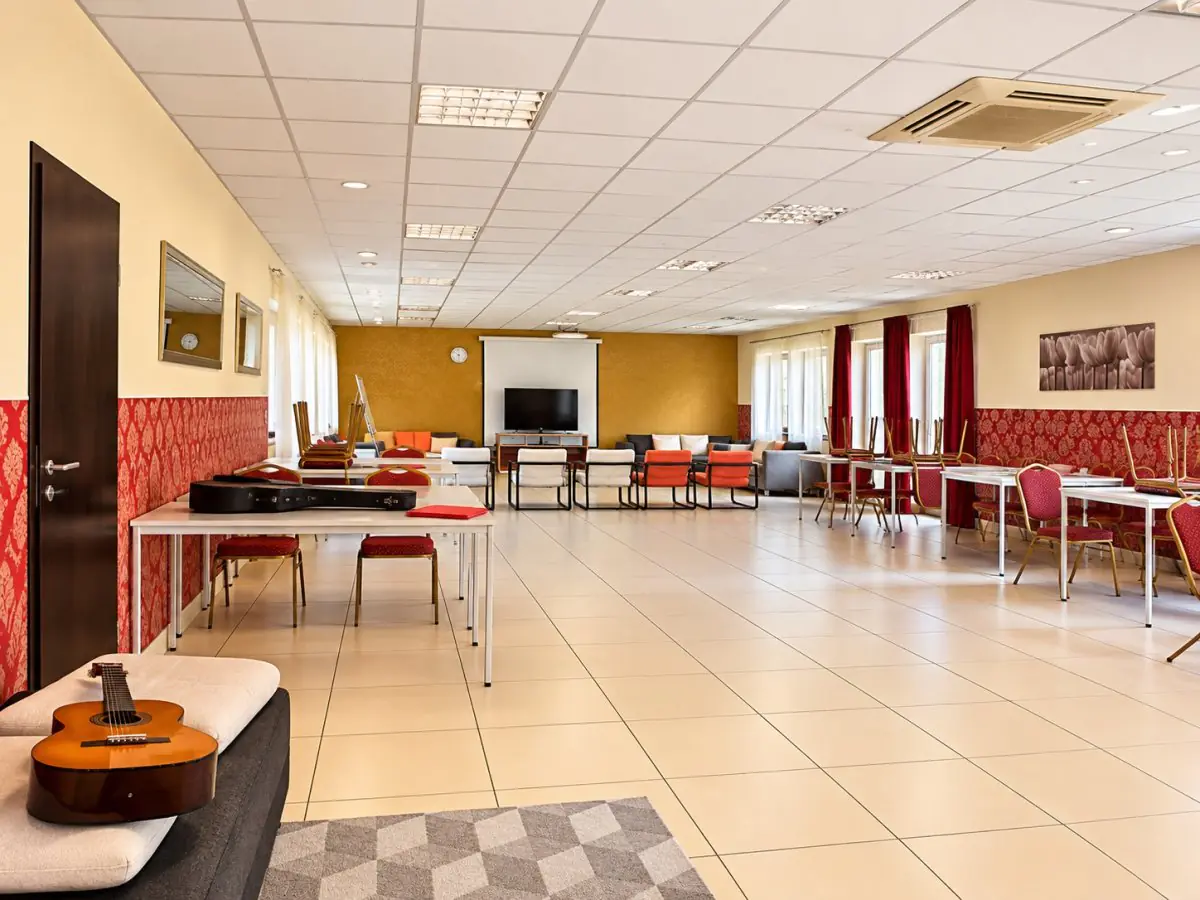
The recovery environment is warm and trusting. Rooms accommodate two people. Meals are served five times daily – three main courses and two snacks. Kitchen staff can adapt menus for specific diets or food intolerances.
Services for International Patients
The clinic is set up to support international patients from across Europe. The medical team provides consultations in Russian and Ukrainian. The center organizes transfers for participants arriving from different parts of Europe. Patients have Wi-Fi access to stay in touch with family during their stay. After discharge, online chats and digital groups help participants stay grounded as they return to everyday life.
Additional services
Language assistance
Available
free
Accommodation
Hotel (apartments) near the clinic, billed daily
Patient reviews
10 Google
reviews
sq0qv
Oct 8, 2026
Thank you so much for helping me get back to myself—this was an unforgettable experience.
I sincerely recommend you! ❤️❤️❤️
HLEB CZARNY
Oct 2, 2026
Friends, I want to say that this is a wonderful rehabilitation center located in the mountains in the forest, far from the noise and bustle, and it offers a modern professional and an individual approach to each of its guests! The attitude toward people is at the highest level, and up-to-date scientific knowledge and practice allow you to look at yourself from the inside and start learning to interact with your inner world properly! I recommend 🤝
Давид Западинский
Apr 9, 2026
This place changed my life. Here I found happiness and figured out the reasons behind my substance use. Awesome clinic. I recommend it 🫶🏻
Michał Glywko
Feb 16, 2026
I am very grateful to the «Renaissance» center for their support and professional approach. A warm atmosphere, attentive specialists, and real help for people who want to change their lives. You can feel the care, the structure, and the deep work involved in recovery. I recommend it to those who are looking for real rehabilitation, not just words.
Andrei Neudakh
Jan 29, 2026
Excellent rehabilitation center with great therapists. There’s a lot of interesting content in the program, an individual approach, and a cozy atmosphere!
Юрис Великанов
Jan 29, 2026
I’m giving 5 stars. Such centers are very needed and important. They give people a second chance. There are wonderful staff, and the guys there live like it’s a resort—every week there’s a Finnish sauna, a gym, and excursions.
Tetiana Semeniuk
Jan 29, 2026
I really, really recommend this center! Here works a truly strong team of psychotherapists—caring, attentive, and highly professional specialists with extensive experience in treating drug and alcohol addiction.
With rehab patients, they don’t just “work” with them here—they listen to them, accept them, and support them even in the most difficult moments. Every therapy session is meaningful, deep, and full of belief in the person. Thanks to this atmosphere of support and trust, hope appears—along with the strength to change and the desire to live differently.
This is a place where they help not only to get rid of addiction, but also to restore dignity, faith in oneself, and faith in life. Huge gratitude to the entire team for your work, patience, and big heart.
Володимир Семенюк
Jan 29, 2026
The therapeutic work is carried out very well— the specialists are very good. I want to highlight the therapist specialist, Yuri. Very good program. 🧡🧡🧡
Oleksandr Tkachyk
Jan 29, 2026
Very cool place, a very cool program, and oh, really great therapists who provide consultations! Great program—it's not Christian, not 12-step. It's something completely different. I’ve tested it on myself, and I’ve seen that it works. Live a happy life without substances now— I recommend it!!!
Nadja Velikanova
Jan 29, 2026
Thank you for this place for the help—you do an enormous amount of work and give the guys a chance at a normal life! Thank you so much! A solid five stars for this place.
62, Wrocławska, Nadodrze, Opole, Opole Voivodeship, 45-701, Poland

updated 11/5/2026
Get a free consultation
RENESSANS — Rehabilitation Center
The clinic is not accepting new requests
Submit your request to get the best option in Poland
Average answering time – 5 minutes
How it works:
- We find a medical coordinator familiar with the matter
- You get a personal offer with a step-by-step guide and the cost estimate
- We arrange your travel including appointment scheduling and flights booking
- You arrive at the hospital, we support you 24/7