
sq0qv
Oct 8, 2026
Thank you so much for helping me get back to myself—this was an unforgettable experience.
I sincerely recommend you! ❤️❤️❤️
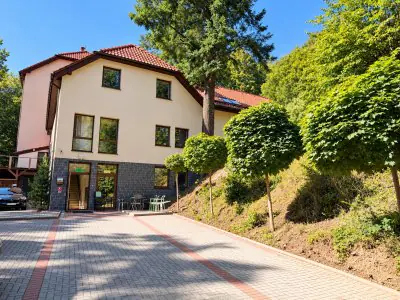
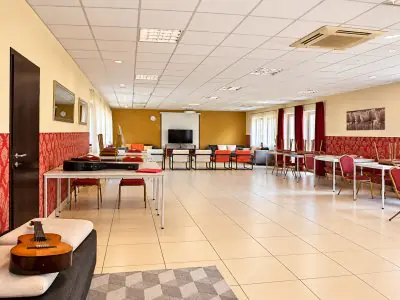
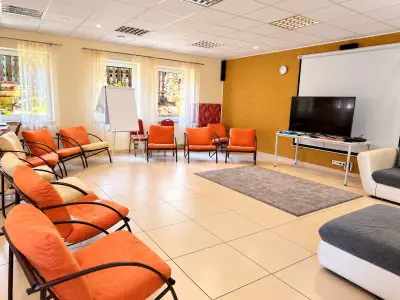
Alcohol rehabilitation at the Renaissance center in Opole, Poland, provides a structured recovery path through inpatient care. The program focuses on safe detoxification and deep therapeutic work to address the root causes of addiction. A key advantage of this facility is the specialized support for patients, offering therapy in a setting that promotes personal growth and responsibility.
The rehabilitation process lasts at least three weeks to allow for stabilization. Treatment begins with a safe detox phase to manage withdrawal symptoms. After stabilization, patients participate in several therapeutic activities each day. The program includes:
The medical direction is led by Dr. Dmitry Zapadinsky, a psychotherapist and addictologist with over 20 years of experience. He is a co-founder of an international network of recovery centers and has managed addiction programs since 2004. Dr. Mikhail Glivko works alongside him, bringing around 20 years of expertise in treating dual diagnosis cases, such as addiction combined with viral hepatitis or HIV. The team also includes Dr. Alina Zapadinskaya, a psychotherapist who focuses specifically on dependency work.
Patients stay in shared double rooms in a quiet natural area near Poznań. The facility provides five meals daily and can adapt the menu to meet specific dietary needs. To help international patients, the center organizes transfers from any location in Europe. The facility offers Wi-Fi and includes family therapy options to help rebuild relationships at home.
Long-term recovery continues after the inpatient stay through a structured support network. Patients have access to online support groups and the "Equal to Equal" peer mentorship program. Relapse prevention strategies and motivational consultations help maintain sobriety. These tools are designed to provide ongoing guidance as individuals transition back to daily life. You can leave a request on Bookimed to learn more about the enrollment process.


 The clinic is not accepting new requests
 Average answering time – 5 minutes

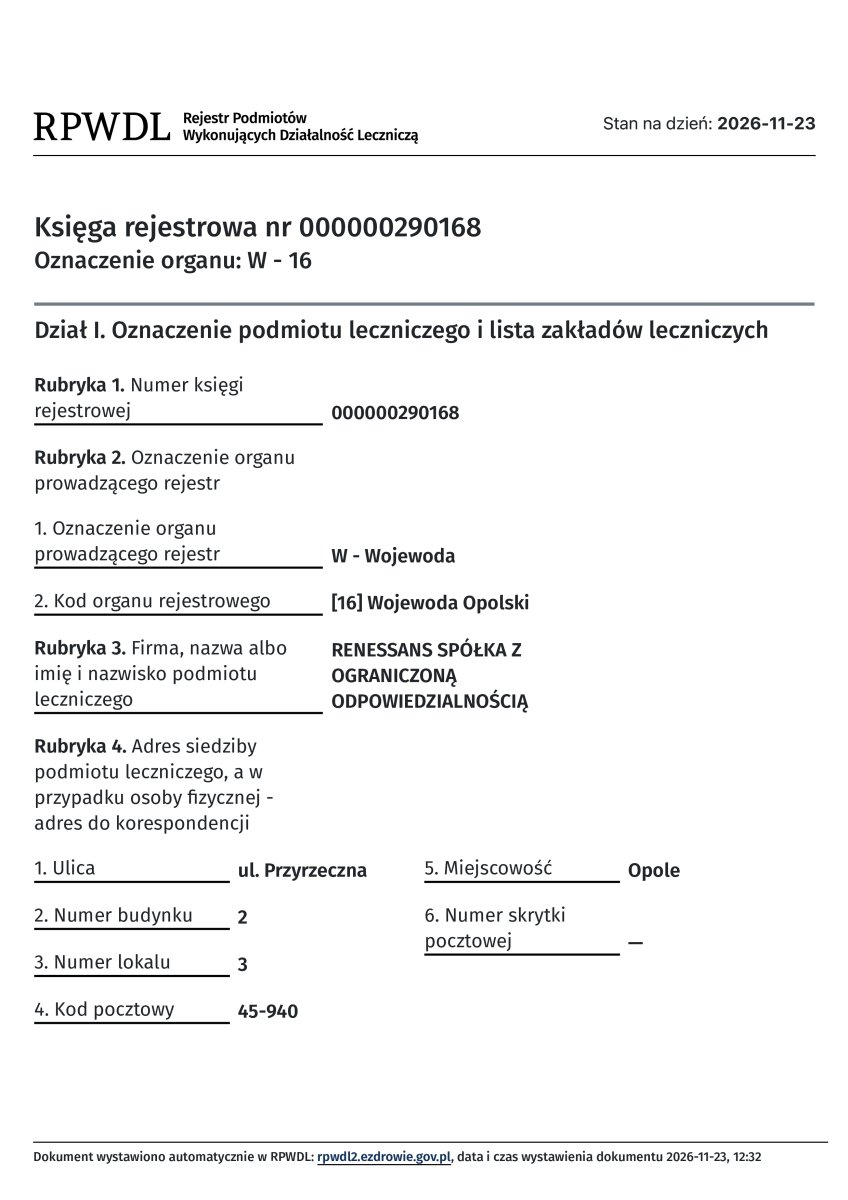
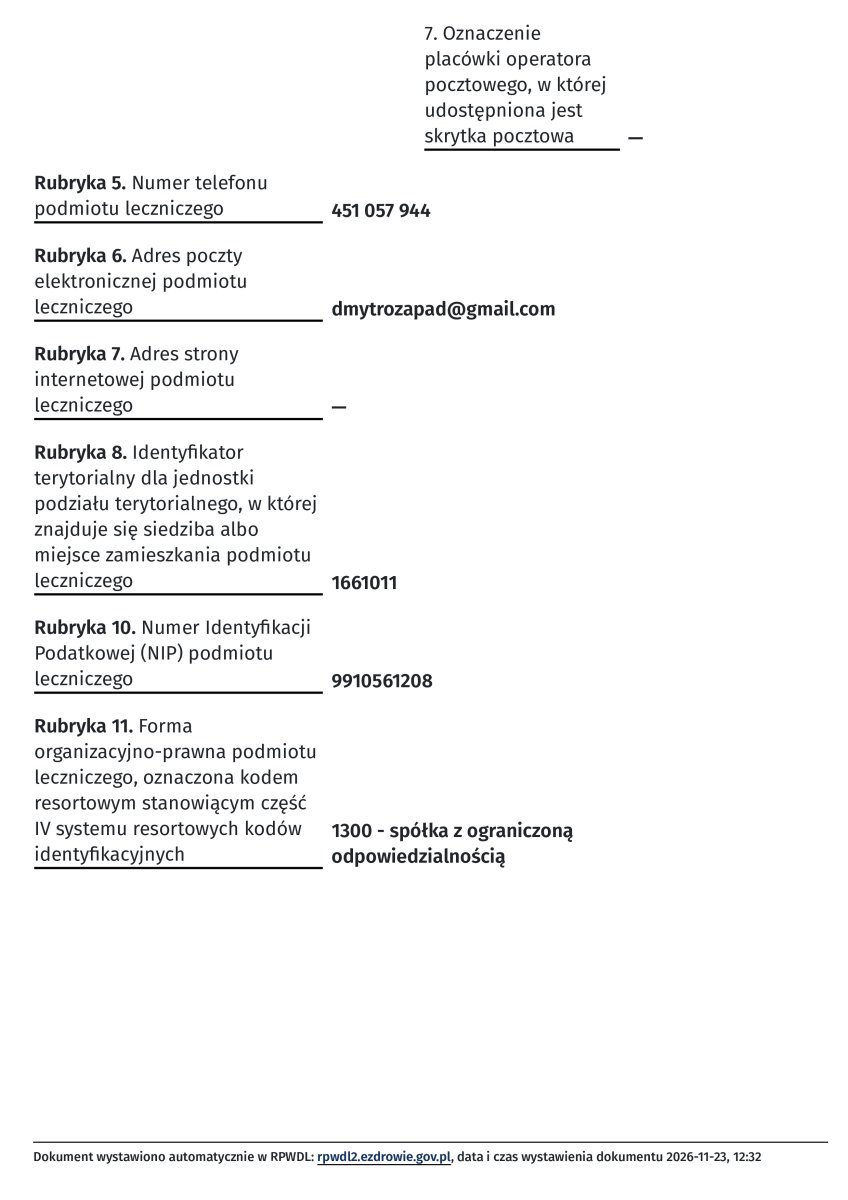
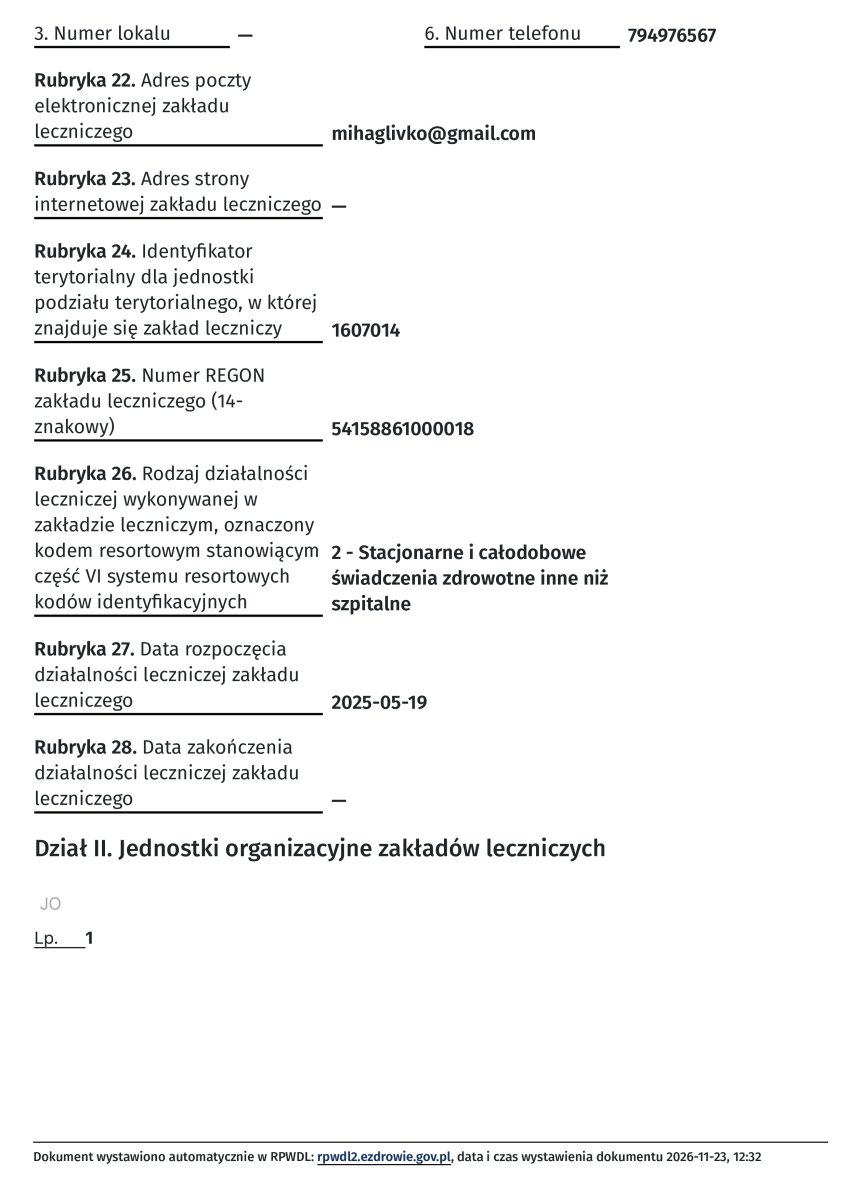
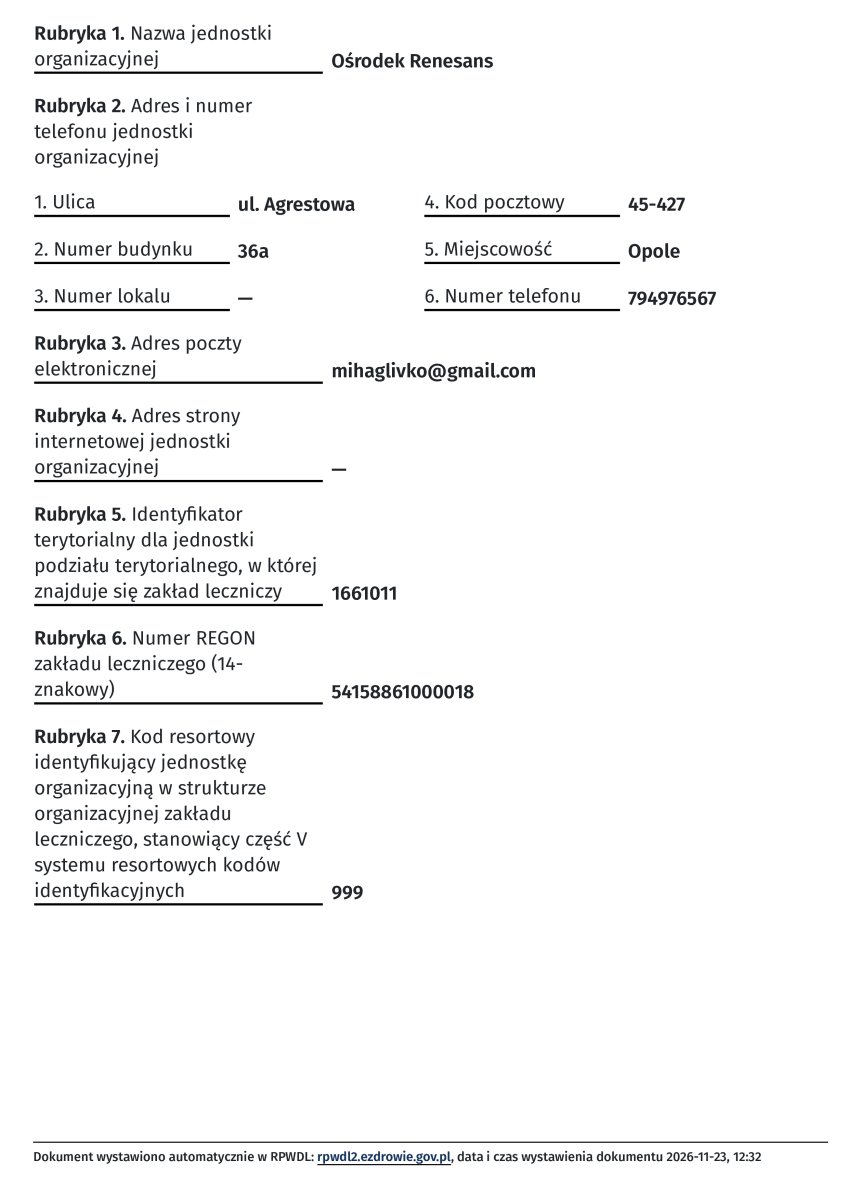
Rehabilitation Center Renaissance is a private facility in Opole, Poland. The center operates within one building and has three specialized departments. It serves patients from Germany, Czechia, Latvia, Lithuania, Estonia, and Ukraine. The medical team includes three doctors who focus on restoring the whole person – not just stopping substance use.
The center combines psychological care with physical and social recovery. Dr. Dmitry Zapadinsky leads the medical direction. He has managed addiction rehabilitation programs since 2004 and co-founded an international network of recovery centers.
Dr. Mikhail Glivko is a certified addiction psychotherapist with around 20 years of experience. He specializes in dual diagnosis cases – treating patients with addictions alongside HIV or viral hepatitis. Dr. Alina Zapadinskaya, a psychotherapist focused on dependency work, completes the team.
Renaissance treats several types of addiction and related behavioral disorders. Each participant receives a personal treatment route based on their history, physical condition, and motivation:
Drug and alcohol treatment begins with safe detox and crisis stabilization. Alcohol rehabilitation programs last at least three weeks. Daily routines include morning groups and weekly individual psychotherapy. Specialists use art therapy and body-oriented practices to address trauma and destructive thought patterns. For gambling addiction, family therapy helps restore trust between patients and loved ones.
The center also runs a peer-to-peer recovery program. Patients connect with consultants who have completed recovery themselves. These mentors offer support based on shared experience without clinical pressure. After the residential program, structured aftercare helps prevent relapse. This includes online support groups, motivational consultations, and peer mentorship.
Renaissance follows a consent-based framework for all medical interventions. Every patient signs a treatment contract outlining their rights, services, and house rules. Patients have full access to their medical records, including history and test results.
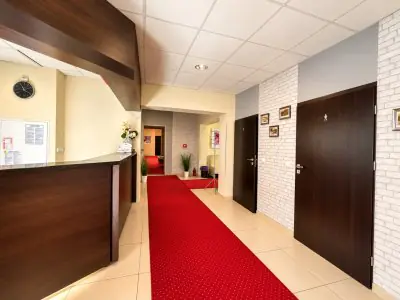
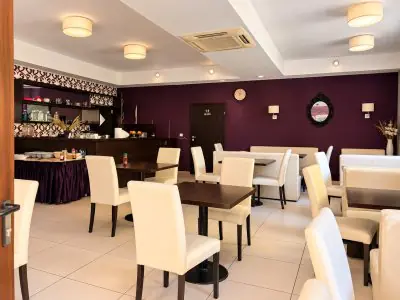
The recovery environment is warm and trusting. Rooms accommodate two people. Meals are served five times daily – three main courses and two snacks. Kitchen staff can adapt menus for specific diets or food intolerances.
The clinic is set up to support international patients from across Europe. The medical team provides consultations in Russian and Ukrainian. The center organizes transfers for participants arriving from different parts of Europe. Patients have Wi-Fi access to stay in touch with family during their stay. After discharge, online chats and digital groups help participants stay grounded as they return to everyday life.
Patients choose RENESSANS — Rehabilitation Center most frequently to treat the following conditions: Rehabilitation.
The most common procedures in the hospital are: Substance Rehabilitation, Alcohol Rehabilitation, Alcoholism treatment, Comprehensive rehabilitation, Drug Rehabilitation, Relapse Prevention.
sq0qv
HLEB CZARNY
Давид Западинский
Michał Glywko
Andrei Neudakh
Юрис Великанов
Tetiana Semeniuk
Володимир Семенюк
Oleksandr Tkachyk
Nadja Velikanova
 The clinic is not accepting new requests Average answering time – 5 minutes



