Egypt, Agouza
Uterine fibroids Treatment in Riyadh Fertility Center
1
accreditation
hospital certificates of quality
About the clinic
Uterine fibroid care at Riyadh Fertility Center in Mohandessin, Giza, Egypt includes diagnosis, medication, non-surgical care, and surgery. The center has an ESHRE accreditation and a dedicated laparoscopic surgery unit; Prof. Dr. Hesham Al-Shaer has over 20 years of experience in gynecology and reproductive medicine.
Fibroid diagnosis with ultrasound and MRI
Assessment can help identify fibroid location and guide treatment planning. Available diagnostic options include:
- Pelvic examination: A clinical examination checks the pelvic area.
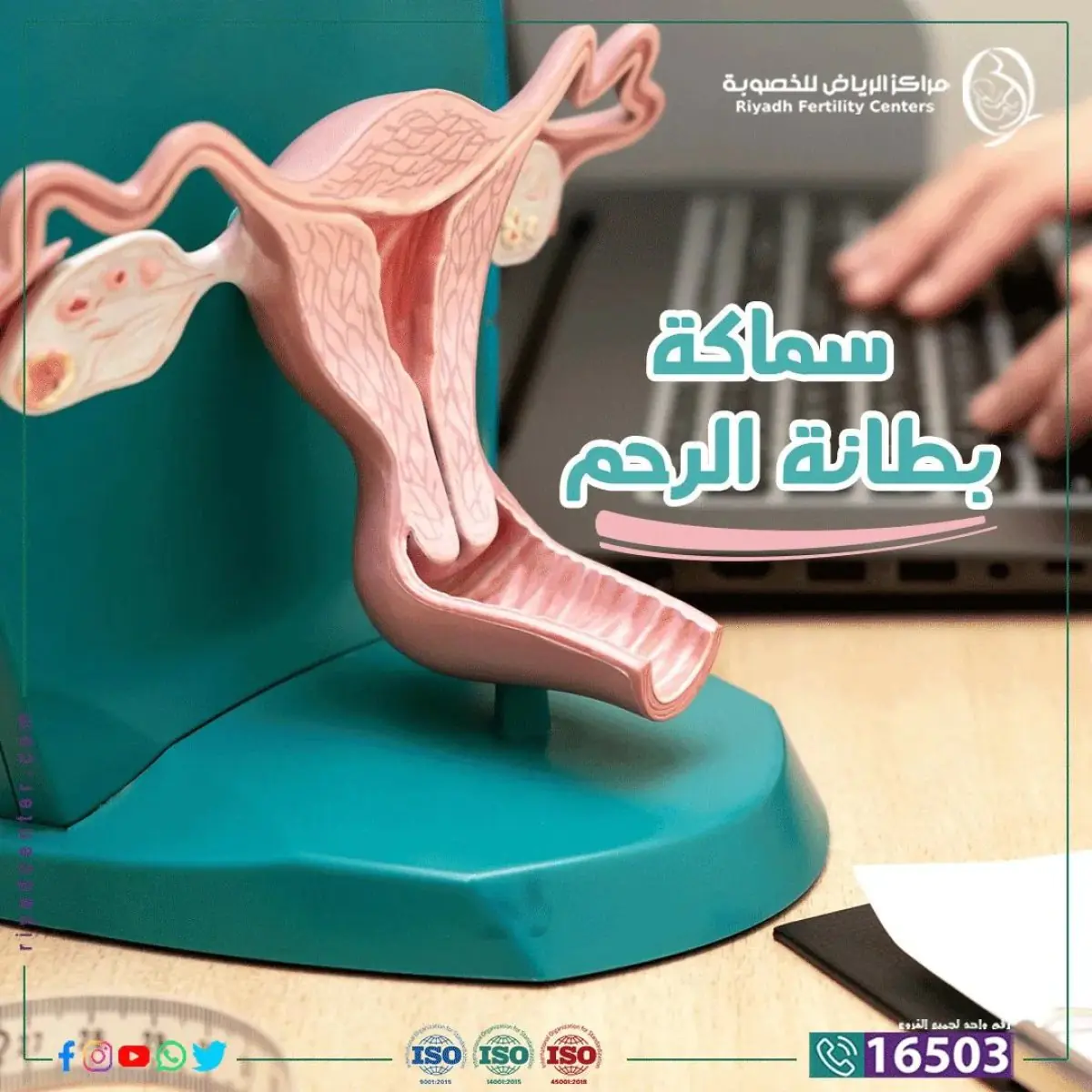
- Ultrasound: Abdominal or transvaginal scans can show the uterus and fibroids.
- MRI or CT scan: Imaging options for examining fibroids.
- Hysteroscopy or laparoscopy: Procedures that let clinicians examine the uterus or abdomen.
- Hysterosalpingography (HSG): An imaging test that examines the uterus and fallopian tubes.
- Hormone analysis: Blood tests assess hormone levels.
Fibroid treatments, including hysteroscopy and laparoscopy
Treatment choices include uterus-preserving procedures, other surgery, medication, and fertility care. The center also offers uterine fibroid embolization and MRI-guided focused ultrasound.
- Hysteroscopic fibroid removal: An endoscope passes through the vagina and cervix under anesthesia. It removes fibroids inside the uterine cavity without an abdominal incision. This approach may suit fibroids linked to heavy bleeding or infertility.
- Laparoscopic myomectomy: A laparoscope with a high-resolution lens enters through small openings measuring 0.5–1.5 cm. The unit uses 40x magnification for abdominal work. This method may suit large fibroids on the outer uterus or growths outside it. The procedure takes a few hours, with same-day discharge and light activity possible that day.
- Open myomectomy: Open surgery removes very large or deeply located fibroids while preserving the uterus.
- Hysterectomy: This definitive surgery may be considered for severe or recurrent fibroids when other treatments have not worked and pregnancy is not desired.
- Uterine fibroid embolization (UFE): A catheter delivers material into arteries feeding a fibroid, reducing its size over time without surgery.
- MRI-guided focused ultrasound (MRgFUS): Focused heat destroys fibroid tissue without an incision.
- Medication therapy: GnRH agonists can shrink fibroids temporarily, including before surgery. Hormonal contraceptives can control heavy bleeding and regulate cycles. NSAIDs and pain medicines can ease pain.
- Watchful waiting: Small fibroids without symptoms can be monitored periodically without treatment.
- IVF or ICSI: Assisted reproduction may be considered when fibroids contribute to infertility. The center reports 30,000+ successful ICSI procedures.
Prof. Dr. Al-Shaer chairs Riyadh Fertility Centers and is a professor at Cairo University’s Kasr Al-Aini Faculty of Medicine. Patients can request a consultation through Bookimed to discuss suitable next steps.
Highlights
60 doctors
Get a free consultation

Riyadh Fertility Center

 The clinic is not accepting new requests
Submit your request to get the best option in Egypt
 Average answering time – 5 minutes
Treatments prices in the clinic
{{date}}. Prices may change depending on the medical case and the doctor's recommendations.
Obstetrics and Gynecology
| treatment | Price | |
|---|---|---|
| Pregnancy follow-up | Price on request | |
| Exosome Therapy for Vaginal Rejuvenation | Price on request | |
| Myomectomy (removal of uterine fibroids) | Price on request | |
| Ovarian Cyst Removal | Price on request | |
| Laparoscopic ovarian cystectomy | Price on request | |
| Laparoscopic myomectomy | Price on request | |
| Hysteroscopic myomectomy | Price on request | |
| Laparoscopic surgery for endometriosis | Price on request |
Clinic Doctors
Gynecologist
How are we doing?
1 of
3
Information about this clinic is full and clear
1
2
3
4
5
Strongly disagree
Strongly agree
hospital accreditation of quality
European Society of Human Reproduction and Embryology
BE,
European Society of Human Reproduction and Embryology certificate for Riyadh Fertility Center
Riyadh Fertility Center: more details about the clinic
Egypt, Agouza
Riyadh Fertility Center is a specialized medical facility in Giza, Egypt, focusing on reproductive health and assisted reproduction. The center operates multiple branches – a primary office in Mohandessin and locations in Nasr City, Luxor, and Aswan. It treats delayed childbearing and infertility through advanced medical and surgical approaches.
Accreditations and Achievements
The center holds ESHRE accreditation from the European Society of Human Reproduction and Embryology. It maintains multiple ISO certifications for quality management, public safety, and environmental management. The clinic has performed over 30,000 successful ICSI procedures for couples facing fertility challenges.
Reproductology and Assisted Reproduction
The reproductology department provides complete care for couples, from initial evaluation to pregnancy monitoring. Specialists manage complex cases such as recurrent miscarriage – two or more consecutive pregnancy losses. A team of over 60 doctors supports patients through every stage of treatment.
Assisted reproduction services include several primary methods:
- IntraCytoplasmic Sperm Injection (ICSI): A single healthy sperm is injected directly into the egg using a fine glass needle.
- In Vitro Fertilization (IVF): A five-step process including oocyte monitoring, retrieval, and laboratory fertilization.
- Embryo Genetic Testing: Screening protocols to check embryo health before transfer to the uterus.
- Gender Selection: An advanced ICSI application with a clinic-reported 99% success rate.
Specialists also provide pregnancy follow-up across all three trimesters. This includes regular examinations and fetal safety tests to monitor healthy development.
Gynecology and Endoscopic Surgery
The center operates a dedicated Laparoscopic Surgery Unit for conditions that affect fertility. Surgeons use small-incision techniques to diagnose and treat pelvic adhesions, tubal blockages, and endometriosis. These procedures avoid large abdominal openings, so patients typically recover faster.
The surgical team treats various uterine and ovarian conditions:
- Uterine Fibroids: Managed through hysteroscopy for internal fibroids or laparoscopy for larger external growths.
- Ovarian Cysts: Including "chocolate cysts" related to endometriosis and dermoid cysts.
- Polycystic Ovaries: Treated via laparoscopic ovarian perforation or medication to restore hormonal balance.
For small fibroids that don't interfere with pregnancy, doctors may recommend medication instead of surgery.
Andrology and Male Fertility
Male factor infertility is addressed through a specialized andrology laboratory under direct medical supervision. Specialists evaluate sperm quality by analyzing movement, count, and shape. When sperm is absent in semen, the team performs testicular sampling to retrieve viable cells for fertilization.
Varicocele treatment uses a surgical microscope. This high-magnification tool lets andrologists connect veins precisely while protecting the main testicular artery. The approach helps prevent testicular atrophy and stops varicose reflux.
Specialized Medical Team
The medical board is led by Dr. Hesham Al-Shaer, a Professor at Cairo University with over 20 years of experience. He is a member of the European Society of Fertility and Infertility and specializes in ICSI and delayed childbearing. Senior consultants in gynecology and andrology collaborate on individualized treatment plans.
Services for International Patients
Riyadh Fertility Center provides an online clinic service for patients living outside Egypt. International couples can receive consultations and treatment planning before traveling. The center supports patient journeys across branches in Sohag, Assiut, Qena, and Tanta.
Additional services
Language assistance
Available
free
Accommodation
Hotel (apartments) near the clinic, billed daily
Patient reviews
10 Google
reviews
Elaph Ahmed
Oct 8, 2024
My experience with Riyadh centers was excellent in terms of the treatment, reception, and responding to inquiries. The doctors provide good follow-up for the case step by step regarding treatment, follow-up, and examinations... My experience in Luxor was also good in terms of the cleanliness of the place, the reception, and the staff—so the patient feels comfortable and without anxiety. In pregnancy follow-up, the attention remains the same from every aspect. The best center at the level of the Republic, and I recommend it to everyone I know—my relatives and friends—always to go to Riyadh centers.
RyanHesham Mohamed
Oct 8, 2024
I’ve been with you for four years. I got pregnant then, and God blessed me with a son. I’m back now to follow up again, and all the staff are very helpful with me. Honestly, the place is one of the best places I’ve dealt with during my pregnancy.
Alaa Yosri
Oct 3, 2024
Very excellent center. My wife’s sister, who had an 8-year delay in getting pregnant, underwent IVF at the center, and God has been kind to her—she is pregnant now.
ABDELRAHMAN SABER
Sep 11, 2026
mmstr21 mmstr
Jun 17, 2026
Yousef Mohamed
Apr 13, 2026
omar youssef
Nov 13, 2025
Aliaa Taha
Nov 13, 2025
A respectable center and a good team.
رودي رودي
Nov 8, 2025
Honestly, I haven’t been to the doctor yet, but I’m hopeful, God willing, especially about the price—it’s much cheaper than other people’s.
الحاج حماده ابوالسيد احمد
Oct 27, 2025
50 Geziret El Arab Street, Mohandessin, Giza, Egypt, 11225

Get a free consultation
Riyadh Fertility Center
The clinic is not accepting new requests
Submit your request to get the best option in Egypt
Average answering time – 5 minutes
How it works:
- We find a medical coordinator familiar with the matter
- You get a personal offer with a step-by-step guide and the cost estimate
- We arrange your travel including appointment scheduling and flights booking
- You arrive at the hospital, we support you 24/7