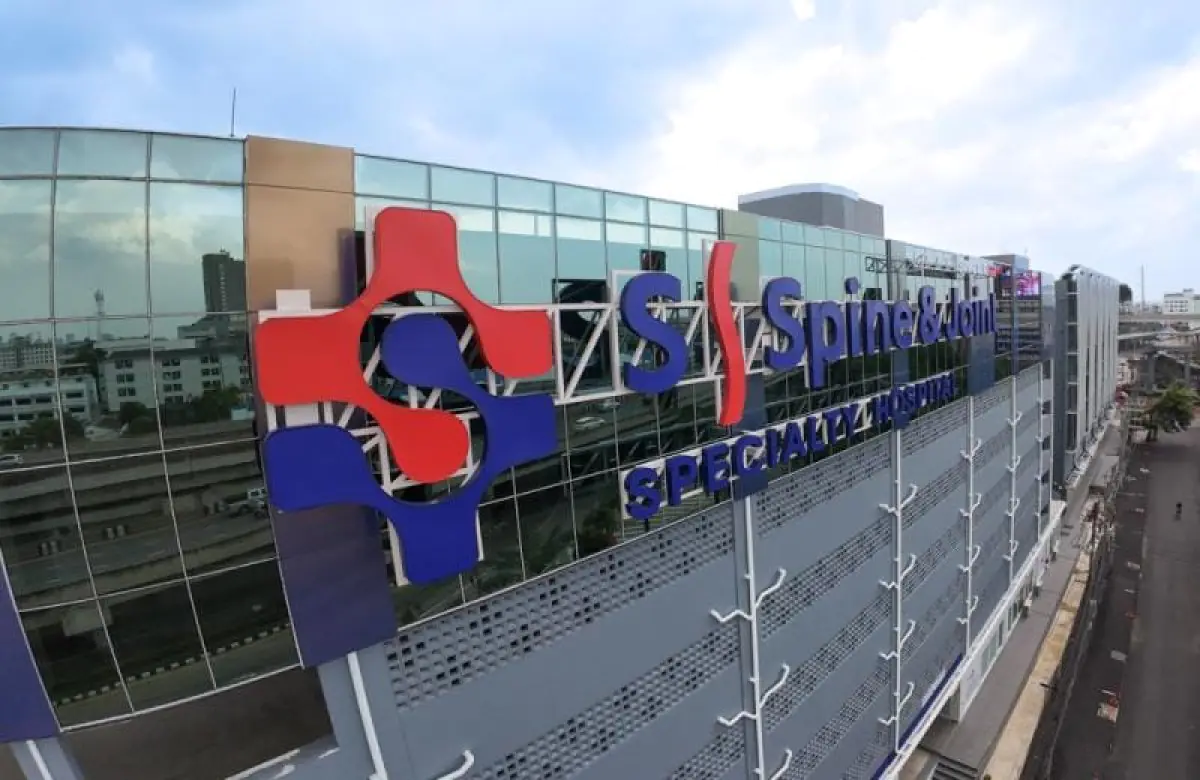
S Spine and Joint Hospital is a specialized Bangkok hospital founded in 2017. It treats conditions of the spine and joints. Its building houses seven departments focused on movement-based health. Since 2018, the medical team has treated over 100,000 patients and performed more than 5,000 surgeries.
Accreditation and Safety Standards
The hospital holds AACI accreditation, an international safety standard. This certification confirms readiness for life-saving critical care, including the ER and ICU. Surgeries take place in a Positive Pressure Room with HEPA filters. Staff also run regular emergency drills and evacuation assessments to keep patients safe.
Care centers on the "S-Quality" standard. This model pairs specialists trained in standardized protocols with advanced spine-specific technology. As a result, every treatment plan follows coordinated steps from diagnosis to rehabilitation.
Spine Care and Neurosurgery
The neurosurgery department treats disorders of the nerves and spinal column. Prof. Bunpot Sitthinamsuwan, one of its lead specialists, focuses on complex nerve surgery and neuromodulation. The team works through small incisions, so patients recover faster.
Specialists perform several advanced spine procedures:
- Percutaneous Laser Disc Decompression – uses a 1-millimeter needle and a laser to treat herniated discs.
- Vertebroplasty – injects cement under fluoroscopy guidance to treat vertebral fractures or collapses.
- Endoscopic surgery – relieves disc-related nerve compression through small access points.
- Microvascular decompression and skull base tumor surgery.
The hospital reports treating over 8,700 spondylosis patients through its Department of Medicine. Doctors link each treatment directly to diagnostic findings. Before surgery, patients with herniated discs should not lift more than 5 kilograms, since this can cause further damage.
Orthopedic and Joint Treatment
The orthopedics department treats acute injuries and chronic joint wear. Surgeons focus on preserving joints and restoring function. For knee osteoarthritis, non-surgical options include Hyaluronic Acid (HA) or PRP injections. If the case is severe, surgeons perform Total Knee Arthroplasty (TKA).
Joint specialists perform several arthroscopic procedures:
- ACL and PCL arthroscopic reconstruction
- Arthroscopic meniscus repair and debridement
- Rotator cuff and shoulder impingement surgery
- Shoulder capsule repair
Physiotherapy is part of every surgical recovery plan. Sub-acute rehabilitation starts 2 to 6 weeks after surgery. This phase aims to improve joint movement and reduce reliance on walking aids.
Diagnostic Technology
Imaging here reflects how patients actually stand and move. The hospital uses an upright open MRI that can shift between lying and standing positions. This shows how body weight affects the spine and joints. Posture-specific X-rays then help find the root cause.
Available diagnostic equipment includes:
- CT Scan and Bone Mineral Density (BMD) testing
- Standing and horizontal MRI systems
- Arthroscopic diagnostic imaging
- Fluoroscopic guidance for real-time surgical monitoring
Specialists like Dr. Thapanat Chantaraphas lead these diagnostic processes. Dr. Chantaraphas trained at Northwestern University and Washington University. The medical team takes part in international training and academic workshops to refine these imaging techniques.
Services for International Patients
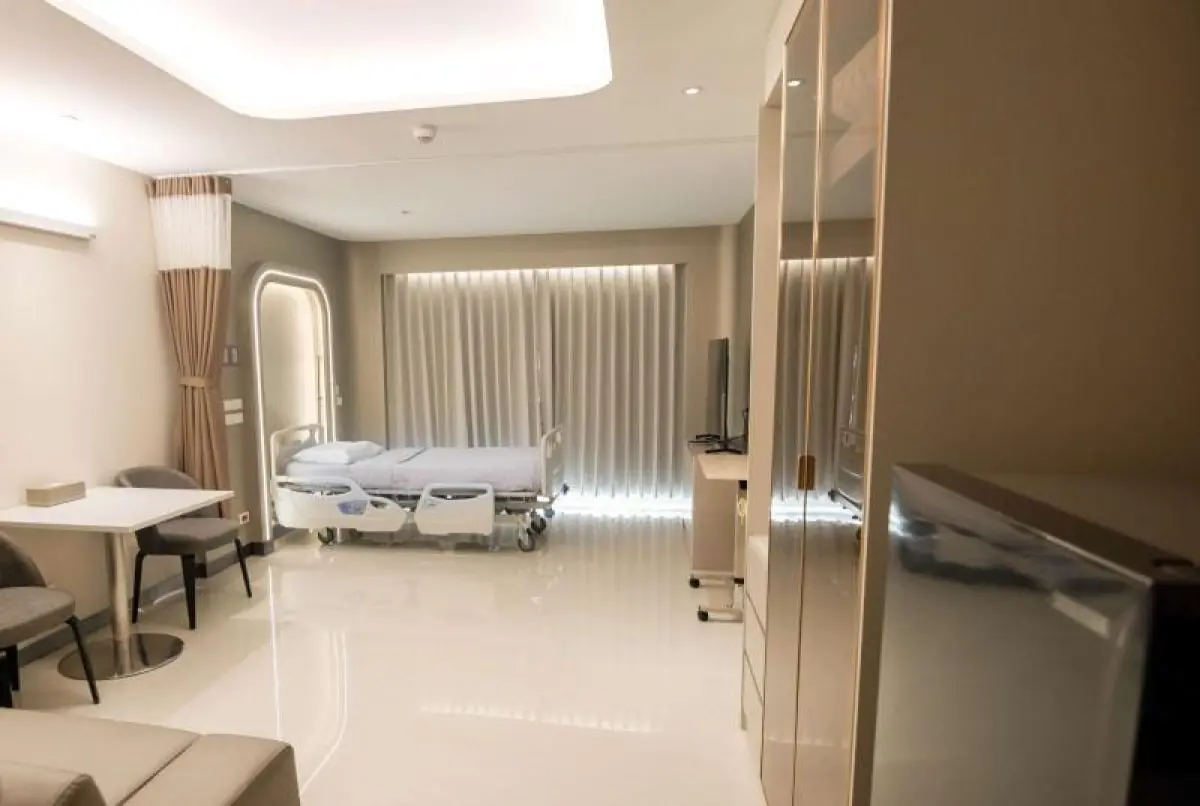
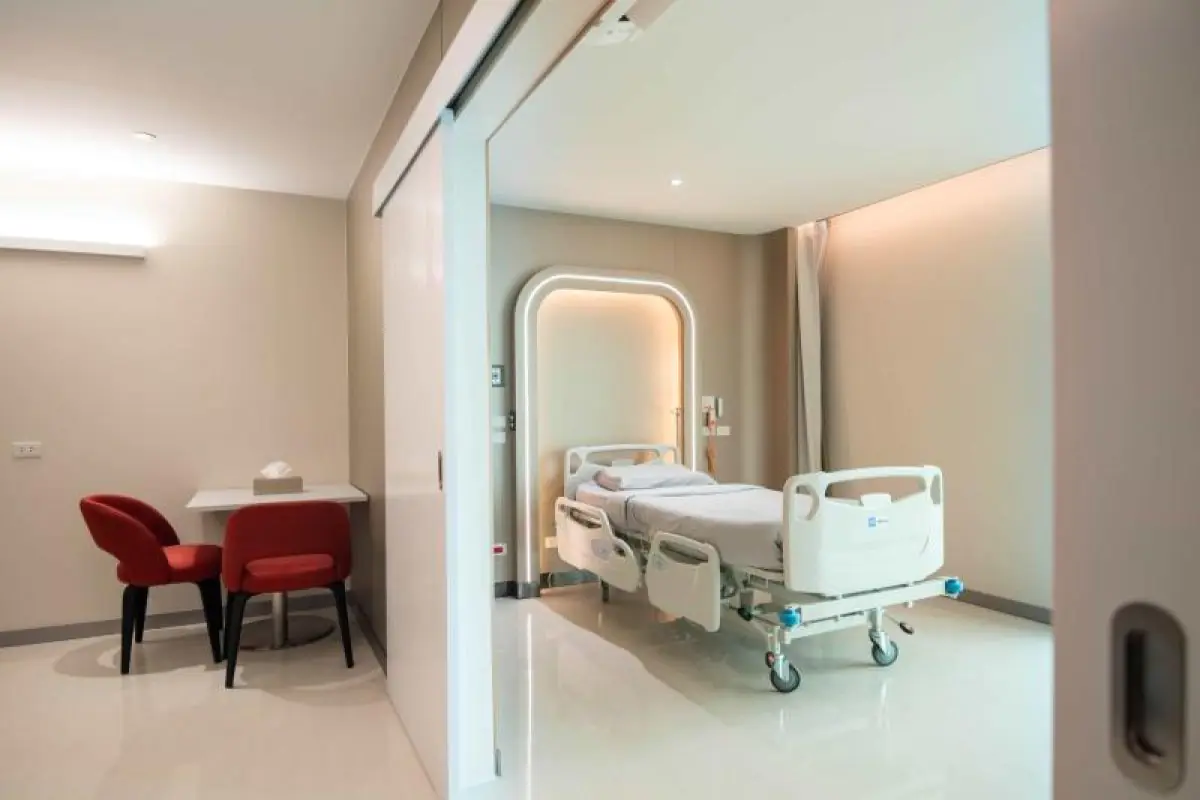
A dedicated foreign-patient service coordinates care for those traveling from abroad. Premium patient rooms come with modern amenities and climate control. Staff speak English and Thai, so communication stays clear.
Post-treatment support includes guided recovery timelines. Stitches usually come out 10–14 days after surgery, unless absorbable materials are used. The international service team tracks follow-up appointments, which generally begin one week after discharge.


 The clinic is not accepting new requests
 Average answering time – 5 minutes
