Rehabilitation
| treatment | |
|---|---|
| Stroke rehabilitation | $1870 |
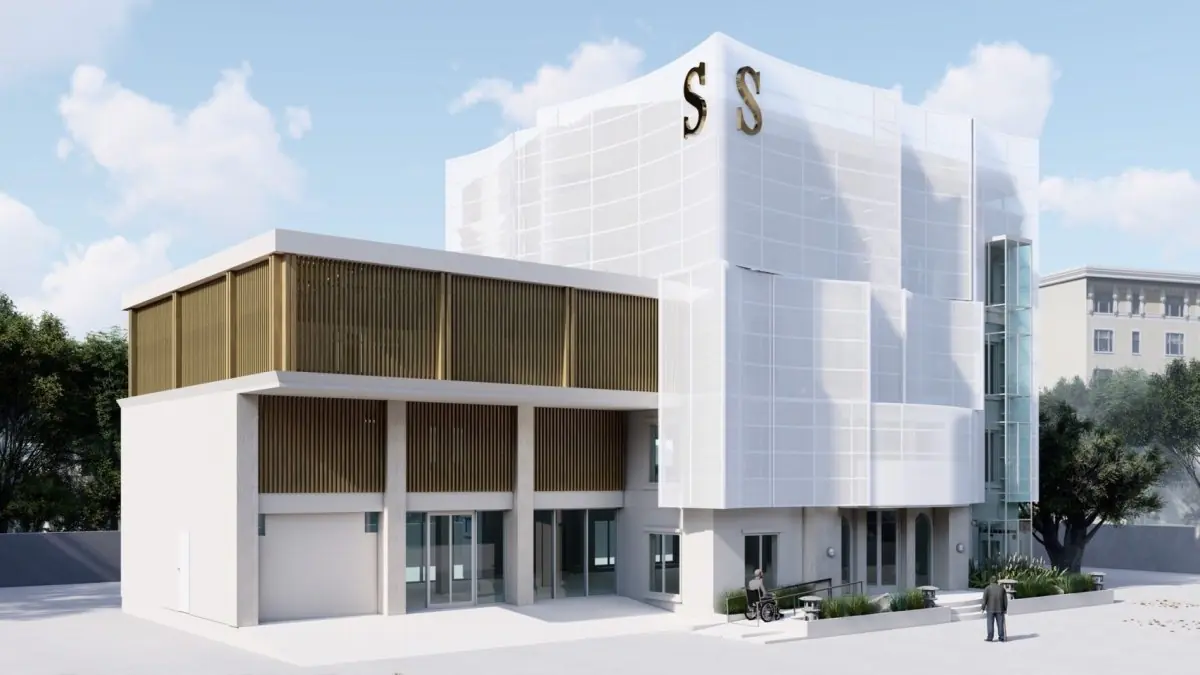
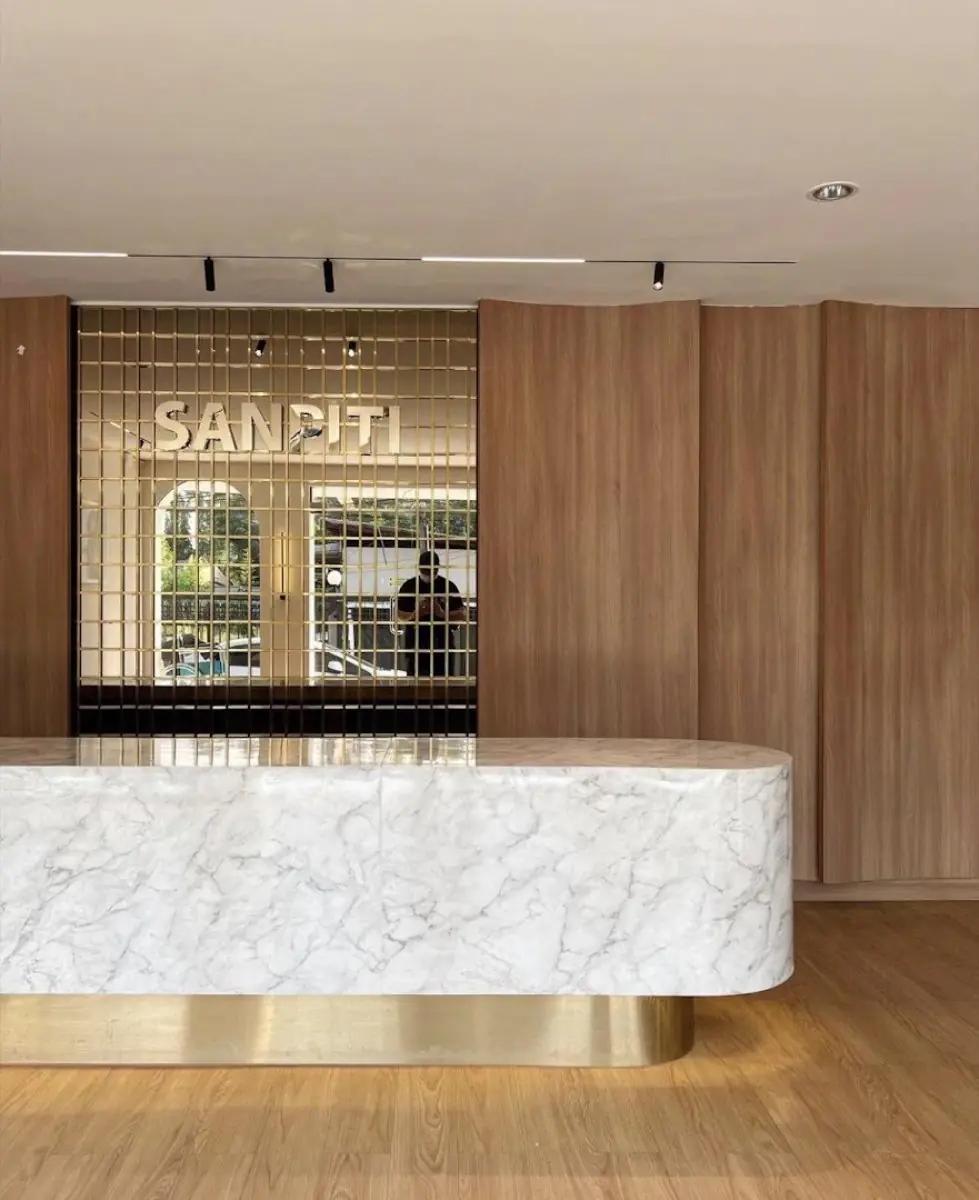
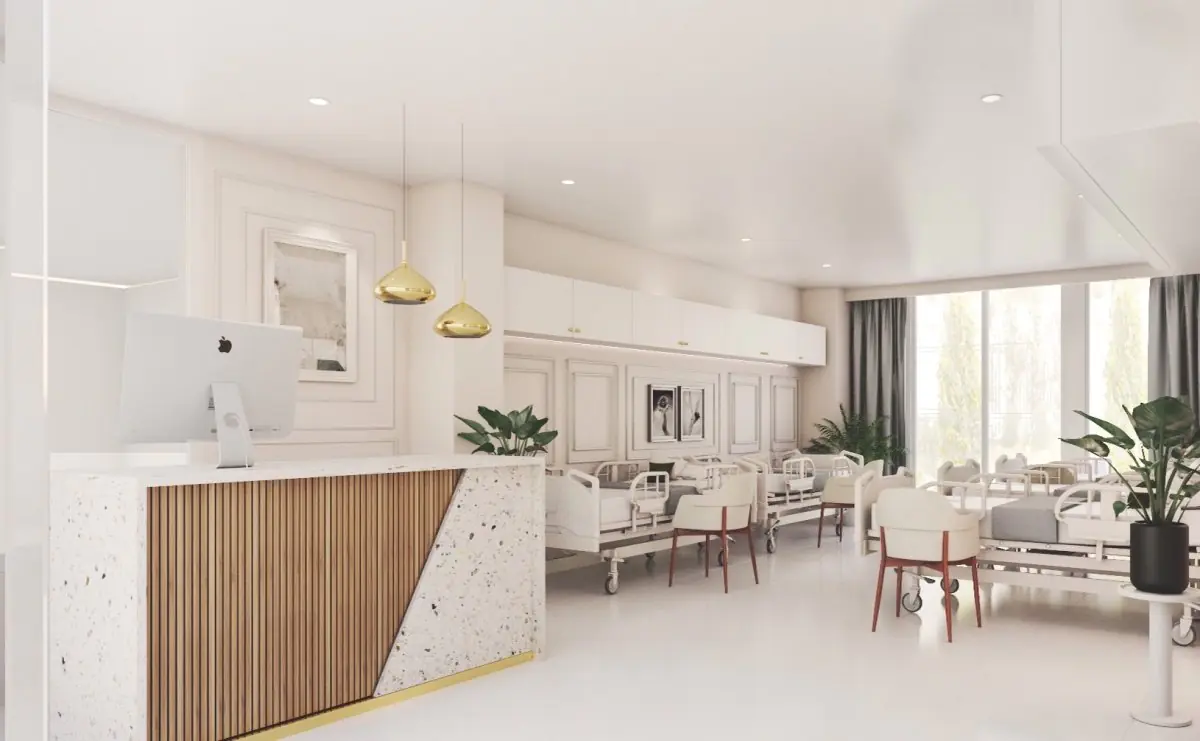

Sanpiti Rehabilitation Center is a hospital-based stroke rehabilitation network in Bangkok, Thailand. It specializes in neurorehabilitation, speech therapy, and elderly care. The flagship Jin Wellbeing center operates within an AACI-accredited hospital campus. This setting gives immediate access to emergency rooms, ICU units, and dialysis. The center focuses on intensive inpatient recovery during the critical stroke Golden Period.
Founded in 2020, the network has expanded to nine branches. Its medical team has cared for over 5,000 families across the region. Seven doctors lead more than 20 professional physiotherapists. The center reports that 87% of intensive care patients recover to walk independently. Every two weeks, therapists use the Barthel Index to measure functional gains.
Standardized clinical protocols run across all branches with monthly quality audits. Advanced technologies include transcranial magnetic stimulation, hydrotherapy, and robotic gait trainers. Patients receive physical therapy two to three times every day. The facility offers premium private suites, saltwater pools, and a wellness center. International patients often travel from the US, UK, Australia, and Singapore.

 Individual treatment program and cost estimate
 Average answering time – 5 minutes
| treatment | |
|---|---|
| Stroke rehabilitation | $1870 |
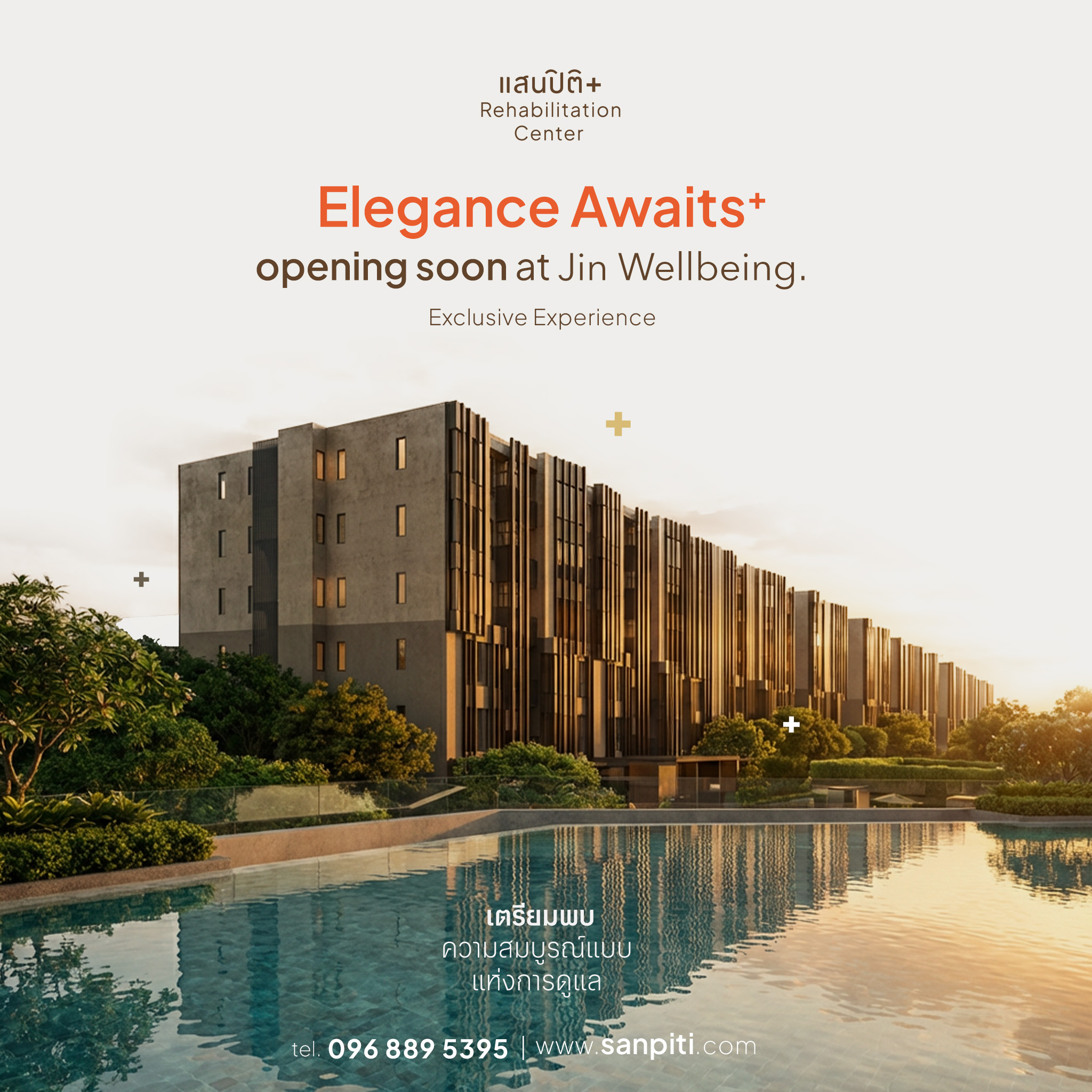
Sanpiti Rehabilitation Center is a hospital-based network specializing in stroke recovery. Established in 2020, the center operates 9 branches throughout Bangkok and surrounding areas. The flagship Jin Wellbeing center sits within a hospital building in the Bueng Kum district. This setup gives patients immediate access to hospital infrastructure. On-site facilities include an emergency room, a dialysis center, and intensive care units.
The hospital campus hosting the flagship center holds AACI accreditation for medical safety. The clinic also follows JCI standards for its clinical operations.
Quality is managed through the internal Sanpiti Academy, which performs monthly audits of clinical pathways across the entire network. Specialists use the Barthel Index every two weeks to measure functional recovery. This standardized protocol ensures consistent care across all 9 locations.
The clinic focuses on the "Golden Period" – the first 3–6 months after a stroke. Its intensive inpatient model provides 2–3 physical therapy sessions daily. Care is led by 7 physicians, including neurologists and PM&R (Physical Medicine and Rehabilitation) specialists.
The medical team reports that 87% of intensive care patients recover enough to walk and care for themselves. Treatment plans integrate several specialized methods:
The center also provides orthopedic rehabilitation for patients recovering from hip, knee, or cardiac surgery. Programs are adjusted based on regular functional reassessments.
Sanpiti uses a "Triple-Technology Stack" to support physical therapy outcomes. These non-invasive tools stimulate brain and muscle tissue without surgery or anesthesia. The clinic has hospital-grade diagnostic tools, including in-hospital CT and MRI scanners.
Available treatment technologies include:
Physicians supervise all neurostimulation sessions, which typically occur 3–5 days per week. These technologies are combined into individualized plans to speed recovery during the inpatient stay.
The center treats patients from the United States, United Kingdom, Australia, and Singapore. The clinical team and patient coordinators are fluent in English. Medical reports come in English to support international insurance paperwork.
The center offers several logistics services:
Caregivers receive structured training before discharge. This helps families manage recovery at home once the inpatient program ends.
 Individual treatment program and cost estimate
Average answering time – 5 minutes
Individual treatment program and cost estimate
Average answering time – 5 minutes