


Thailand, Bangkok
Transcranial magnetic stimulation (TMS) in Sanpiti Rehabilitation Center
8
patients
chose clinic for Neurology Treatment
About the clinic
Transcranial Magnetic Stimulation (TMS) at Sanpiti Rehabilitation Center in Bangkok, Thailand, helps stroke patients regain movement and speech through non-invasive brain stimulation. A standard monthly inpatient rehabilitation package including TMS may cost around $800, while premium care at the AACI-accredited Jin Wellbeing branch is around $2,000. This therapy uses magnetic pulses to stimulate neuroplasticity, helping the brain re-map motor functions after an injury.
Advanced Brain Stimulation for Recovery
TMS is an FDA-approved method that uses electromagnetic waves to reach the brain without surgery. The device sends magnetic pulses at 1-2 Tesla to the motor cortex. This process helps the brain build new pathways, which is vital for patients with hemiplegia, aphasia, or swallowing difficulties. At Sanpiti, doctors recommend starting this treatment within the "Golden Period" of three to six months after a stroke for the best results.
Specialized TMS Protocol
Patients typically receive 10 to 20 sessions over two to four weeks. Each session lasts 20 to 40 minutes and occurs five times per week. The team schedules TMS exactly 30 minutes before physical therapy to prime the brain for exercise. Before starting, Dr. Songpot Tanprasert and the medical team perform a detailed assessment. They check for contraindications like metal implants and determine the specific motor threshold for each patient.
Integrated Stroke Rehabilitation
Sanpiti uses a unique triple-technology stack to speed up recovery. This approach combines TMS for the brain with Peripheral Magnetic Stimulation (PMS) and Extracorporeal Shockwave Therapy (ESWT) for the muscles. Dr. Songpot Tanprasert, a specialist in Physical Medicine and Rehabilitation, supervises all programs. Dr. Akkawit Charoenwanich, a neurologist, co-evaluates stroke patients to confirm they are suitable for stimulation therapy.
Inpatient Care Packages
The clinic offers two main monthly options for international patients:
- Standard Package: This costs around $800 and includes accommodation, three meals daily, 24-hour nursing, daily physical therapy, and TMS sessions.
- Premium Package: At around $2,000, this option provides a private room with Universal Design, two to three therapy sessions per day, and family accommodation. It also includes the full triple-therapy stack of TMS, PMS, and shockwave treatments.
The medical team tracks progress every five sessions. They use standardized scales like the Barthel Index and Fugl-Meyer to measure improvements in daily living and movement. You can request a consultation or leave a request on Bookimed to learn more about the stroke recovery programs in Bangkok.
Highlights
2020
Year of foundation
3 doctors
Most Popular Clinic for Transcranial magnetic stimulation (TMS)
200 patients per year
Get a free consultation

Sanpiti Rehabilitation Center

 Individual treatment program and cost estimate
 Average answering time – 5 minutes
Treatments prices in the clinic
Last price update – {{date}}. Prices may change depending on the medical case and the doctor's recommendations.
Neurology
| treatment | Price | |
|---|---|---|
| Transcranial magnetic stimulation (TMS) | Price on request |
Clinic Doctors
How are we doing?
1 of
3
Information about this clinic is full and clear
1
2
3
4
5
Strongly disagree
Strongly agree
Licences
Sanpiti Rehabilitation Center: more details about the clinic
Thailand, Bangkok
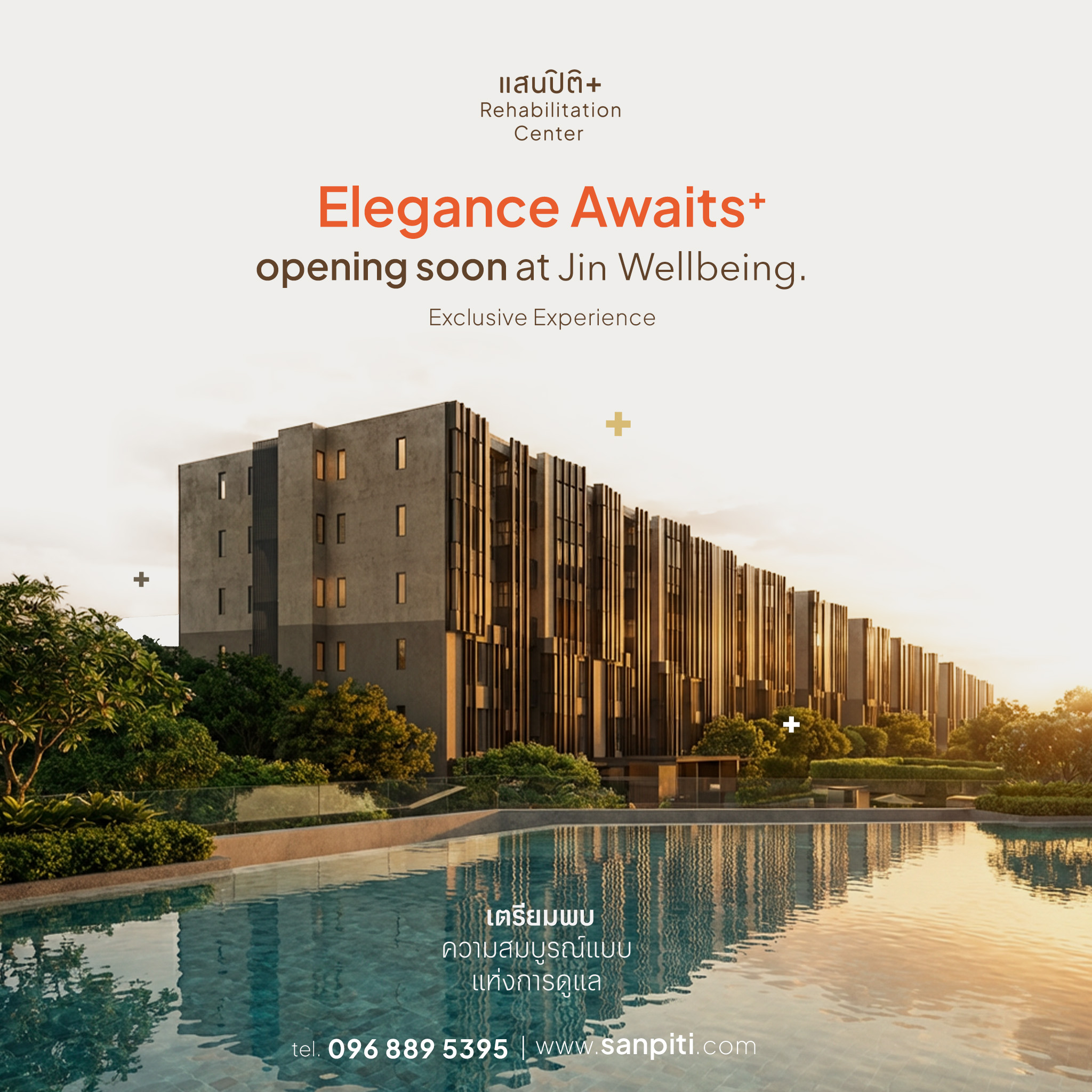
Sanpiti Rehabilitation Center (แสนปิติ) is a hospital-based inpatient stroke and neurorehabilitation network in Bangkok, Thailand. Founded in December 2020 by a physician and a physical therapist, Sanpiti operates 9 branches across the Bangkok metropolitan area and has cared for more than 5,000 families. Its international flagship is located at Jin Wellbeing County in Rangsit, inside an AACI-accredited hospital building.
Focus and Patient Pathway
Sanpiti focuses on post-acute stroke recovery, especially during the golden period of the first 3–6 months, while also accepting patients later after stroke following assessment. Patients stay as inpatients with 24-hour nursing care, and rehabilitation is planned and reviewed by Physical Medicine and Rehabilitation (PM&R) physicians.
Treatment Program
Each patient receives an individualized plan that may include:
- intensive physiotherapy, up to 2–3 sessions per day when appropriate;
- gait and balance training;
- occupational therapy for daily-living skills;
- swallowing and communication assessment;
- supporting technologies such as TMS, PMS and ESWT.
Progress is measured with the Barthel Index and functional tests, and families receive caregiver training before discharge. The average inpatient stay is about 2.6 months.
International Patients
English-speaking coordinators support international patients with treatment plans, medical documentation for visas, and family communication throughout the stay.
Additional services
Language assistance
Available
free
Accommodation
Hotel (apartments) near the clinic, billed daily
Patient reviews
5 Google
reviews
Joil Ak
Feb 5, 2026
I recently had knee surgery and was afraid of the pain when practicing walking, but the team here took great care of me. They gradually adjusted the training levels to suit me, and everyone encouraged me until I felt confident enough to walk on my own. The atmosphere was very friendly; it felt more like exercising with friends than a treatment center.
NATTAWADEE G.
Oct 31, 2025
At first, my father couldn't walk at all after suffering a stroke. The team here took great care of him, including the physical therapists and doctors. They always gave me encouragement every time I came to practice. Now, my father is starting to walk on his own. I'm really happy. The atmosphere in the center is warm.
Sansanee Noo
Oct 5, 2025
I chose this place because it's clean and odorless. The management seems systematic and orderly. The staff are very attentive. The service includes physical therapy, which is something you don't often find elsewhere. If you're looking for a place, I recommend this place.
P H
Oct 4, 2025
The facility is clean and meets standards, with a caring and attentive team, along with doctors and physiotherapists available for consultation.
Reports on patient movement and changes are provided. Patients are eating well and are in a safe environment, so there's nothing to worry about.
Awirut Maglai
Dec 7, 2025
Decent services but have a difficult time keeping their nurse staffs. Lack of continuous facility improvement (no elevator even with 3-floor building).
QG42+GP Bangkok, Thailand
updated 11/4/2026
Get a free consultation
Sanpiti Rehabilitation Center
Individual treatment program and cost estimate
Average answering time – 5 minutes
How it works:
- We find a medical coordinator familiar with the matter
- You get a personal offer with a step-by-step guide and the cost estimate
- We arrange your travel including appointment scheduling and flights booking
- You arrive at the hospital, we support you 24/7