Suzanna • Lung cancer
Armenia
Jul 12, 2022
Verified review.
About Bookimed service
Yes, thank you very much

Last updated: Jul 12, 2022
Chordoma care at Seoul National University Hospital in Seoul, South Korea, includes imaging, tumor testing, surgery, and radiation options. Neurosurgeon consultations may run around $100–$200, oncology consultations around $70–$100, and PET/CT around $1,500–$3,000. The hospital has dedicated Spine Tumor, Brain Tumor, and Musculoskeletal Tumor Centers.
Assessment can start with a neurosurgeon for a skull base or spine tumor, or with an oncologist. The Cancer Imaging Center offers MRI and CT work-ups, while PET/CT can help assess the disease. Molecular Pathology Center and Cancer Diagnosis Laboratory Center testing are also available.
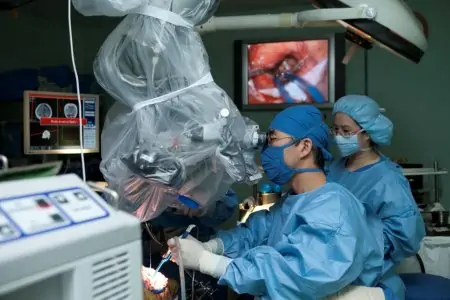
The Neurosurgery Department has worked since 1957 and performs 3,800 interventions each year. Its surgeons offer open or microsurgical tumor resection for skull base and spinal tumors. The hospital also plans care through its Spine Tumor, Brain Tumor, and Musculoskeletal Tumor Centers.
A multidisciplinary tumor board can combine surgical, radiation, and medical oncology planning. The hospital says a treatment schedule can be prepared within 24 hours through its coordinated care process. Patients can request a consultation through Bookimed to discuss which diagnostic and treatment options may fit their case.


 The clinic is not accepting new requests
 Average answering time – 5 minutes



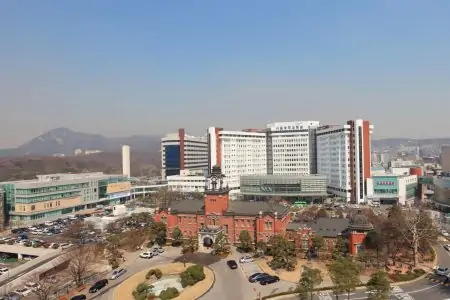
Seoul National University Hospital was established in 1989. Korea university hospital consists of the main hospital, children's hospital, cancer center, and scientific research center.
SNUH is located in Seoul, 20 km far away from the Gimpo International Airport.

Seoul University Hospital took the 1st place among other Korean medical centers according to the patients survey in 2018.
Seoul National University Hospital is the 1st in the country accredited by the Korean Government.

SNUH Cancer Center consists of 15 departments and 9 multidisciplinary centers. Each department specializes in diagnostics and treatment of specific diseases.
Scientists develop new drugs and treatment options at the SNUH Cancer Center. About 150 clinical trials were performed in 2018.
The survival rate after breast cancer treatment in Seoul National University Hospital is 91.9%. According to the SNUH data, this index is higher than average survival rate in the US hospitals (89.2%).
✔ 86.5% of cases the anus is preserved after removal of the large intestine tumor. For comparison, the Memorial Sloan Kettering Cancer Center (USA), top one within the country, shows 57% preservation rate.
✔ 65.4% patients do not face complications after the pancreas and duodenum removal. The survival rate after the intervention is 99%.
✔ In case of progressive laryngeal cancer, doctors preserve the patient's organ in 70% of cases. This is one of the highest indexes in the world.
✔ The success rate of the prostate cancer surgery is 96.6%.
Doctors of Seoul University Hospital specialize in benign and malignant blood diseases — leukemia, multiple myeloma, lymphoma, anemia, hemophilia.
The bone marrow transplant is performed at the center. Doctors perform the procedure for patients with blood forming abnormalities.
☑ Over 1,800 bone marrow transplant procedures have been performed. 1,000 of them are allogeneic (with donor cells), and 800 — autologous (with own cells).

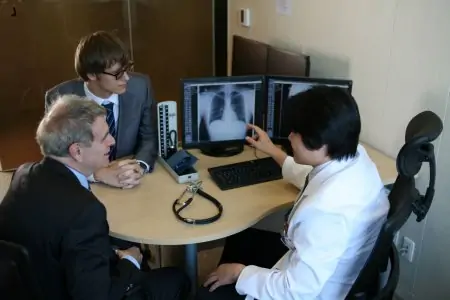
The team of oncologists discuss a patient's diagnosis, Seoul National University Hospital
The SNUH Neurosurgery Department has been working since 1957. Doctors specialize in the treatment of vessel diseases, brain tumors, spine pathologies.
☑ 3,800 neurosurgical interventions are carried out here annually. This Neurosurgery Department is the leading one in Korea regarding the number of surgeries and scientific publications (over 70 per year).
The GammaKnife Center works on the Neurosurgery Department premises. Doctors treat patients with direct irradiation, without skull openning or any other interventions. The Department is equipped with the latest GammaKnife device, which minimally affects the healthy tissues and reduces the risk of side effects.
☑ 90% is the success rate of radiotherapy according to the Seoul University Hospital data.
700 patients receive treatment with GammaKnife at SNUH annually.
The Cardiovascular Surgery Department has been working since 1968. It specializes in the heart and lung diseases treatment
The team of cardiac surgeons consists of 11 professors and 4 doctors.
☑ 2,500 cardiac surgeries are carried out every year. Heart bypass and cardiac valves surgeries are the most frequent.
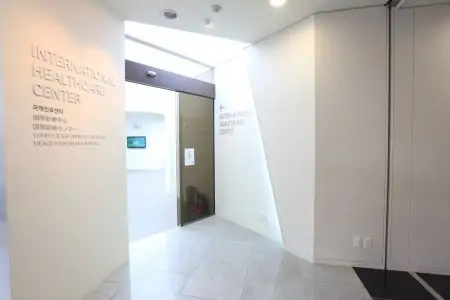
The Department was established in 1999 to coordinate international patients. It assists medical tourists 24/7.
The employees of the center speak English, Russian, Arabic, Chinese, Mongolic, Spanish.

Cantine, Seoul National University Hospital
Patients choose Seoul National University Hospital (SNUH) most frequently to treat the following conditions: Oncology, Plastic Surgery, Heart Surgery, Otorhinolaryngology/Ear, Nose and Throat(ENT), Neurosurgery, Endocrinology, Transplantology, Aesthetic Medicine and Cosmetology.
The most common procedures in the hospital are: Robotic da Vinci prostatectomy, Colectomy (large bowel resection), Lobectomy, Removal of liver cancer, Gastroectomy, Vaginoplasty, Coronary stenting, Cleft Lip or Palate Repair.
Suzanna • Lung cancer
 The clinic is not accepting new requests Average answering time – 5 minutes



