J. Ferdinand Escano
Oct 28, 2026
Excellent service….Dr . Boutruos is very knowledgeable and very professional. All of the employees are very professional. Will definitely give them all a thumbs up 5 stars ….
Phacoemulsification with intraocular lens (IOL) implantation is offered at The Eye Center in Northern Virginia, United States. The small-incision surgery is performed in an accredited in-office suite, and Dr. Ayman Boutros has completed 40,000+ vision-correction procedures.
The surgeon makes a 2–3 mm incision in the cornea. Ultrasound breaks up the cloudy lens, which is then replaced with an IOL. The incision seals on its own, without stitches or an eye patch.
Patients receive numbing eye drops and stay awake. Mild IV sedation is available. Surgery takes about 15–20 minutes per eye, and patients usually go home the same day.
Femtosecond laser-assisted surgery is another option. The laser creates incisions and softens the cataract.
Dr. Boutros was named one of the “Best Cataract Surgeons in America” in 2022. Dr. Darrell Reisner, associate director, is also an ophthalmologist and cataract and refractive surgeon. He holds doctorates in optometry and medicine and completed an ophthalmology residency at Georgetown.
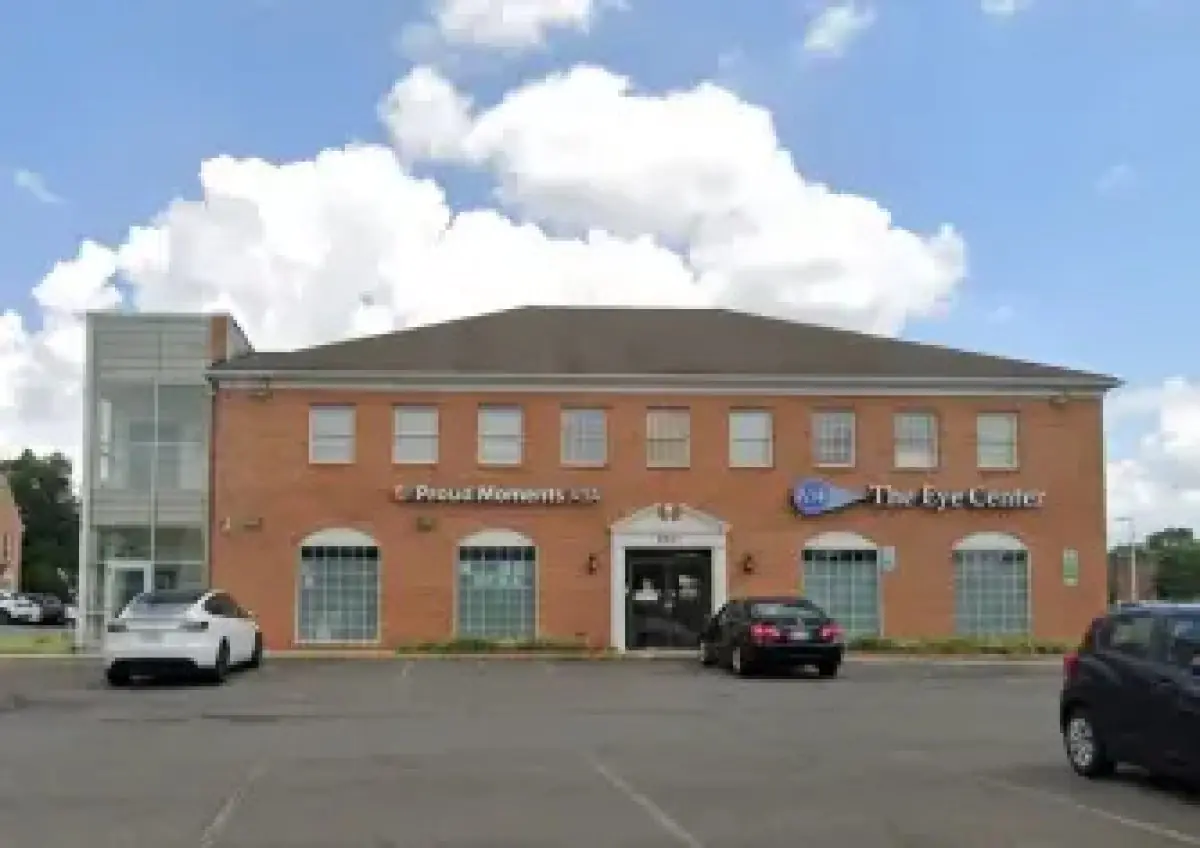
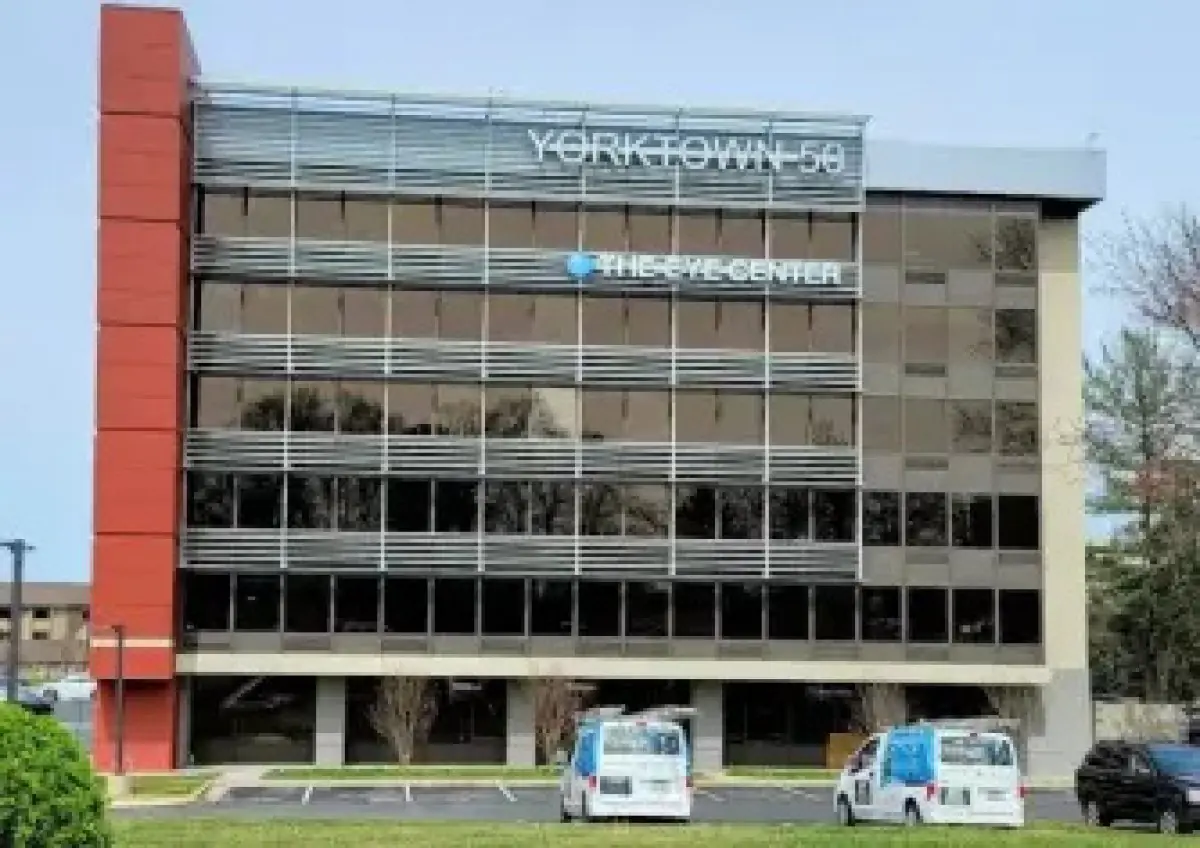
The accredited in-office surgery suite was built with iOR Partners and has completed 1,000+ procedures. The Eye Center describes it as Virginia’s first suite of its kind. Its Northern Virginia offices are in Sterling, Leesburg, Fairfax, Alexandria, and Manassas.
Before surgery, patients have a dilated eye exam and measurements of corneal curve and eye length. These measurements help the surgeon choose the IOL power. Patients must not eat or drink after midnight before surgery.
Follow-up is usually scheduled for the day after surgery, one week later, and one month later. Vision often improves within 1–2 days. A glasses prescription is usually given at 4–6 weeks.
Patients are advised to avoid heavy lifting, swimming, and bending for one week. The second eye is typically treated 1–4 weeks after the first. To explore whether this procedure may suit your needs, request a consultation through Bookimed.


 The clinic is not accepting new requests
 Average answering time – 5 minutes
| treatment | Price | |
|---|---|---|
| Oculoplastics (Oculoplastic surgery) | Price on request | |
| Vitrectomy | Price on request | |
| Retinal detachment surgery | Price on request | |
| Laser eye surgery | Price on request | |
| LASIK eye surgery | Price on request | |
| Cataract surgery with IOL replacement | Price on request | |
| Cataract surgery (one eye) | Price on request | |
| Laser iridotomy | Price on request | |
| Photocoagulation | Price on request | |
| Cataract surgery (both eyes) | Price on request | |
| IntraLase Laser Eye Surgery | Price on request | |
| Photorefractive keratectomy | Price on request | |
| Strabismus treatment | Price on request | |
| Amblyopia treatment | Price on request | |
| Laser trabeculoplasty | Price on request | |
| Glaucoma treatment | Price on request | |
| Phacoemulsification with IOL implantation | Price on request | |
| Femtosecond laser | Price on request | |
| IOLs implantation | Price on request | |
| Low Vision Rehabilitation | Price on request | |
| Femto LASIK (Femtosecond laser LASIK) | Price on request |
Founder and Medical Director Dr. Ayman Boutros leads a team of 88 doctors. He has personally performed over 40,000 vision-correction procedures. Dr. Boutros was among the first surgeons to offer iDesign 2.0 wavefront technology.
The clinic maintains high standards in refractive surgery. The reported enhancement rate for touch-up procedures is under 1.5%. Dr. Boutros holds the VISX Star Surgeon distinction – a recognition held by fewer than 100 surgeons nationwide. He was also named among the Best Cataract Surgeons in America in 2022.
The refractive department focuses on all-laser, bladeless iLASIK. Surgeons use a two-laser process. First, a femtosecond laser creates the corneal flap in roughly 45 seconds. Then the excimer laser reshapes the tissue in less than 10 minutes.
Clinical outcomes for myopia correction include:
For patients who don't qualify for LASIK, the center offers PRK and EVO Visian ICL (implantable lenses).
Retina specialists manage conditions such as macular degeneration and diabetic retinopathy. They perform pars plana vitrectomy using instruments smaller than two millimeters. This outpatient procedure removes the vitreous gel to repair the retina. For retinal detachments, the team offers pneumatic retinopexy and scleral buckling.
The oculoplastics department is led by Dr. Tamer Mansour. He completed fellowship training through the American Society of Ophthalmic Plastic and Reconstructive Surgery. Dr. Mansour treats disorders of the eyelids, orbit, and tear-drainage system. Blepharoplasty procedures typically take one to three hours under local anesthesia.
Dr. Christina L. Butera leads the pediatric ophthalmology division. She was the first full-time pediatric specialist in Loudoun County. The department treats newborns through teenagers for conditions including:
Treatment plans for children include patching, atropine drops, and muscle-realignment surgery. Pediatric specialists use targeted lights and scanners to evaluate eye structures in infants.
The practice operates an accredited in-office surgery suite for cataract procedures. Patients receive surgical care from their regular medical team in a familiar setting. Surgeons use phacoemulsification to remove cataracts and replace them with advanced intraocular lenses.
Diagnostic capabilities across the five locations include:
Specialists use VISX Iris Registration to keep laser alignment precise during vision correction. These imaging tools let doctors compare eye maps over time to track chronic diseases.
The Eye Center manages all appointments through a centralized U.S.-based system. All medical providers and patient coordinators consult in English. Patients receive personalized recovery plans and post-operative instructions through a digital platform. The clinic supports international visitors with follow-up care at any of the five regional offices.
 The clinic is not accepting new requests
Average answering time – 5 minutes