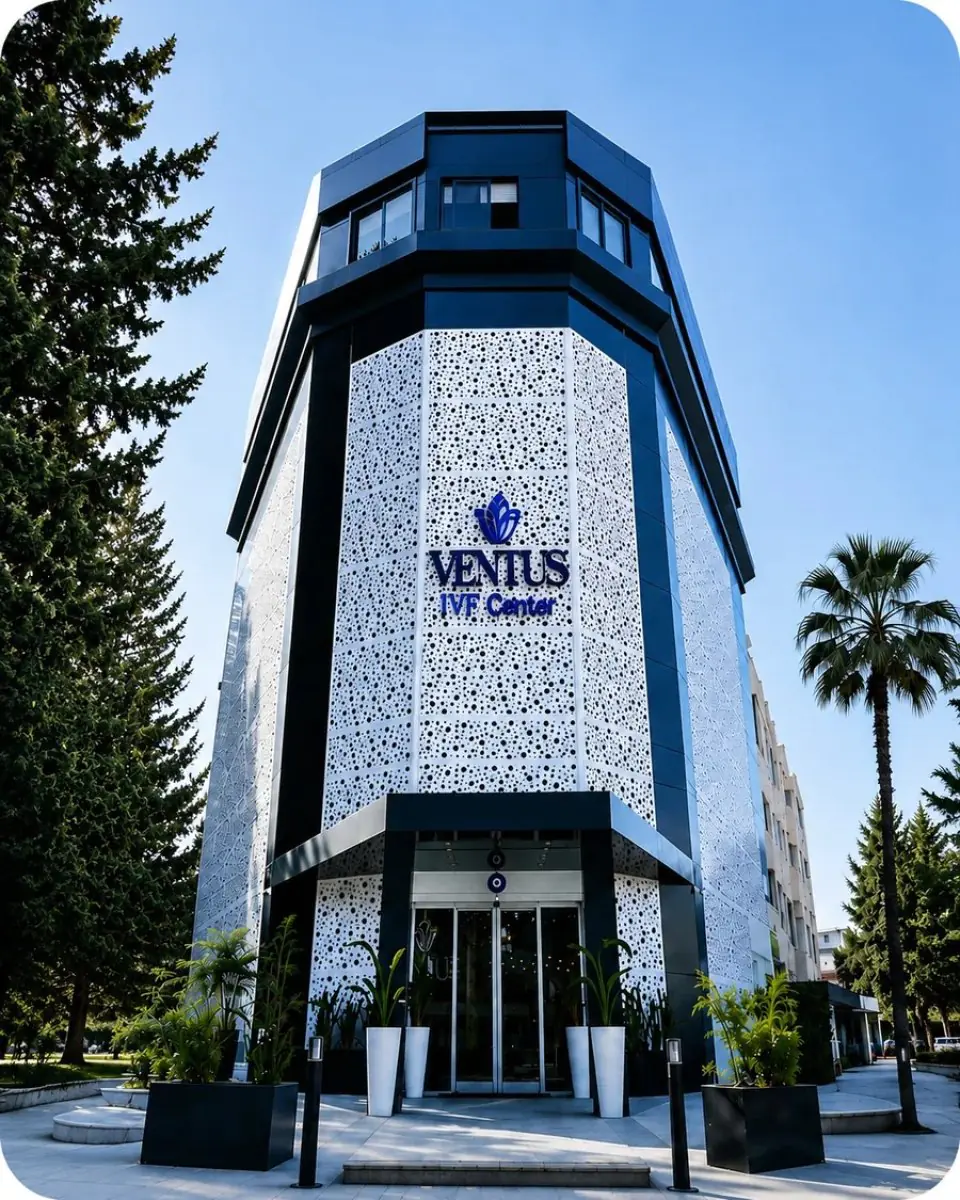
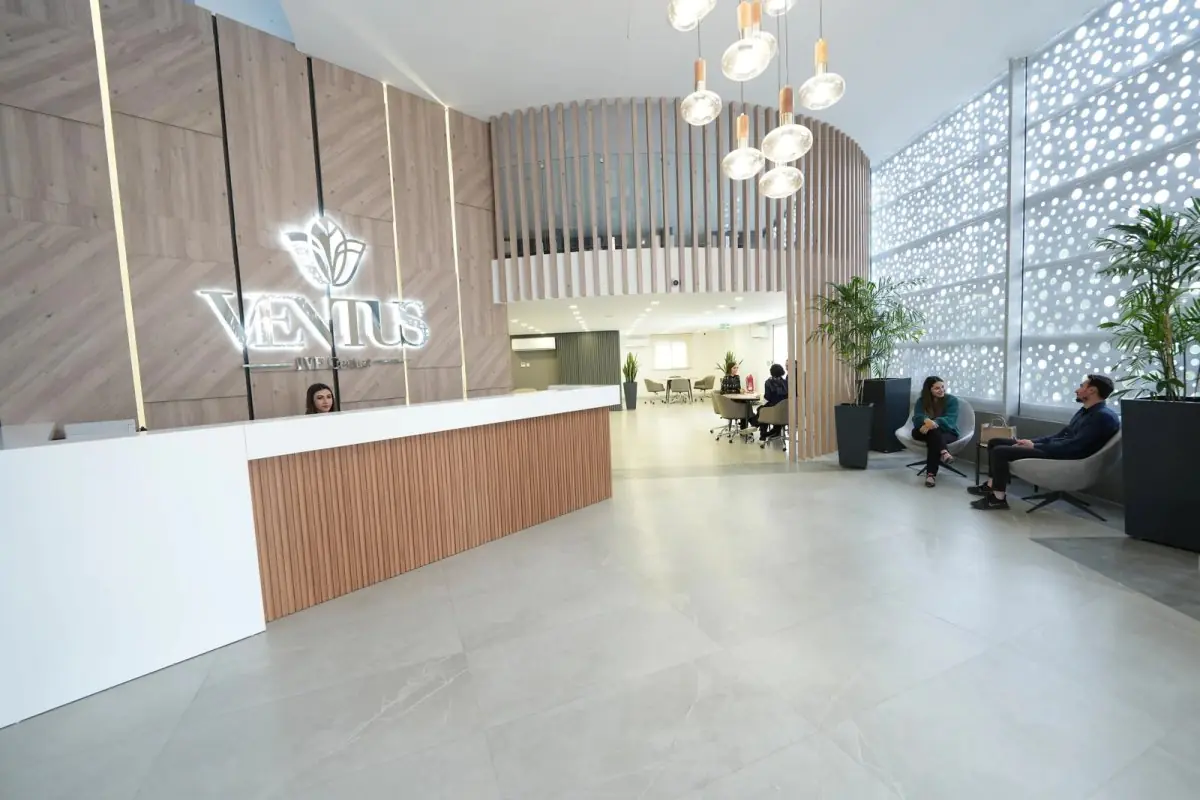
Northern Cyprus , Lefkosa
Preimplantation genetic diagnosis (PGD) in Ventus IVF Center
3
accreditations
hospital certificates of quality
About the clinic
Preimplantation genetic diagnosis (PGD) at Ventus IVF Center in Nicosia, North Cyprus, provides a detailed genetic screen of embryos to identify chromosomal or single-gene risks. The center utilizes a CAP-accredited laboratory and next-generation sequencing (NGS) to analyze samples before embryo transfer. This diagnostic process is managed by a multidisciplinary team, including specialists in reproductive endocrinology and clinical genetics.
Diagnostic Scope and Methods
The examination involves taking a small number of cells from an embryo at the blastocyst stage to check for specific genetic conditions. The clinic offers three variations of preimplantation testing:
- PGT-A. Screens for missing or extra copies of chromosomes.
- PGT-M. Tests for specific single-gene conditions based on family history.
- PGT-SR. Assesses chromosomal risks for parents with known structural rearrangements like translocations.
The Diagnostic Process
The procedure begins with an IVF or ICSI cycle to create embryos, followed by a trophectoderm biopsy performed by an embryologist. The clinic uses an EmbryoScope+ time-lapse imaging system to monitor embryo development. While genetic analysis is performed using the NGS platform, the embryos are preserved via vitrification. To ensure accuracy, the facility uses chip-based identification and electronic witnessing to track samples from the biopsy tube to the final report.
Specialist Team
Dr. Çağrı Oğur leads the genetics and medical innovation department with over 20 years of experience in clinical genetics. The team also includes Assoc. Prof. Dr. Beril Yüksel, an IVF specialist focusing on reproductive endocrinology, and Prof. Dr. Münevver Serdaroğulları, who directs the scientific quality processes for PGT. Embryology Laboratory Director Zafer Atayurt manages the biopsy and sample identity matching to maintain precise results.
Timeline and Results
Patients typically stay in Cyprus for 10 to 14 days for the ovarian stimulation and egg collection phase. Genetic counseling and initial assessments can be conducted remotely. Once the biopsy is complete, the genetic results may take several days or longer to process. A multidisciplinary team reviews the findings to prioritize suitable embryos for a future frozen embryo transfer. Patients can request a consultation to discuss a personalized testing plan through Bookimed.
Highlights
2009
Year of foundation
6 doctors
Get a free consultation

Ventus IVF Center

 The clinic is not accepting new requests
Submit your request to get the best option in Northern Cyprus
 Average answering time – 5 minutes
Treatments prices in the clinic
Last price update — 29.03.2025. Prices can be changed depending on the medical case and doctor's recommendations.
Reproductology
| treatment | Price | |
|---|---|---|
| Testicular sperm aspiration (TESA) | $2236.76 | |
| Embryo Donation | $8947.05 | |
| Testicular sperm extraction (TESE) | $3355.14 | |
| Embryo Transfer | $2236.76 | |
| Cryopreservation of sperm | $559.19 | |
| Genetic test for aneuploidy up to 8 embryos | Price on request | |
| Embryo cryopreservation | Price on request | |
| Egg Cryopreservation Annual Maintenance | Price on request | |
| Artificial Insemination | Price on request | |
| ICSI (IntraCytoplasmic Sperm Injection) | Price on request |
Clinic Doctors
Fertility specialist
Obstetrician-gynecologist
How are we doing?
1 of
3
Information about this clinic is full and clear
1
2
3
4
5
Strongly disagree
Strongly agree
hospital accreditations of quality
European Society of Human Reproduction and Embryology
BE,
European Society of Human Reproduction and Embryology certificate for Ventus IVF Center
ISO 9001:2015 Quality management systems
,
ISO 9001:2015 Quality management systems certificate for Ventus IVF Center
ISO 45001 (Occupational Health and Safety Management)
,
ISO 45001 (Occupational Health and Safety Management) certificate for Ventus IVF Center
Ventus IVF Center: more details about the clinic
Northern Cyprus , Lefkosa
Ventus IVF Center is a private fertility clinic established in 2009 in Nicosia, Northern Cyprus. The center focuses on assisted reproductive medicine with a primary emphasis on laboratory quality and specimen safety. It serves patients from the United Kingdom, Turkey, and across Europe.
Accreditations and Clinical Safety Standards
The facility maintains a CAP-accredited embryology laboratory through the College of American Pathologists. This accreditation covers patient identification, specimen labeling, and cryopreservation. The laboratory also adheres to several international standards:
- ISO 9001 for quality management
- ISO 15189 for medical laboratory standards
- ESHRE certification for reproductive medicine
- ISO 14001 for environmental management
- ISO 45001 for occupational health and safety
To protect identity safety, the center uses electronic witnessing and chip-based identification. These systems track gametes and embryos from the culture dish to the transfer catheter. This adds verification at every step to prevent errors.
Reproductive Medicine and IVF Success Rates
The reproductology department creates personalized protocols for IVF, ICSI, and various donation programs. Assoc. Prof. Dr. Beril Yüksel oversees treatment plans. She specializes in reproductive endocrinology and PGT applications. The center reports high success outcomes:
- IVF Treatment: 70% cumulative pregnancy rate and 60% live birth rate
- Egg Donation: 91% cumulative pregnancy rate and 80% live birth rate
- Sperm Donation: 93% cumulative pregnancy rate and 76% live birth rate
- Embryo Donation: 92% cumulative pregnancy rate and 82% live birth rate
Scientific Director Dr. Munevver Serdarogullari co-authored research for ESHRE. Dr. Zafer Atayurt manages laboratory quality and traceability. The team also participates in next-generation research using transcriptomic and genomic data for embryo assessment.
Advanced Laboratory Technologies
The center uses EmbryoScope+ time-lapse imaging for continuous embryo monitoring around the clock. This lets the team record development without removing embryos from the stable incubator. HEPA filtration and strict VOC control systems protect the laboratory environment further.
Specialists use AI-assisted assessment to evaluate oocytes, sperm, and embryos. The AI ranks imaging data, but the physician and embryology team make all final transfer decisions. For sperm preparation, the lab offers microfluidic techniques to select motile sperm when appropriate.
Urology and Male Infertility Services
The urology department addresses complex male factor infertility, including azoospermia (absence of sperm). Diagnostics involve hormone tests, genetic screening for Y-chromosome microdeletions, and scrotal ultrasound. When sperm production is impaired, the center offers several surgical retrieval methods:
- Micro-TESE – microscopic testicular sperm extraction
- TESE – standard testicular sperm extraction
- PESA – percutaneous epididymal sperm aspiration
- MESA – microsurgical epididymal sperm aspiration
Retrieved sperm can be used for ICSI or frozen for future cycles. The team also assesses modifiable factors such as varicocele (enlarged scrotal veins) and hormonal abnormalities. These findings help determine whether reconstruction or assisted reproduction is the best next step.
Services for International Patients
Ventus IVF Center provides dedicated support for patients traveling to Cyprus for treatment. The international department offers online consultations for preliminary assessments and medical record reviews. Staff coordinate the following logistics:
- Coordination of flights to Ercan International Airport
- Travel and accommodation planning
- Remote monitoring of local ultrasound and blood test results
- Interpretation services in English, Turkish, and Russian
Patients can submit embryo reports or uterine ultrasound results digitally before their trip. After returning home, the clinic continues support through remote follow-up and result reviews. All documentation can be translated into the patient's language upon request.
Additional services
Language assistance
Available
free
Accommodation
Hotel (apartments) near the clinic, billed daily
Patient reviews
5 Google
reviews
Safk Filk
Oct 1, 2026
I had a very positive experience. The team was kind, professional, and always supportive throughout the process. I felt well cared for from the beginning.
Sharazad Arashi
Apr 28, 2026
This place make my dream come true.I don’t have enough words to express my gratitude. Thank you for everything you have done for me to meet my little angle.
Azzan Mohamed
Jun 4, 2025
If you read this reviewe I want to tell you this is the right place for IVF in Cyprus. I don’t even know where to begin because no words can truly express our gratitude to Ventus IVF Center and the incredible team that made our dream come true. After 16 long years of waiting, hoping, and struggling and many doctor refused my wife cause because it was complicated and endometriosis made it worst, my wife is finally pregnant in our first attempt, all thanks to Dr.Beril , my amazing coordinator Mrs.Amal , and the entire Ventus IVF team.
From the very first day, we felt like we were in the best and most professional. hands. Dr.Beril. handled everything with such expertise and care.
The entire staff at Ventus IVF is beyond amazing. They treat their patients not just as numbers but with genuine care and compassion, as if they were taking care of their own loved ones. Every single person I encountered was warm, kind, and reassuring.
With just one IVF cycle with them, by the will of God and with Ventus IVF’s help, our dream has finally come true after a long journey of struggling in a lot of clinic in America. My wife and I will always be grateful to you. We will never have enough words to thank you for what you have done for us.
If you are looking for an IVF clinic that truly cares and provides outstanding medical expertise, Ventus IVF is the place to go.
From the bottom of our hearts, thank you
Lola
May 16, 2025
The best decision of my life was to choose Venus IVF Center among many other IVF clinics. We endured 11 difficult years in United States of America without results and with Ventus IVF Center it worked on the first attempt and I am Seven weeks pregnant.So,all the way from United States of America I want to say thanks for Ventus IVF Center for their emotional support appreciation as we know IVF can be emotionally overwhelming, but Dr. Beril Yuksel always made me feel heard and cared for. I truly appreciate the emotional support and personalized care.Also, our coordinator Mrs. Amal she is wonderful and and kind all of the team who work their make you feel like the they are your family.They are going to provide you with all the pictures for your embryos everyday until 5th day and at the end they will give you USB Flash Drive that includes your ultrasound and embryos development they make you inform with every step they will make it.
Tania M Hodges
Dec 3, 2024
As a former patient of Dr.Markus Nitzschke , he is the perfect definition of a patient centered doctor. He always has the patient’s best interest at heart from initial consult , lab work , diagnosis , relentlessly offering alternative options for metabolic disorders , irregular menstruation, hormonal acne ,obesity all of which I had on the initial consult and he is always an advocate for patient's rights as well as giving them a voice to be involved in their treatment care plan . I always had excellent treatment outcomes and he is also amazing at patient education after many unsuccessful experiences with other doctors. He has helped me overcome my discomfort with doctors
in general and spared me the unnecessary hysterectomy and unwarranted surgeries. I am still applying his medical protocols up until now and his excellent care has made me consider my future medical specialisation in Reproductive Medicine.
He is such a talented medical genius , great young doctor who is a husband and father to his amazing family. Overall a role model citizen. All in all the IVF Ventus Team led by Dr. Beryl is 5 star
Tania
Medical Student
International European University
European School of Medicine
96 Bedrettin Demirel Avenue, Nicosia 99010, North Cyprus

updated 10/26/2026
Get a free consultation
Ventus IVF Center
The clinic is not accepting new requests
Submit your request to get the best option in Northern Cyprus
Average answering time – 5 minutes
How it works:
- We find a medical coordinator familiar with the matter
- You get a personal offer with a step-by-step guide and the cost estimate
- We arrange your travel including appointment scheduling and flights booking
- You arrive at the hospital, we support you 24/7