Hospital de la Familia
Hospital de la Familia
Mexico, Mexicali
Joaquin Ayala Del Muro
33 years of experience

Clinic is certified : 


Medically reviewed by
Fahad Mawlood
Arm lift (brachioplasty) in Mexico typically costs from $3,000 to $4,100. Final pricing depends on the surgical technique, such as a mini or extended lift, and the clinic location. Patients save around 68% compared to the US, where the average price is $11,000. Most Mexican clinics include surgeon fees, anesthesia, a hospital stay, and compression garments in their quotes. Major medical hubs for this procedure include Tijuana, Cancun, Mexico City, Guadalajara, and Monterrey.
Bookimed Expert Insight: Choosing a clinic with international credentials offers the best balance of safety and value. For instance, Marroquín & Sandoval Plastic Surgery Clinic and José Cortés Institute are accredited by ASPS and AMCPER. At José Cortés Institute, patients benefit from a specialist recognized as Mexico's most valued plastic surgeon. Many top-tier facilities, like Innovare Hospital, even provide luxury recovery houses for post-surgical care. This level of integrated service ensures a smoother recovery without the high overhead costs found in the US.
| Mexico | The USA | Turkey | |
| Arm lift (brachioplasty) | from $2,960 | from $8,000 | from $4,356 |
Arm lift (brachioplasty) in Mexico can offer significant cost savings, but it's crucial to weigh the potential benefits against the risks.
| Pros | Cons |
|---|---|
| Lower costs. Arm lift in Mexico costs $2,960–$4,090 versus $6,000–$10,000 in the US, with savings up to 31.8%–70% depending on location and clinic. | Safety concerns. Potential risks include infection (2–5%), hematoma, or delayed wound healing, similar to US rates when performed by qualified surgeons. |
| Qualified surgeons. Surgeons are certified by the Mexican Council of Plastic Surgery (CMCPER), often with 20–33 years' experience and US or European fellowship training. | Follow-up care. Post-surgical care may be harder to manage from abroad, but clinics offer telemedicine and coordinated discharge plans to support recovery. |
| Modern facilities. Accredited hospitals in hubs like Tijuana and Mexicali use equipment from US brands (Stryker, Medtronic) and hold COFEPRIS or ISO certifications. | Different regulatory standards. COFEPRIS standards differ from the FDA. However, top clinics meet international standards and follow FDA-aligned protocols. |
| Comprehensive packages. Typical pricing includes surgeon, anesthesia, facility, pre-op labs, meds, and local transportation, reducing out-of-pocket surprises. | Scarring risk. Brachioplasty leaves a visible scar from elbow to armpit. Proper aftercare and experienced surgeons help minimize its appearance. |
| Personal coordinator support. Bookimed’s medical coordinator helps compare clinics, request personalized quotes, and manage treatment logistics at no additional cost. |
It's crucial to thoroughly research clinics and verify surgeon credentials before making a decision. When performed by qualified surgeons in accredited facilities, arm lift in Mexico can offer a balance of affordability and quality care.
The best arm lift (brachioplasty) clinics in Mexico are accredited by the CMCPER, upholding high clinical standards in cities like Guadalajara, Mexicali, and Los Algodones. According to Bookimed’s ranking, the top clinics are Hospital de la Familia, Marroquín & Sandoval Plastic Surgery Clinic, and Hospital Cyntar Tijuana. They stand out for board-certified plastic surgeons, ISAPS and ASPS accreditations, and performing 300+ procedures annually. When choosing a provider, look for Federación Ibero Latinoamericana de Cirugía Plástica membership, Consejo Mexicano de Cirugía Plástica certification, and proven patient satisfaction, with cost-effective care. Always consult a qualified plastic surgeon before making a decision.
Hospital de la Familia Marroquín & Sandoval Plastic Surgery Clinic
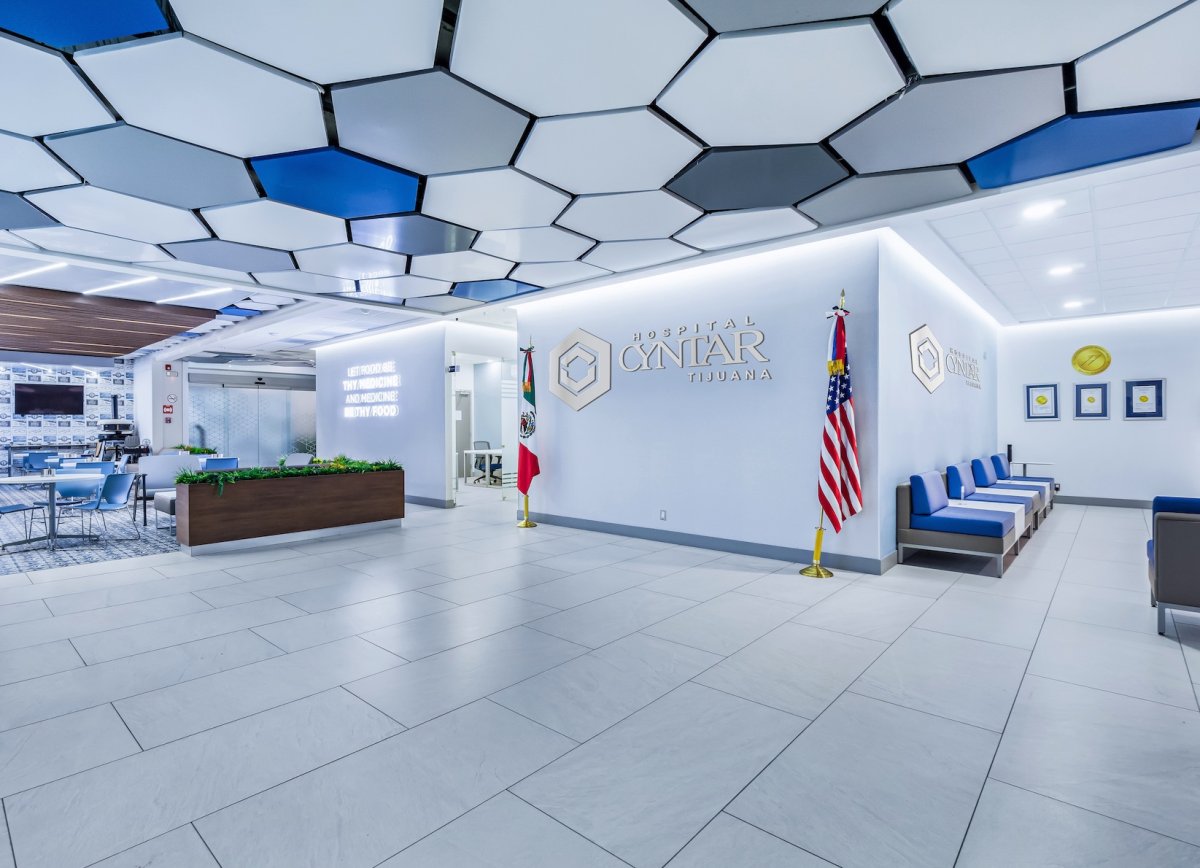 Hospital Cyntar Tijuana
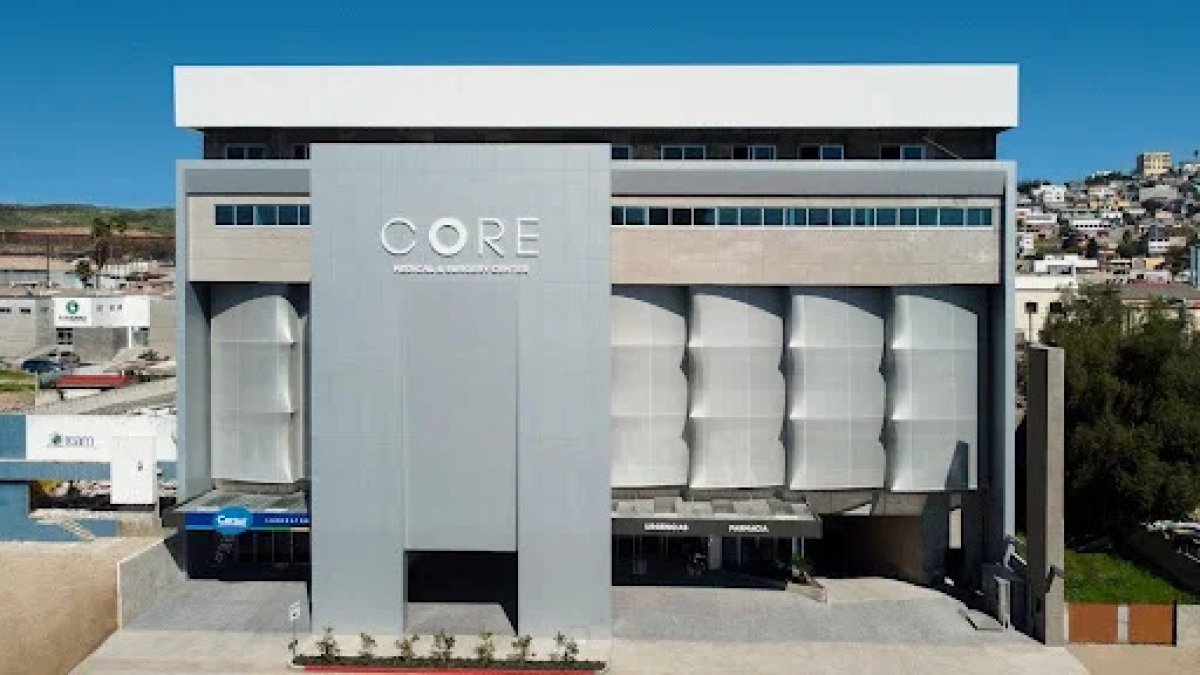 Advance Health Medical Center
 José Cortés Institute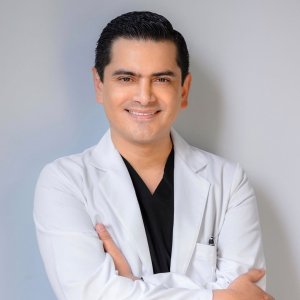
Dr. Fer Cravioto is a board-certified plastic, aesthetic, and reconstructive surgeon based in Interlomas, Mexico City. He focuses on upper-face plastic surgery and breast surgery. Key procedures include forehead reduction, brow lift, facelift, rhinoplasty, and breast augmentation.
He uses the Premiere Facial Harmonization Method. It combines individualized planning and 360° facial analysis and aims for natural, balanced results. International patients receive support from virtual consu
Dr. Joaquin Ayala Del Muro is a board-certified plastic surgeon at Hospital de la Familia. He is best known for complex facial rejuvenation and body contouring procedures. Dr. Ayala Del Muro completed a fellowship in Brazil under the late Ivo Pitanguy. He maintains a medical record with zero lawsuits or patient deaths.

Dr. Sandoval specializes in plastic and reconstructive surgery, with a focus on achieving natural-looking results at Marroquín & Sandoval Plastic Surgery Clinic.
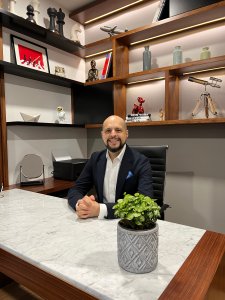
Dr. Alexandro Aguilera is a highly decorated plastic surgeon with international recognition for his reconstructive expertise.
Anna LeonovaAfter major weight loss, or a weight-loss drug like Mounjaro, loose upper-arm skin often stays behind. An arm lift, or brachioplasty, removes that excess skin so your arms match your new shape. In Mexico, the surgery costs about $3,000–$4,100. That's roughly 70% less than the $8,000–$14,000 you'd pay in the United States.
Board-certified plastic surgeons work across a network of 25+ verified clinics in Mexico, giving patients a range of options when choosing where to have the procedure.
The right technique depends on one thing: whether your skin can still bounce back. Fat and skin behave differently, so this helps determine which approach will give you the best result.
Liposuction alone suits younger patients with extra fat but firm, elastic skin, a so-called Type I arm. It removes excess fat while the skin naturally adapts to the new contour. When the skin has lost elasticity, as can happen after major weight loss, an arm lift may be a better fit because it also addresses the excess skin.
A liposuction-assisted arm lift does the deep liposuction first to thin the fat, then removes only skin. Keeping the two steps separate protects the blood vessels and lymph channels. That lowers swelling and the risk of fluid building up in the arm long-term. For lasting arm contouring, this skin-removal step is what delivers the result.
The surgical technique can also affect the recovery and complication rate. In a meta-analysis of arm-lift studies, adding liposuction lowered some complications, while an incision placed toward the inner arm raised the risk. Some Mexican clinics also use Vaser ultrasound liposuction for better skin tightening and less bleeding. Marroquin & Sandoval is one example.
Here is how the two approaches compare:
| Liposuction alone | Liposuction-assisted arm lift | |
|---|---|---|
| Who it fits | Localized fat with firm, elastic skin (Type I arm) | Loose, hanging skin after major weight loss |
| Effect on loose skin | Removes fat only; loose skin stays | Removes the excess skin for a firmer contour |
| Swelling and healing | Small entry points, quick recovery | Liposuction is performed first to help preserve blood vessels and lymphatic channels, which may reduce swelling |
An arm lift in Mexico works best when your weight and health are steady. A surgeon checks a few things before agreeing to operate – here is what matters most.
Surgeons generally recommend maintaining a stable weight for 6 to 12 months before surgery. Later swings can loosen the new contour. Steady weight and not smoking most affect how well an arm lift heals, notes Cleveland Clinic.
Smoking or vaping is the single biggest risk to fix first. Nicotine narrows the small vessels that feed the skin, which slows healing and can pull a wound apart. Most surgeons ask patients to stop 2 to 4 weeks before and after surgery.
A surgeon may advise against the operation, or delay it, in a few situations:
A history of thick, raised scars is also worth mentioning, since arm movement places tension on the incision line. Heart or clotting conditions, diabetes, and a planned pregnancy are discussed at the same visit. The in-person consultation then measures your skin elasticity, fat thickness, and how much loose skin you have. That measurement shows which technique fits.
Loose folds of arm skin trap moisture and rub together. That rubbing causes constant chafing, recurring rashes, and irritated skin between the folds. Removing the excess skin relieves this directly, so the benefit is as much practical as cosmetic.
The gains show up in research too. In studies using patient-reported scores, patients describe better quality of life, physical function, and body image after an arm lift. Most people rate this everyday comfort above their concern about the scar, the same outcome data shows.
Across 1,578 patients, about 96% avoided a wound infection, and about 98% had no nerve-related problems. If complications do occur, they are usually minor and treatable.
The most common minor issues are:
A separate review of 1,065 patients found that over 70% of patients avoid even minor problems. The rate of revision surgery varied by technique, ranging from 0% to 21%. About 7.5% of patients later choose a touch-up. Most of these are minor aesthetic refinements rather than repeat surgery for a medical complication.
One of the main things you can influence is how your scar heals. Avoiding nicotine and limiting strenuous arm movement early on can help protect the wound as it heals. Your choice of clinic matters too. Bookimed's Mexico network of 25+ verified clinics includes internationally accredited hospitals. One example is the JCI- and GHA-accredited Hospital Cyntar Tijuana.
An arm lift can affect small sensory nerves along the inner arm. These nerves carry sensation, so temporary numbness or changes in skin sensitivity can occur around the incision, especially early in recovery. Sensation usually improves as the area heals.
The main sensory nerve in this area is the medial antebrachial cutaneous nerve, which supplies feeling to the inner forearm. Nearby sensory nerves supply the inner upper arm and the area around the armpit. Knowing their location helps the surgeon plan the incision carefully and preserve normal sensation as the arm heals.
Lasting change is uncommon. A Mayo Clinic study found that about 95% of patients recover normal sensation. That is why an experienced surgeon and careful technique matter. Liposuction-assisted techniques and detailed knowledge of arm anatomy can help support a smooth recovery and preserve sensation.
Among Bookimed's Mexican surgeons, Dr. Alexandro Aguilera is board-certified by Mexico's plastic surgery board (CMCPER). He subspecializes in hand and peripheral-nerve microsurgery, with around 3,000 operations behind him.
It is common to combine an arm lift with a tummy tuck or other body procedures in one trip. This can be a practical option when the surgeon considers the overall procedure time and your individual health.
Two safety limits guide combined surgery, set by the American Society of Plastic Surgeons. Combined outpatient surgery should stay under 6 hours of anesthesia; for anything longer, surgeons operate in a hospital where you stay overnight. And once expected blood loss reaches 500 cc, the team keeps blood available on-site.
Blood loss can increase when several procedures are performed together. Thigh liposuction adds about 200–240 cc, a tummy tuck about 200–300 cc, and a lower body lift about 400–500 cc. Together, that can reach 800–1,040 cc. That is beyond the safe outpatient level, so a large post-weight-loss restoration should be done in a hospital.
Surgeons combine as many procedures as your health safely allows, so you go through fewer operations and fewer recoveries overall. Anesthesia time and expected blood loss are what set the limit. An arm lift plus a tummy tuck is a common combination, since the two procedures address different areas of the body. On the other hand, a full body lift together with an arm lift usually requires turning the patient over mid-surgery. The body lift works on the back, while the arm lift is done with the arms held out to the side. Each change of position adds time under anesthesia. For this reason, surgeons generally stage these two procedures across separate sessions.
Both arms and the torso are restricted afterward. After a combined case, you may need a dedicated helper, or nurse-supported recovery, for the first 7 to 10 days. For larger surgical plans, a hospital with inpatient beds can provide appropriate support during the initial recovery period.
Choosing an arm lift surgeon in Mexico is easier when you know which qualifications to look for. A board-certified plastic surgeon completes 13 to 15 years of hospital training. A general or "aesthetic" doctor may have only 6 to 7 years plus short cosmetic courses. Those courses do not qualify someone for full plastic surgery.
A qualified Mexican plastic surgeon holds two licenses. One is the general medical license, the Cédula Profesional. The other is the plastic-surgery specialty license, the Cédula de Especialidad. On top of those comes active board certification from Mexico's plastic surgery board, CMCPER. That certification is renewed every 5 years.
Every surgeon in Bookimed's Mexico network is board-certified. Your coordinator can confirm a specific surgeon's licenses and hospital privileges for you. For example, Dr. Israel Villalobos Blasquez holds CMCPER board certification alongside his federal surgical licenses.
The hospital matters as much as the surgeon. A qualified facility holds a valid COFEPRIS license and recognized accreditation such as JCI or Mexico's CSG. It also has an on-site intensive care unit.
Mexico offers two popular destinations for arm-lift surgery and recovery. Where you go depends mostly on where you fly from and how complex your surgery is.
Here's how they compare:
| Tijuana | Cancun | |
|---|---|---|
| Best for | West Coast patients; shorter trips | East-Coast, Canadian, and European patients; complex cases |
| How you arrive | Private ground transport from San Diego | Direct flight into a resort city |
| Climate | Dry, easy on early healing | Humid and tropical; air conditioning is useful for comfort |
| Setting | Recovery accommodations near the border | Accredited hospitals with resort-style care |
In Tijuana, Advance Health Medical Center runs a dedicated recovery house with transport from San Diego airport. In Cancun, the JCI-accredited Riviera Institute For Plastic Surgery is one fly-in option with hospital-grade care.
Plan a minimum of 10 to 14 days in Mexico before a long-haul flight. Swelling peaks around Day 4. Any surgical drains stay in until the fluid drops to a safe level, Cleveland Clinic notes.
Flying too early raises the risk of a blood clot, so a few precautions help:
One practical point: standard travel or health insurance may exclude elective cosmetic surgery and related complications. If you want coverage for complications, check whether your package includes dedicated complication insurance and arrange it before you travel if needed.
Plastic surgery in Mexico is safe when performed by surgeons certified by the Mexican Council of Plastic, Aesthetic and Reconstructive Surgery (CMCPER). High safety standards are maintained at facilities like the JCI-accredited Riviera Institute, though patients must account for mobility restrictions and follow-up care during their recovery in Mexico.
Bookimed Expert Insight: While many seek low prices, the safest path is choosing specialized plastic surgery hubs over general hospitals. For instance, Innovare Hospital in Zapopan functions as a dedicated plastic surgery complex with 40+ correlated specialists and an on-site luxury recovery house. This setup significantly reduces risks by providing 24-hour nursing and immediate access to redundant surgical teams if a complication arises.
Patient Consensus: Patients emphasize that success depends on vetted board certifications rather than social media ma
Verify a Mexican plastic surgeon by confirming two government-issued licenses and active board certification. Legitimate surgeons must hold a general medicine license and a specific specialty license in plastic surgery. Cross-reference these credentials through the National Registry of Professions and the Mexican Council of Plastic Surgery.
Bookimed Expert Insight: Top-tier surgeons in Mexico prioritize transparency by listing their professional license numbers directly on their profiles. Dr. Israel Villalobos Blasquez, for example, provides his specific Cédula and CMCPER numbers for public verification. Clinics like Marroquin and Sandoval or Jose Cortes Institute maintain multiple international accreditations, including ASPS and FILACP. This level of credentialing is a reliable signal of surgical quality and safety standards.
Patient Consensus: Patients emphasize reque
Brachioplasty or an arm lift involves surgically removing excess sagging skin and localized fat from the upper arms. Surgeons reshape the underlying supportive tissue using internal sutures. This procedure creates a more contoured, toned appearance between the underarm and the elbow.
Bookimed Expert Insight: Mexican clinics like Innovare Hospital utilize dedicated recovery houses with 24-hour nursing care. Such specialized aftercare is vital because basic movements like dressing or reaching are restricted. High-volume centers in Mexico typically perform thousands of body contouring procedures annually.
Patient Consensus: Visible scarring is the primary trade-off for most patients. Recovery feels more restrictive than painful, making simple tasks like hair washing unexpectedly difficult during the first weeks.
Recovery after an arm lift in Mexico typically spans 6 to 12 months for full maturation. Most patients return to desk work within 10 to 14 days, while initial swelling and bruising peak during the first 2 weeks before gradually subsiding.
Bookimed Expert Insight: While many focus on pain, data from over 3,000 procedures by surgeons like Dr. Alexandro Aguilera show functional limitation is the primary hurdle. Choosing a clinic like Hospital de la Familia near the border simplifies the transition home during the first 7 days when simple tasks like dressing are most difficult.
Patient Consensus: Many find the first week a mental stretch due to tightness and fatigue, rather than intense pain. Having dedicated help for 2 weeks is vital since basic movements like reaching for a seatbelt or washing hair are unexpectedly challenging.
Arm lift surgery in Mexico always results in permanent scarring along the inner or back arm. Certified Mexican plastic surgeons use hidden closure techniques and precise tension management to ensure these marks fade and flatten significantly during the standard 24-month healing period.
Bookimed Expert Insight: Look for clinics like Innovare Hospital that offer specialized post-surgical recovery houses. These facilities provide professional lymphatic drainage and wound care during the critical first week. Proper early management in Mexico significantly prevents the incision stretching that often causes wider, more Noticeable scars later on.
Patient Consensus: Many see the permanent scar as a fair trade for firmer arm contours. While early redness causes temporary concern, patients report the most satisfying aesthetic results after the 18-month mark.
Mexico arm-lift packages include the surgical fee, anesthesia, operating room use, and pre-operative lab tests. Most clinics bundle compression garments and initial medications into a single price. Comprehensive deals often add private airport transfers and 1 to 2 nights of hospital stay for monitoring.
Bookimed Expert Insight: Clinics in Mexicali and Guadalajara often include recovery house stays rather than just hotels. Hospital de la Familia offers boutique private rooms near the border. Our data shows Guadalajara clinics like Marroquín & Sandoval emphasize ultrasonic technology for better skin retraction.
Patient Consensus: Patients value packages that organize transport and recovery housing to minimize travel stress. Many suggest confirming exactly how many g
Most patients should plan to stay in Mexico for 10 to 14 days after an arm lift. This window allows surgeons to monitor wound healing, manage surgical drains, and perform initial suture removal before clearing you for a safe return flight home.
Bookimed Expert Insight: While many clinics like Hospital de la Familia are steps from the border, flying home requires more caution. Staying 10 days is safer than 7 because arm lift swelling often peaks on day 4. Facilities like Innovare Hospital in Zapopan offer 38 beds and dedicated recovery suites, which are vital for managing the restricted arm mobility common in the first week.
Patient Consensus: Patients emphasize building in extra time for drain removal and wound checks. They frequent recommendations for booking wheelchair assistance because lifting luggage or reaching overhead is extremely difficult during the initial flight home.
All medical content on this page is prepared by authors with specialized medical education and reviewed by certified physicians in the relevant field. Medical review by Fahad Mawlood, Medical Editor & Data Scientist.
Last updated: 09/07/2026.
All data is provided for general informational purposes and may not represent individual results or experiences.