Bone resection in Thailand: costs, clinics and reviews
Bookimed lists 7 bone resection clinics in Thailand, in Bangkok and Pattaya, including JCI-accredited and ISO-certified clinics. These clinics are rated 4.6/5 in 156 verified patient reviews on Bookimed.

Last updated: 11/13/2026

Medically reviewed by
Yesim Yildirim
How it works
Bookimed is free for patients – clinics pay us a commission, and you pay the clinic its own price with no markup. Five steps to your bone resection in Thailand:
Share your case
Tell us about your condition and share your latest scans and medical reports.
Get treatment plans
Your coordinator finds clinics that match your needs and helps you choose. Your preferred clinics then send personalized treatment plans and quotes for you to compare.
Plan your trip
We set treatment dates that work for you and help arrange your flights and accommodation. If needed, we request a visa support letter from the clinic.
Visit the clinic
The clinic team performs your bone resection on the agreed dates. We support you throughout your trip.
Recover at home
You can fly home 2–4 weeks after surgery, and your functional result takes shape over 6–12 months. Your coordinator stays in touch and helps arrange a follow-up if you need one.
Some clinics ask for a deposit. A $200 or €200 deposit paid through Bookimed comes off your clinic bill and is refundable up to 10 calendar days before your visit. A deposit paid to the clinic follows its own terms.
Bone resection Prices by Clinic in Thailand









B.Care Medical Center



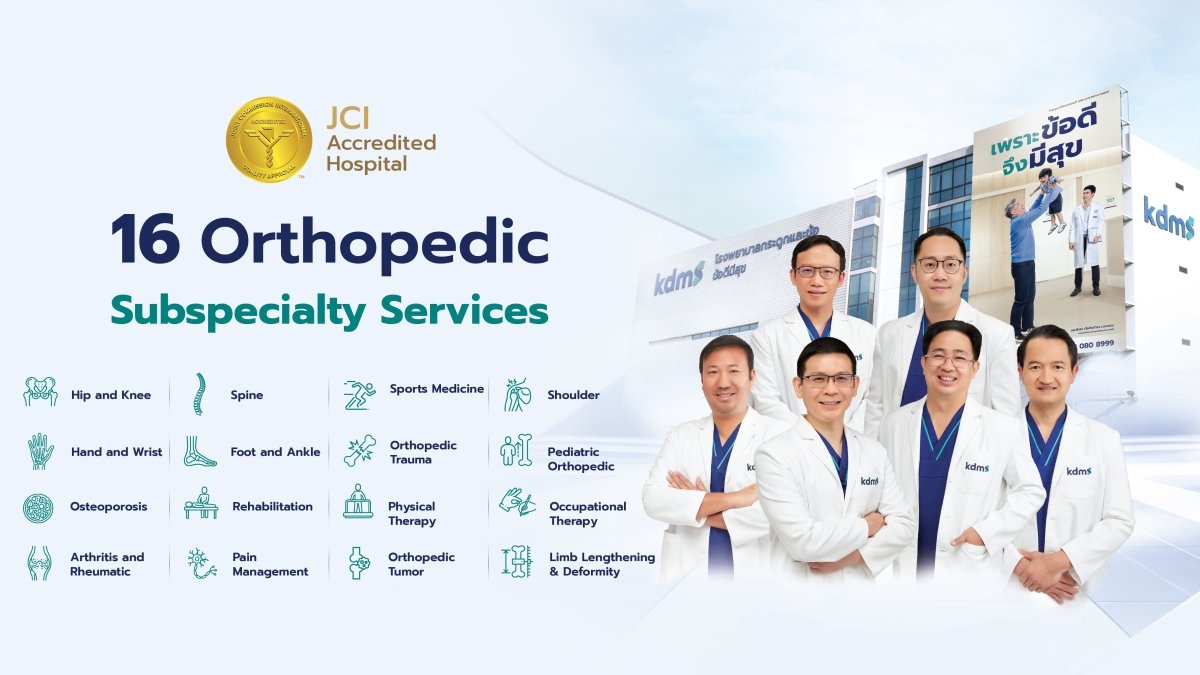
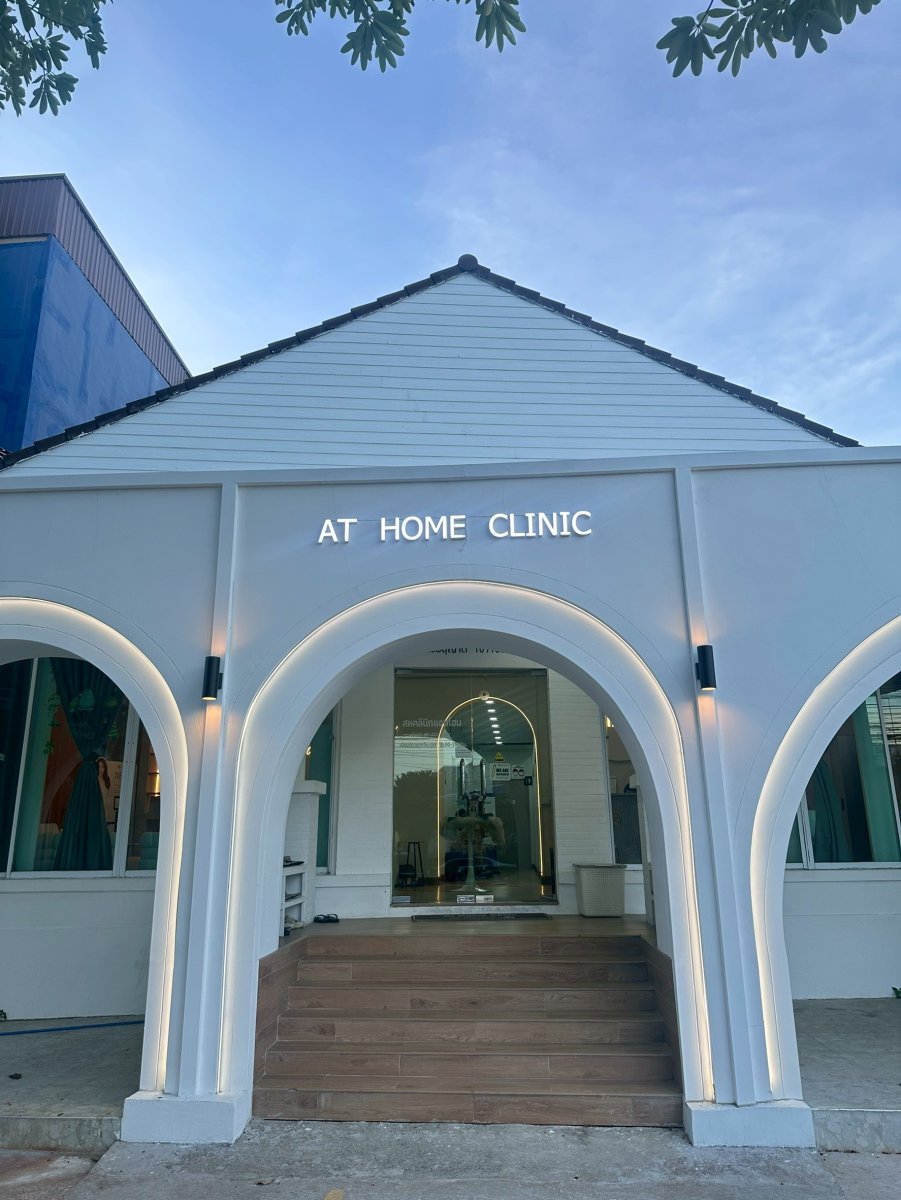
Dentist at home, Bangkok

Dentist at Home Clinic Chonburi
Get matched with the best doctors for Bone resection
Tell us about your needs — and get 3 tailored offers from top doctors for you.
Do you have any medical records related to your issue?
Direct prices from clinics
Free evaluation of your medical case
Free personal assistance 24/7
Thailand Bone resection overview
Cost and clinics
| Typical bone resection price in Thailand | Clinics | Accreditations | Cities | Bone resection surgeons |
|---|---|---|---|---|
| $4,500 / ฿153,000–$7,500 / ฿255,000 | 7 clinics | JCI (4 clinics), ISO (3), GHA (1), TEMOS (1) | Bangkok (0 clinics), Pattaya (0) | 1 surgeon |
The procedure
| Before the trip | Time in Thailand | Operation time | Anesthesia | Back to desk work | Final result |
|---|---|---|---|---|---|
| Get imaging and biopsy, pre-op assessment, chemotherapy if needed, and discuss reconstruction | 2–4 weeks, including 7–14 nights in hospital | 3–8 hours | General | 6–17 weeks | 6–12 months |
How much does a Bone resection cost in Thailand?
Bone resection in Thailand is estimated from $4,500 / ฿153,000 to $7,500 / ฿255,000, not a clinic quote. Final costs depend on the bone area, procedure scope, surgical complexity, facility tier, and city.
| Thailand | Turkey | Austria | |
|---|---|---|---|
| Bone resection | ≈ $4,500 / ฿153,000 | from $9,000 / ฿306,000 | ≈ $7,500 / ฿255,000 |
| Resection of bone with implant replacement | ≈ $9,000 / ฿306,000 | from $12,000 / ฿408,000 | ≈ $18,000 / ฿612,000 |
| Hemipelvectomy | ≈ $18,500 / ฿629,000 | ≈ $24,000 / ฿816,000 | ≈ $38,000 / ฿1,292,000 |
How to choose a Bone resection clinic in Thailand
For bone resection in Thailand, first narrow clinics by city, then meet the surgeon who will operate, review similar-case results, and confirm qualifications and facility standards.
What to check
City shortlist
Bookimed lists 7 clinics for bone resection in Thailand – compare options in Bangkok and Pattaya.Surgeon consultation
Before traveling, review your medical history with the specialist and confirm the person you meet will perform the key steps, not just assist.Past cases
Ask about similar cases and request before-and-after results from that specialist.Credentials check
Confirm the surgeon is licensed by the Medical Council of Thailand, with specialty training and recognized orthopedic certification – ask about facility accreditation. Bookimed's top-ranked clinics include 4 with JCI accreditation.
Discover Bone resection Clinics in Thailand
| Clinic Name | Patient Rating | About | Accreditations | Lead Doctor | Techniques |
|---|---|---|---|---|---|
| Bumrungrad International Hospital Bangkok | 4.6 (131 reviews) | Bumrungrad International Hospital is a globally recognized orthopedic center performing bone resection procedures. The hospital is ranked among the world's top medical facilities with specialized surgical teams and advanced orthopedic technology. It serves over 1 million patients annually, including international patients from 190+ countries. | ISO, JCI, GHA | — | MRI of the spine cord, CT (computer tomography) |
| B.Care Medical Center Bangkok | 4.9 (15 reviews) | B.Care Medical Center offers bone resection for rhinoplasty with an all-inclusive package that may cost around 165,000 THB – typically covering surgery, 1-night accommodation, meals, and post-op care. The Thai Medical Council-recognized hospital has specialized in plastic surgery since 1999. Dr. Anuchit Kitsombat focuses on reconstructive procedures, including precise nasal bone osteotomy using open rhinoplasty techniques. | — | — | — |
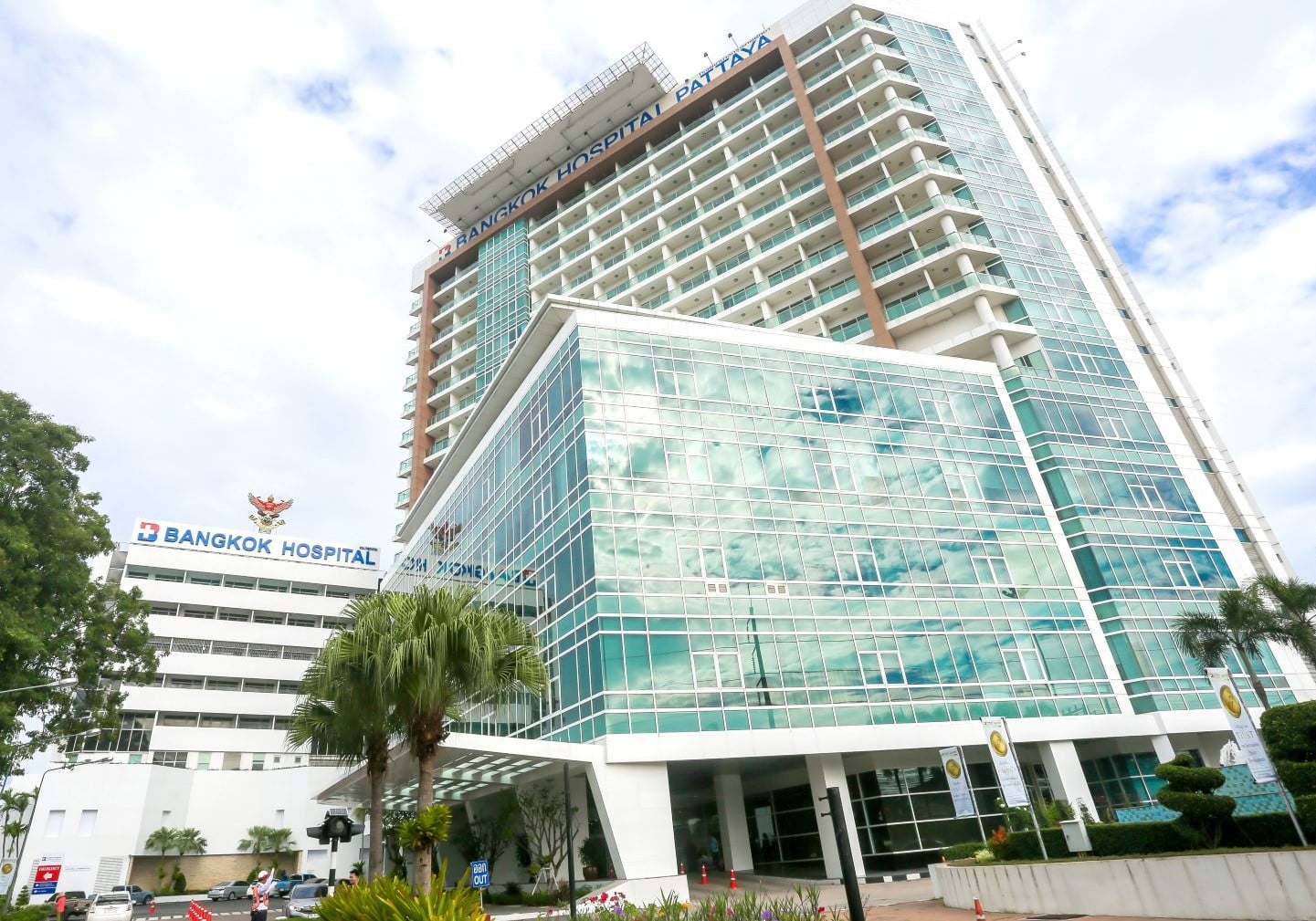
| Bangkok Hospital Pattaya Pattaya | 4.0 | Forty percent of international medical tourists pick Bangkok Hospital Pattaya. It treats over 400,000 patients yearly from 150 countries and holds JCI accreditation. Part of the Bangkok Dusit Medical Services group, its top specialties are cardiology and cosmetic surgery. Heart Center performs coronary bypass surgery without a heart-lung machine. Received the Prime Minister's Export Award for services to international patients. Digital Mammogram with Tomosynthesis offers 2D and 3D breast imaging in 10 seconds with less pain. 128-Slice CT scans coronary arteries in 4 seconds with 90% accuracy. Accredited by TEMOS and certified under ISO 9001 by TÜV NORD. | JCI, ISO, TEMOS | — | — |
Our Doctors
View all Doctors
Nichakorn Seehirunwong
Dr. Seehirunwong specializes in diagnostic radiology at Intrarat Hospital, ensuring precise imaging for bone resection procedures.
- Graduated from Prince of Songkla University's Faculty of Medicine
- Certified in Diagnostic Radiology from the same institution
- Expert in interpreting medical imaging tests for accurate diagnoses
- Provides consultations to guide appropriate imaging tests and treatments
Where to get a Bone resection in Thailand
Bangkok has 0 clinics for bone resection in Thailand, giving you a wider choice and access to robotic techniques. Suvarnabhumi Airport is 25 km from downtown Bangkok, while Don Mueang Airport is 23 km from the Grand Palace, offering two arrival options.
Bone resection recovery timeline: what to expect week by week
You can fly home 14–28 days after discharge, after a wound check and with your surgeon’s approval, depending on your mobility and risk of blood clots. You may need 42–120 days off work, with desk work possible earlier than manual work. Light, low-impact exercise may resume after 12–26 weeks once bone or graft healing allows, while impact sports may remain restricted long term depending on reconstruction. Your functional result develops over 6–12 months, depending on the site and reconstruction.
Hospital stay
Pain control, drain and wound care, and early movement with physical therapy begin in the hospital. Some clinics use cold packs for swelling, while you protect the operated limb or avoid putting weight on it.
Weeks 2–6
As your wound heals, stitches may be removed and guided range-of-motion exercises begin. You may fly home 14–28 days after discharge after a wound check and your surgeon’s approval. Use crutches or a brace as instructed, and avoid driving and lifting.
Weeks 6–12
Your team gradually increases weight-bearing and strengthening as healing allows. Follow the staged plan and avoid impact activity for now.
Months 3–12
You return to daily activities and work gradually while imaging checks monitor your recovery. Avoid high-impact sports during this stage.
When to contact your clinic: Contact your clinic for wound redness, swelling, or pus, or for severe pain that does not improve with medicine. A fever higher than 101°F also needs prompt clinic advice. For chest pain or sudden breathlessness after a long flight, seek emergency help locally.
Traveling to Thailand for a Bone resection
Bone resection in Thailand: Video Reviews from Bookimed Patients
Thailand Bone resection Reviews at Bookimed: Discover Patients' Insights
View allShare this content
 Anna Leonova

FAQ about Bone resection in Thailand
Is bone resection in Thailand safe, and what are the potential risks or complications?
Bone resection in Thailand is safe when performed at facilities accredited by Joint Commission International (JCI). High safety standards are maintained at centers like Bumrungrad International Hospital through advanced technologies like robotic surgery and iodine-coated implants, which actively reduce infection risks during complex orthopedic oncology or reconstructive procedures.
- Infection control: JCI-accredited hospitals utilize specialized coatings and sterile protocols to minimize surgical site infections.
- Healing monitoring: Surgeons track bone union progress to prevent hardware failure or graft integration issues.
- Neurological safety: Advanced digital imaging helps surgeons avoid nerve or vascular damage during bone removal.
- Clot prevention: Facilities mandate supervised rest for 7 days to mitigate deep vein thrombosis risks.
Bookimed Expert Insight: While many seek bone resection for savings, the real value in Thailand is surgeon volume. Bumrungrad International Hospital treats over 1 million patients annually, meaning their orthopedic teams manage rare complications more frequently than many Western suburban centers. This high-repetition environment often leads to better refined surgical techniques and faster identification of post-operative healing delays.
Patient Consensus: Patients emphasize vetting surgeon case logs for 100+ similar procedures and recommend getting travel insurance that specifically covers medical evacuation. Common feedback highlights the benefit of English-speaking staff but warns that recovery often requires a full week of local stay before flying.
How should I choose a qualified orthopedic surgeon and hospital in Thailand for bone resection?
Select an orthopedic surgeon in Thailand certified by the Thai Board of Orthopedic Surgery with subspecialty fellowships in musculoskeletal oncology. Prioritize JCI-accredited facilities like Bumrungrad International Hospital or Bangkok Hospital Pattaya to ensure international safety standards and access to multidisciplinary tumor boards.
- Surgeon credentials: Verify fellowships in orthopedic oncology or reconstructive surgery from US or UK institutions.
- Hospital accreditation: Ensure the facility holds Joint Commission International (JCI) or Global Healthcare Accreditation (GHA).
- Technology access: Choose centers offering robotic-assisted surgery, digital imaging, and advanced limb-salvage reconstruction techniques.
- Case volume: Confirm the surgeon performs over 100 similar bone resections to ensure clinical proficiency.
Bookimed Expert Insight: While top-tier facilities like Bumrungrad serve over 1 million patients annually, mid-tier hospitals often offer a better balance of personalized aftercare. Data shows these institutions frequently include specialized post-operative physiotherapy in their recovery plans. This detail is crucial for successful long-term mobility after complex bone resections.
Patient Consensus: Patients emphasize that hospital accreditation is a non-negotiable filter to avoid post-operative infections. Many recommend budgeting for a 4-to-6 week stay to complete essential monitoring and professional physical therapy.
What results can I expect after bone resection, and how long until full recovery?
Bone resection results include permanent removal of diseased or damaged bone with full recovery typically taking 6 to 12 months. Patients achieve initial wound healing within 2 weeks, while osseointegration and structural remodeling for weight-bearing activities require 3 to 6 months in specialized Thai centers.
- Early healing: Swelling and bruising typically subside within 14 days post-surgery.
- Mobility milestone: Basic movement or light chewing usually resumes between 4 and 8 weeks.
- Bone fusion: Internal regeneration and graft integration stabilize during months 3 to 6.
- Full maturation: Complete bone density and high-impact functionality return after 12 months.
Bookimed Expert Insight: While US costs average $40,000, Thailand's JCI-accredited facilities like Bumrungrad International Hospital offer the same precision for $4,500. Data shows that 50% of their 1 million annual patients are international. This high volume often leads to more refined post-op protocols for long-distance travelers. This includes extended inpatient monitoring which is vital for early infection detection.
Patient Consensus: Many patients report significant facial or limb swelling for the first month. Most advise budgeting for 9 months of physical therapy to regain full walking strength.
Am I a good candidate for bone resection, and what pre-operative tests are required?
Good candidates for bone resection in Thailand include patients with malignant tumors, symptomatic benign growths, or severe chronic infections. Eligibility requires stable physical health to handle major surgery and imaging showing reachable margins. Clinics like Bumrungrad International Hospital utilize Joint Commission International standards to determine surgical suitability for international patients.
- Tumor profile: Primary cancers or metastases must allow for clear surgical margins.
- Functional status: Patients must possess adequate health for limb-salvage or reconstructive recovery.
- Core imaging: Surgeons require CT or MRI scans from the last 3 months.
- Bone health: A DEXA scan evaluates density for patients over 50 years old.
- Systemic safety: Standard blood panels and EKG ensure safe anesthesia for major procedures.
Bookimed Expert Insight: While many Thai centers like Sikarin Hospital or Bangkok Hospital Pattaya hold Joint Commission International accreditation, pre-op panels can vary. Some facilities may skip specific screenings like DEXA scans or coagulation studies unless requested. Always ask for a full metabolic panel and bone density check to ensure long-term implant stability.
Patient Consensus: Patients emphasize that surgeons prioritize those committed to 6–12 months of strict rehabilitation. Successful candidates often coordinate cardiac and pulmonary clearances in their home country before traveling for surgery.
What does a typical bone resection package in Thailand include?
Bone resection packages in Thailand typically include surgeon fees, anesthesia, operating room charges, and 1 to 3 nights of hospital stay. These bundles often incorporate pre-operative blood work, X-rays, nursing care, and initial physical therapy to ensure safe mobilization before discharge.
- Medical team: Covers primary surgeons, assistants, and anesthesiologists at JCI-accredited facilities.
- Hospital stay: Includes private inpatient rooms, standard nursing services, and specialized recovery meals.
- Diagnostic imaging: Packages typically bundle essential post-operative X-rays or CT scans for monitoring.
- Patient logistics: Leading centers like Bumrungrad International provide airport transfers and multi-language interpreters.
Bookimed Expert Insight: While base prices start at $4,500, sophisticated reconstructions requiring implants or hemipelvectomies can reach $31,000. Patients often overlook that specialized hardware like titanium plates is frequently billed separately from the core package. Choosing a TOP-10 global hospital like Bumrungrad ensures these technical logistics are handled seamlessly.
Patient Consensus: Patients emphasize requesting a written English breakdown to confirm if post-discharge medications are included. Many suggest budgeting 20% extra for potential room upgrades or extended recovery stays not covered by the initial bundle.
How long will I need to stay in Thailand, and what is the typical recovery schedule?
Patients undergoing bone resection in Thailand should plan for a 7 to 14-day stay. This timeframe ensures essential post-operative monitoring, wound care, and clearance for air travel. Specialized centers like Bumrungrad International Hospital provide JCI-accredited care for complex orthopedic and oncologic resections.
- Hospital stay: Expect 3–7 days of inpatient care depending on the resection complexity.
- Initial recovery: Peak swelling and discomfort typically occur during the first 3–5 days.
- Suture removal: Surgeons usually perform in-person stitch removal around day 7 or 10.
- Activity levels: Patients often return to light desk work within 2–4 weeks post-surgery.
Bookimed Expert Insight: Data from major Thai centers shows that extending Your stay to 14 days is safer than rushing. Clinics like Bangkok Hospital Pattaya manage high volumes, which streamlines the 7-day clearance process. Staying near the clinic after discharge prevents expensive emergency visits once you return home.
Patient Consensus: Many suggest budgeting for a hotel near the clinic for at least 2 weeks. They emphasize that prioritizing the day 7 check-up is much more critical than saving on accommodation costs.
Last review: 11/13/2026
Yesim Yildirim — 20 years of experience Medical oncologist, ESMO certified
Have a question about Bone resection in Thailand?
Ask a Bookimed medical coordinator about prices, clinics, techniques or your case. Write to us in the messenger you already use.
- Direct prices from clinics
- Free evaluation of your medical case
- Free personal assistance 24/7
Ask your question in a messenger
Tap a messenger to open a chat with a Bookimed medical coordinator.
Free and without obligation · Terms of use · Privacy policy