The cost of Endoscopic septoplasty in Turkey typically ranges from $2,200 to $4,200. Final prices depend on the surgeon's expertise, clinic accreditation, and the specific city. Patients save approximately 73% compared to the US, where the average cost is $11,800. Most Turkish packages include preoperative tests, anesthesia, hospital stays, and VIP airport-to-hotel transfers.
Bookimed Expert Insight: Choosing a specialized boutique center can offer superior value over large multidisciplinary hospitals. For instance, The Nose Clinic focuses exclusively on nasal surgery and is led by experts with 25+ years of experience. While all-inclusive packages there start around $2,650, they provide highly focused care. This often results in better functional outcomes than general plastic surgery clinics.
| Turkey | The UK | The USA | |
| Endoscopic septoplasty | from $2,200 | from $6,500 | from $8,500 |


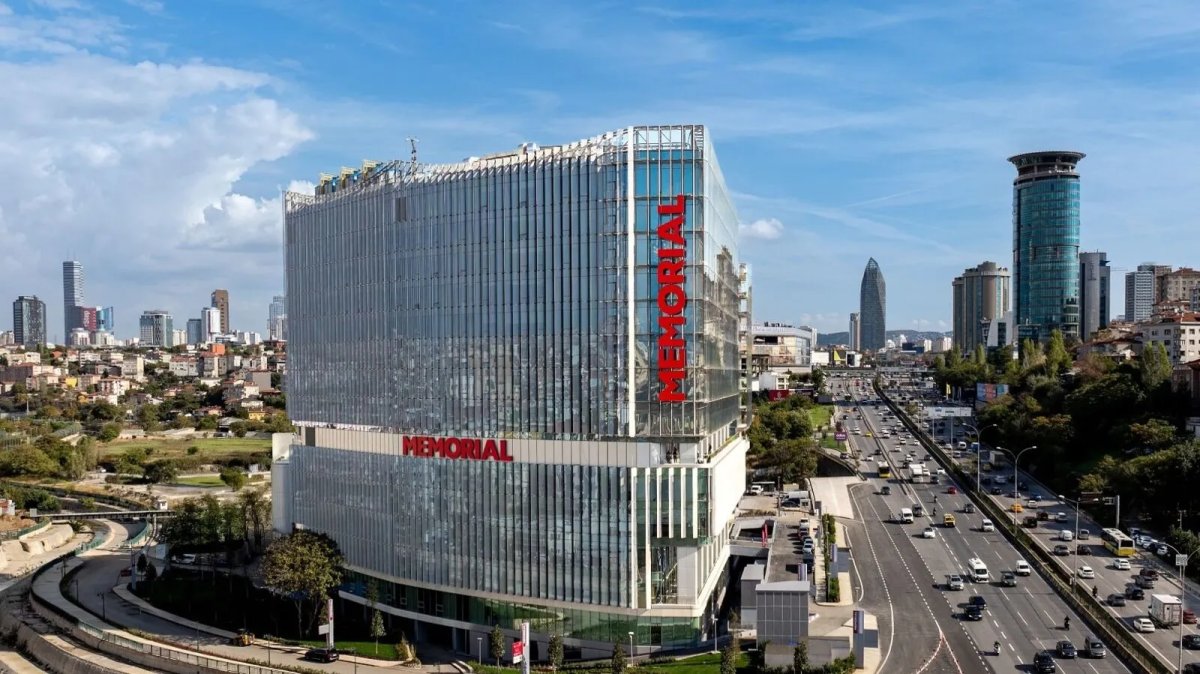
Memorial Şişli Hospital offers endoscopic septoplasty performed by experienced ENT specialists in a JCI-accredited facility. The procedure typically costs around $3,000–$3,100. The hospital's advanced operating rooms and multidisciplinary approach ensure comprehensive care for nasal obstruction correction.

MD. Melih Çiçek, an ENT doctor with 17 years of experience of experience, performs endoscopic septoplasty at Memorial Bahçelievler Hospital. The all-inclusive package may cost around 5,700 USD, typically covering surgery, 1 night hospitalization, pre-op tests, hotel stays, and transfers. The hospital holds Turkey's first JCI accreditation and uses endoscopic approaches for faster recovery. Patients receive interpreter services and a week of follow-up care as part of the package.

Memorial Atasehir Hospital is a private multidisciplinary hospital in Istanbul which belongs to the large Memorial Healthcare Group. The Memorial Atasehir specialties are organ transplant (with 99.5% success rate for liver and 99% for kidney), in vitro fertilization (65% success rate), oncology, cardio- and neurosurgery.
The hospital has Joint Commission International (JCI) certificate for the compliance with international treatment standards, quality, and safety. JCI is a global organization that controls the quality of medical services worldwide.
Day 1 - Arrival
Day 2 - Pre-Operation
Day 3 - Surgery
Day 4 - Post-Operation
Day 5-7
Week 1-2 - Rehabilitation
Week 3-4
Week 5-6
Please note: timelines and procedures may vary depending on individual patient circumstances and clinic protocols.
Specializes in advanced endoscopic techniques for nasal surgeries at CE International Hospital. Experienced in both aesthetic and functional nasal procedures.
Prof. Cemal Firat specializes in reconstructive and aesthetic surgery, with extensive expertise in maxillofacial procedures at Medical Park Antalya Hospital Complex.
Dr. Aydenizoz specializes in endoscopic septoplasty at Medical Park Antalya Hospital Complex, combining functional health with aesthetic results.
Associate Professor Burak Özkan specializes in plastic and reconstructive surgery at Medipol Acibadem District Hospital.
A minimally invasive procedure aimed at correcting a deviated nasal septum to improve breathing.
Endoscopic septoplasty utilizes a high-definition rigid or flexible endoscope to provide superior visualization of nasal structures. This minimally invasive technique allows surgeons to correct deep posterior deviations and isolated spurs with extreme precision while preserving structural stability and reducing overall tissue trauma.
Bookimed Expert Insight: Data from top-tier Istanbul clinics shows that endoscopic techniques are frequently integrated with functional endoscopic sinus surgery. For example, surgeons like Dogukan Aydenizoz at Medical Park Antalya Hospital Complex perform these combined procedures to address both breathing issues and chronic sinusitis in a single session, maximizing surgical efficiency.
Patient Consensus: Patients report a significantly smoother recovery compared to traditional surgery, specifically highlighting the absence of external scars and the benefit of avoiding uncomfortable nasal packing in many cases.
Most patients recover basic nasal function within 7 to 21 days following endoscopic septoplasty. While the minimally invasive approach allows a return to desk work in 3 to 5 days, full biological healing of internal tissues and cartilage typically requires 4 to 8 weeks.
Bookimed Expert Insight: Data from top Turkish facilities like Hisar Hospital Intercontinental shows that endoscopic techniques often reduce post-operative discomfort compared to open surgery. Choosing a specialist like Dr. Cem Altindag, who has 25 years of experience, ensures precise tissue handling. This precision often leads to faster stabilization of the septum and earlier breathing improvement.
Patient Consensus: Patients report that heavy congestion and drainage are the most common challenges rather than sharp pain. Many highlight the moment splints are removed as the primary turning point for immediate relief and comfort.
Endoscopic septoplasty is not painful during the procedure because specialists in Turkey perform it under general anesthesia. Most patients describe the recovery as a feeling of intense sinus pressure or a heavy cold rather than sharp pain, with discomfort peaking between days 2 and 5.
Bookimed Expert Insight: Clinics like The Nose Clinic or Hisar Hospital often use internal splints instead of traditional gauze packing. This choice significantly reduces post-operative distress. While many assume the surgery itself hurts, the real challenge is the temporary inability to breathe through the nose during the first 48 hours.
Patient Consensus: Many describe the experience as having the worst sinus headache ever. They emphasize that while the pressure is bothersome, the immediate improvement in breathing after the splints are removed makes the discomfort manageable.
Endoscopic septoplasty does not change the outward appearance of your nose. Surgeons perform this procedure entirely through the nostrils using an endoscope. This internal approach requires no external incisions and leaves no visible scarring. The primary goal is improving breathing by straightening the internal septum.
Bookimed Expert Insight: While septoplasty is functional, patients often perceive their nose as more balanced afterward. Data from The Nose Clinic shows that correcting severe internal deviations can indirectly align a previously shifted bridge. If you seek visible shape changes, consider a septorhinoplasty package instead.
Patient Consensus: Patients report that while external taping temporarily changes the nose's contour, the final shape remains identical. Most feel relief once swelling subsides and their breathing improves significantly.
The documented success rate for endoscopic septoplasty ranges from 93% to 97%, according to clinical studies. This minimally invasive technique provides superior visualization compared to traditional methods. Patients typically experience significant relief from nasal obstruction with lower risks of mucosal tearing or septal perforation.
Bookimed Expert Insight: While clinical success hits 97%, our data shows real-world patient satisfaction often hinges on combining septoplasty with turbinate reduction. Clinics like CE International Hospital emphasize this dual approach. Missing enlarged turbinates is a leading cause for perceived surgical failure in functional cases.
Patient Consensus: Most patients report immediate relief and minimal bruising, though full results appear after three months. Many emphasize that choosing an ENT specialist over a general plastic surgeon ensures better functional outcomes.