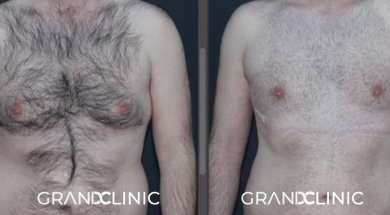
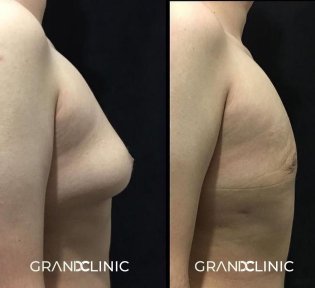
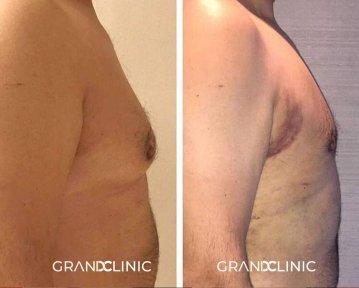
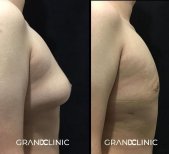
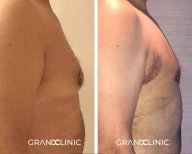

Pectoral implant complications include shifting, asymmetry, and capsular contracture where scar tissue tightens around the device. While generally safe when performed by International Society of Aesthetic Plastic Surgery (ISAPS) certified surgeons, risks like hematoma, seroma, or temporary nerve numbness can occur during the initial healing phase.
- Implant displacement: The device moves from the pocket, often requiring surgical revision to correct.
- Capsular contracture: Scar tissue tightens around the implant, potentially causing chest distortion or pain.
- Fluid accumulation: Hematoma or seroma may develop post-op, sometimes requiring drainage to prevent infection.
- Sensory changes: Temporary or permanent numbness in the chest, nipples, or inner arms occurs.
Bookimed Expert Insight: Data suggests that high-volume centers in Istanbul, like Memorial Şişli Hospital with its JCI accreditation, maintain lower complication rates through advanced pocket creation. Choosing a surgeon like Dr. Leyla Arvas, who has 25 years of experience, significantly reduces the risk of asymmetry compared to less experienced providers.
Patient Consensus: Many patients emphasize that while initial results look great, following strict rest protocols is vital. They warn that returning to the gym too early is the primary cause for implants sliding or becoming deformed.