ID Clinic Bangkok
Thailand, Bangkok
Dr Phatcharasak Kraisornphongsakul Md
34 years of experience • 20000+ treatments performed

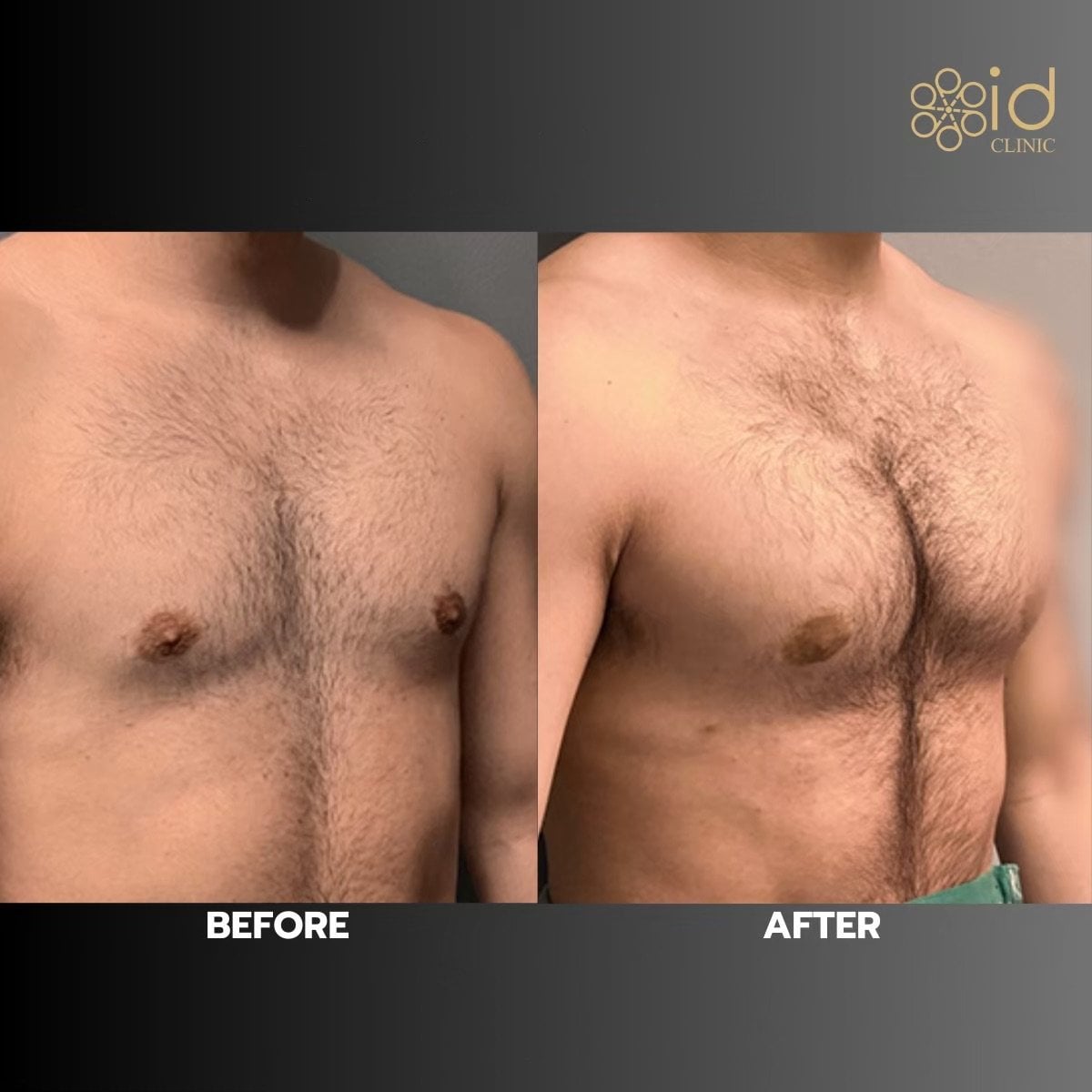
Surgeon's portfolio


Clinic is certified : 
Pectoral implants in Thailand cost $3,300 / ฿112,200 to $7,500 / ฿255,000, about 42% less than the US average of $9,300 / ฿316,200 (Bookimed data, November 2026). Bookimed lists 4 pectoral implant clinics in Thailand, all in Bangkok. These clinics are rated 4.4/5 in 177 verified patient reviews on Bookimed.

Last updated: 11/14/2026
Medically reviewed by
Ergin Er
Bookimed is free for patients – clinics pay us a commission, and you pay the clinic its own price with no markup. Five steps to your pectoral implants in Thailand:
Tell us about your goals and share chest photos from the front, side, at an angle, from the back, and with your arms raised.
Your coordinator finds clinics that match your needs and helps you choose. Your preferred clinics then send personalized treatment plans and quotes for you to compare.
We set treatment dates that work for you and help arrange your flights and accommodation. If needed, we request a visa support letter from the clinic.
The clinic team places your pectoral implants on the agreed dates. We support you throughout your trip.
You can fly home 7–14 days after surgery, and your result settles over 3–6 months. Your coordinator stays in touch and helps arrange a follow-up if you need one.
Some clinics ask for a deposit. A $200 or €200 deposit paid through Bookimed comes off your clinic bill and is refundable up to 10 calendar days before your visit. A deposit paid to the clinic follows its own terms.


Tell us about your needs — and get 3 tailored offers from top doctors for you.
What matters most to you when choosing a clinic?
Direct prices from clinics
Free evaluation of your medical case
Free personal assistance 24/7
Cost and clinics
| Typical pectoral implants price in Thailand | Clinics | Accreditations | Cities | Pectoral implants surgeons |
|---|---|---|---|---|
| $3,300 / ฿112,200–$7,500 / ฿255,000 | 4 clinics | ISO (1 clinic) | Bangkok (5 clinics) | 4 surgeons |
The procedure
| Before the trip | Time in Thailand | Operation time | Anesthesia | Back to desk work | Final result |
|---|---|---|---|---|---|
| Have consultation, stop smoking, review meds, prepare for tests | 7–14 days, including up to 1 night in hospital | 1–2.5 hours | General | 7–14 days | 3–6 months |
Pectoral implants in Thailand cost from $3,300 / ฿112,200 to $7,500 / ฿255,000. The final quote depends on implant type, clinic tier, location, and combined procedures.
| Thailand | Turkey | The USA | |
|---|---|---|---|
| Pectoral Implants | from $3,300 / ฿112,200 | from $2,400 / ฿81,600 | from $6,000 / ฿204,000 |
For pectoral implants in Thailand, compare clinics, compare starting quotes, select a surgeon for the procedure, then confirm that surgeon’s credentials.
Set your search area
Price scope
Match the operator
Verify qualifications
Plan follow-up
| Clinic Name | Patient Rating | About | Accreditations | Lead Doctor | Techniques |
|---|---|---|---|---|---|
| ID Clinic Bangkok Bangkok | 4.4 (137 reviews) | Dr. Phatcharasak Kraisornphongsakul has performed 1,100+ pectoral implant procedures over 34 years, specializing in minimal-scar techniques through armpit incisions. Surgery at ID Clinic Bangkok costs around $3,800 – typically covering USA-made implants, general anesthesia, 1-night stay, compression garment, and transfers. The clinic holds Royal College of Surgeons Thailand accreditation with a 96% success rate for cosmetic procedures. Dr. Kraisornphongsakul is board-certified in plastic surgery since 2000 and trained at Khon Kaen University. | — | Pectoral implants with armpit incision, compression garment post-surgery | |
| Intrarat Hospital Bangkok | 4.4 (15 reviews) | Intrarat Hospital is an ISO 9001:2015-certified hospital in Bangkok. It treats 100,000 patients each year across its main specialties. The hospital focuses on orthopedics, internal medicine, cardiology, and pediatrics. 200 physicians work across 26 departments. Specialized centers include cardiology, dental, and hemodialysis. Offers ophthalmology, ENT, gynecology, and gastroenterology services. A dedicated child health center supports pediatric care. | ISO | Ploypailin Rattanachinnakorn 27 years | Pectoral Implants, Consultation with creation of treatment plan |
| Interplast Clinic Bangkok | 5.0 | Interplast Clinic uses a soft, solid silicone implant molded for each patient and placed beneath the pectoral muscle. A 2-inch incision sits high in the armpit, within the hair-bearing area. The clinic lists affiliations with ISAPS and ASAPS and is based in Bangkok. After surgery, a compression garment supports the area; light exercise can resume after 1–2 weeks, while weightlifting is avoided for 3 months. | ISAPS | — | — |
Specializes in pectoral implants with a focus on natural-looking results at ID Clinic Bangkok.

Dr. Tanongsak Panyawirunroj is a leading plastic surgeon at Asia Cosmetic Hospital in Bangkok. He has performed 15,000+ operations throughout his career. Dr. Tanongsak specializes in transformative procedures like rhinoplasty and sexual reassignment surgery. He completed fellowships in the US, Canada, South Korea, and Taiwan.

Dr. Kasemsak Pyungtanasup is a plastic and general surgeon at Wansiri Hospital in Bangkok. He specializes in breast surgery, rhinoplasty, and body contouring. Dr. Kasemsak completed surgical oncology and robotic surgery training at The Valley Health System in the USA. He also observed microsurgery and cleft palate care at Beaumont Health System in Michigan.
Dr. Rattanachinnakorn specializes in plastic and reconstructive surgery, with advanced training from top institutions in Thailand and Korea.
Male chest masculinization and gender-affirming options
Patients choose Thailand for pectoral implants for surgeon and procedural options, clinic accreditation, and language support. Clinic accreditation.
You can usually fly home 7–14 days after surgery, with your surgeon’s approval. You may return to desk or light work in 7–14 days if your pain is controlled. Chest and upper-body resistance exercise usually resumes after 6–8 weeks, once your surgeon clears you. Your final result typically appears in 3–6 months as swelling resolves and implants settle.
You may notice moderate to significant chest tightness, pain, and swelling, especially during the first week, while wearing a bandage or compression garment. Rest, avoid lifting, and do not raise your arms above shoulder height.
Swelling declines as you gradually return to light daily activities, and sutures may be removed or dissolve. A short flight may be possible around day 7 if your first check is clear, with your surgeon’s approval. Waiting 2 weeks is safer for long-haul travel, and you should avoid strenuous activity and heavy lifting.
As discomfort subsides, you can progressively return to normal activity. Avoid chest or upper-body weight training, and do not push or pull heavy loads.
You can gradually return to chest exercise only after your surgeon clears you, typically at 6–8 weeks. Implants settle and swelling resolves over 3–6 months.
When to contact your clinic: Contact your clinic for a fever, worsening chest redness, or sudden swelling or a change in chest shape. Seek emergency care for shortness of breath or chest pain.
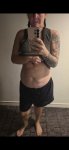
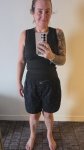
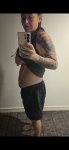
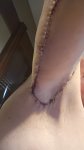
 Anna Leonova

Pectoral implants in Thailand are safe when performed by board-certified surgeons in JCI-accredited facilities. Top Bangkok clinics report success rates up to 99% for body contouring. Surgeons often use FDA-approved silicone implants and follow international protocols to minimize risks like displacement or capsular contracture.
Bookimed Expert Insight: Data reveals a strong correlation between surgeon volume and safety outcomes in Bangkok. While the average US surgeon might perform only a few pectoral cases annually, specialists at ID Clinic Bangkok handle thousands of patients. This high volume often results in more refined techniques for submuscular placement and significantly reduced scarring.
Patient Consensus: Patients report natural results and high satisfaction when choosing 5-star JCI-accredited hospitals. Many recommend budgeting for a 2-week hotel stay to ensure proper healing before flying home.
Pectoral implant surgery in Thailand enhances chest definition using solid silicone implants placed through small incisions in the armpit. Surgeons typically utilize general anesthesia to create a submuscular pocket beneath the pectoralis major muscle, ensuring natural contour and long-term stability during the 90-120 minute procedure.
Bookimed Expert Insight: Data from top Bangkok clinics like Asia Cosmetic Hospital shows a preference for JCI-accredited facilities that employ anesthesiologists for every case. While most centers perform this under general anesthesia, choosing a clinic that offers intra-operative sizers is vital for matching the implant to your specific rib cage width.
Patient Consensus: Many find the first week challenging as swelling peaks, making the mandatory compression garment essential for comfort. Most note that following strict restrictions on chest workouts for 8 weeks is the only way to prevent implant migration.
Pectoral implant recovery typically lasts 6 to 8 weeks before returning to full physical activity. Patients usually resume desk work within 7 to 14 days. Full healing and final chest contouring occur over 3 to 6 months as residual swelling completely subsides.
Bookimed Expert Insight: While initial healing takes 8 weeks, Thailand's specialized clinics like Asia Cosmetic Hospital maintain a 0% complication rate by enforcing strict travel protocols. We see better outcomes when patients stay in Bangkok for at least 10 days. This allows surgeons to monitor the implants during the critical first week when swelling peaks.
Patient Consensus: Many survivors of the procedure describe days 3 to 5 as the most challenging due to intense tightness. Patients emphasize that sleeping propped up and using ice religiously are essential for managing the initial discomfort.
Pectoral implants in Thailand look and feel natural because surgeons use solid silicone elastomer rather than liquid gels. This firm material mimics the texture of a flexed chest muscle. Submuscular placement hides implant edges, ensuring the results appear as well-developed muscle rather than artificial enhancements.
Bookimed Expert Insight: While many focus on size, Thai specialty clinics like Asia Cosmetic Hospital maintain a 0% complication rate by prioritizing precise pocket dissection. High-volume surgeons like Dr. Phatcharasak Kraisornphongsakul, with 20,000 procedures, emphasize that custom anatomical implants outperform round stock versions for shirtless naturalness. Choosing a surgeon with 100+ specific pectoral cases is the clinical benchmark for success.
Patient Consensus: Patients report that results are indistinguishable from natural muscle when clothed or at rest. They frequently advise maintaining a consistent gym routine to preserve the long-term shape of the chest area.
Patients are typically cleared to fly home 10 to 14 days after pectoral implant surgery in Thailand. This timeframe ensures initial swelling subsides and surgical drains are removed. Surgeons at JCI-accredited facilities like Asia Cosmetic Hospital prioritize this window to minimize risks from cabin pressure and immobility.
Bookimed Expert Insight: Thai clinics often see high patient volumes, with Dr. Phatcharasak Kraisornphongsakul alone performing 20,000 procedures. Because of this experience, surgeons often mandate a 10-day stay. This allows them to monitor for seroma, a common fluid buildup risk for chest implants before you depart.
Patient Consensus: Most patients recommend booking an aisle seat for better mobility. They also suggest staying in Bangkok for an extra 2 days as a safety buffer for final check-ups.
You can resume chest workouts after pectoral implant surgery following a strict 8 to 12 week recovery timeline. While light activity begins sooner, direct pectoral exercises like bench presses or flys require specific surgical clearance to prevent implant displacement or seroma formation.
Bookimed Expert Insight: Thai clinics like Asia Cosmetic Hospital and Wansiri Hospital often mandate a longer 12-week wait for heavy lifting compared to Western standards. This extra buffer accounts for travel-induced swelling from long-haul flights, which can delay internal tissue stabilization. Surgeons like Dr. Siripong Luxanawong at ID Clinic emphasize that reaching 80% muscle strength safely requires this extended window to avoid revision surgery.
Patient Consensus: Patients emphasize that trying even light pec deck movements before week 8 can cause fluid buildup. Most recommend waiting until week 10 to start with cables before touching any free weights.
Last review: 11/14/2026
Ergin Er — Dr. Ergin Er is a plastic, reconstructive and aesthetic surgeon who has performed more than 10,000 aesthetic procedures. He is a multiple award winner at Turkish National Congresses of Plastic Surgery and completed advanced training at Baylor College of Medicine in Houston, Texas.
Ask a Bookimed medical coordinator about prices, clinics, techniques or your case. Write to us in the messenger you already use.
Tap a messenger to open a chat with a Bookimed medical coordinator.
Free and without obligation · Terms of use · Privacy policy