Subtotal thyroidectomy in Turkey — get 3 personalized clinic matches
A subtotal thyroidectomy in Turkey costs starting at $3,000, compared with about $24,500 in the US (Bookimed data, November 2026). Most packages include a hotel stay and airport transfers. Bookimed lists 4 subtotal thyroidectomy clinics in Turkey, all in Istanbul, including JCI-accredited clinics. These clinics are rated 4.5/5 in 935 verified patient reviews on Bookimed.


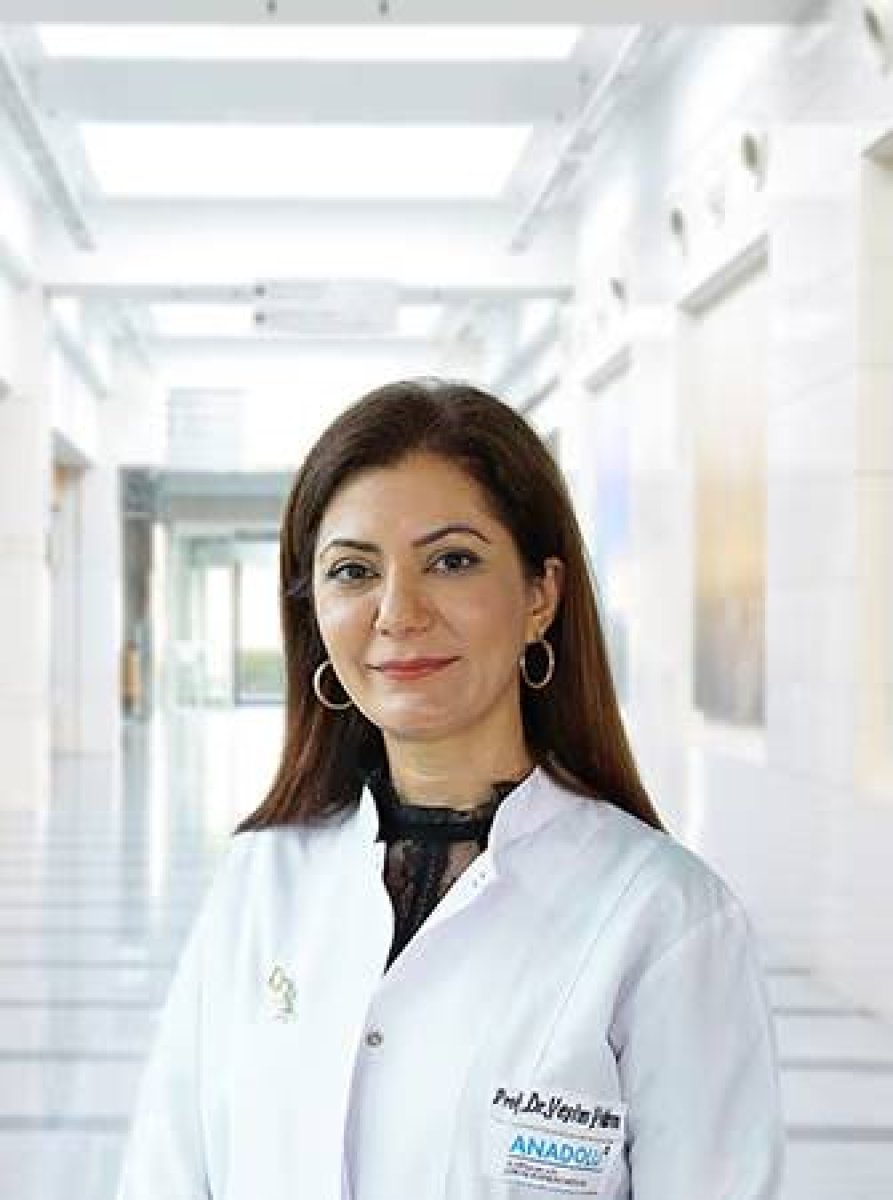
Medically reviewed by
Yesim Yildirim
How it works
How Much Does Subtotal thyroidectomy Cost in Turkey?
Subtotal thyroidectomy in Turkey typically costs from $3,000 to $5,300. The final price depends on the surgical technique used, the surgeon's experience level, and the complexity of the thyroid condition. In the United States, patients can expect to pay around $24,500 for similar procedures. Patients choosing Turkey can save approximately 83% compared to US high costs. Standard packages usually include preoperative tests, surgeon consultations, thyroid ultrasounds, and several nights of hospital stay.
- Surgical extent: Bilateral procedures involving both thyroid lobes generally cost significantly more than unilateral surgery.
- Oncology cases: Procedures requiring additional neck lymph node dissection for cancer treatment can increase costs by 50-80%.
- Robotic techniques: Choosing robotic-assisted or scarless surgical methods typically adds a 20-30% premium to standard costs.
- Service locations: Most specialized endocrine surgeries are performed in major medical hubs like Istanbul, Ankara, and Antalya.
Bookimed Expert Insight: Choosing professors with over 2,000 cases provides high value without a massive price jump. For example, Hisar Hospital Intercontinental offers specialized care starting around $4,300. Meanwhile, JCI-accredited facilities like Memorial Şişli Hospital provide premium all-inclusive bundles. These packages often include VIP transfers and hotel stays for about $16,000. This is the smartest move for patients seeking a seamless, high-end medical travel experience.
| Turkey | Austria | Spain | |
|---|---|---|---|
| Subtotal thyroidectomy | from $3,000 | ≈ $7,500 | from $8,900 |
Discover the Best Subtotal thyroidectomy Clinics in Turkey: 21 Verified Options and Prices


Hisar Hospital Intercontinental
Mustafa Solak





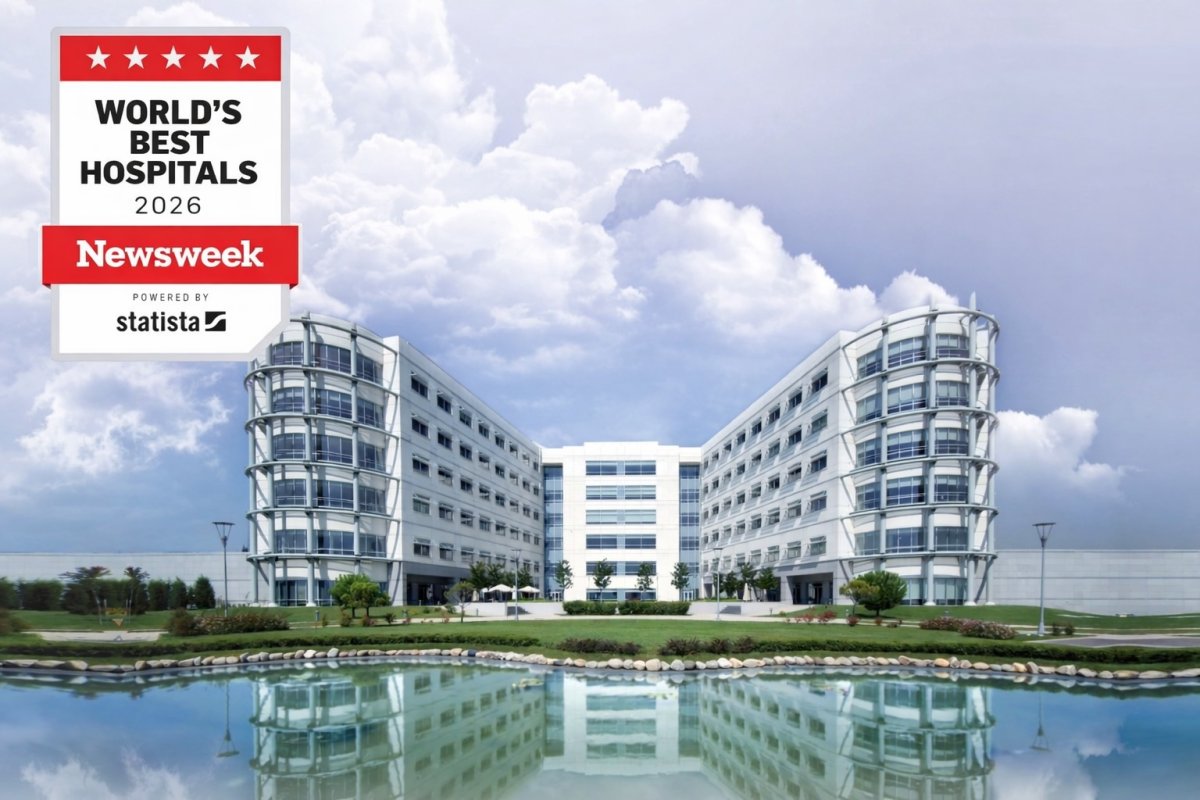
Anadolu Medical Center
Kemal Rasa








Istanbul Florence Nightingale Hospital
Fatih Tunca

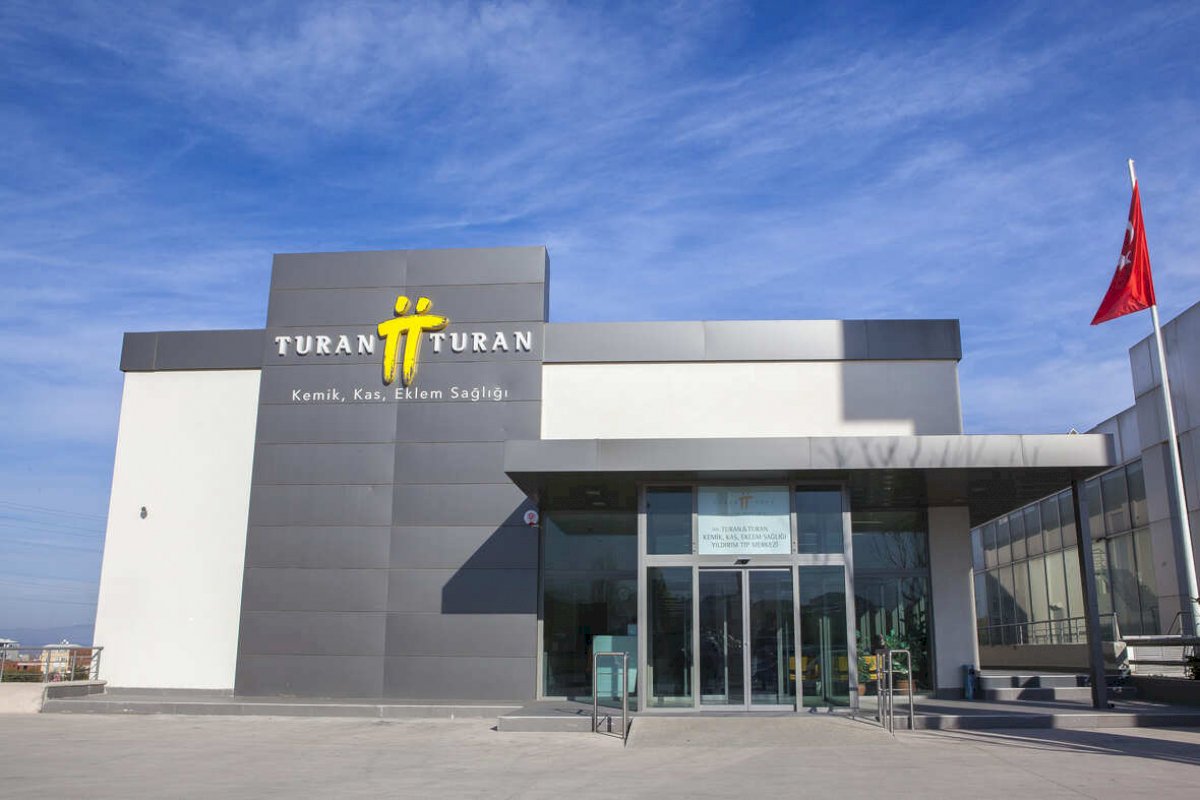
Turan Turan Health Group

Medical Park Antalya Hospital Complex
Mustafa Serkan Alemdar


Memorial Ankara Hospital

Subtotal thyroidectomy Overview in Turkey
- Thyroid resection - from $2,500The operation removes part or all of the thyroid gland to treat various thyroid conditions.
- Subtotal thyroidectomy - from $3,000This surgery partially removes the thyroid gland, improving symptoms of thyroid disorders with less impact on hormone levels.
- Thyroidectomy - from $2,400The operation involves removing all or part of the thyroid gland to treat thyroid diseases.
Day 1
- Arrival at the hospital and registration.
- Consultation with endocrinologist and surgeon.
- Undergo blood tests and ultrasound.
Day 2
- Thyroid scan and biopsy are conducted if required.
- Meet the anesthesiologist for anesthesia planning.
- Preparation for surgery, including fasting instructions.
Day 3
- Subtotal thyroidectomy surgery takes place.
- General anesthesia is administered.
- Surgery lasts approximately 2 to 3 hours.
Day 4
- Post-operative care in the clinic begins.
- Monitoring vital signs and managing pain.
- Initial recovery takes place in the hospital.
Day 5
- Early physical therapy starts.
- Discharge from the hospital.
Week 1
- Home rest with limited physical activity.
- Regular wound care and medication.
Week 2 to 4
- Gradual increase in normal activities.
- Follow up consultation with surgeon.
Week 5 to 8
- Return to work, depending on the nature of the job.
- Light sports activities can be resumed.
Week 9 onwards
- Gradual return to intensive physical activities.
- Final results of the surgery are usually visible.
Please note that each patient"s recovery timeline may vary based on individual health conditions and the complexity of the surgery.
- Bookimed deposit: $200 or €200.
- Clinic deposit: Pay a set percentage in advance.
Our Trusted Doctors
View all DoctorsKemal Rasa
Dr. Kemal Rasa is a general surgeon at Anadolu Medical Center in Istanbul. He is an editorial board member of the British Journal of Surgery. Dr. Rasa focuses on breast, pancreatic, and thyroid cancer surgeries. He also manages surgical infections and glucose metabolism disorders. His clinic partners with Johns Hopkins Medicine for American treatment standards.
- Former President of the Surgical Infection Society – Europe.
- Secretary of the World Surgical Infection Society board of directors.
- Authored over 65 national and international medical publications.
- Performs thyroidectomy, pancreatic enucleation, and breast cancer surgery.
Mustafa Solak
Dr. Solak specializes in complex cancer surgeries, trained at Hacettepe University Cancer Institute and MD Anderson Cancer Center.
- Expertise in breast, testicular, ovarian, and gastrointestinal cancers
- Fellowship-trained at one of the world's leading cancer centers
- Performs surgeries at Hisar Hospital Intercontinental
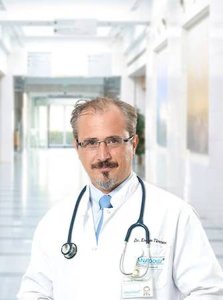
Erdem Turemen
Dr. Erdem Turemen specializes in thyroid conditions at Anadolu Medical Center.
- Endocrinologist with expertise in thyroid disorders
- Practices at a leading medical center in Turkey
- Focuses on patient-centered care for thyroid health
Mustafa Serkan Alemdar
Dr. Alemdar specializes in thyroidectomy at Medical Park Antalya Hospital Complex with extensive training in internal medicine and medical oncology.
- Trained at Akdeniz University Faculty of Medicine
- Over 20 years of medical experience
- Worked at multiple leading hospitals including Akdeniz University Hospital
Video Stories from Bookimed Patients
Reviews about Bookimed: Discover Patients' Insights
All reviewsShare this content
 Anna Leonova
FAQ about Subtotal thyroidectomy in Turkey
What are the risks and complications of subtotal thyroidectomy?
Subtotal thyroidectomy risks include hypocalcemia from parathyroid damage, recurrent laryngeal nerve injury causing voice changes, and postoperative bleeding. While complication rates are generally lower than total thyroidectomy, patients may still develop hypothyroidism or experience disease recurrence in the remaining thyroid tissue if nodules regrow.
- Calcium imbalance: Temporary hypocalcemia affects 8–25% of patients, requiring short-term or lifelong supplements.
- Nerve injury: Recurrent laryngeal nerve damage causes hoarseness in 0.1–1.9% of permanent cases.
- Hematoma risk: Critical neck bleeding occurs in 0.65–3.3% of surgeries, potentially obstructing the airway.
- Disease recurrence: Leaving thyroid tissue results in a 2–15% chance of goiter or hyperthyroidism returning.
Bookimed Expert Insight: Surgeon volume is the strongest predictor of safety for this specific procedure. While general complication rates are low, specialist surgeons in Turkey like Dr. Nuri Alper Sahbaz have performed over 2,000 cases. This level of repetition significantly reduces the risk of permanent nerve damage compared to general surgeons who perform fewer than 50 thyroid surgeries annually.
Patient Consensus: Many patients emphasize the need to monitor for tingling in the fingers as an early sign of low calcium. Some regret the subtotal approach because regrowing nodules later required a second, more difficult surgery.
What is the difference between a total and subtotal thyroidectomy?
Total thyroidectomy involves removing the entire thyroid gland, including both lobes and the isthmus. Subtotal thyroidectomy removes a significant portion but leaves a small remnant of healthy tissue. This preserved tissue aims to maintain natural hormone production and protect the parathyroid glands.
- Hormone dependency: Total removal requires lifelong levothyroxine. Subtotal patients may avoid or delay medication.
- Recurrence risk: Total thyroidectomy has a 30–50% lower recurrence rate than subtotal procedures.
- Medical indication: Total is preferred for cancer. Subtotal suits benign multinodular goiters or hyperthyroidism.
- Complication risks: Subtotal surgery carries a lower risk of permanent hypoparathyroidism and low calcium.
Bookimed Expert Insight: While subtotal thyroidectomy preserves some function, Turkish specialists like Dr. Adnan Isgor often transition to total thyroidectomy for complex cases. Data shows total removal provides a cleaner surgical field for oncological monitoring. Choosing a European Board-Certified surgeon remains the most reliable way to minimize parathyroid damage.
Patient Consensus: Many patients prioritize subtotal surgery to avoid complete medication reliance. However, others choose total removal to eliminate the need for frequent lifelong ultrasounds and potential re-operation.
Will I need to take lifelong thyroid medication after subtotal thyroidectomy?
Most patients require lifelong thyroid hormone replacement medication after subtotal thyroidectomy because the remaining tissue often fails to produce sufficient hormones. While surgeons leave a small amount of thyroid tissue, approximately 84% of individuals eventually develop hypothyroidism and need daily levothyroxine to maintain normal metabolic function.
- Medication probability: High probability exists as remaining tissue under 6 grams rarely sustains hormone levels.
- Monitoring timeline: Doctors typically check TSH levels 4 to 6 weeks after your surgery.
- Hormone replacement: Standard treatment involves daily synthetic T4 medication taken on an empty stomach.
- Long-term risks: Skipping medication leads to hypothyroidism symptoms like fatigue, weight gain, and depression.
Bookimed Expert Insight: Surgeon experience directly impacts the precision of the tissue remnant. In Turkey, specialists like Dr. Nuri Alper Sahbaz at Hisar Hospital Intercontinental have performed over 2,000 cases. Selecting a high-volume surgeon increases the chance that the small tissue portion remains viable and functional.
Patient Consensus: Many patients find that while medication is not instantly guaranteed, hypothyroidism often develops 6 to 24 months later. They recommend monitoring TSH levels every 3 months initially to catch early hormonal shifts.
What is the recovery timeline after subtotal thyroidectomy?
Patients typically return to normal daily routines within 10 to 14 days following a subtotal thyroidectomy. While most leave the hospital within 24 hours, physical recovery involves gradual wound healing, voice stabilization, and monitoring thyroid hormone levels through blood tests over several months.
- Initial 24 hours: Hospital discharge usually occurs the same day or following morning.
- Return to work: Most patients resume sedentary desk jobs after 7 to 10 days.
- Activity restrictions: Heavy lifting and strenuous exercise require surgeon clearance after 4 to 6 weeks.
- Medical monitoring: Blood tests at 6 weeks check hormone levels to adjust necessary medications.
Bookimed Expert Insight: Turkish endocrine surgeons often specialize in the subtotal approach to preserve parathyroid function. This may explain why many patients avoid lifelong calcium supplementation. Choosing a European Board-certified surgeon, like those at Hisar Hospital with 2,000+ cases, significantly improves early voice recovery outcomes.
Patient Consensus: Many patients report feeling back to work within 10 days. They recommend using ice packs for neck discomfort and keeping a daily log of voice changes and calcium levels during the first month.
Which are the best hospitals for subtotal thyroidectomy in Turkey?
Turkey offers top-rated medical centers for subtotal thyroidectomy, primarily located in Istanbul. Leading institutions include Memorial Sisli Hospital, Anadolu Medical Center, and Hisar Hospital Intercontinental. These JCI-accredited facilities feature specialist endocrine surgeons, advanced surgical technology, and comprehensive post-operative monitoring to ensure patient safety.
- Hospital accreditation: Top centers like Anadolu Medical Center maintain Joint Commission International (JCI) accreditation.
- Surgeon expertise: Surgeons like Dr. Kemal Rasa specialize in endocrine and advanced thyroid surgery.
- Patient volume: Hisar Hospital serves over 500,000 patients annually with specialized surgical departments.
- Advanced affiliations: Anadolu Medical Center maintains a long-standing affiliation with Johns Hopkins Medicine.
Bookimed Expert Insight: While many search for a generic hospital brand, data shows that surgeon case volume is the strongest quality indicator. For instance, Dr. Nuri Alper Sahbaz at Hisar Hospital has performed over 2,000 cases. Choosing a surgeon with high annual volume significantly improves outcomes for delicate thyroid procedures.
Patient Consensus: Patients emphasize the importance of pre-operative vocal cord checks and post-operative calcium monitoring. Experienced teams at major Istanbul hospitals are frequently praised for maintaining stable calcium levels after surgery.