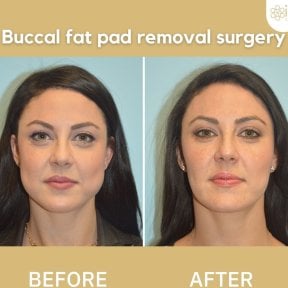
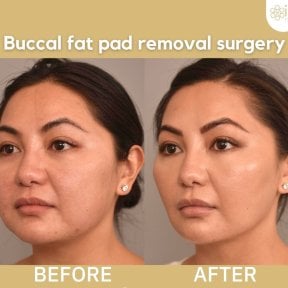
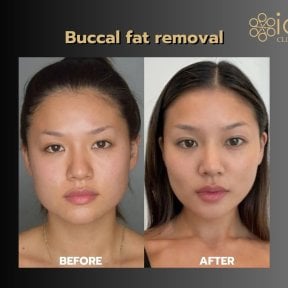
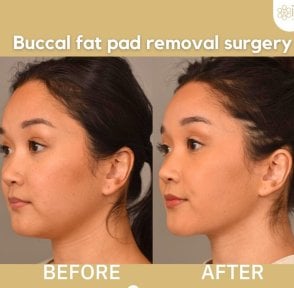
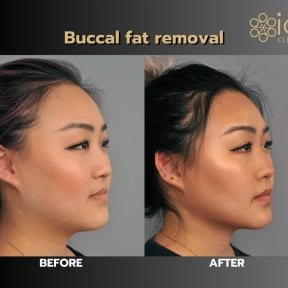
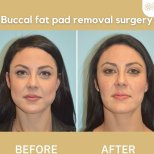
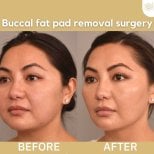
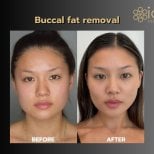
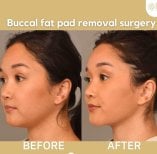
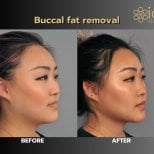
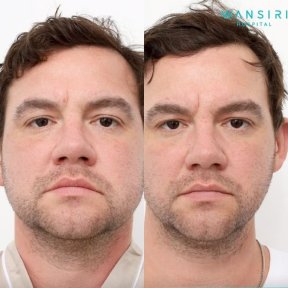
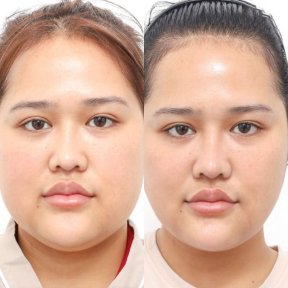
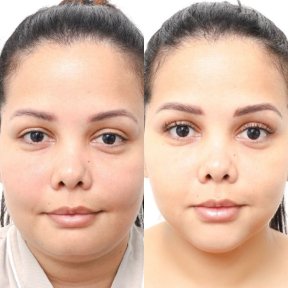
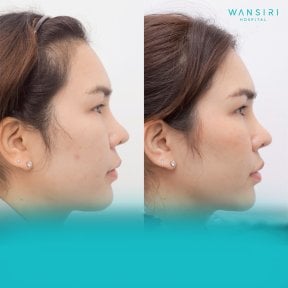
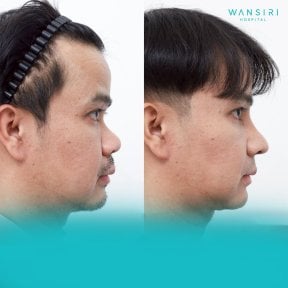
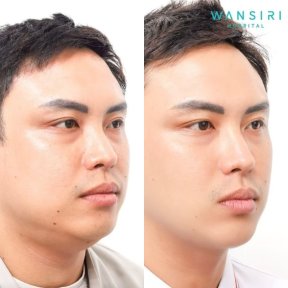
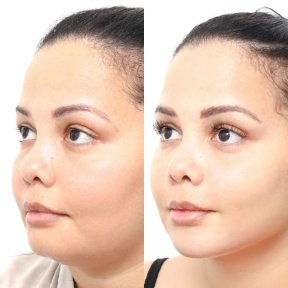
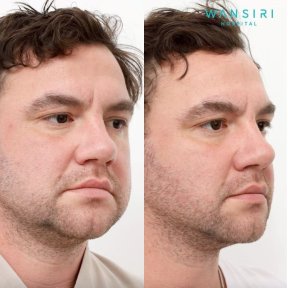
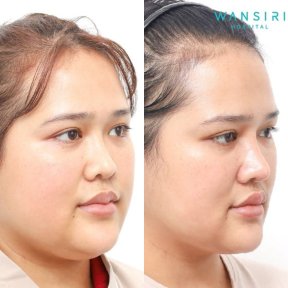
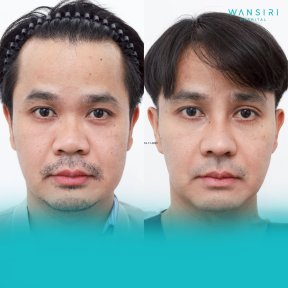
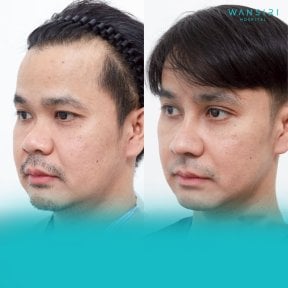
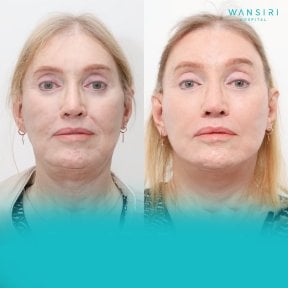
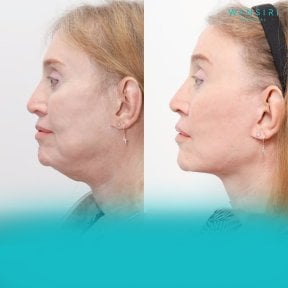
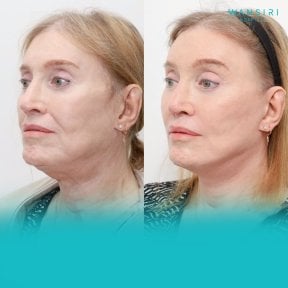
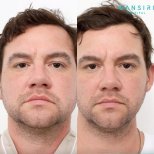
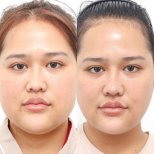
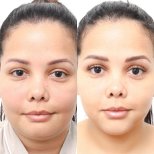
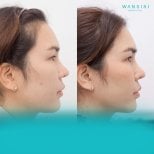
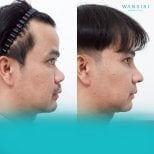
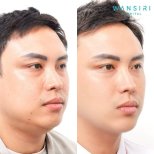
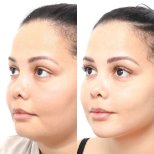
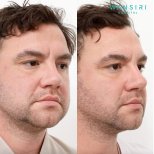
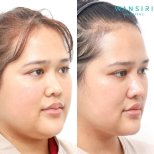
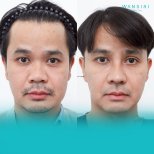
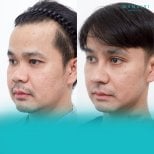
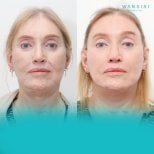
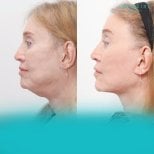
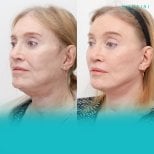
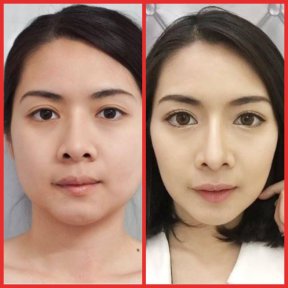
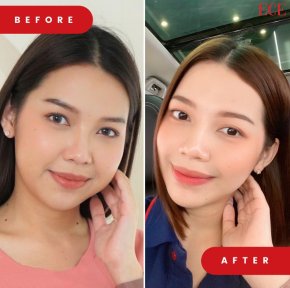
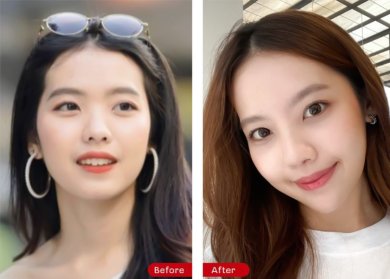
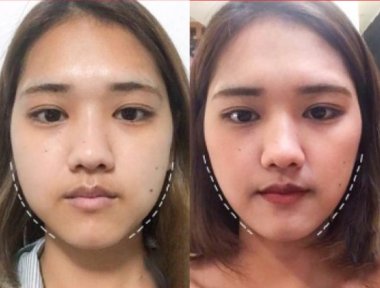
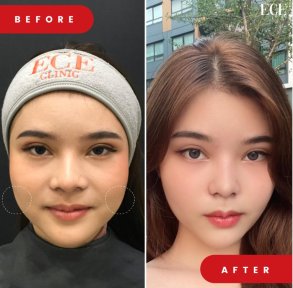
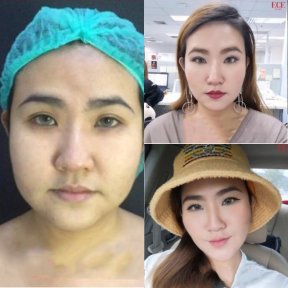
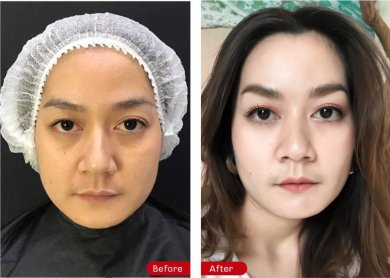
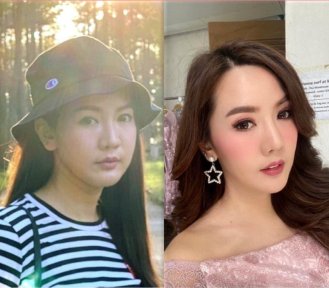
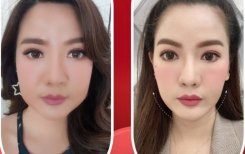
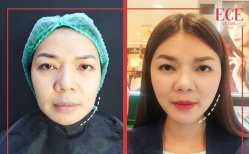
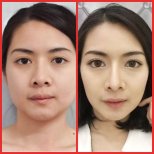
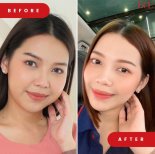
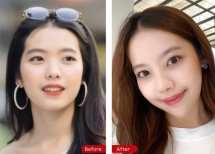
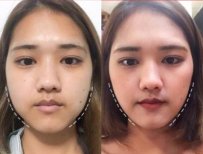
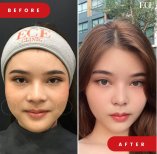
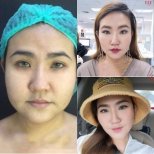
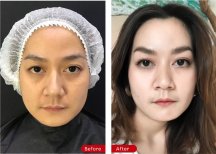
Buccal fat pads do not grow back because they are distinct, encapsulated fat compartments. Once a surgeon removes these pads, your body does not regenerate the specific fat cells. However, significant weight gain can cause remaining facial fat cells to expand, potentially softening the sculpted appearance.
- Cell regeneration: Buccal fat is avascular and does not regrow after surgical removal.
- Weight fluctuations: Gaining over 10% body weight may cause surrounding facial fat to enlarge.
- Aging effects: Natural skin laxity over 5 years can mimic the return of fullness.
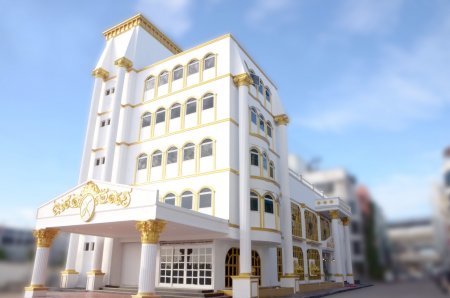
- Expert technique: Surgeons at JCI-accredited Asia Cosmetic Hospital target the entire encapsulated pad.
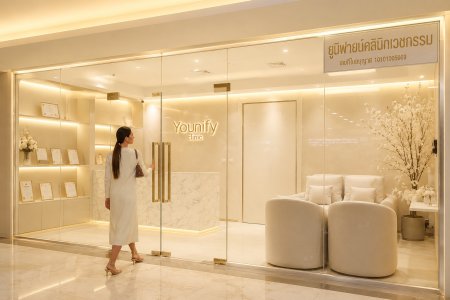
Bookimed Expert Insight: While the fat is gone forever, our data shows consistency matters more than the surgery itself. Patients at clinics like ID Clinic Bangkok, which serves 4,000 people annually, maintain the best results by staying within 5-10 pounds of their procedure weight. Dr. Phatcharasak Kraisornphongsakul has performed 20,000 procedures, emphasizing that your bone structure dictates the long-term `hollow` look more than the fat removal alone.

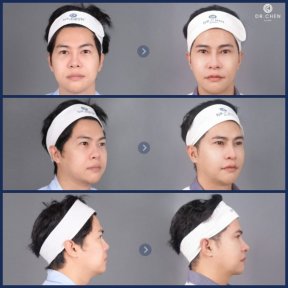
Patient Consensus: Most patients report that while the cheek hollowing is permanent, the `chiseled` look can change if lifestyle habits lead to overall facial swelling or weight gain. They emphasize that choosing an experienced surgeon is vital to prevent the face from looking too sunken as you age naturally.