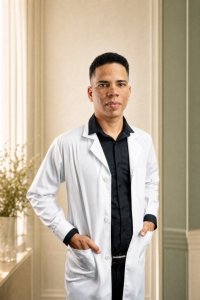
Dr Adriana Gudino
Mexico, Cancún
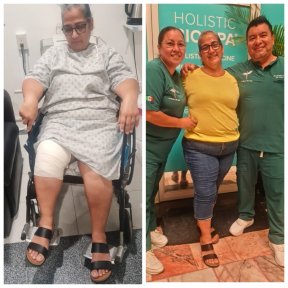
Leading doctor for Stem cell therapy for knees
18 years of experience
Location: Mexico, Cancún
Clinic:MER Clinic Cancun
Dr. Adriana Gudino is a specialist in regenerative and aesthetic medicine at MER Clinic Cancun. She has documented over 200 successful cases in regenerative therapy. Dr. Gudino focuses on treating the root cause of conditions rather than just symptoms. She holds a subspecialty in Aesthetic Medicine from the American Academy of Aesthetic Medicine in Miami.
- Uses mesenchymal stem cells derived from placenta tissue for rejuvenation and therapy.
- Certified in ozone therapy and parenteral nutrition for cellular recovery.
- Partnered with top Mexican laboratories to ensure pathogen-free, certified stem cells.
- Treats patients using natural killer cells and dermic growth factors.
Doctor's visit
Price on request
Doctor's visit
Price on request