Medical disclaimer
730-nm Picosecond vs 532-nm Q-Switched Laser for Facial Pigmentation in Xiamen
9 min read
Prepared by Bookimed editorial team
Medical content and care coordination
Share with AI


The source identifies treatment at the named clinic. Study results describe this cohort, not a predicted individual outcome.
Key takeaways
- The study included 131 adults with facial pigmentation: 85 had the 730-nm picosecond laser and 46 had the 532-nm Q-switched Nd:YAG laser.
- The posttreatment pigmentation score was 2.55 in the picosecond group and 3.82 in the Nd:YAG group, and the improvement rate was 56% versus 38%.
- The side effects score was 0.99 in the picosecond group and 2.25 in the Nd:YAG group, and the satisfaction score was 7.96 versus 7.15.
- The authors report that picosecond laser treatment was the strongest independent predictor of treatment success (adjusted OR 4.85, 95% CI 2.51-9.38).
- These are group results from one hospital and are not a forecast for any individual patient.
The question this study addresses
This retrospective comparative study enrolled 131 adults (18-70 years) with facial pigmentation disorders at a tertiary hospital in China. The abstract does not name the hospital, but the first and corresponding author lists the Department of Dermatology at Xiamen Humanity Hospital, and no other treating hospital is named, so the patients were treated at this clinic. The authors compared a 730-nm picosecond laser with a 532-nm Q-switched Nd:YAG laser and concluded that the picosecond laser was more effective and safer. Bookimed did not run the study.
- The situation
- Adults aged 18 to 70 with facial pigmentation disorders (dark spots on the face).
- The treatment
- A 730-nm picosecond laser (85 patients) compared with a 532-nm Q-switched Nd:YAG laser (46 patients).
What this evidence cannot establish
- The study is retrospective and done at a single center, so the groups may differ in ways the abstract does not describe.
- The abstract says only 'a tertiary hospital in China'. The link to Xiamen Humanity Hospital comes from the author affiliations, not from the abstract text.
- Pigmentation type, number of sessions, follow-up time, scoring scale ranges and baseline scores are not stated.
Patient groups in the published study
85 patients · Published study group
Facial pigmentation treated with a 730-nm picosecond laser
- Indication
- Facial pigmentation disorders
- Treatment
- 730-nm picosecond laser
85 adults in the picosecond group, part of 131 adults in the study.
Adults with facial pigmentation (dark spots) treated in the Department of Dermatology at Xiamen Humanity Hospital.
Treatment with a 730-nm picosecond laser. The abstract does not state the number of sessions. The reported posttreatment pigmentation score was 2.55, the improvement rate was 56%, the side effects score was 0.99 and the satisfaction score was 7.96.
Posttreatment pigmentation score (mean ± SD, as written)
2.55 ± 1.11 score
85 patients · Study group
Plus/minus as reported by the source
not stated
Improvement rate (mean ± as written)
56 ± 10 %
85 patients · Study group
Plus/minus as reported by the source
not stated
Side effects score (mean ± SD, as written)
0.99 ± 0.59 score
85 patients · Study group
Plus/minus as reported by the source
not stated
Patient satisfaction score (mean ± SD, as written)
7.96 ± 0.95 score
85 patients · Study group
Plus/minus as reported by the source
not stated
Reported risks
- The abstract reports only a side effects score for the whole group and does not list individual adverse events. This applies to the study as a whole.
Limits of this evidence
- Scoring scale ranges and baseline scores are not stated, so the scores are hard to interpret alone.
- Follow-up time is not stated.
For a clinic assessment
- Recent photos of the pigmented areas and any earlier dermatology notes
- A list of past skin treatments and current medicines to share with the coordinator
46 patients · Published study group
Facial pigmentation treated with a 532-nm Q-switched Nd:YAG laser
- Indication
- Facial pigmentation disorders
- Treatment
- 532-nm Q-switched Nd:YAG laser
46 adults in the Nd:YAG group, part of 131 adults in the study.
Adults with facial pigmentation (dark spots) treated in the Department of Dermatology at Xiamen Humanity Hospital.
Treatment with a 532-nm Q-switched Nd:YAG laser, described by the authors as the traditional mainstay for facial pigmented disorders. The reported posttreatment pigmentation score was 3.82, the improvement rate was 38%, the side effects score was 2.25 and the satisfaction score was 7.15.
Posttreatment pigmentation score (mean ± SD, as written)
3.82 ± 1.45 score
46 patients · Study group
Plus/minus as reported by the source
not stated
Improvement rate (mean ± as written)
38 ± 9 %
46 patients · Study group
Plus/minus as reported by the source
not stated
Side effects score (mean ± SD, as written)
2.25 ± 0.78 score
46 patients · Study group
Plus/minus as reported by the source
not stated
Patient satisfaction score (mean ± SD, as written)
7.15 ± 1.52 score
46 patients · Study group
Plus/minus as reported by the source
not stated
Reported risks
- The abstract reports only a side effects score for the whole group and does not list individual adverse events. This applies to the study as a whole.
Limits of this evidence
- The abstract does not explain how patients ended up in each group.
- Scoring scale ranges, baseline scores and follow-up time are not stated.
For a clinic assessment
- Recent photos of the pigmented areas and a note on how long the spots have been present
- Records of any earlier laser or skin treatments
Results and limits of the study
The picosecond group had a lower posttreatment pigmentation score (2.55 versus 3.82) and a higher improvement rate (56% versus 38%). It also had a lower side effects score (0.99 versus 2.25) and a higher satisfaction score (7.96 versus 7.15). The authors also report lower erythema (redness) indices and higher elasticity scores in the picosecond group. After adjusting for other factors, they found picosecond laser treatment to be the strongest independent predictor of treatment success (adjusted OR 4.85, 95% CI 2.51-9.38). These are group averages and do not predict your own result.
Risks reported by the source
- The abstract gives a side effects score (0.99 in the picosecond group, 2.25 in the Nd:YAG group) but does not name specific adverse events.
Limitations and unknowns
- The number of laser sessions and the time between them are not stated.
- How long patients were followed, and whether results lasted, is not stated.
- The types of pigmentation included and the scoring scale ranges are not stated.
- Whether results differ by skin tone or pigmentation type is not stated.
What to clarify in your treatment plan
Before booking, ask Xiamen Humanity Hospital which laser would be used for your type of pigmentation and how many sessions are usually planned. Ask whether the clinic offers the 730-nm picosecond laser, the 532-nm Q-switched Nd:YAG laser, or both, and how the Bookimed procedure Laser Skin Resurfacing relates to these treatments. Ask what the clinic's own aftercare and follow-up arrangements are.
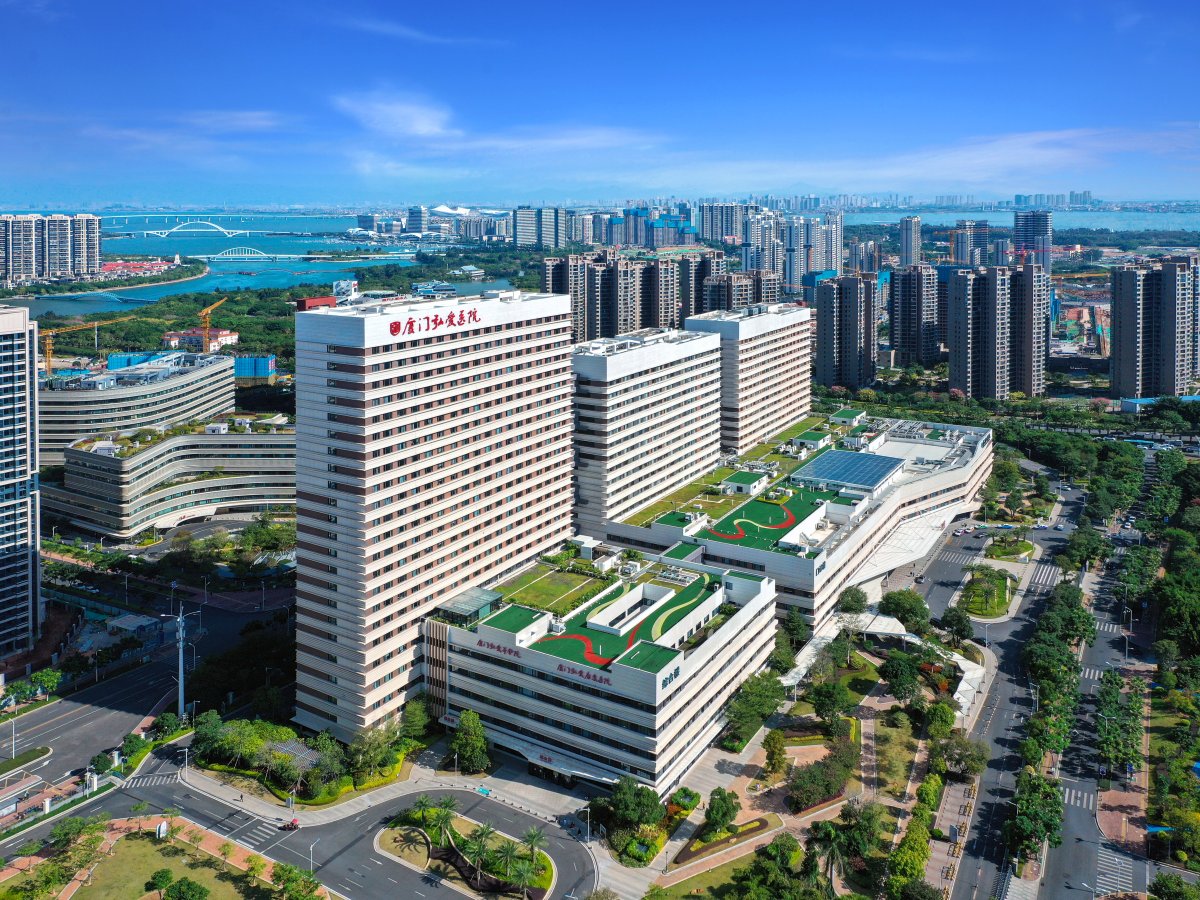
Xiamen Humanity Hospital: clinic profile
- The study patients were treated in the Department of Dermatology at Xiamen Humanity Hospital, which is the clinic itself and not another hospital of a group.
- The first and corresponding author lists Xiamen Humanity Hospital as the affiliation, and the abstract names no other treating hospital.
- The clinic profile is available on Bookimed.
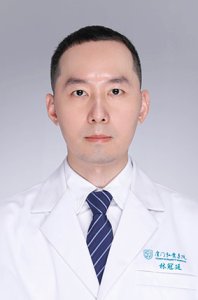
Lin Guanting: doctor profile
- Lin Guanting is the first author of the study and lists the Department of Dermatology at Xiamen Humanity Hospital as the affiliation.
Safety and recovery: general information
General patient guidance, provided separately from the case evidence. Follow your treating team's instructions.
Possible side effects
- General laser skin resurfacing information says treated skin may become darker or lighter than before treatment. This comes from a general source, not from this study.
Ask the clinic how it monitors skin color changes after treatment.
- General laser resurfacing information says infection may occur, and the most common one can be a flare-up of the herpes virus that causes cold sores.
Tell the clinic if you have a history of cold sores.
- General information says small white bumps (milia) and prolonged redness may appear during healing, and scarring is rare but possible.
Ask what is normal during healing and what should be reported.
- General information says swelling can be expected after laser skin resurfacing, and oral steroids may be prescribed for swelling around the eyes.
Ask the clinic how swelling is usually managed.
Recovery and aftercare
- One general source says new skin usually covers the area in 7 to 10 days and full recovery may take at least a month. This is for laser resurfacing in general and the study does not report recovery time.
Ask the clinic for the expected recovery time for the laser it proposes.
Suitability and cautions
- General sources say laser resurfacing may be discouraged if you took isotretinoin in the past year, have a connective tissue or autoimmune disease, a weak immune system, a history of keloid scars or past radiation therapy to the face.
Share your full medical history with the coordinator before booking.
- Another general source says you may not be a good candidate if you have active acne, very dark skin, deep wrinkles or excessive or sagging skin.
Ask the clinic whether any of these apply to you.
When to contact the clinic
- General information says scarring can most often follow infection, which may show up several days after treatment as a localized area of delayed healing.
Contact the clinic if an area seems to heal slowly.
- General information says a fungal infection (candidiasis) may be subtle and show up as prolonged redness and itching.
Contact the clinic if redness and itching last longer than you were told to expect.
- General information says an atypical mycobacterial infection has been reported and may show up as papules or nodules.
Contact the clinic if new bumps or nodules appear in the treated area.
Request a personal plan from the clinic
Ask Xiamen Humanity Hospital about laser treatment for facial pigmentation
Send your photos and medical history to the Bookimed coordinator, who will pass them to the clinic and ask which laser and how many sessions it would suggest for you. The clinic decides whether you are suitable.
Ask the clinic for a current, itemized quotation. Published evidence does not establish package inclusions or a current price.
Frequently asked questions
Who ran this study and where were the patients treated?
The patients were treated in the Department of Dermatology at Xiamen Humanity Hospital in Xiamen, China. The abstract says only 'a tertiary hospital in China', but the first and corresponding author, Guanting Lin, lists this hospital as the affiliation, and no other treating hospital is named. Bookimed did not run the study. We only summarized the published abstract.
Was the 730-nm picosecond laser better than the 532-nm laser?
In this study, yes, on the measures reported. The picosecond group had a posttreatment pigmentation score of 2.55 versus 3.82, an improvement rate of 56% versus 38%, and a side effects score of 0.99 versus 2.25. The study was retrospective and done at one center, so these group results are not a promise for any one patient.
How many people were in the study and who were they?
The study included 131 adults aged 18 to 70 with facial pigmentation disorders. Of these, 85 received the 730-nm picosecond laser and 46 received the 532-nm Q-switched Nd:YAG laser. The abstract does not say which types of pigmentation were included, how many sessions were given or how long patients were followed, so these details should be confirmed with the clinic.
What should I ask the clinic before booking?
Ask which laser the clinic would use for your pigmentation and how many sessions are usually planned. Ask about expected recovery, possible side effects and who to contact if something looks wrong after treatment. Also share your medical history, including past skin treatments and medicines. The study reports group averages and cannot show what your own result would be.
Sources and scope
This page was prepared from the published abstract of the study, its structured numbers and general medical sources on laser skin resurfacing. Bookimed did not run the study or review the full paper.
- 1. Lin et al. – Comparing the efficacy and safety of a 730-nm picosecond laser with a 532-nm Q-switched Nd:YAG laser for facial pigmented disorders: a retrospective comparative study.
Retrospective comparative single-center study · 2026
131 adults aged 18 to 70 with facial pigmentation disorders
Follow-up: Not stated in the abstract
Only the abstract was used, so session counts, scoring scale ranges, baseline scores and follow-up time are not known.
- 2. Mayo Clinic
- 3. American Society of Plastic Surgeons
- 4. Cleveland Clinic
- 5. Seminars in Plastic Surgery (PMC)
- 6. Xiamen Humanity Hospital on Bookimed
- 7. Lin Guanting on Bookimed
Scope and limitations
- A research summary is not an individual medical recommendation.
- Group results describe the study participants, not a forecast for any one patient.
About the editorial team
Prepared by
Bookimed editorial teamMedical content and care coordination
Bookimed prepares evidence summaries from published medical sources and anonymized care records. The clinic and any doctors named on this page are identified separately in their own sections.