

LASIK abroad costs $1,200–$2,200 per eye, a fraction of US prices, at the same JCI-accredited clinics using FDA-approved laser platforms. Countries like Turkey, Thailand, Poland, and Mexico are among the cheapest places for laser eye surgery, with fully packaged procedures at accredited facilities. For comparison, in the U.S., the costs of LASIK eye surgery typically range from $2,000 to $3,600 per eye, but the final price often includes diagnostics, consultations, and aftercare fees that are billed separately.
LASIK uses a laser to reshape the cornea, correcting common vision problems like nearsightedness, farsightedness, and astigmatism. It restores 20/20 vision or better for most people (about 9–10 out of 10 patients), and the procedure itself doesn't take more than 15 minutes per eye. 95–98% of patients report high satisfaction, per a large outcomes review, and the effects are long-lasting.
Key Takeaways
LASIK surgery abroad saves up to 53% compared to the U.S.
While U.S. prices range from $1,900 to $3,600 per eye, accredited clinics in Turkey, Thailand, Mexico, and Poland offer the same procedure for $1,200–$1,750 per eye. Packages at these destinations typically bundle pre-op diagnostics, the laser procedure, and follow-up visits into one transparent quote, making the real saving larger than the headline numbers suggest.
Top destinations, based on Bookimed clinic rankings:
- Turkey: starting at $1,690, total cost $1,690–$1,750 per eye. Largest accredited network, JCI facilities, FDA-approved lasers.
- Thailand: starting at $1,200, total cost $1,200–$2,200 per eye. JCI hospitals with SMILE-capable platforms.
- Poland: starting at $1,500, total cost $1,500–$2,500 per eye. EU-regulated, FEBO-certified surgeons.
All-inclusive LASIK packages typically cover:
- Pre-op eye exam and diagnostics;
- Laser surgery using FDA-approved platforms (WaveLight®, VisuMax®, etc.);
- Post-op medications and 1–2 follow-up visits;
- Hotel stay, airport transfer, and English-speaking coordinator.
Safety and quality standards matter.
Clinics abroad are often accredited by JCI, ISO, or national health authorities. Patient satisfaction rates in recent outcome studies are consistently high.
❗ This page may feature information relating to various medical conditions, treatments, and healthcare services available in different countries. Please be advised that the content is provided for informational purposes only and should not be construed as medical advice or guidance. Please consult with your doctor or a qualified medical professional before starting or changing medical treatment.
Cheapest Countries for LASIK Eye Surgery
Turkey, Thailand, Poland, and Mexico are the four most cost-effective destinations for LASIK eye surgery, with prices starting as low as $1,200 per eye. Against a US baseline of $2,000–$3,600 per eye, patients routinely save 25–50% while accessing JCI-accredited facilities using FDA-approved laser platforms identical to those used at home. The prices below are per eye and reflect packages at accredited clinics that bundle the pre-op exam, the laser procedure, and follow-up visits into one quote.
| Country | LASIK Price per Eye (USD) | Savings vs US Baseline |
|---|---|---|
| Turkey | $1,690–$1,750 | up to 50% |
| Thailand | $1,200–$2,200 | up to 40% |
| Poland | $1,500–$2,500 | up to 25% |
| Mexico | $1,500–$3,000 | up to 25% |
| United States (baseline) | $2,000–$3,600 | |
| United Kingdom (baseline) | $2,000–$3,000 |
A useful rule of thumb when comparing destinations: Turkey and Thailand offer the strongest price-to-volume ratio; both countries have large specialist clinics where LASIK is performed daily, which typically supports surgeon skill and clinic workflow. Poland sits in the European regulatory framework, which reassures patients who want FEBO-trained surgeons and EU medical liability standards. Mexico's the logical choice for US-based patients looking to avoid a long-haul flight.
Two things matter when reading a table like this. First, the cheapest headline number rarely tells the whole story: a $1,200 package and a $2,000 one may differ in laser platform, surgeon experience, and the number of follow-up visits included. Second, prices abroad usually cover diagnostics and aftercare that aren't included in US or UK quotes, making the real saving larger than the headline figures suggest. For context, many US practices invoice the pre-op corneal topography map, the laser procedure itself, post-op follow-up consultations, and medications as separate line items; an all-inclusive quote from a Turkish or Thai clinic bundles all of these into a single price.
SMILE eye surgery is available at select centres in Turkey and Thailand but sits outside the Bookimed booking flow for this procedure code, so there's no SMILE pricing in the table above. SMILE uses a keyhole technique without creating a corneal flap, which reduces one category of flap-related complications. Patients who're interested in SMILE should ask about availability and pricing when requesting a quote directly from the clinic.
What's Included in a Standard LASIK Package
A standard LASIK package includes everything from a pre-surgery eye exam to post-op checkups. It typically covers consultation, corneal mapping, the LASIK procedure itself, medications, and 1–2 follow-up visits. Modern LASIK is quick, effective, and safe when it's performed by experienced professionals.
According to the data provided by the Mayo Clinic, the LASIK process begins with a thorough eye exam that measures corneal thickness, pupil size, and overall eye health to determine if the patient is a good candidate.
The procedure includes:
- Topical anesthetic drops;
- Creation of a corneal flap;
- Laser reshaping of the corneal tissue;
- Flap repositioning.
After surgery, patients receive prescription eye drops to prevent infection and reduce inflammation. Post-op care involves 1–2 follow-up visits to monitor healing and visual improvement.
The package often also includes post-surgical consultations and detailed recovery guidelines, which are key to long-term success. It's worth reviewing what's bundled before you compare headline prices across destinations.
LASIK for $1,690–$1,750 in Turkey: Best Value
LASIK eye surgery in Turkey offers high-quality treatment at a fraction of the price patients pay in the U.S. or the UK. Prices typically range from $1,690 to $1,750 per eye, depending on the clinic and laser technology used. Packages often include pre-surgery consultations, the LASIK procedure itself, medications, and follow-up visits. Clinics in Istanbul and other major cities use FDA-approved laser systems like WaveLight® and VISX Star S4 IR®, operated by internationally trained ophthalmologists.
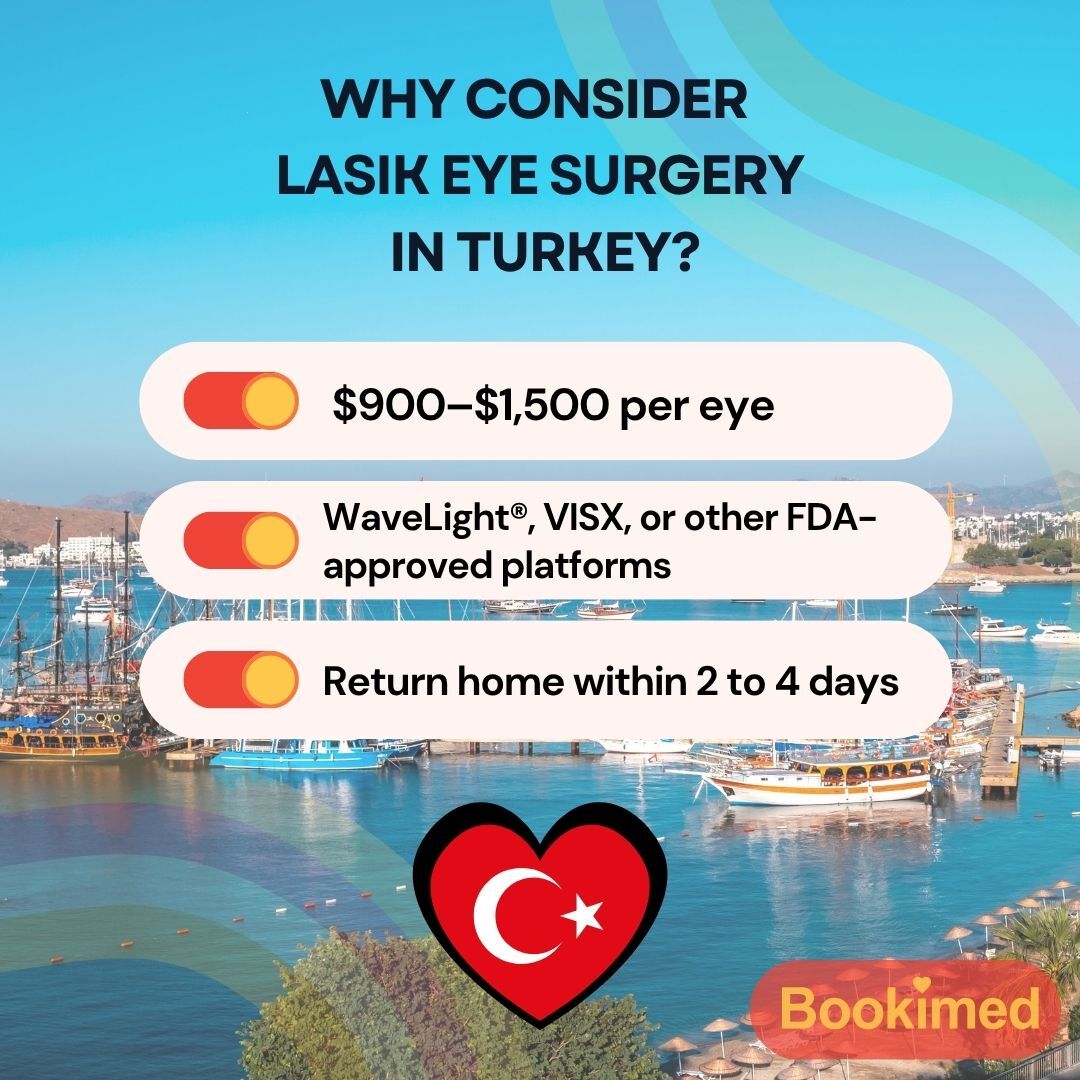
Turkey's become a leading destination for vision correction surgery due to its combination of affordability, safety, and technology. The country is among the cheapest places for laser eye surgery. LASIK costs in Turkey are up to 50% lower than in the U.S., where the same procedure may cost $2,000–$3,600 per eye. Turkish clinics are regulated by the Ministry of Health, and many hold accreditations from the JCI. These facilities adhere to global safety protocols and treat thousands of international patients annually. With personalised care, transparent pricing, and high satisfaction rates, Turkey offers one of the best cost-to-quality ratios for LASIK.
Curious how Turkey compares to other countries? Let's break down the global LASIK price landscape.

- Vivat Komolsuradej is considered one of Thailand's leading experts in refractive error correction surgery.
- Laser Vision at Bangkok Eye Hospital attracts international patients from Arab League countries, Asia, USA, Canada, and Australia.
- Included Services: Post-operative care, parking, corneal topography, doctor consultation, preoperative tests, blood tests, medications, post-op medications, anti-HIV test, language assistance, surgeon and ophthalmologist consultations.
- Stay Info: Accommodation is not included; no hotel stay is required.
- Technique: SMILE Pro™ 2.0 for nearsightedness, farsightedness, and astigmatism correction.
- Dr. Jordi Mones is a renowned expert in advanced macular degeneration imaging techniques and treatment protocols.
- Centro Médico Teknon is the No.1 choice for celebrities, sportsmen, and politicians for medical treatments.
- Included Services: Consultation with an ophthalmologist, Individual patient room.
- Stay Info: 1 day stay in the hospital, 3 days stay in the hotel (not included in the price).
- Semih Urvasızoğlu has performed over 35,000 surgical cases and won two national eye health awards.
- Valued Med Hub Hospitals holds an International Health Tourism Authorization Certificate and treats 300 international patients annually.
- Included Services: Consultation with an ophthalmologist, corneal topography, airport-hotel-clinic-airport transfers.
- Stay Info: 3 days hotel stay recommended; accommodation is not included in the price.
- Dr. Ahmet Satici has performed over 20,000 surgical cases in his career.
- Private Bagcilar Safak Hospital serves 36,000 patients annually from various continents.
- Included Services: Video or text consultation, consultation with a doctor, local anesthesia, preoperative tests, follow-up examination, language assistance, consultation with a surgeon, consultation with an ophthalmologist.
- Dr. Ahmet Satici has performed over 20,000 surgical cases in his career.
- Private Bagcilar Safak Hospital serves 36,000 patients annually from Europe, the USA, and more.
- Included Services: Video or text consultation, consultation with a doctor, local anesthesia, preoperative tests, follow-up examination, language assistance, consultation with a surgeon, consultation with an ophthalmologist, 3* hotel, transfer to the hospital.
- Stay Info: 3 days stay in a 3* hotel included in the price.
- Technique: LASIK eye surgery.
What Affects the Cost of LASIK Eye Surgery?
The cost of LASIK eye surgery typically ranges from $2,000 to $3,600 per eye in the U.S., depending on several factors. These factors include the technology used (e.g., femtosecond or bladeless lasers), the surgeon's expertise, the clinic's reputation, geographic location, and what's included in the package. According to the American Refractive Surgery Council, additional services, such as pre-operative tests, post-operative care, or enhanced visual correction methods, may increase total costs. Since LASIK is an elective procedure, it isn't covered by insurance in most cases.
LASIK prices can vary significantly, with costs ranging from $2,000 to $3,600 per eye in countries like the U.S., and lower in destinations such as Turkey or Thailand. Several factors determine how much a patient ultimately pays. According to the American Refractive Surgery Council and the Mayo Clinic, the following elements most commonly affect LASIK pricing:
- Laser technology used. Clinics using femtosecond (bladeless) or wavefront-guided lasers typically charge more due to the enhanced precision and safety they offer.
- Surgeon's expertise and certifications. Highly experienced ophthalmologists or those trained internationally may have higher fees.
- Geographic location. Costs are higher in large urban centers, such as New York or London, and lower in countries like Mexico or Poland.
- Type of clinic. Premium private eye hospitals, equipped with modern technology and JCI/ISO accreditation, often charge more than general clinics.
- Services included. Packages may or may not include consultations, diagnostics, post-op visits, and medications.
- Surgical technique. More customized treatments, such as topography-guided or SMILE LASIK, come at a premium.
- Follow-up care and recovery. Extended monitoring or longer in-person follow-up may raise the cost, especially for international patients.
| Factor | Impact on Cost |
|---|---|
| Laser technology | Femtosecond or topography-guided lasers cost more due to precision and speed |
| Surgeon's qualifications | International training or board certification often increases surgeon fees |
| Location | Clinics in major cities or developed countries charge more |
| Facility type | Specialized laser eye centers with accreditations tend to be more expensive |
| Package inclusions | Pre-op tests, medications, and follow-up care add to the base procedure cost |
| Technique used | SMILE or wavefront-optimized LASIK usually has higher pricing than standard LASIK |
| Personal needs | Time off work, travel expenses, and support during recovery may affect the total cost |
Since LASIK is classified as an elective procedure, it's rarely covered by health insurance, as noted by the American Academy of Ophthalmology and the U.S. Centers for Medicare & Medicaid Services.
Bookimed helps patients compare LASIK packages worldwide, taking into account technology, surgeon expertise, and service inclusions to ensure the best value and safest results.
The American Refractive Surgery Council identifies laser technology, location, and package inclusions as the main price drivers. An all-inclusive package abroad, bundling diagnostics, the laser, and follow-up in one quote, often costs less than a lower advertised base price at home once each add-on is counted.
LASIK in Turkey: Cost, Clinics, and Recovery
Turkey is the most requested LASIK destination on Bookimed, and the numbers explain why. Prices run $1,690–$1,750 per eye, saving patients up to 50% against the US baseline of $2,000–$3,600. The country has a large network of accredited eye clinics, with facilities in Istanbul and Antalya using FDA-approved platforms (WaveLight EX500, VISX STAR S4 IR, and VisuMax) identical to those found at Western European and North American centres.
What the package covers
Standard Turkish all-inclusive LASIK packages bundle the pre-op corneal mapping and refraction check, the laser procedure, prescription eye drops, and at least one in-person follow-up visit. Most Istanbul and Antalya eye hospitals also include the hotel transfer and a dedicated English-speaking coordinator, which is a real practical advantage for patients who aren't familiar with navigating a foreign healthcare system.
Recovery and realistic results
Most patients notice a sharp improvement in distance vision within the first 24–48 hours. Dryness and mild light sensitivity are common for the first few weeks and they'll settle with preservative-free artificial tears. Patient satisfaction rates in outcome studies are consistently high across recent data.
One honest trade-off
Book at least three to four weeks ahead. Top-rated Istanbul and Antalya clinics have high patient volumes, and last-minute slots for international visitors are rare. You'll need a minimum of two nights in-country: the first for the pre-op screening and the second for the post-op follow-up before your return flight. Patients flying home to the UK or North America should also factor in dry cabin air on the outbound leg, which can worsen temporary post-op dryness; carry preservative-free drops in your hand luggage.
Highest-rated clinics for LASIK eye surgery
Dunyagoz Eye Hospital Istanbul Etiler
Dr. Anil Kubaloglu brings 27 years of ophthalmology expertise with 30,000+ eye surgeries performed. Wavefront-guided LASIK at Dunyagoz Eye Hospital may cost around $1,630 for both eyes – typically covering surgery, pre-op diagnostics, 2-3 nights stay, transfers, and follow-up checks. The clinic holds DIN EN ISO 9001 accreditation and offers multilingual support. Dr. Kubaloglu is ESCRS certified with international training.
| treatment | |
|---|---|
| LASIK eye surgery | |
Dunyagoz Eye Hospital Antalya
Dr. Hakan Sivrikaya brings of ophthalmology experience with 900+ laser vision corrections performed. LASIK procedures typically cost around $1,400–covering the surgery for both eyes, pre-operative exams, 2-3 nights' hospital stay, and airport transfers. Trained at Istanbul University and Moscow Eye Hospital, Dr. Sivrikaya holds memberships with ESCRS, AAO, and ISRS. The clinic is ISO 9001 certified by TÜV NORD CERT and specializes in multiple laser techniques including SMILE and bladeless LASIK.
| treatment | |
|---|---|
| LASIK eye surgery | |
Valued Med Hub Hospitals
Dr. Derda Ozer has performed 900+ vision correction procedures over , specializing in Femto iLASIK, NoTouch PRK, and Smile iLASIK techniques. The procedure may cost around $1,600–$2,600, typically covering pre-op tests, surgery, supplies, transfers, and follow-up care. Dr. Ozer holds an ICO-STAAR surgical fellowship and has published 36+ research papers. The clinic holds International Health Tourism Authorization and maintains a 98% patient recommendation rate.
| treatment | |
|---|---|
| LASIK eye surgery | $1,500 - $1,700 |
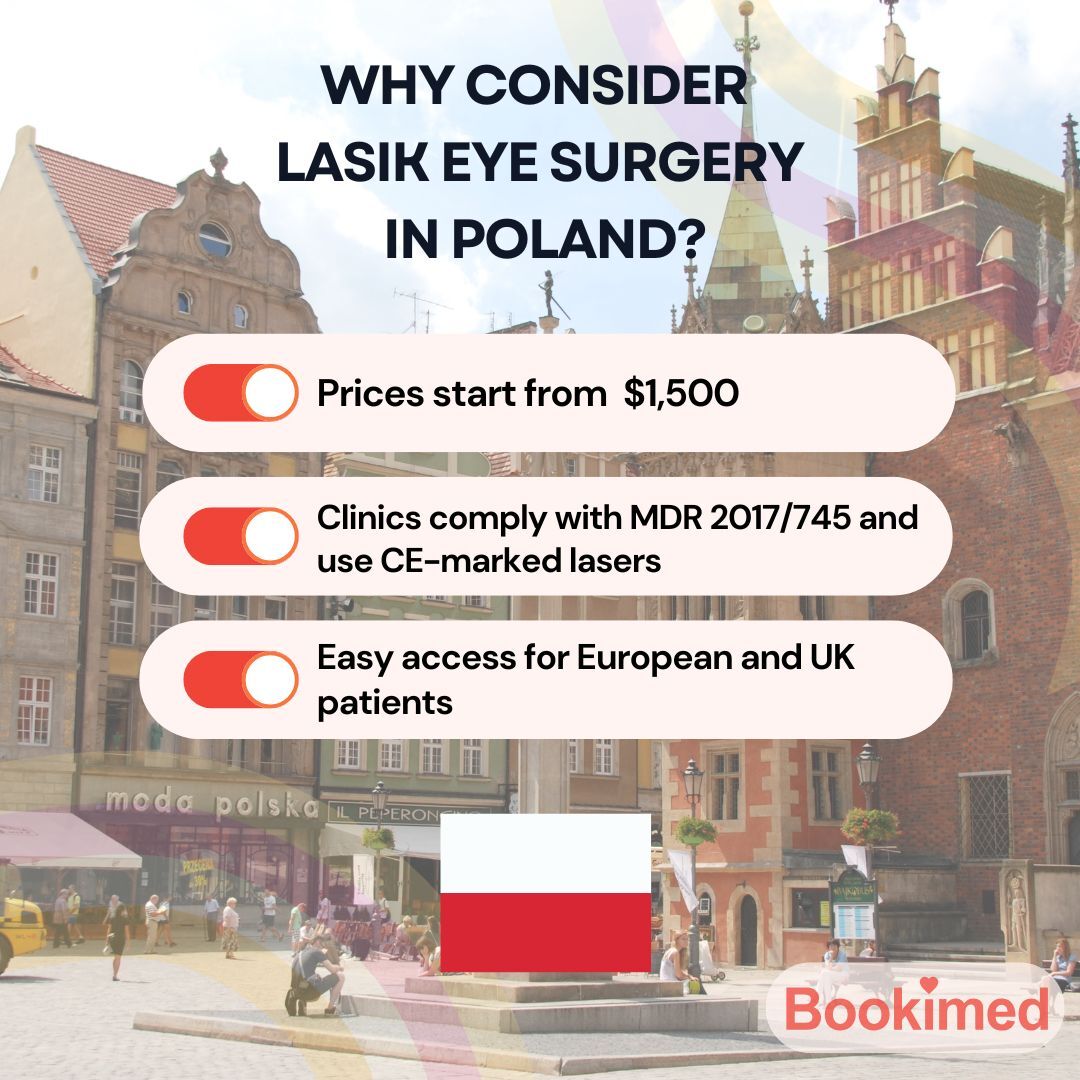
LASIK in Poland: Trusted European Quality
Poland offers LASIK at $1,500–$2,500 per eye, up to 25% below UK and German prices for the same EU-regulated standard of care, making it a practical choice for patients from the UK, Ireland, Germany, and Scandinavia who prefer a short-haul flight and familiar regulatory standards. Surgeons in Warsaw, Krakow, and Wroclaw hold FEBO certification from the European Board of Ophthalmology, the same credential required in Western European countries, and clinics operate under EU medical device regulations with the identical laser platforms used across the continent. The EU framework also means that post-operative complications follow established liability protocols, which is a meaningful safeguard for international patients.
The European quality case
For patients based in the UK or Western Europe, Poland is the closest destination with a meaningful price gap. A return flight from London to Warsaw takes under three hours, and the legal and regulatory framework is the same EU structure patients are already familiar with. Bookimed's clinic data for Poland shows LASIK packages that bundle pre-op diagnostics, the procedure, and a follow-up into one transparent quote, with no hidden fees; there's no separate charge for the pre-op corneal map.
Verified eye centres
Two clinics currently listed on Bookimed for LASIK in Poland are Dom Lekarski and Beauty Poland - Plastic Surgery Poland, both in Warsaw. Dom Lekarski has been treating patients since 1989 and offers a range of refractive procedures; Beauty Poland specialises in medical-tourism packages for international patients. Both work with Bookimed-coordinated bookings and accept English-speaking patients.
Highest-rated clinics for LASIK eye surgery
Dom Lekarski
Dom Lekarski is a multi-specialty medical center in Szczecin, Poland. The facility treats both children and adults. Its main specialties are ophthalmology, orthopedics, and ENT services. Since 2021, the clinic has been part of the Medicover Group. This network includes four medical centers and two hospitals across the city.
The clinic was founded in 2001. A team of over 150 physicians works here. Specialists handle integrated care from diagnostics to surgery and rehabilitation. In ophthalmology, the team uses advanced laser technologies like FemtoLASIK and EBK. Orthopedic services include arthroscopy of the knee, shoulder, and ankle. ENT treatments feature endoscopic techniques for sinus conditions and adenoid removal.
| treatment | |
|---|---|
| LASIK eye surgery | $1,000 - $2,000 |
Beauty Poland - Plastic Surgery Poland
Beauty Poland - Plastic Surgery Poland offers LASIK eye surgery with pricing typically ranging from $2,000 to $3,100. The clinic features modern facilities and adheres to international standards for safety.
One honest trade-off
The Bookimed network in Poland is smaller than in Turkey or Thailand, which means there are fewer options to compare side by side on price, laser platform, and surgeon profile. If having multiple clinic quotes to compare matters to you, Turkey's the better pool. For UK and Western European patients who value proximity, a short flight, and EU-regulated care at a price up to 25% below home-country rates, Poland is a well-matched choice.
LASIK in Thailand: Advanced Technology, Lower Cost
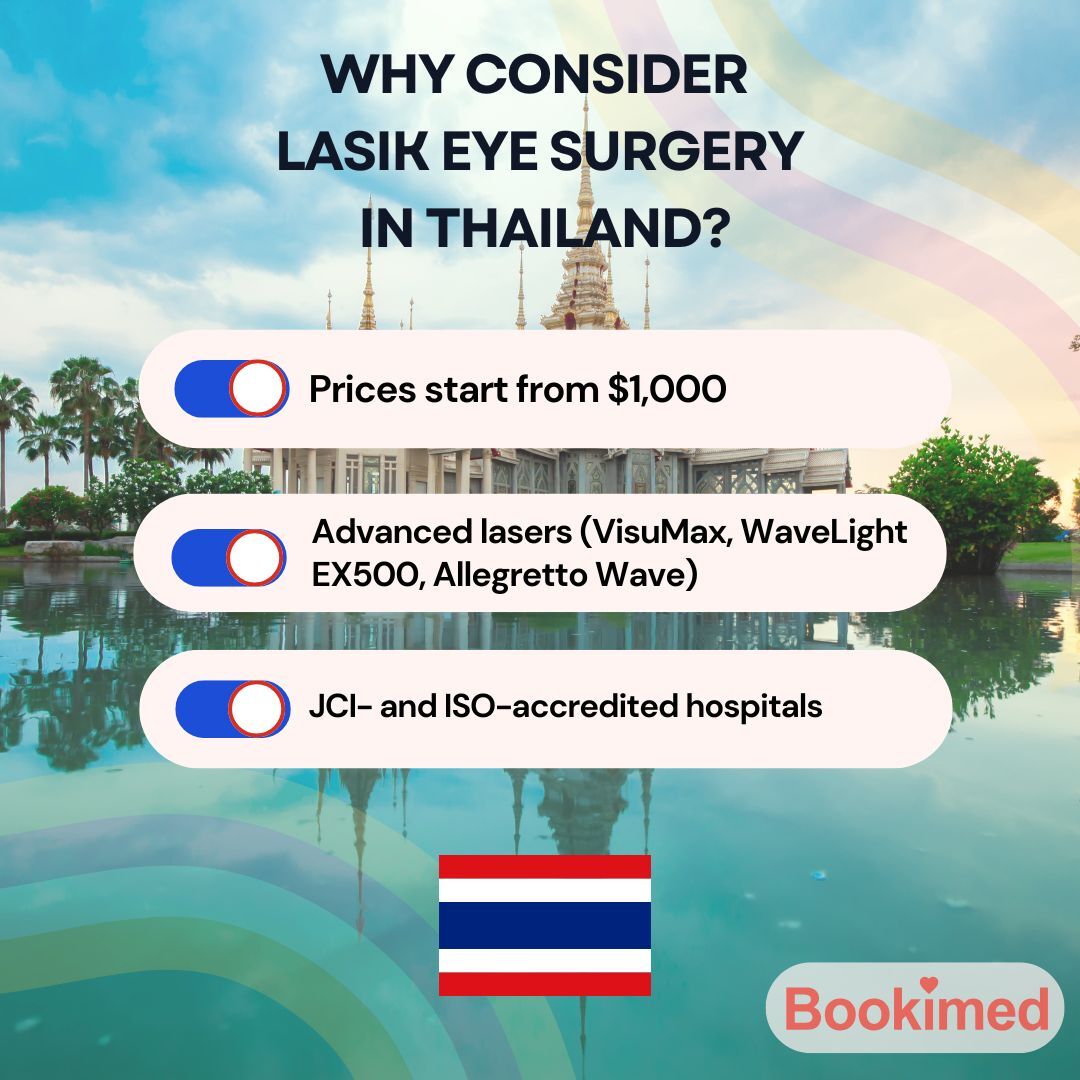
Thailand offers LASIK at $1,200–$2,200 per eye, the lowest starting price among the four destinations covered here. Bangkok hospitals, several of them JCI-accredited, have invested heavily in current laser platforms including SMILE-capable Zeiss VisuMax units and WaveLight EX500 systems. The concentration of specialist eye centres in the city, combined with Thailand's established medical-tourism infrastructure, means patients benefit from strong pre-op and post-op support without piecing it together themselves.
Why Bangkok stands out
A number of Bangkok eye centres treat high volumes of international LASIK patients, which translates into surgeon familiarity with the specific concerns non-Thai patients bring: managing follow-up remotely once they're home, coordinating the operative report with a local optometrist, and navigating post-op dry eye in a humid climate. Bumrungrad International Hospital and Bangkok Hospital Pattaya both have dedicated international patient departments, and several Bangkok specialist eye centres offer next-day consultation-to-procedure scheduling for visitors on tight itineraries.
Recovery and realistic results
Patient satisfaction rates with LASIK in Thailand are consistently high in recent outcome studies. Most patients see a clear improvement within 24–48 hours; mild dryness and light sensitivity don't usually last more than a few weeks with preservative-free drops.
One honest trade-off
Long-haul travel is the main planning challenge. Don't fly out on the day of surgery unless you have no alternative; cabin pressure changes and dry recycled air both aggravate early post-op dry eye. The FAQ section of this article covers flight timing guidance in detail. Plan for at least two nights in Bangkok after the procedure.
Highest-rated clinics for LASIK eye surgery
Intrarat Hospital
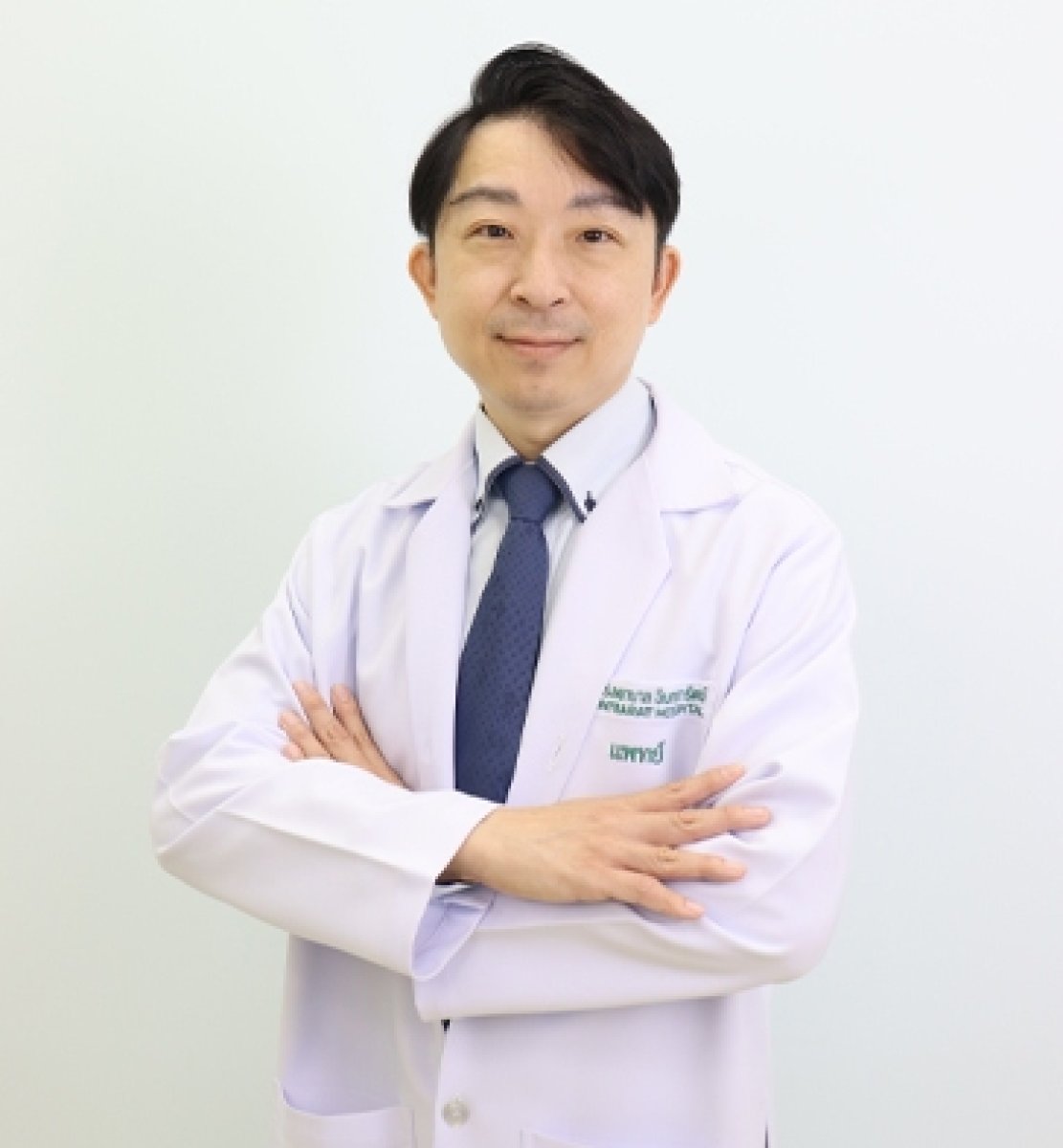
Dr. Sasi Yaisawang has performed 1,100+ LASIK procedures over 12 years, specializing in cornea and refractive surgery. Femto-LASIK for both eyes may cost around 75,000 THB – typically covering surgery, anesthesia, 1-day hospital stay, and pre-op consultation. The clinic is ISO 9001:2015 certified, ensuring international quality standards. Dr. Yaisawang holds a Cornea and Refractive Surgery Specialist certificate and is a Fellow of the International Council of Ophthalmology.
| treatment | |
|---|---|
| LASIK eye surgery | |
TRSC International Eye and Vision Center
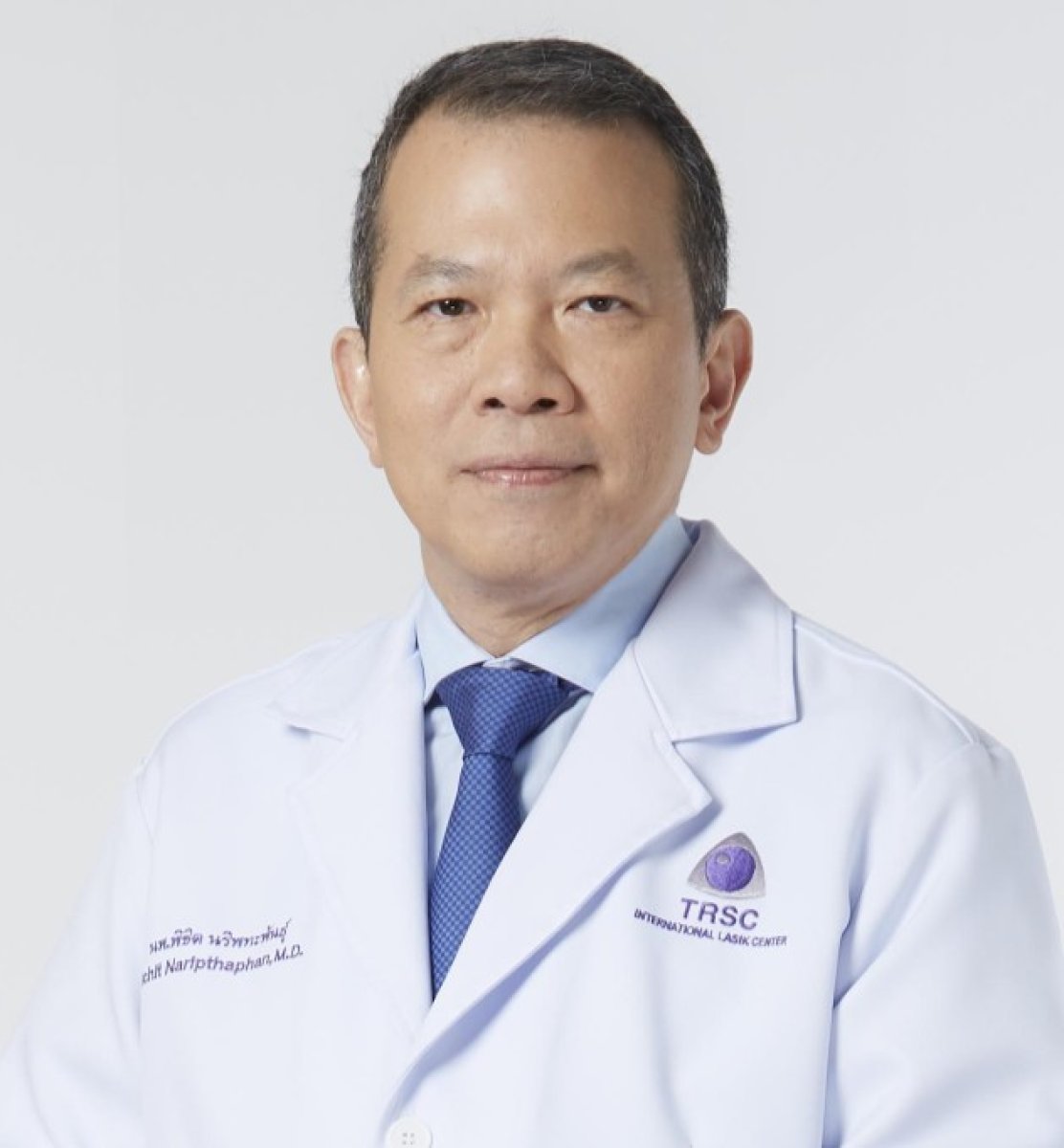
TRSC International Eye and Vision Center pioneered LASIK in Thailand with 100,000+ successful procedures. The clinic specializes exclusively in ophthalmology using advanced technologies like ReLEx SMILE. Same-day discharge is typical for this outpatient procedure. As Thailand's first standalone LASIK center, it serves international patients with comprehensive pre-op education.
| treatment | |
|---|---|
| LASIK eye surgery | $2,641 - $3,532 |
Laser Vision at Bangkok Eye Hospital
Assoc. Prof. Dr. Anun Vongthongsri has performed 100,000+ procedures over more than 25 years. This clinic was the first in Asia to achieve AACI accreditation for specialized eye care. FemtoLASIK typically costs around $2,300, which generally covers the evaluation, follow-up visits, and home care supplies. For advanced options, the SMILE Pro 2.0 package is around $2,700 and may include a hotel stay. The facility uses robotic diagnostics and VisuMax 800 technology for fast recovery.
| treatment | |
|---|---|
| LASIK eye surgery | |
Safety and How to Choose a Clinic Abroad
LASIK surgery is generally safe, with complication rates below 1%, according to the American Refractive Surgery Council. Still, when traveling abroad, safety depends on clinic accreditation, surgeon qualifications, and technology standards. Patients should seek out internationally certified facilities, board-certified ophthalmologists, and clear follow-up care plans to minimise risks such as dry eyes, infections, or undercorrection. Choosing carefully reviewed clinics reduces the chance of complications and it's one of the simplest steps towards a safe recovery.
Although LASIK is one of the most performed and safest elective procedures, undergoing it abroad requires extra caution. The American Academy of Ophthalmology states that fewer than 1 in 100 patients experience complications, especially when the procedure is done in well-equipped clinics using advanced lasers like femtosecond and wavefront-guided systems.
Key safety guidelines from Bookimed include:
- Select JCI- or ISO-accredited clinics. These follow strict sterilisation, equipment maintenance, and safety protocols in line with international standards.
- Ensure your surgeon is board-certified in ophthalmology and has a proven track record of performing LASIK and other refractive procedures.
- Undergo proper screening, including tests for corneal thickness, tear production, and retinal health, to confirm eligibility for LASIK.
- Verify the type of laser technology used. Clinics should offer modern platforms such as VISX STAR S4 IR, WaveLight EX500, or SMILE by Zeiss.
- Plan for follow-up care, even if it's virtual. Clinics treating international patients often include post-op check-ins to monitor healing and vision outcomes.
Turkey, Thailand, Mexico, and Poland are well-established destinations for LASIK procedures due to their skilled surgeons and stringent medical oversight. Still, it's worth confirming a clinic's credentials and asking detailed questions before you're committed to a booking.
Bookimed only partners with verified clinics, offering patients a safe path to high-quality surgery with transparent pricing, expert care, and dedicated support throughout the journey.
For surgeon verification, the credential depends on the destination. In Poland or the Czech Republic, your Bookimed coordinator can confirm FEBO certification from the European Board of Ophthalmology. In Thailand, Bookimed only lists ophthalmologists who have completed a verified residency. Ask your coordinator to share the clinic's credential documentation before paying any deposit.
The honest trade-off of surgery abroad is continuity of follow-up once you're home. Before booking, confirm which post-op checks your local optometrist can handle, and ask the clinic to share the operative report so that healing can be monitored remotely. It's a simple step that's easy to overlook.
LASIK Qualification Requirements
Not everyone is a candidate for LASIK eye surgery. According to the American Academy of Ophthalmology (AAO), ideal patients are over 18, have a stable vision prescription for at least a year, and are free from eye diseases such as glaucoma or keratoconus. Candidates must have adequate corneal thickness and good general health. LASIK is often timed after the eyes have stabilised, especially after pregnancy, major hormonal shifts, or age-related changes. Most surgeons also require a detailed eye exam before they'll confirm eligibility.
Key requirements include:
- Age 18 or older (most surgeons prefer patients to be at least 21, with a prescription that's been stable well into their mid-twenties, to reduce the risk of future refractive changes);
- Stable vision for at least 12 months, with minimal change in prescription;
- Healthy eyes, meaning no active infections, inflammation, severe dry eye, keratoconus, or glaucoma;
- Sufficient corneal thickness, as thinning may increase the risk of complications;
- No pregnancy or breastfeeding, due to temporary vision fluctuations caused by hormones;
- No chronic or autoimmune conditions that impair wound healing, such as lupus or uncontrolled diabetes.
Surgeons will also ask patients to stop wearing contact lenses before evaluation:
- Soft lenses: stop 2 weeks before; toric or astigmatic soft lenses 3 weeks;
- Hard or gas-permeable lenses: at least 4 weeks.
According to the National Eye Institute (NEI), patients must undergo a full pre-surgical screening, including corneal mapping, dry eye evaluation, and pupil size assessment. These help tailor the procedure and rule out contraindications.
Patients who don't qualify for LASIK may still be eligible for alternatives, such as PRK or ICL (Implantable Collamer Lenses).
Need help checking your eligibility or finding clinics with advanced diagnostics? Bookimed's medical coordinators are here to assist at no cost. They'll help arrange consultations, review reports, and recommend the best timing and destination based on your vision and health profile.
LASIK Risks, Benefits, and Alternatives
LASIK eye surgery is generally safe and effective; however, like all medical procedures, it carries potential risks. According to the American Academy of Ophthalmology (AAO) and the FDA, possible complications include dry eyes, glare, halos, or undercorrection. Benefits include improved vision, freedom from glasses or contact lenses, and fast recovery. Most patients reach strong uncorrected distance vision, and patient satisfaction rates are consistently high in recent studies. Alternatives such as PRK, SMILE, and implantable contact lenses (ICLs) may be suitable for individuals with thin corneas or dry eye issues. A full eye exam is essential to determine the best and safest option.
It's essential to understand the potential risks and compare them with the benefits and available alternatives before you're making a final decision.
LASIK Surgery Risks
(According to AAO, Mayo Clinic, and FDA):
- Dry eye syndrome. Up to 30% of patients may experience temporary or chronic dryness after surgery.
- Visual disturbances, including glare, halos, and double vision, are particularly noticeable at night.
- Undercorrection or overcorrection. May require enhancement surgery.
- Flap complications. Rare issues with the corneal flap during healing.
- Loss of vision. Extremely rare but possible in poorly selected cases.
Following all post-operative instructions and choosing an experienced surgeon greatly reduces these risks.
LASIK Surgery Benefits
- Fast and long-lasting results. Most patients achieve 20/20 vision or better within 24 to 48 hours.
- Reduced or eliminated dependence on glasses or contacts.
- Quick recovery. Most return to work and regular activities within 1–2 days.
- Proven success. Satisfaction rates exceed 95%, with millions of procedures performed worldwide.
A less-discussed risk is corneal neuralgia: chronic neuropathic pain in roughly 1–2% of patients, which doesn't resolve with standard lubricating drops and requires specialist care such as autologous serum drops or scleral lenses. Ask your surgeon whether pre-op ectasia screening and corneal topography mapping have been done; they're used to identify higher-risk candidates before surgery.
LASIK Surgery Alternatives
- PRK (Photorefractive Keratectomy). Better for patients with thin corneas or dry eyes, though recovery is more prolonged.
- SMILE (Small Incision Lenticule Extraction). Newer, less invasive procedure with minimal flap complications.
- ICL (Implantable Collamer Lens). Works well for patients who are not candidates for LASIK.
- Glasses and contact lenses. Safest option with no surgical risks.
According to the AAO and European Society of Cataract & Refractive Surgeons (ESCRS), a detailed consultation with a certified ophthalmologist is essential to determine the safest and most effective approach based on eye health, vision stability, and lifestyle needs.
If you're uncertain about which method suits your eyes or travel plans best, Bookimed medical coordinators are here to help. Get free expert guidance to compare procedures, clinics, and LASIK alternatives tailored to your goals.
| LASIK Surgery Benefits | LASIK Surgery Alternatives | LASIK Surgery Risks |
|---|---|---|
| Most patients achieve 20/20 or better within 48 hours | PRK. Best for thin corneas or dry eyes, but longer healing time | Dry eye syndrome (temporary or chronic in ~30% of cases) |
| Freedom from glasses or contact lenses | SMILE. Minimally invasive with fewer flap-related issues | Glare, halos, or poor night vision |
| Fast recovery, return to normal activity within 1–2 days | ICL. Implantable lenses suitable for non-LASIK candidates | Undercorrection or overcorrection may require follow-up |
| High patient satisfaction and long-term cost savings | Glasses or contacts. Non-surgical, safe, and widely available | Flap complications during healing (rare) |
Let a Bookimed coordinator help you compare LASIK, SMILE, and PRK options worldwide. Their support is always free and personalised.
Results and What to Expect
Patients describe LASIK as one of the most rewarding decisions they have made. According to a large outcomes review, most patients achieve strong uncorrected vision, and satisfaction is consistently reported at 95–98%.
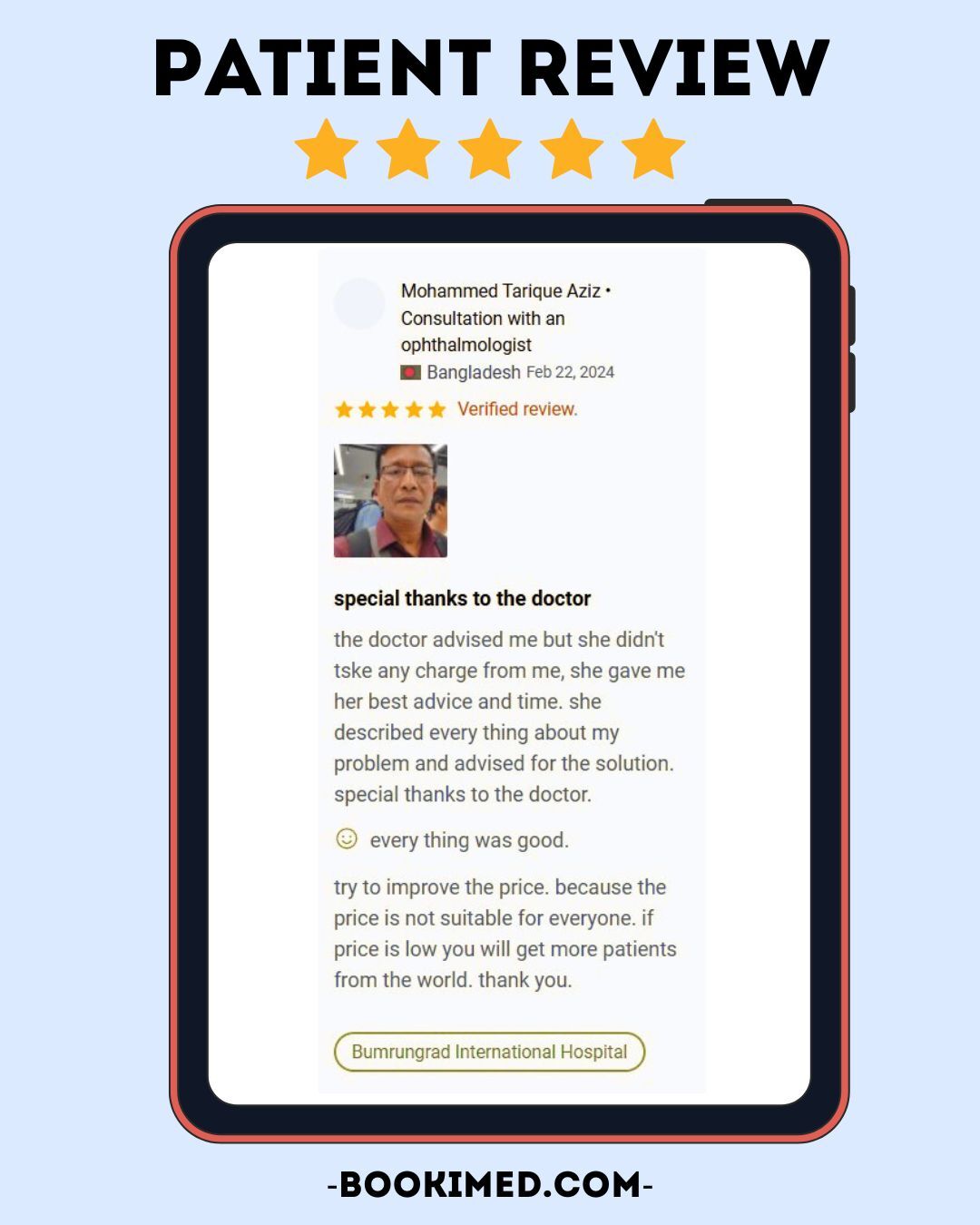
Most experience significant improvements within the first 24–48 hours, with minimal discomfort and a short recovery period. Long-term results remain stable for years, especially in patients over 25 whose vision's stopped changing. Read these patient reviews and see what to expect from LASIK surgery, and why it's worth considering:
LASIK corrects distance vision, but it doesn't prevent age-related presbyopia. From your mid-forties onwards, as the eye's lens naturally loses flexibility, you may still need reading glasses for close work even if your distance vision remains sharp. That's a normal part of ageing, not a failure of the original procedure.
Cost vs Quality: How to Decide and Next Steps
Before booking LASIK abroad, it's crucial to evaluate both the affordability and the standards of care. While countries like Turkey, Poland, and Thailand offer LASIK for $1,200–$2,200 per eye, up to 53% less than in the US, UK, or Australia, the quality of technology and surgeon experience can vary. To make an informed decision, patients should consider not only the clinic's pricing but also international accreditations, such as JCI or ISO 9001, as well as the American Board of Ophthalmology memberships. A thorough cost breakdown, realistic expectations, and a clear aftercare plan won't just save money; they'll help avoid regrets.
Laser vision correction Pre-Decision Checklist
Financial check
- Calculate total cost (surgery, travel, follow-ups); review upgrades like femto-LASIK or SMILE (American Academy of Ophthalmology);
- set a contingency budget;
- confirm insurance and travel documents.
Quality check
- Confirm your surgeon's credentials via your Bookimed coordinator: FEBO, ESCRS membership, and board certifications are listed on the clinic profile;
- confirm clinic accreditation (JCI; ISO 13485);
- check laser platforms (WaveLight; VisuMax);
- review real patient outcomes.
Personal readiness
- Ensure vision stability (12+ months);
- align expectations with realistic outcomes;
- plan recovery (2–4 days abroad);
- consider a second opinion or medical coordinator
This support is provided completely free of charge to patients.
FAQs
Why do patients go abroad?
Not just for the price, but also for short wait times, modern laser tech, and personalized care in top medical travel hubs like Istanbul, Bangkok, and Tijuana.
The average cost of LASIK eye surgery in the U.S. ranges from $2,000 to $3,600 per eye, depending on the technology, surgeon experience, and aftercare services, according to the American Refractive Surgery Council. However, the advertised base price often excludes essential components, such as consultations, follow-ups, or bladeless techniques, which can significantly raise the total. It's worth asking for a fully itemised quote.
For those seeking a more affordable yet high-quality alternative, medical tourism destinations like Turkey, Thailand, and Mexico offer LASIK packages at 25–53% lower prices. These countries feature Joint Commission International (JCI)-accredited clinics, modern laser platforms (e.g., WaveLight, VISX), and internationally trained surgeons.
According to the American Academy of Ophthalmology, newer LASIK technologies enhance safety and precision, making the choice of the eye surgery provider even more important.
Affordability shouldn't come at the cost of quality. Patients are encouraged to examine what's included in the price, such as post-operative care and advanced lasers, to ensure long-term success.
Is LASIK painful?
No, LASIK is generally painless. Numbing eye drops are used before the procedure, so patients typically feel only mild pressure. Some individuals may experience temporary dryness, light sensitivity, or slight discomfort during the first 24 to 48 hours, but it doesn't usually last.
How long does the LASIK procedure take?
The actual laser part of LASIK takes only a few minutes per eye. However, the full visit, including preparation and post-op observation, usually lasts 1 to 2 hours, so you'll want to allow for that in your schedule.
When can I return to work or daily activities after LASIK?
Most patients can return to work within 24 to 48 hours. However, it's best to avoid strenuous exercise, swimming, and rubbing your eyes for at least a week, as your cornea won't be fully healed until then.
Can I undergo LASIK if I have astigmatism or dry eyes?
Yes, LASIK can correct mild to moderate astigmatism. Patients with dry eye syndrome may also be eligible, but they'll need to be evaluated carefully. In some cases, pre-treatment with artificial tears or punctal plugs may be recommended.
What's the difference between LASIK and other laser procedures like PRK or SMILE?
LASIK involves creating a flap in the cornea, while PRK removes the surface layer without a flap. SMILE uses a keyhole technique with no flap. Each has unique pros and cons, and suitability depends on corneal thickness, lifestyle, and visual needs.
Is LASIK a permanent solution for vision correction?
LASIK results are generally long-lasting for most patients. However, natural aging processes, such as presbyopia (loss of near vision after 40) or cataracts that may develop later in life, can still affect vision, and you may find you'll need reading glasses or other corrective interventions eventually.
Can LASIK be redone if vision changes over time?
Yes, enhancement procedures are possible if vision shifts significantly. They're typically done after your vision has stabilised, usually a few months to a few years after the original surgery.
Is it safe to travel after LASIK surgery abroad?
Avoid flying on the day of surgery, cabin pressure and dry recycled air worsen early post-op dry eye. Short domestic flights are generally safe after 24–48 hours; international travel is better delayed 7–14 days, and long-haul flights ideally by 3–7 days. If you must fly sooner, use preservative-free artificial tears before take-off and every hour during the flight.
How do I verify a surgeon's credentials abroad?
In Poland or the Czech Republic, your Bookimed coordinator confirms FEBO certification from the European Board of Ophthalmology. In Thailand, Bookimed only lists clinics with fully verified ophthalmology credentials. Ask your coordinator to share the clinic's documentation before paying any deposit. In all cases, confirm JCI accreditation is included in the clinic's Bookimed profile. It's one of the first things to check.
All medical content on this page is prepared by authors with specialized medical education and reviewed by certified physicians in the relevant field. Medical review by Fahad Mawlood, Medical Editor & Data Scientist.
Last updated: October, 2026.
- Statistics: Figures are based on Bookimed’s internal database October 2026, which includes analysis of 12,450 patient requests across accredited clinics in .
- Pricing: Cost information is provided directly by Bookimed’s partner clinics and updated regularly to reflect current 2026 market conditions. Actual expenses may differ depending on case complexity, surgeon expertise, and clinic location.
- Clinical Data: Treatment outcomes and patient satisfaction figures are collected from Bookimed’s verified clinic database and supported by data from peer-reviewed medical sources such as PubMed, The Lancet, JAMA, and NEJM (2023–2026).
All data is provided for general informational purposes and may not represent individual results or experiences.