


Turkey performs more rhinoplasty procedures per year than almost any country in Europe — and not because of cheap shortcuts, but because dozens of highly trained plastic surgeons chose to build world-class practices there, where operating costs are lower and patients can access care that would cost 3–5× more at home. The average rhinoplasty cost in Turkey ranges from $2,500 to $4,500, all-inclusive — versus $8,000–$15,000 in the US or £7,000–£12,000 in the UK.
This guide covers everything you need to make a confident decision: what rhinoplasty costs and why, which type of procedure suits you, how to choose a surgeon, and what recovery actually looks like. Real clinic data, real patient reviews, and real offer prices — below.
Types of Rhinoplasty: Which One Do You Need?
Not all nose jobs are the same procedure. The technique determines the complexity, recovery time, and cost — and a good surgeon will recommend the approach based on your anatomy and goals, not on price.
- Open rhinoplasty — a small incision across the columella (the strip of skin between nostrils) gives the surgeon full access to cartilage and bone. Best for significant reshaping. Most common in Turkey.
- Closed rhinoplasty — all incisions hidden inside the nostrils. Less visible scarring, faster recovery. Ideal for tip refinement or minor corrections.
- Tip rhinoplasty — only the nasal tip is modified. Shorter surgery (under 1.5 hrs), quicker recovery, and typically 20–30% lower cost.
- Revision rhinoplasty — corrects unsatisfactory results from a previous surgery. More complex and usually costs 30–50% more than primary rhinoplasty.
- Septorhinoplasty — combines cosmetic reshaping with septal correction, addressing both appearance and breathing difficulty in one procedure.
The step-by-step process
Meet the surgeons who perform rhinoplasty in Turkey
Turkish plastic surgeons who specialise in rhinoplasty typically hold certification from the Turkish Society of Plastic, Reconstructive and Aesthetic Surgery and many have completed fellowships in the US, UK, or France. Look for surgeons with a documented rhinoplasty case volume of at least 200+ procedures per year.
Top specialists in
- 4.7 • 466 reviews
- 32 years of experience
- 10000+ treatments performed
- accreditation:

- Turkey, Istanbul, Istanbul Aesthetic Plastic Surgery Center
- 4.4 • 91 reviews
- 34 years of experience
- 20000+ treatments performed
- Thailand, Bangkok, ID Clinic Bangkok
- 4.7 • 466 reviews
- 43 years of experience
- accreditations:
- Turkey, Istanbul, Istanbul Aesthetic Plastic Surgery Center
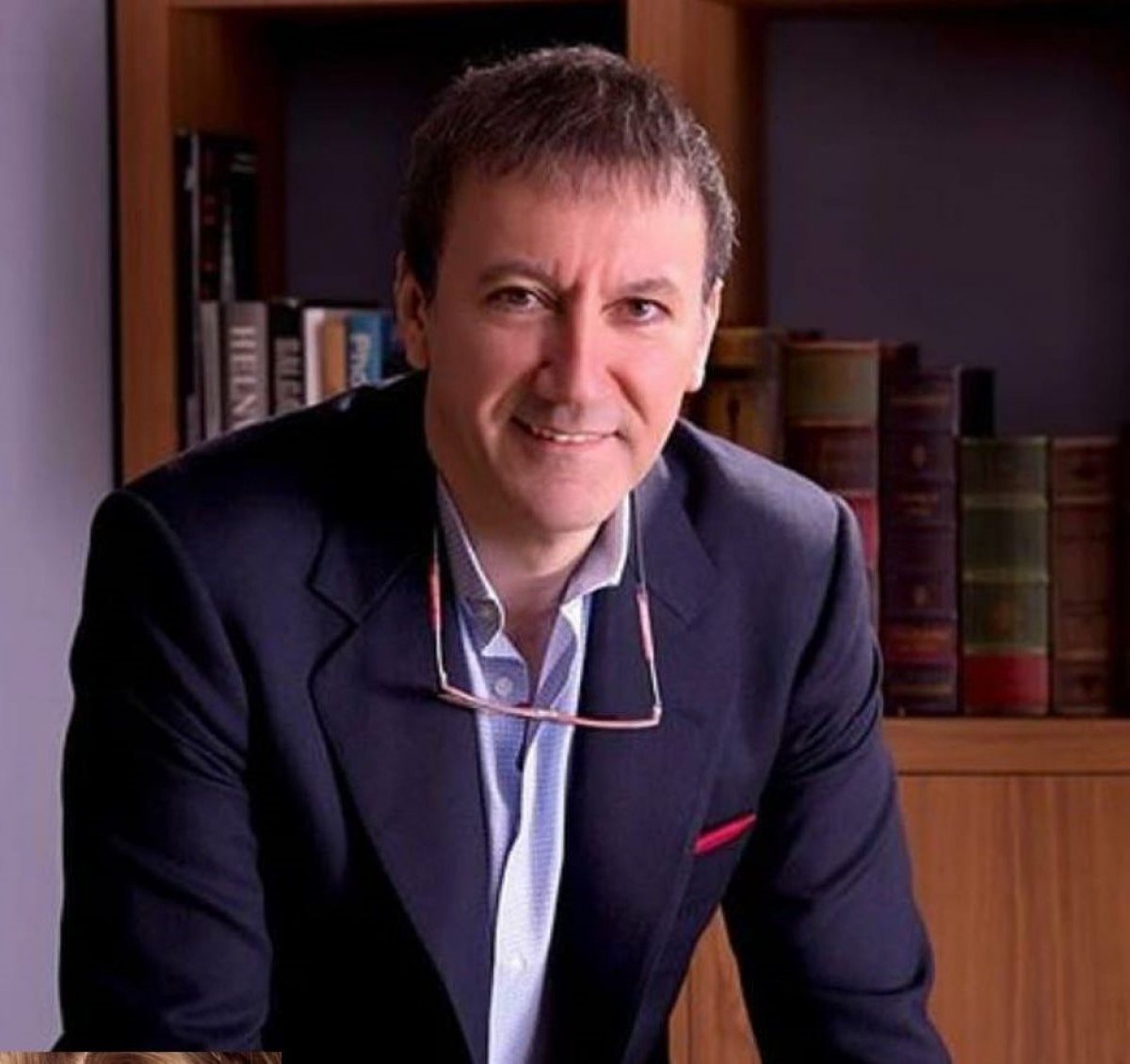
Prof. Gürhan Özcan is a top rated plastic surgeon in Turkey and one of best plastic surgeons in Istanbul, according to the Bookimed patients with over 35 years of practical experience. He is the best tummy tuck surgeon and top revision rhinoplasty surgeon in Istanbul Aesthetic Plastic Surgery Center.
Specialty
Dr. Gürhan Özcan is an expert nose, eyelid, breast and abdominal surgeries.
Work experience
- Since 1995 — Private practice. Currently serves patients at Istanbul Aesthetics Plastic Surgery Center
- 1995 — Founding chairman of the Department of Plastic Surgery at Başkent University Faculty of Medicine (Turkey)
- 1991-1995 — Assistant Professor at Hacettepe University Medical Faculty
- 1985-1988 — Plastic surgeon in the Department of Plastic Surgery at Baylor Medical School in Houston (USA)
- 1983-1985 — Plastic surgeon at the Çorlu Military Hospital (Turkey).
Education
- 1977 — The Medical Faculty of Hacettepe University — Degree in general medicine
- 1983 — The Medical Faculty of Hacettepe University — Specialty in plastic surgery.
Membership in organizations
- The Turkish Society of Plastic, Reconstructive and Aesthetic Surgery (TSAPS)
- The European Association of Plastic Surgeons (ESPRAS)
- The European Board of Plastic Reconstructive and Aesthetic Surgery (EBOPRAS).
- 4.8 • 84 reviews
- 27 years of experience
- 5000+ treatments performed
- accreditation:
- Turkey, Istanbul, The Nose Clinic
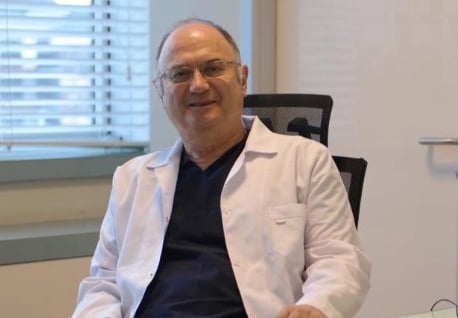
Dr Cem Altındağ got his medical degree from the School of Medicine - Istanbul University in 1989. From there, he completed Otolaryngology & Head and Neck Surgery residency at Beyoglu State Ed. & Research Hospital - Istanbul in 1994. As Otolaryngology & Head and Neck S. consultant surgeon, he worked at several Hospitals outside Istanbul (Manisa, Tekirdag).
He has attended several meeting and courses which is based on aesthetic and functional rhinoplasty and nasal surgery.
Observerships/Honorary Consultancy/Courses/Meetings (outside Turkey)
- 1991: Pittsburgh, PA-USA
- 1997: Graz-Austria & Ann Arbor, MI-USA
- 1998: Berlin, Germany
- 1999: London, UK
- 2000: Porto, Portugal
- June 2001-July2002: (Honorary Consultant) Royal National ENT Hospital, Guy’s & St.Thomas Hosp. Lewisham University Hosp., London, UK
- 2009: Amsterdam, Netherlands
- 2013: Imola, Italy
- 2014: Munich, Germany
- 2016: Paris, France
Membership in organizations
European Rhinoplasty Society
- 4.8 • 188 reviews
- 11 years of experience
- Turkey, Istanbul, Lokman Hekim Istanbul Hospital
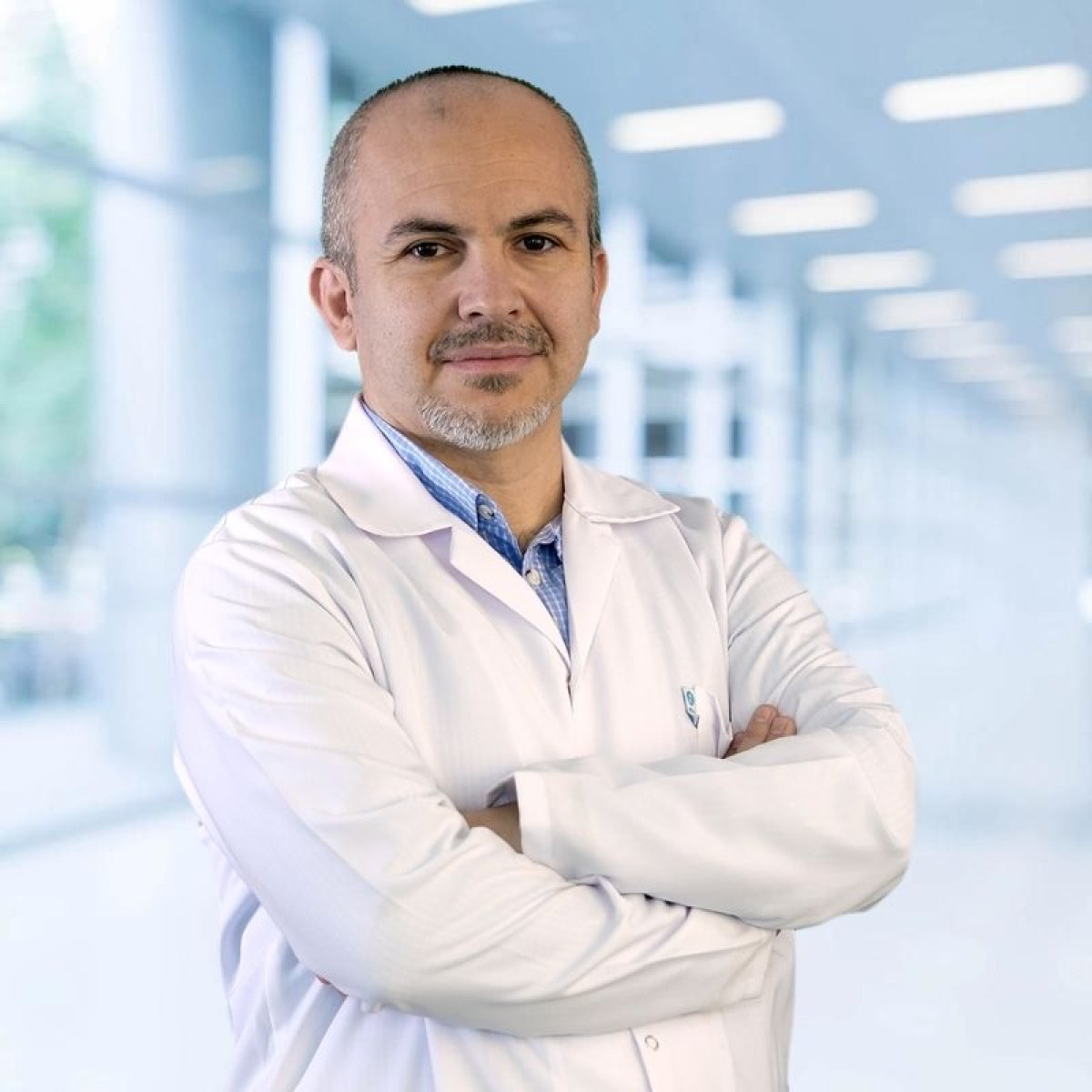
Dr. Yaman's treats about 500-600 patients anually. His practice covers a wide range of procedures, including wrinkle reduction, face lifting, nose and ear surgeries, breast reduction surgery, and body contouring procedures. He is dedicated to delivering natural-looking results and ensuring high patient satisfaction.
Education
- Eskisehir Osmangazi University, Faculty of Medicine (1995-2003)
- Manisa Celal Bayar University, Faculty of Medicine (2009-2015)
- Basic Microsurgery at Hacettepe University
Membership
- Turkish Society of Reconstructive, Aesthetic, and Plastic Surgery
- Association of Emergency Hand and Microsurgery (ACELEMDER)
Rhinoplasty Cost in Turkey: Full Price Breakdown
The price gap between Turkey and Western countries is real and consistent. It exists not because of lower quality, but because surgeon salaries, hospital overheads, and real estate costs in Istanbul and Antalya are significantly lower than in London, New York, or Frankfurt.
Price comparison
| Country | Open rhinoplasty | Typically included |
|---|---|---|
| Turkey | $2,500–$4,500 | Surgery, anaesthesia, 1–2 nights hospital, medications, transfers, follow-up |
| Poland | $3,500–$6,000 | Surgery + anaesthesia (hotel extra) |
| Spain | $5,000–$9,000 | Surgery only (follow-ups extra) |
| United Kingdom | £7,000–£12,000 | Surgery only (most clinics) |
| United States | $8,000–$15,000 | Surgery + anaesthesia (accommodation extra) |
What is included in Turkish rhinoplasty packages?
- Surgeon and anaesthesiologist fees
- Pre-operative bloodwork and medical clearance
- 1–2 nights hospital or clinic stay
- Splint, dressings, and post-op medications
- Airport–hotel–clinic transfers
- Check-up before departure and online follow-up (1 and 4 weeks post-op)
Always request an itemised quote. Some clinics advertise attractive base prices but charge separately for anaesthesia, hospital nights, or post-op medications. A transparent, all-inclusive quote is a sign of a trustworthy provider.
Current offers from verified clinics
Most-picked offers for

- Ergin Er is one of the best nose job surgeons in the world, confirmed by national awards.
- Istanbul Aesthetics Plastic Surgery Center is chosen by over 4,000 patients annually for plastic procedures.
- Included Services: Follow-up visit, consumable materials, consultation with an anesthesiologist, follow-up examination, medications, preoperative tests, general anesthesia, consultation with a doctor, hospitalization, transfer airport-hotel-clinic-airport.
- Stay Info: 1-day hospital stay, 7-day hotel stay included in the price.
- Rhinoplasty (nose job)
- Consultation with a doctor
- General anesthesia
- Preoperative tests
- Medications
- Follow-up examination
- Consultation with an anesthesiologist
- Consumable materials
- Follow-up visit
- Hospitalization + afterward hotel stay
- Transfer airport-hotel-clinic-airport
- Technique: Primary nose job
- Cem Altindag is a member of the European Rhinoplasty Society.
- The Nose Aesthetic Clinic serves patients from Europe, CIS, Arab League States, the USA, Canada, and Australia.
- Included Services: General anesthesia, preoperative tests, blood tests, medications, follow-up examination, post-op medications, consultation with an anesthesiologist, consultation with a surgeon, breakfast only, hotel, 4* hotel, VIP transfer, transfer airport-hotel-clinic-airport.
- Stay Info: 1 day stay in the hospital, 6 days stay in the hotel, included in the price.
- Rhinoplasty (nose job)
- Hotel
- General anesthesia
- Preoperative tests
- Blood tests
- Medications
- Follow-up examination
- Post-op medications
- Consultation with an anesthesiologist
- Consultation with a surgeon
- Breakfast only
- 4* Hotel
- VIP transfer (premium vehicle service, all transfers between airport, hotel and clinic)
- Transfer airport-hotel-clinic-airport
- Technique: Basic rhinoplasty (nose job) package
- Cem Altindag is a member of the European Rhinoplasty Society and has held honorary consultant roles at leading UK ENT hospitals.
- The Nose Aesthetic Clinic is certified as a health tourism facility and attracts around 500 international patients annually for rhinoplasty.
- Included services: Consultation with a surgeon
- Stay info: 1 day stay in the hospital room is included; hotel accommodation is not included in the price.
- Rhinoplasty (nose job)
- Consultation with a surgeon
- General anesthesia
- Blood tests
- Post-op medications
- Technique:
- Dr. Gürhan Özcan is the top revision rhinoplasty surgeon in Istanbul Aesthetic Plastic Surgery Center.
- Istanbul Aesthetic Plastic Surgery Center is chosen by over 4,000 patients for plastic procedures annually.
- Included Services: Transfer airport-hotel-clinic-airport, hospitalization, medications.
- Stay Info: 7-day hotel stay included in the price.
- Rhinoplasty (nose job)
- Transfer airport-hotel-clinic-airport
- Hospitalization
- Medications
- Technique:
- Dr. Ergin Er is one of the best nose job surgeons in the world, confirmed by national awards.
- Istanbul Aesthetic Plastic Surgery Center serves over 4,000 patients for plastic procedures annually.
- Included Services: Transfer airport-hotel-clinic-airport, blood tests, consultation, and checkups.
- Stay Info: 7 nights accommodation included in the price.
- Rhinoplasty (nose job)
- Transfer airport-hotel-clinic-airport
- Blood tests
Top Clinics for Rhinoplasty in Turkey
Istanbul and Antalya concentrate the highest density of internationally accredited plastic surgery centres. When comparing clinics, prioritise these signals:
- JCI or ISO accreditation — confirms international safety and hygiene standards
- Board-certified surgeon — TPRECD or ISAPS (International Society of Aesthetic Plastic Surgery) membership
- Before/after portfolio — ask to see at least 20 cases similar to your goals
- In-clinic consultation required — reputable surgeons insist on face-to-face assessment before operating
- Written revision policy — a clinic that stands behind its results will commit this to writing
Highest-rated clinics for
Istanbul Aesthetic Plastic Surgery Center
Dr. Ergin Er brings _doctor_1758_years_ of experience and 10,000+ rhinoplasties performed – more than any other specialist in this listing. The all-inclusive package may cost around $4,120, typically covering surgery, 6-7 nights accommodation, transfers, and all follow-up care. A USA-trained surgeon with AACS membership, Dr. Er employs 3D-simulation for precision planning. The clinic maintains 94% patient recommendation rate.
| treatment | |
|---|---|
| Rhinoplasty (nose job) | $4,718 - $5,307 |
Lokman Hekim Istanbul Hospital
Lokman Hekim Istanbul Hospital (former Adatip International Hospital) is a private multi-specialty medical center located in Istanbul, Turkey. Top specialties here are neurosurgery, orthopedics, spinal surgery, and weight loss surgery. Lokman Hekim serves both adults and children. Patients from the CIS, Africa, and Arab League States visit the clinic most often.
The Nose Clinic
Opr. Dr. Cem Altindag brings _doctor_4732_years_ of rhinoplasty expertise with over 5,000 procedures performed. The all-inclusive package may cost around $4,000 – covering surgery, 1-night hospital stay, 5 nights hotel accommodation, VIP transfers, and follow-up consultation. A European Rhinoplasty Society member, Dr. Altindag trained internationally in the USA and UK. The clinic holds Turkish Medical Association certification and maintains a 4.8/5 rating with 93% patient recommendation.
Memorial Şişli Hospital
Prof. Dr. Mustafa Akarcay brings _doctor_7167_years_ of ENT expertise with 900+ rhinoplasties performed at Memorial Şişli Hospital – Turkey's first JCI-accredited facility. The package may cost around $4,230-4,500, typically covering surgery, 1 night hospital stay, 7-8 nights in a 5-star hotel, VIP transfers, and 1-year follow-up care. As Head of ENT at Demiroğlu Bilim University, Prof. Akarcay combines academic precision with extensive surgical experience. The hospital serves patients from 92 countries annually with comprehensive interpreter support.
| treatment | |
|---|---|
| Rhinoplasty (nose job) | $3,500 - $4,000 |
Dr. MED
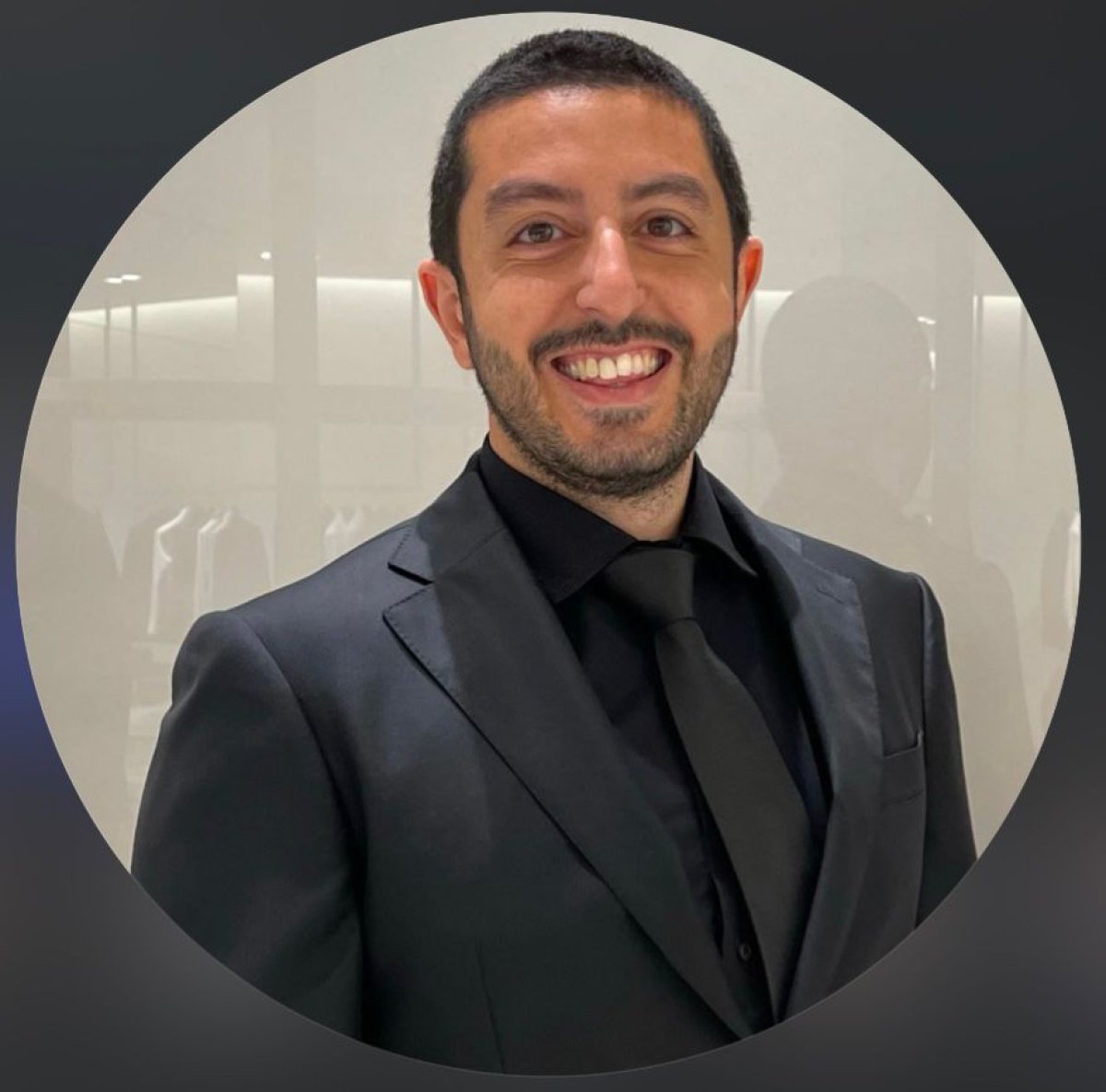
Dr. Ibrahim Altoparlak has performed 900+ rhinoplasty procedures over _doctor_5954_years_, specializing in complex nasal surgeries. The procedure may cost around $4,690 with campaign pricing – covering surgery, anesthesia, 1 hospital night, 5 hotel nights, airport transfers, and post-op care. He uses advanced Piezo ultrasonic technology for precise bone reshaping. The clinic maintains a 4.9/5 rating from 190+ reviews, with 97% patient recommendation.
Recovery After Rhinoplasty in Turkey
Week-by-week timeline
- Days 1–3: Nasal splint in place, swelling and bruising around eyes (normal). Head elevation, rest, liquid diet.
- Day 7–10: Splint removed, external sutures out (open technique). Bruising fades. Most patients look presentable for casual outings.
- Weeks 2–4: Return to desk work. Avoid glasses, contact sports, anything that risks impact to the nose.
- Month 3: ~70% of swelling resolved. Shape becomes clearly defined — this is when most patients start sharing results.
- Month 12–18: Final result. Tip refinement and residual swelling fully resolve.
Planning your trip
Most patients stay 10–14 days in Turkey: Days 1–2 for consultation and pre-op, Day 3 for surgery, Day 10 for splint removal and pre-departure check. Flying after splint removal is comfortable for most patients — research in Aesthetic Plastic Surgery confirms no elevated complication risk from flying post-rhinoplasty in healthy patients.
Want a remote assessment before travelling?
Many surgeons offer virtual consultations based on your photos. Upload your images and medical information securely:
Get a Free Online Medical Records Evaluation: Take Care of Your Health Today!
Frequently Asked Questions
How much does rhinoplasty cost in Turkey?
Open rhinoplasty in Turkey costs $2,500–$4,500 on average, including surgery, anaesthesia, hospital stay, and transfers. Closed or tip rhinoplasty costs $1,800–$3,000. Revision rhinoplasty: $3,500–$6,000. Compare this to $8,000–$15,000 in the US or £7,000–£12,000 in the UK. The savings cover flights and accommodation comfortably — most patients save $5,000–$10,000 net.
Is rhinoplasty in Turkey safe?
Yes, at JCI-accredited clinics with board-certified surgeons. Turkey performs an estimated 200,000+ aesthetic procedures annually; rhinoplasty is one of the most practised. Complication rates at accredited hospitals are on par with Western equivalents. The risk rises sharply when patients choose unregulated providers based on price alone — always verify credentials before booking.
What is the difference between open and closed rhinoplasty?
Open rhinoplasty uses a small incision across the columella, giving the surgeon full access for complex reshaping. Closed rhinoplasty uses only internal incisions — less swelling, faster recovery, and about 15–20% lower cost, but not suitable for all corrections. Your surgeon determines the right technique based on your anatomy, not on price.
How long does the procedure take?
Open rhinoplasty takes 2–4 hours; closed rhinoplasty 1.5–2.5 hours; tip rhinoplasty under 1.5 hours — all under general anaesthesia. You stay 1–2 nights in clinic for monitoring, then recover at your hotel.
When can I fly home after rhinoplasty?
Most surgeons clear patients to fly 7–10 days post-op, after the splint is removed and healing is confirmed. Plan a 10–14 day stay in Turkey to be safe. Flying too early (within 3–5 days) is not recommended due to swelling and cabin pressure changes.
What do patients say about rhinoplasty in Turkey?
Watch: rhinoplasty clinics and procedure videos
Get Personalised Quotes from Verified Surgeons
Bookimed works with JCI-accredited plastic surgery clinics in Turkey specialising in rhinoplasty. Tell us your goals, share your photos, and receive personalised quotes from board-certified surgeons — free of charge, with no obligation.
Our medical coordinators speak English, help you compare offers, and handle everything from consultation scheduling to airport transfers and aftercare.
This article is for informational purposes only and does not constitute medical advice. Rhinoplasty is a surgical procedure with inherent risks. Always consult a qualified, board-certified plastic surgeon before making any decision.
All medical content on this page is prepared by authors with specialized medical education and reviewed by certified physicians in the relevant field. Medical review by Fahad Mawlood, Medical Editor & Data Scientist.
Last updated: April, 2026.
- Statistics: Figures are based on Bookimed’s internal database April 2026, which includes analysis of 12,450 patient requests across accredited clinics in .
- Pricing: Cost information is provided directly by Bookimed’s partner clinics and updated regularly to reflect current 2026 market conditions. Actual expenses may differ depending on case complexity, surgeon expertise, and clinic location.
- Clinical Data: Treatment outcomes and patient satisfaction figures are collected from Bookimed’s verified clinic database and supported by data from peer-reviewed medical sources such as PubMed, The Lancet, JAMA, and NEJM (2023–2026).
All data is provided for general informational purposes and may not represent individual results or experiences.
1. Aesthetic Plastic Surgery Journal. Safety of air travel after rhinoplasty. springer.com/journal/aesthetic-plastic-surgery
2. International Society of Aesthetic Plastic Surgery (ISAPS). Global statistics on rhinoplasty. isaps.org
3. Turkish Society of Plastic Surgery (TPRECD). Certification standards. tprecd.org.tr