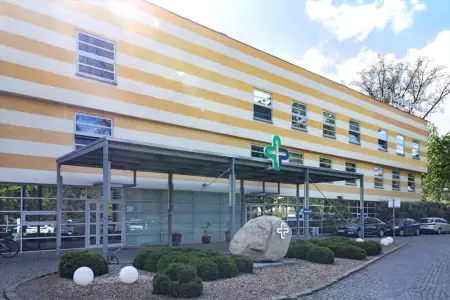
Baria3 is a bariatric and body-contouring clinic in Wrocław, Poland. It opened in 2019 inside the EuroMediCare Specialist Hospital. This gives patients access to all hospital departments and full diagnostic support. The clinic treats obesity with medical and surgical care, plus long-term recovery programs.
Medical Team and Expertise
Five doctors at the clinic manage the full obesity treatment pathway. The team includes bariatric surgeons, a clinical dietitian, a psychologist, and an anesthesiologist. Dr. Rafał Mulek is a bariatric surgeon with over 20 years of experience. He graduated from the Medical University of Wrocław in 2002. He works alongside Dr. Michał Krefft, a metabolic surgery specialist.
Dr. Krefft holds a certificate from the Section of Metabolic Surgery of the Polish Society of Surgeons. Dietitian Katarzyna Walas leads the nutrition side of treatment. She specializes in psychodietetics and clinical nutrition for bariatric patients. Professor Karolina Kłoda brings expertise in family medicine and obesity medicine to the program.
Bariatric Surgery and Methods
Baria3 offers several surgical and endoscopic options for weight loss. Specialists choose the method based on the patient's BMI, other health conditions, and medical history. Surgeons perform bariatric procedures with laparoscopic techniques. This shortens recovery time. Surgical options include:
- Sleeve gastrectomy – removes 70–80% of the stomach to reduce hunger.
- Gastric bypass – routes food past parts of the stomach and intestines.
- Mini gastric bypass
- SADI-S – a complex metabolic procedure for significant weight loss.
- Revisional bariatric surgery – for patients who need a second procedure.
The clinic also offers Endoscopic Gastric Reduction (ESG). This non-surgical technique is done through the mouth, so there are no external incisions.
Hospital stays depend on the procedure. Gastric bypass patients often stay 1–2 days. Sleeve gastrectomy usually means a 4-day stay. Revisional operations typically need 3–4 days in the hospital.
Post-Bariatric Body Contouring
After significant weight loss, patients can join the clinic's body-contouring program. These procedures remove excess skin and reshape the body's proportions. Surgeons use different plastic surgery techniques for different areas of the body:
- Abdominoplasty – standard tummy tuck.
- 360° body lift – full lower-trunk contouring.
- Lower Body Lift (LBL)
- Arm, thigh, and breast lifts.
Surgeons only perform these procedures once the patient's weight has stabilized. Recovery includes specialized wound care. Specialists use vacuum therapy and scar mobilization to help the skin heal properly.
Patient Care and Long-Term Monitoring
Obesity treatment at the clinic follows a coordinated, step-by-step program. Preparation for surgery usually takes 4–8 weeks. During this time, patients have lab tests, imaging, and a psychological readiness assessment. Everyone must stop smoking before the procedure, since smoking raises surgical risks.
Post-operative support lasts at least one year. The first follow-up visit is one month after surgery. After that, visits take place every 3 months for the rest of the first year. At these visits, the team checks lab results and adjusts nutrition advice. Patients have 24/7 access to an anesthesiologist and specialist support within the hospital.
Services for International Patients
The clinic coordinates treatment planning to make the process less stressful. Specialists consult in both Polish and English. Patients can choose from several care packages with different levels of follow-up support. Packages typically cover the operation, team consultations, and full hospital diagnostics.


 The clinic is not accepting new requests
 Average answering time – 5 minutes