Loyola Clinic is a private multi-specialty medical and dental center in Bogotá, Colombia. It opened in 1993 and has three specialized departments. Its focus is where complex dentistry, maxillofacial surgery, and aesthetic medicine meet. The clinic has three branches: Bogotá, Bucaramanga, and Fusagasugá.
Accreditations and Professional Standards
Loyola holds several international and national certifications. These include JCI (Joint Commission International) and ISO 9001 quality management standards. Major global associations recognize its plastic surgery department:
- ASPS – American Society of Plastic Surgeons
- ISAPS – International Society of Aesthetic Plastic Surgery
- BAAPS – British Association of Aesthetic Plastic Surgeons
All procedures comply with Colombia's Resolución 3100 de 2019 safety protocols. Surgeries take place in operating rooms approved by the Ministry of Health. A team of 58 doctors coordinates care for local and international patients.
Specialized Dentistry and Oral Rehabilitation
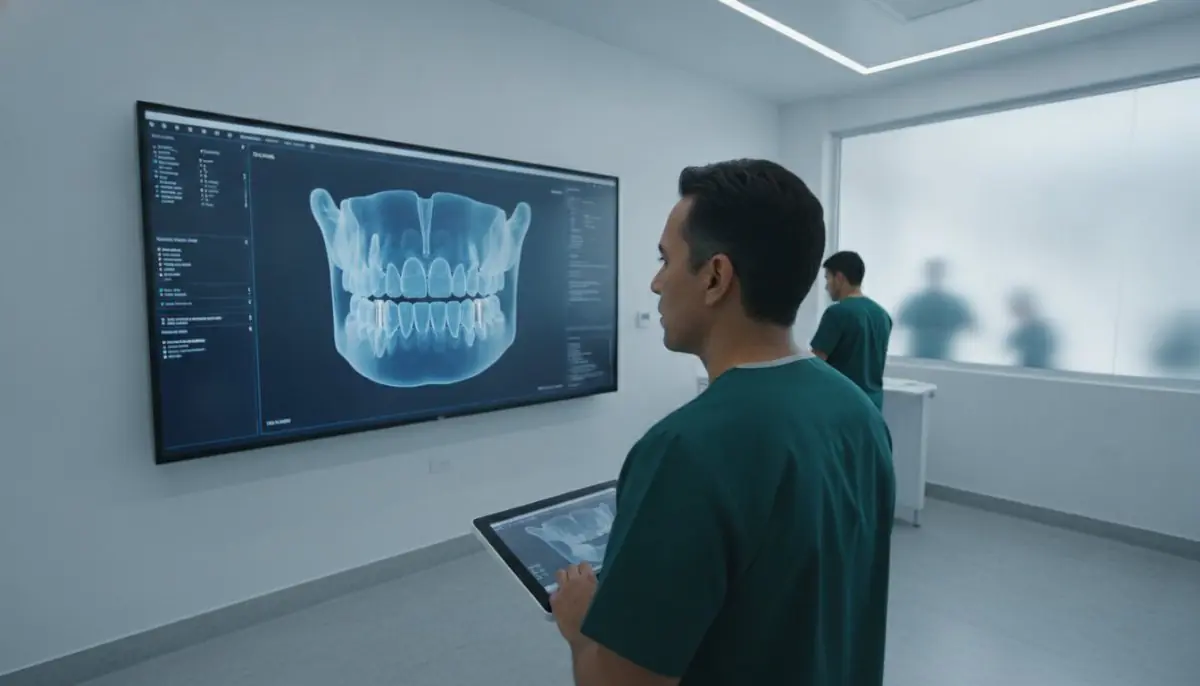
The dental department focuses on full-arch implant rehabilitation. Specialists use systems from Straumann, Nobel Biocare, and Zimmer Biomet. They perform All-on-4 and All-on-6 protocols to replace a full set of teeth. For accuracy, the digital workflow includes intraoral scanning and 3D diagnostic mapping.
Advanced periodontics treatments help with severe gum disease and tissue loss. Specialized gum procedures include:
- Gingivectomy – trimming excess gum tissue to improve appearance
- Guided tissue regeneration – rebuilding lost bone and gum attachment
- Soft tissue grafting – treating gum recession with donor tissue
- Bone grafting – preparing the jaw for dental implants
Endodontic care uses microscopes for complex root canals. With this magnification, specialists can find and treat structures invisible to the naked eye. After surgery, long-term periodontal maintenance programs help patients keep their results.
Maxillofacial and Orthognathic Surgery
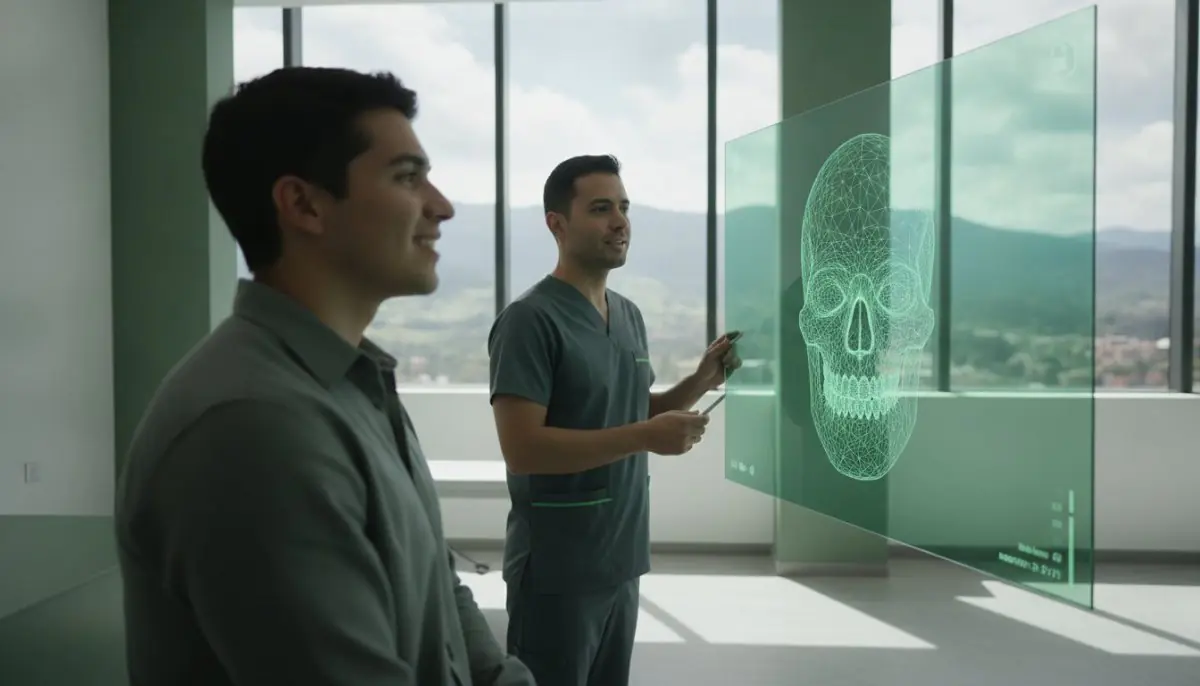
The clinic treats jaw problems that affect both function and appearance. Surgeons correct conditions like prognathism (protruding jaw) and retrognathia (recessed jaw). Before operating, they plan the bone realignment virtually to reduce human error. Treatment can ease chewing difficulties, speech issues, and sleep-related breathing disorders.
Maxillofacial specialists treat facial injuries and fractures as well. For bone correction, they use 3D printed personalized surgical guides. Each guide is made for one patient, so the bones line up precisely. Dr. Juan Carlos Farré, who has 33 years of experience, leads the department's scientific direction.
Plastic Surgery and Aesthetic Medicine
The plastic surgery department reshapes both body and face. Surgeons perform abdominoplasty to remove excess skin and tighten stomach muscles. Facial procedures include rhinoplasty, blepharoplasty, and bichectomy. Bichectomy removes fat pads from the cheeks for a more defined face.
For fat removal and skin tightening, surgeons use Vaser, Microaire, and J-Plasma systems. These tools help them mark the body precisely and make the skin contract. If surgery isn't the right fit, non-surgical options like Botox, fillers, and PRP therapy are available.
Safety and Patient Technology
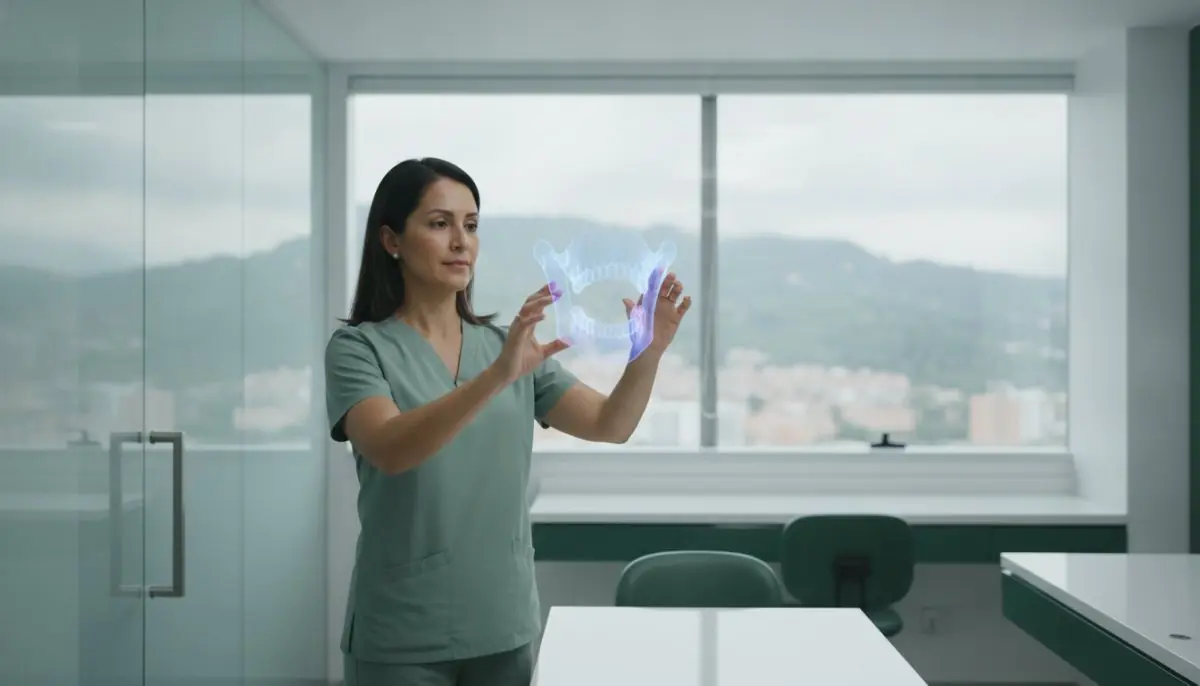
Computer-aided design and 3D scanners make treatment more accurate. Surgeons use DSD (Digital Smile Design) to plan how a new smile will look. Before orthognathic surgery, patients can see their expected results on digital models. This way, they know what surgery can realistically achieve.
Sedation safety is a priority in all dental procedures. Anesthesiology specialists handle intravenous sedation and monitor patients throughout. Because of this, the surgical team can focus fully on the procedure. Every surgical candidate must have a medical evaluation beforehand to lower risks.
Services for International Patients
Patients abroad can get remote bilingual evaluations. The first contact is virtual and covers an initial diagnosis and price quote. Once patients travel, coordination teams handle arrival logistics and follow-up care. Treatment is available at any of the three Colombian branches.
Staff explain recovery timelines and how follow-up monitoring works. Thanks to remote consultations, international patients have a clear treatment plan before they travel. When care involves several specialists, they all work together on a single digital workflow.


 The clinic is not accepting new requests
 Average answering time – 5 minutes
