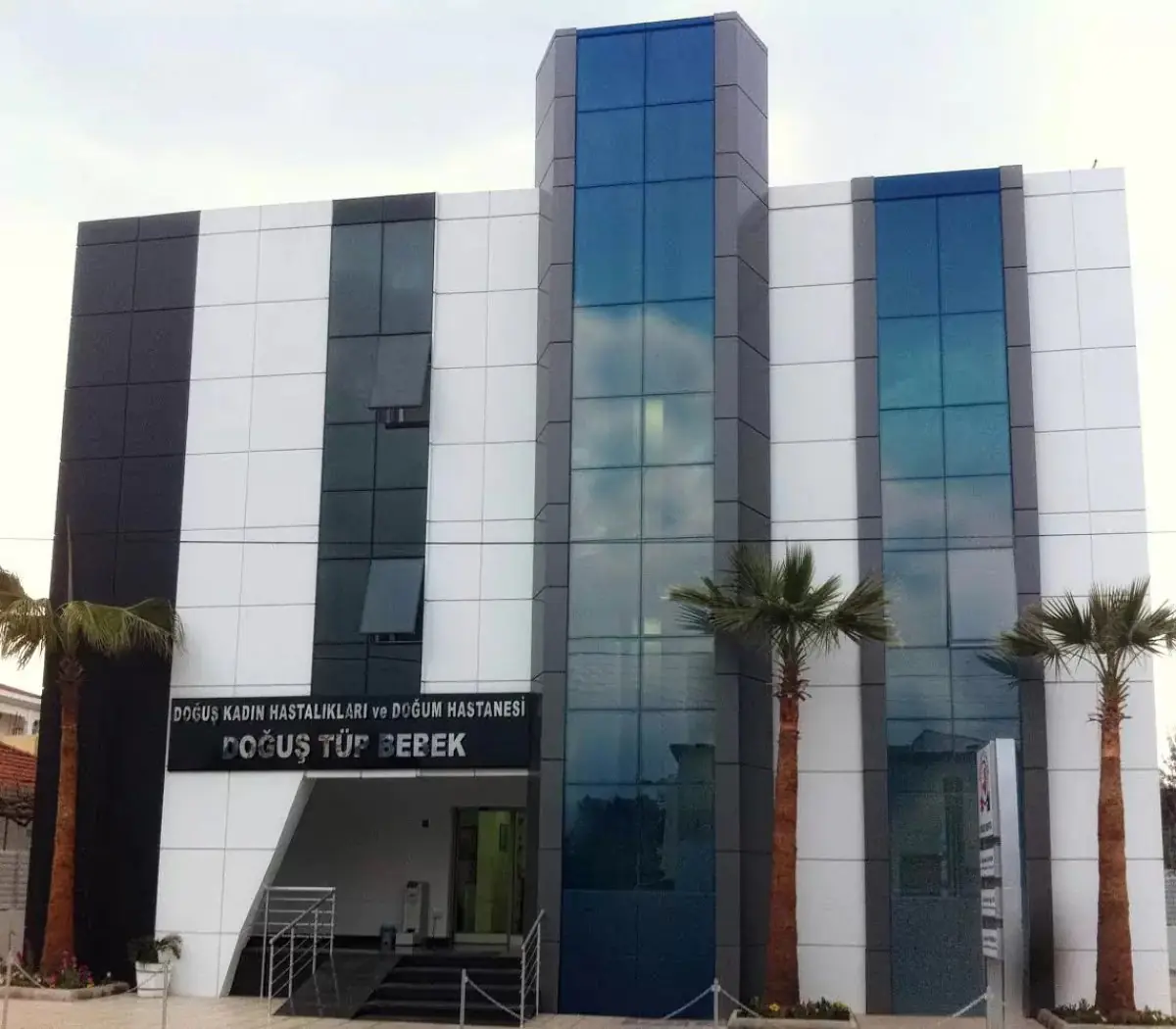
Dogus IVF Center is a private fertility clinic in Nicosia, Cyprus. It opened in 1992. Dr. Sevket Alpturk founded the center and still leads its medical team. The team has six physicians across gynecology, genetics, and embryology. The clinic holds authorization from the Ministry of Health of the Turkish Republic of Northern Cyprus. It received hospital status in 2005. A year later, it gained formal authorization as an Assisted Reproductive Treatment Center.
Accreditations and Quality Standards
The facility holds the ISO 9001 quality certificate, so its laboratory and clinical work follow set standards. The certificate covers both reproductive healthcare and genetic diagnostic services.
According to clinic reports, success rates reach up to 80% for IVF and donation treatments.
Reproductive Medicine and Fertility Treatments
The clinic offers assisted reproduction for many different family-building needs. Core procedures include:
- IVF and ICSI (Intracytoplasmic Sperm Injection)
- Intrauterine insemination (IUI)
- Egg, sperm, and embryo donation programs
- Gender selection through Preimplantation Genetic Testing (PGT)
- ROPA method for female couples
- Surrogacy combined with IVF
Patients with low ovarian reserve can try the Tandem Cycle. This method adds donor eggs to the patient's own eggs in one treatment cycle. With the Pooling Method, doctors collect embryos from several egg retrieval cycles before transfer. This gives patients with fewer embryos more options to choose from.
Advanced Genetics and Surgical Sperm Retrieval
The center has its own genetics lab for Preimplantation Genetic Diagnosis (PGD) and screening. Tests include PGT-A and PGT-M. These check embryos for chromosomal abnormalities or specific genetic disorders. The lab also runs Whole Genome Sequencing (WGS) and NGS-based immune compatibility testing.
For male infertility, surgeons perform Micro TESE (Microsurgical Testicular Sperm Extraction). They use a high-magnification operating microscope to find sperm in men with non-obstructive azoospermia. The surgery lasts 1–2 hours, usually under local or general anesthesia. Most patients are back to normal activities within a few days.
Complementary Care and Implantation Support
The clinic offers Endometrial Receptivity Analysis (ERA) to find the best time for embryo transfer. If implantation has failed several times, patients can try endometrial immune therapy. This treatment aims to improve the lining of the uterus so a pregnancy can take hold. Acupuncture sessions are available around the time of embryo transfer to help patients manage stress.
Technology and Laboratory Infrastructure
The embryology department uses specific tools to improve pregnancy outcomes:
- IMSI – uses high-power magnification to pick the best-quality sperm
- Microfluidic chips – separate healthy sperm from sperm with DNA damage
- Embryo Glue – a transfer medium that helps embryos attach to the uterus
- NIPT – non-invasive prenatal testing for early pregnancy screening
Together, these tools help the lab select viable embryos and sperm samples.
Services for International Patients
Dedicated coordinators who speak English and Spanish help patients traveling from abroad. Staff advise on travel routes through Larnaca or Ercan airports. Thanks to partnerships with local hotels, the center can suggest accommodation for different budgets. Coordinators also arrange airport transfers and schedule free preliminary consultations.



 The clinic is not accepting new requests
 Average answering time – 5 minutes
