Urology
| treatment | |
|---|---|
| Ureteroscopy with laser lithotripsy (kidney stone removal) | $4500 |
| Laser Lithotripsy | $4500 |
| Holmium Laser Enucleation of the Prostate | $7000 |
Dr. Antonio Esqueda Mendoza is a certified urologist in Mérida, Mexico. He treats men and women with minimally invasive methods. His key areas are endourology, urologic oncology, and kidney stones. The clinic is known for advanced HoLEP prostate treatment. This Holmium laser method removes blocking tissue without open surgery.
Dr. Esqueda Mendoza did postgraduate training in Bordeaux, France. He leads a small team of three doctors. They treat stones with laser lithotripsy and percutaneous surgery. For renal tumors, the clinic offers CT- or MRI-guided cryoablation. Most patients go home the day after surgery. International patients can get online second opinions in Spanish.


 The clinic is not accepting new requests
 Average answering time – 5 minutes
| treatment | |
|---|---|
| Ureteroscopy with laser lithotripsy (kidney stone removal) | $4500 |
| Laser Lithotripsy | $4500 |
| Holmium Laser Enucleation of the Prostate | $7000 |
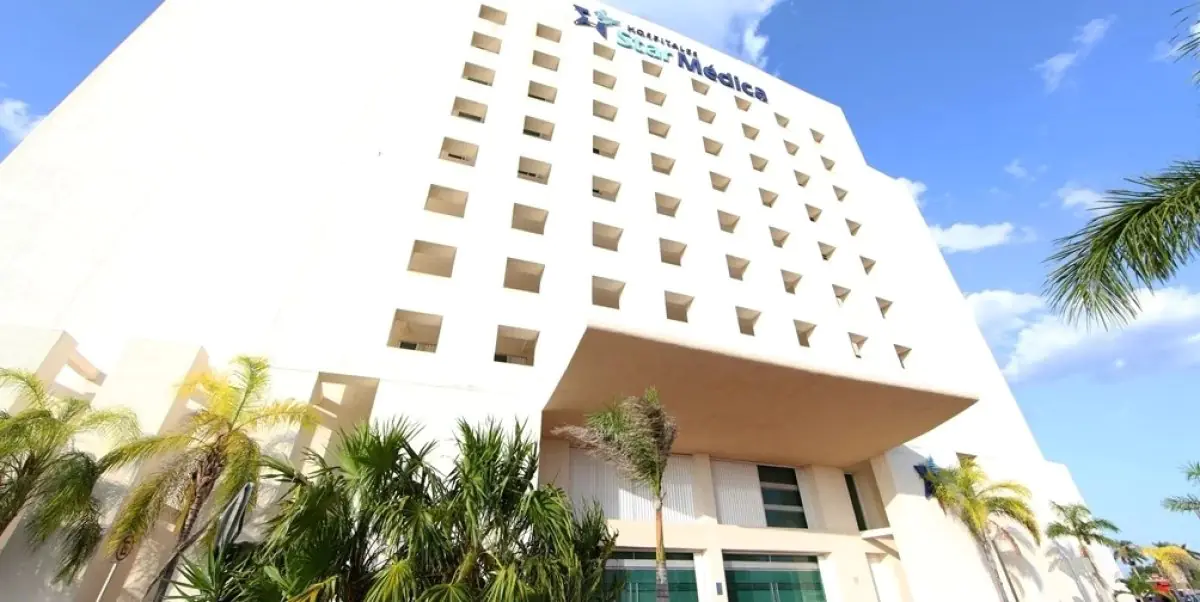
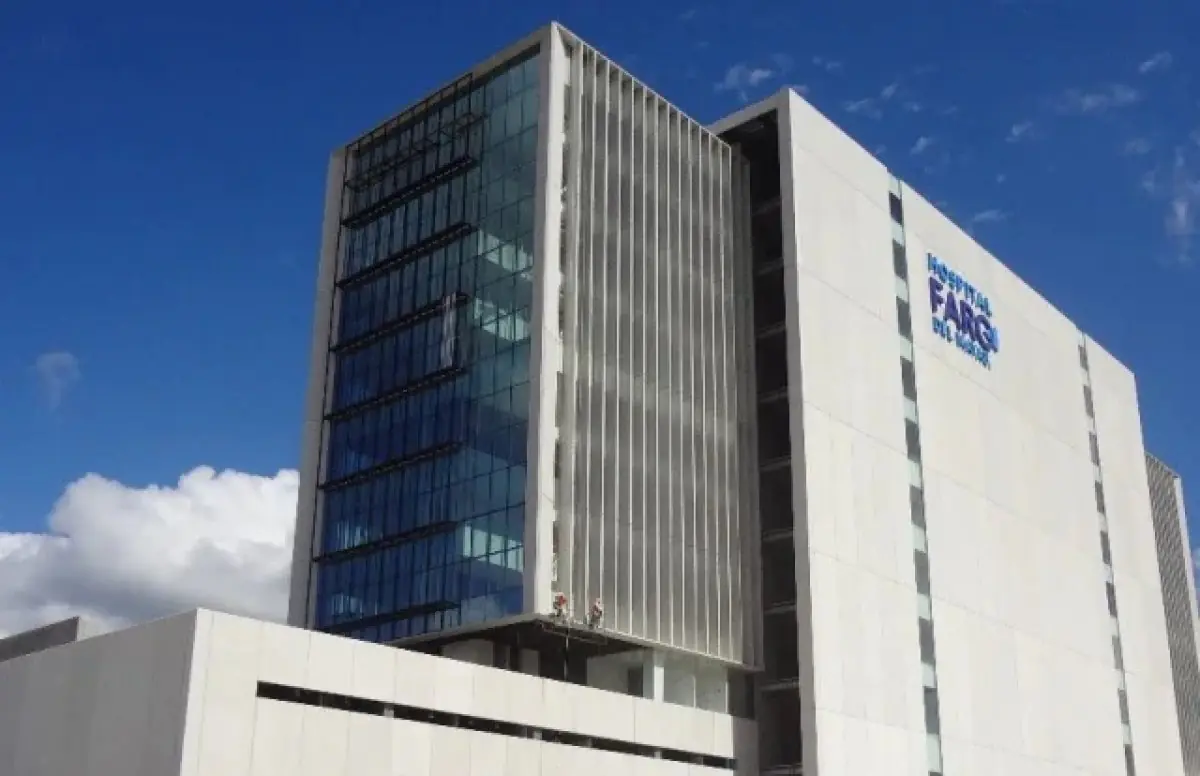
Dr. Antonio Esqueda Mendoza is a certified urologist based in Mérida, Mexico. He works out of two modern hospitals: Hospital Star Médica and Hospital Faro del Mayab. This single-specialty practice focuses on minimally invasive urologic care for men and women. Dr. Esqueda Mendoza leads a team of three specialists.
Dr. Antonio Esqueda Mendoza completed postgraduate training in Bordeaux, France. He holds the official title of Urólogo Certificado, so he is a board-certified urologist in Mexico. Another team member, Dr. Gómez Sancha, specializes in laser-based prostate surgery. Together, the physicians treat a wide range of urologic conditions:
Specialists use endoscopic techniques to treat problems anywhere from the urethra to the kidney. Since these methods avoid open surgery, they aim to shorten recovery time.
The clinic is a center for HoLEP (Holmium Laser Enucleation of the Prostate). This procedure relieves blocked urine flow by removing all of the obstructing prostate tissue. Unlike traditional "scraping" methods, HoLEP uses laser energy to separate the tissue without open incisions. It offers a lasting solution when medications no longer control symptoms.
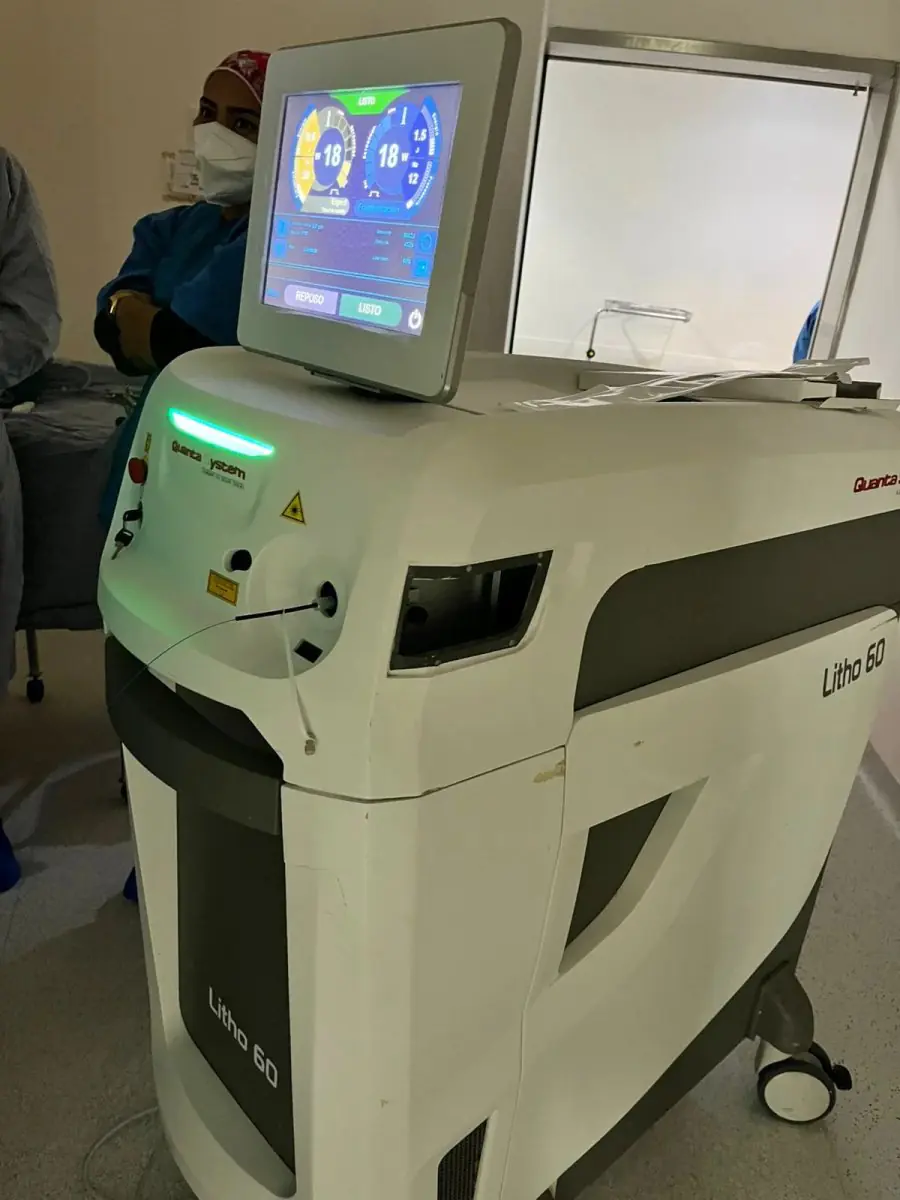
Stone treatment depends on the size and location of each stone. Laser lithotripsy uses a thin ureteroscope to reach stones in the kidney or ureter. Once the stone is found, a laser breaks it into smaller pieces. These are then removed or passed naturally. Larger or more complex stones need a different approach, so the clinic offers several percutaneous and combined options:
During endoscopy, surgeons use special "baskets" to catch and remove stone fragments safely. Most patients go home the day after surgery, with limited, controlled pain.
For selected kidney tumors, the clinic offers percutaneous cryoablation. This technique uses extreme cold to destroy cancer cells while sparing healthy kidney tissue. The procedure takes place in a specialized imaging suite with CT or MRI guidance. Dr. Esqueda Mendoza works with an interventional radiologist, so each probe goes exactly where it should.
Cryoablation suits patients with small kidney masses. It is especially helpful for people with only one kidney or several lesions. Before treatment, patients get a detailed consultation comparing the benefits of surgery and ablation. Most people return to regular activities within several weeks.
The clinic uses advanced imaging to plan surgeries and monitor patient health. MRI and CT scans help locate tumors and guide percutaneous instruments. Diagnostic services include PSA testing for prostate health. Detailed urine analysis identifies the exact type of infection. Specialists examine the urinary tract with rigid and flexible ureteroscopes fitted with high-definition cameras.
The clinic supports patients who travel to Mérida for specialized urologic care. Online consultations are available for second opinions, so patients can discuss their cases remotely. Staff speak both Spanish and English. Before arrival, the clinic coordinates a review of prior biopsies, MRI reports, and laboratory studies.
 The clinic is not accepting new requests
Average answering time – 5 minutes