
Cardiology
| treatment | |
|---|---|
| Coronary angiography | Price on request |
| Radiofrequency ablation | Price on request |
| Heart cryoablation | Price on request |
| Radiofrequency ablation with 3D mapping | Price on request |
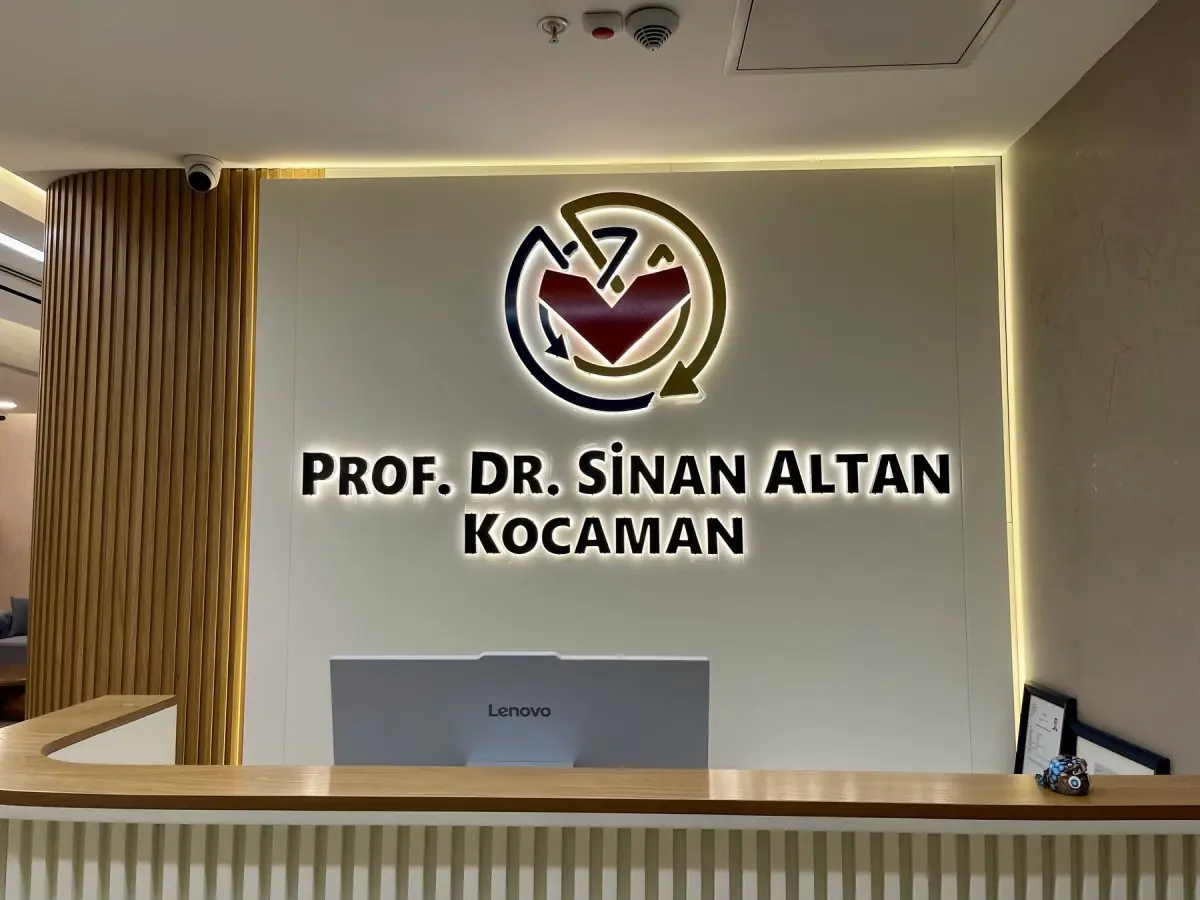
Kalbine Sağlık Kliniği is a private cardiology practice in Ankara, Turkey. It specializes in interventional cardiology and electrophysiology for heart rhythm disorders. Prof. Dr. Sinan Altan Kocaman leads the clinic. He became a professor in 2023. Its Cardiology Information Centre offers structured patient guides on symptoms, medications, and diagnostic tests.
The team focuses on catheter-based treatment of complex arrhythmias. Key procedures include atrial fibrillation ablation and 3D electroanatomical mapping. Doctors also implant pacemakers and ICDs. For coronary artery disease, the clinic offers angiography and stent placement. Advanced options include opening chronic total occlusions and renal denervation for hypertension. Cardiac CT and MRI support diagnosis.


 The clinic is not accepting new requests
 Average answering time – 5 minutes
| treatment | |
|---|---|
| Coronary angiography | Price on request |
| Radiofrequency ablation | Price on request |
| Heart cryoablation | Price on request |
| Radiofrequency ablation with 3D mapping | Price on request |
Kalbine Sağlık Kliniği is a private cardiology practice established in 2026. It is located in the Çankaya district of Ankara, Turkey, and specializes in heart health. Prof. Dr. Sinan Altan Kocaman leads the medical team. His focus is interventional cardiology and complex heart rhythm disorders.
Prof. Dr. Sinan Altan Kocaman directs the clinic's evidence-led approach. He graduated with honors from Ankara University Faculty of Medicine in 2003. In 2009, he completed his cardiology residency at Gazi University. His academic career moved quickly after that. He became an Associate Professor in 2014 and reached the rank of Professor in 2023.
Dr. Ümit Aker is also part of the medical team. Every patient follows a structured care path. It starts with an initial review, then a personalized treatment plan, then regular long-term follow-up. Doctors here practice shared decision-making. This means patients talk through the benefits and risks of every procedure before agreeing to it.
Interventional cardiology and electrophysiology are the clinic's core specialties. Specialists treat heart rhythm disorders such as atrial fibrillation, palpitations, and syncope (fainting). Treatment ranges from medication and trigger management to advanced catheter-based procedures.
For patients with heart rhythm issues, the clinic performs several key procedures:
Another key area is coronary artery disease. Doctors manage atherosclerotic plaque, coronary spasms, and small-vessel dysfunction. Available procedures include coronary angiography, balloon angioplasty, and stent placement. For complex cases, the team performs chronic total occlusion (CTO) opening. This reopens arteries that have been blocked for a long time.
Patients who need an implanted heart device get dedicated guidance. The clinic handles both implantation and follow-up for several device types:
As part of preventive cardiology, the clinic runs a specialized program for hypertension. It includes 24-hour ambulatory monitoring. This shows whether blood pressure is truly high or only rises at the doctor's office (white-coat effect). Patients with resistant hypertension can have Renal Denervation. This catheter-based procedure targets nerves near the kidneys, so blood pressure drops.
Doctors use a range of diagnostic tools to build precise treatment plans. They choose tests based on age, symptoms, family history, and personal risk factors. Diagnostic options at the clinic include:
Every result is read together with lab findings and a physical exam, so the diagnosis is more accurate.
The clinic offers a multilingual environment for patients from different countries. Detailed patient guides and evidence-based resources are available online in English. Patients can visit the Cardiology Information Centre. It has calculators and practical guides on heart medications and symptoms.
Online consultations are available, so patients can discuss their diagnosis and risk level before traveling. Before a procedure, each patient gets structured instructions. These cover anticoagulant (blood thinner) adjustments and fasting rules. When possible, follow-up happens remotely. It tracks how symptoms respond and whether patients stick to their treatment.
 The clinic is not accepting new requests
Average answering time – 5 minutes