Traditional Chinese medicine
| treatment | |
|---|---|
| Traditional chinese medicine methods | Price on request |
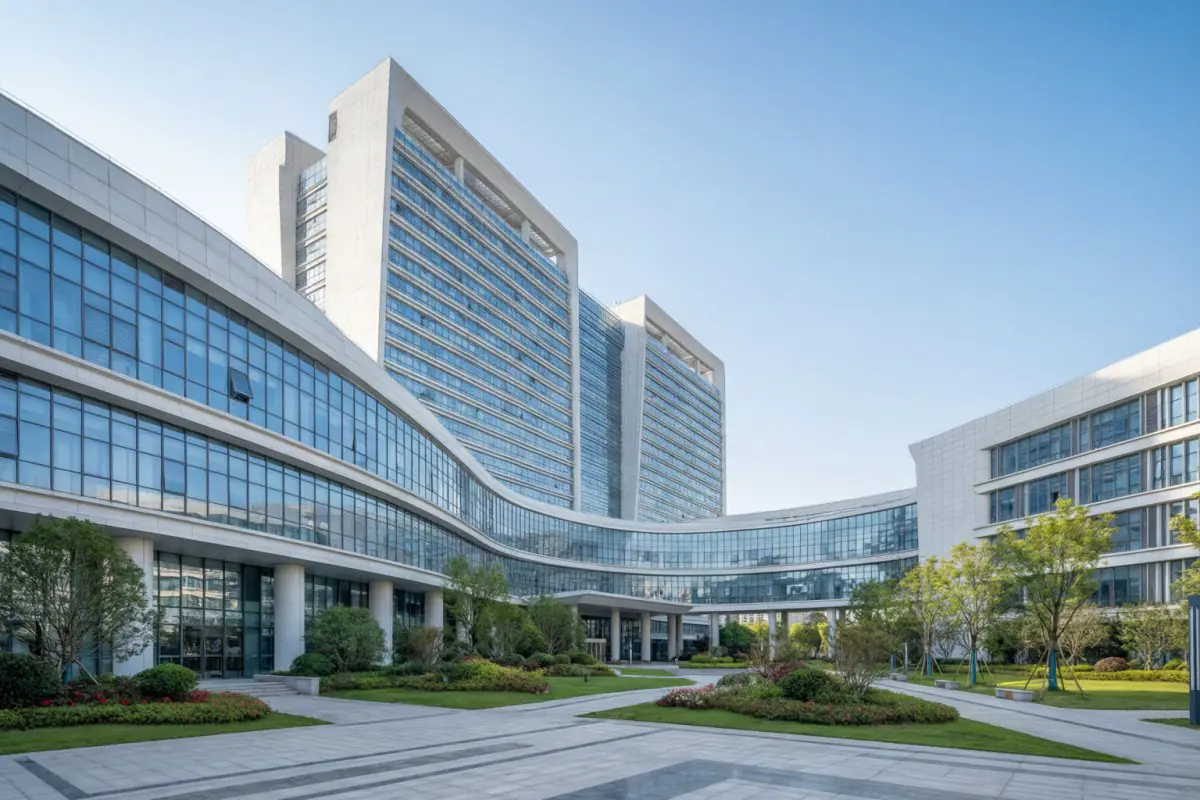
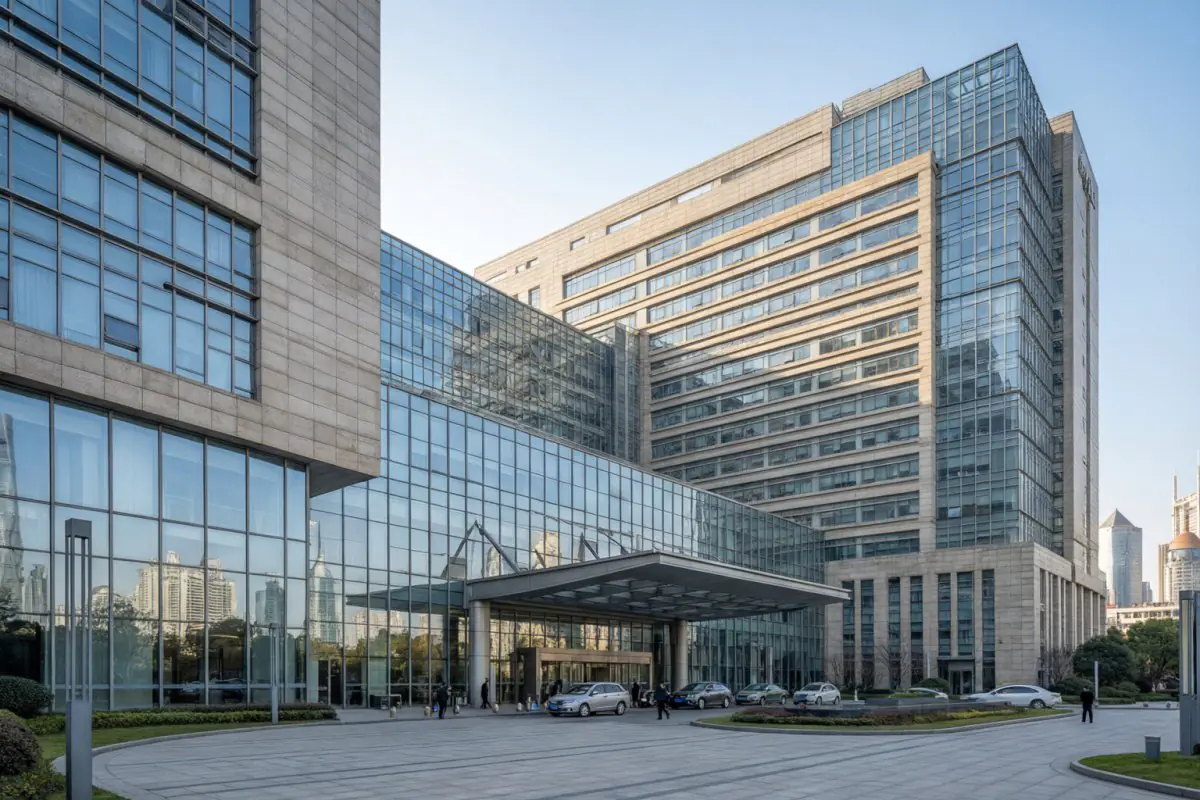
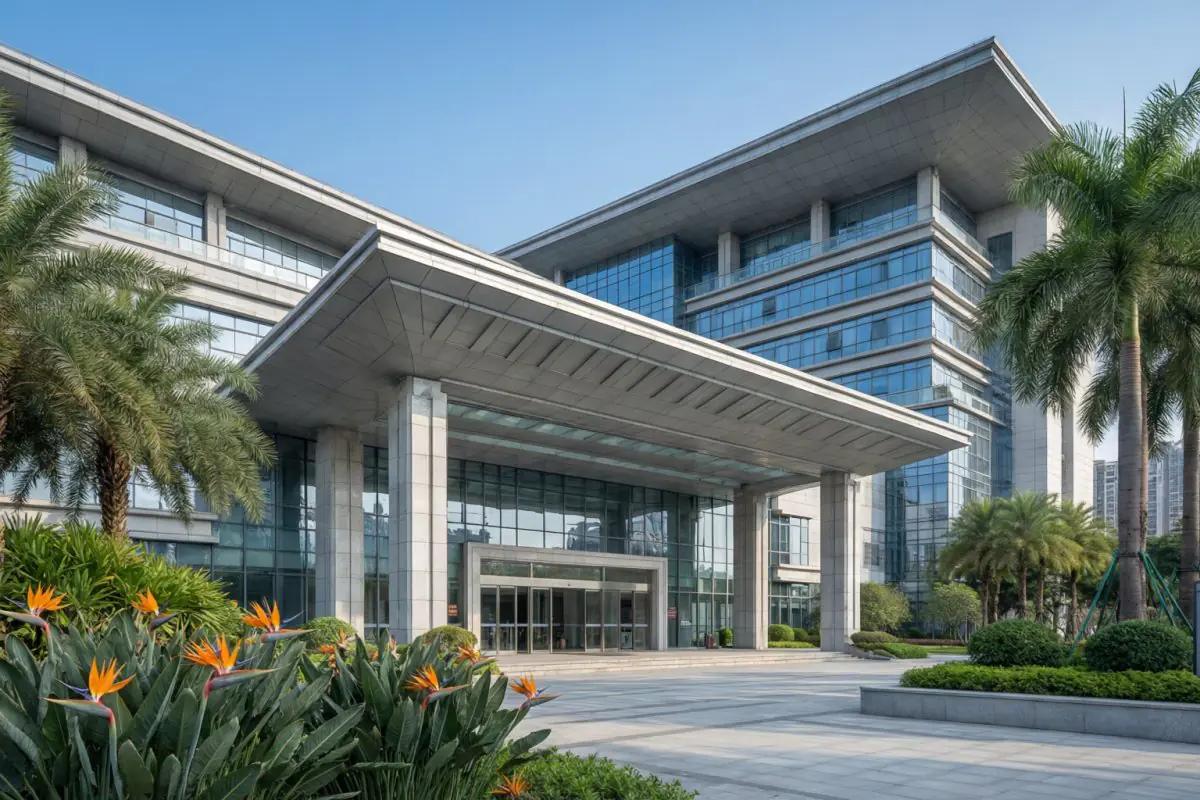

OrientHealthLink is a Beijing-based medical coordination service. It connects patients to China's Class-A hospitals. Key specialties include oncology, cardiology, and neurology. The team also arranges traditional Chinese medicine protocols. A standout feature is bilingual case management from start to finish. This covers medical interpretation and hospital matching. The network's roots go back to 1906.
OrientHealthLink works with over 30 partner hospitals across China. Facilities hold JCI, ESMO, and ASCO accreditations. Reported success rates reach 80% for AFib ablation. IVF success rates go up to 65% for younger patients. Coordination centers use GE CT scanners and Siemens MRI systems. Most patients come from Southeast Asia, Central Asia, and Russia. Remote monitoring after treatment lasts 30 to 90 days.

 The clinic is not accepting new requests
 Average answering time – 5 minutes
| treatment | |
|---|---|
| Traditional chinese medicine methods | Price on request |
OrientHealthLink is an international medical coordination service established in 1906. Located in the Future Science City area of Beijing, the center helps patients manage complex healthcare journeys within China. The team operates two dedicated departments within its Beijing facility for international cases. The service connects patients from over 20 countries with elite Class-A hospitals across the region.
The organization holds several prestigious international trust signals. Partner hospitals in its network maintain JCI accreditation and certifications from ASCO and ESMO. The network includes over 30 hospitals, featuring institutions like Peking Union Medical College Hospital and Fudan University. These affiliations give patients access to specialized care departments throughout Beijing and Shanghai.
OrientHealthLink treats a diverse international population. Most patients travel from the following regions:
Case management protocols are designed for speed. Medical advisors assess case feasibility within 24 hours. A complete cost and hospital match is delivered within 48 hours. The team coordinates all logistics, including specialist bookings and hospital admissions.
The service coordinates treatment for complex diseases requiring multi-specialist teams. This often involves oncology, cardiology, and neurology specialists. A unique feature is the integrative care model, which lets patients combine Western medicine with traditional Chinese medicine (TCM) protocols. For example, oncologists may plan chemotherapy alongside individualized herbal protocols.
In cardiology, the team manages a wide range of conditions:
For atrial fibrillation ablation, partner centers report success rates of 70%–80% for paroxysmal cases. These procedures use 3D mapping systems for precise heart tissue targeting. Dr. Chen Wei serves as a medical advisor. He is a former attending physician at the PUMCH International Medical Department.
Integrative cardiac rehabilitation is available as well. Specialists use TCM blood-activating protocols to aid recovery after heart surgery. Pre-travel evaluations include remote reviews of echocardiograms and CT angiograms. This means the medical plan is ready before the patient arrives in China.
OrientHealthLink organizes comprehensive health screenings using high-end imaging systems. Diagnostic suites at partner hospitals feature Siemens Healthineers MRI machines. The facilities also use GE Healthcare CT scanners and Philips ultrasound systems. Patients can choose between half-day essential screenings or multi-day assessments.
The Comprehensive Screening package provides an in-depth health evaluation:
After testing, every patient receives a face-to-face result review. A specialist physician explains the findings and suggests next steps. This diagnostic phase typically takes three days.
The team provides end-to-end support for international families. This includes help with visa documentation and travel logistics. Dedicated bilingual medical coordinators accompany patients during all consultations. These liaisons provide medically accurate interpretation in English and Chinese. For families staying longer, accommodations in guesthouses with kitchen facilities are arranged.
Continuity of care extends long after the patient returns home. The service provides 30–90 days of remote monitoring after discharge. Patients have unlimited messaging access to the surgical team during this period. Video follow-ups are typically scheduled at 2, 6, and 12 weeks post-surgery. The team also translates final test reports and coordinates with the patient's local doctor.
 The clinic is not accepting new requests
Average answering time – 5 minutes