Thailand, Bangkok
Knee Osteoarthritis Treatment in S Spine and Joint Hospital
About the clinic
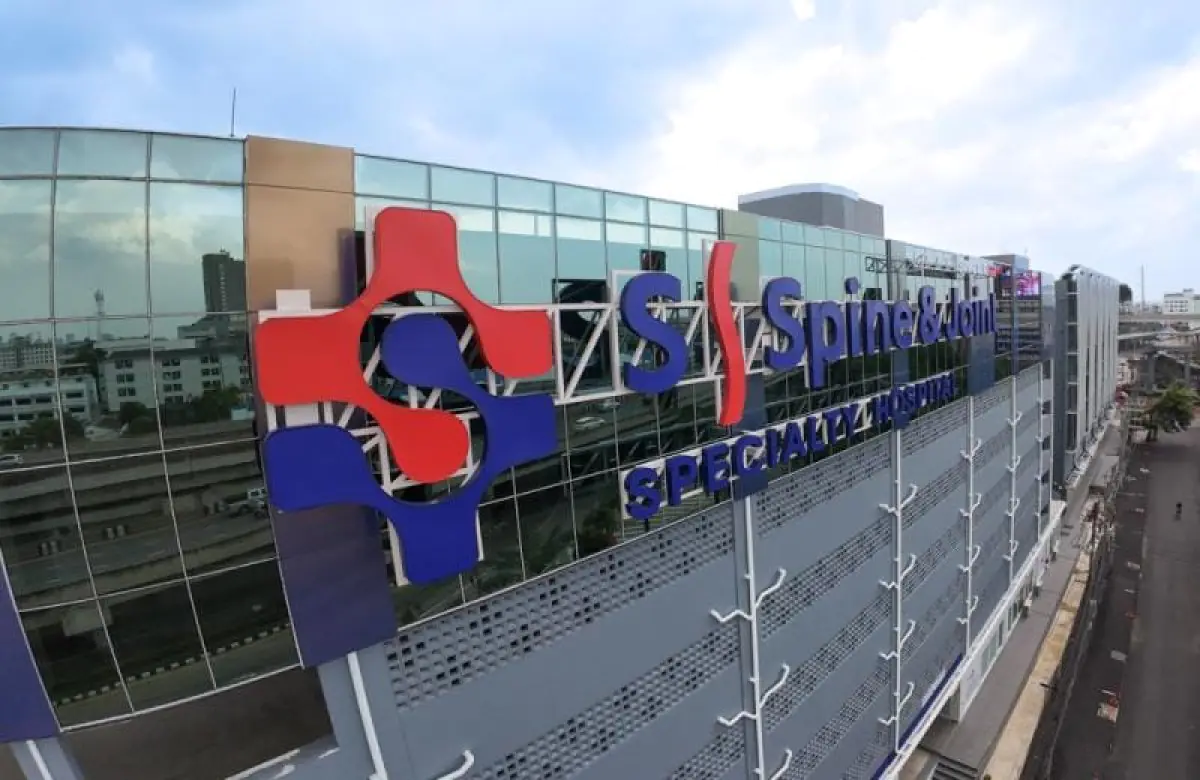
S Spine and Joint Hospital treats knee osteoarthritis in Bangkok, Thailand, with injections, rehabilitation, and knee replacement surgery. Total knee replacement may cost around $4,500–$5,500, and the hospital holds AACI international accreditation.
Assoc. Prof. Lt. Gen. Dr. Chamroonkiat Leelasettaporn specializes in hip and knee reconstruction. The hospital has positive-pressure operating rooms with HEPA filters and a rehabilitation team.
Diagnosis and treatment planning
Assessment can help identify joint damage and guide treatment choices. The hospital offers in-person and online orthopedic consultations.
- Standing X-ray: Shows the knee under body weight.
- Upright open MRI: Images the knee lying down or standing.
- CT scan: Includes 3D reconstruction.
- Bone Mineral Density test: Checks bone density.
- Arthroscopic assessment: A small camera lets the surgeon inspect the joint.
- Fluoroscopy: Provides real-time imaging during surgery.
Non-surgical care and injections
- Hyaluronic Acid (HA) injection: Adds a synthetic fluid similar to joint fluid. It is used for early osteoarthritis, with home recovery in one day.
- PRP injection: Uses the patient’s concentrated platelets for early osteoarthritis or knee injury. Home recovery is typically in one day.
- Corticosteroid injection: Reduces inflammation when basic treatment has not controlled it.
- Conservative management: May include anti-inflammatory medicine, joint-support supplements, activity changes, and follow-up.
Arthroscopy and knee replacement
- Arthroscopic inspection and debridement: A small camera checks cartilage, meniscus, ligaments, and joint lining. The surgeon can remove damaged tissue and bone fragments. Patients may go home in 1–2 days.
- Partial knee replacement (UKA): Resurfaces the damaged knee compartment while preserving healthy bone. Hospital stay is 1–2 days.
- Total knee replacement (TKA): Replaces damaged joint surfaces with a prosthesis made from materials such as titanium, cobalt-chromium, and polymer. The listed price includes the prosthesis, surgical team, and post-operative rehabilitation. Hospital stay is 1–2 days; patients typically walk with aids within 24–48 hours.
- Robotic-assisted knee replacement: Uses a pre-operative scan to create a 3D model. The robot guides implant placement during surgery, with real-time imaging.
Rehabilitation after treatment
The rehabilitation plan moves through three stages: pain and swelling care during weeks 1–2, strength and mobility work during weeks 2–6, then endurance and daily activities from week 6 onward. Exercises can include range-of-motion, resistance, balance, and functional training.
Patients can request a consultation through Bookimed to discuss assessment and treatment options.
Highlights
2017
Year of foundation
6 doctors
Get a free consultation

S Spine and Joint Hospital

 The clinic is not accepting new requests
Submit your request to get the best option in Thailand
 Average answering time – 5 minutes
Treatments prices in the clinic
{{date}}. Prices may change depending on the medical case and the doctor's recommendations.
Orthopedics
| treatment | Price | |
|---|---|---|
| Arthroscopy | Price on request | |
| Arthroscopic surgery | Price on request | |
| ACL reconstruction surgery | Price on request | |
| Arthroscopic meniscus repair | Price on request | |
| Rotator cuff repair surgery | Price on request | |
| Shoulder replacement | Price on request | |
| Anterior cruciate ligament reconstruction | Price on request | |
| Arthroscopic meniscectomy | Price on request | |
| Physiotherapy | Price on request | |
| Kyphoplasty | Price on request | |
| Conservative treatment of scoliosis | Price on request |
Clinic Doctors
How are we doing?
1 of
3
Information about this clinic is full and clear
1
2
3
4
5
Strongly disagree
Strongly agree
S Spine and Joint Hospital: more details about the clinic
Thailand, Bangkok
S Spine and Joint Hospital is a specialized Bangkok hospital founded in 2017. It treats conditions of the spine and joints. Its building houses seven departments focused on movement-based health. Since 2018, the medical team has treated over 100,000 patients and performed more than 5,000 surgeries.
Accreditation and Safety Standards
The hospital holds AACI accreditation, an international safety standard. This certification confirms readiness for life-saving critical care, including the ER and ICU. Surgeries take place in a Positive Pressure Room with HEPA filters. Staff also run regular emergency drills and evacuation assessments to keep patients safe.
Care centers on the "S-Quality" standard. This model pairs specialists trained in standardized protocols with advanced spine-specific technology. As a result, every treatment plan follows coordinated steps from diagnosis to rehabilitation.
Spine Care and Neurosurgery
The neurosurgery department treats disorders of the nerves and spinal column. Prof. Bunpot Sitthinamsuwan, one of its lead specialists, focuses on complex nerve surgery and neuromodulation. The team works through small incisions, so patients recover faster.
Specialists perform several advanced spine procedures:
- Percutaneous Laser Disc Decompression – uses a 1-millimeter needle and a laser to treat herniated discs.
- Vertebroplasty – injects cement under fluoroscopy guidance to treat vertebral fractures or collapses.
- Endoscopic surgery – relieves disc-related nerve compression through small access points.
- Microvascular decompression and skull base tumor surgery.
The hospital reports treating over 8,700 spondylosis patients through its Department of Medicine. Doctors link each treatment directly to diagnostic findings. Before surgery, patients with herniated discs should not lift more than 5 kilograms, since this can cause further damage.
Orthopedic and Joint Treatment
The orthopedics department treats acute injuries and chronic joint wear. Surgeons focus on preserving joints and restoring function. For knee osteoarthritis, non-surgical options include Hyaluronic Acid (HA) or PRP injections. If the case is severe, surgeons perform Total Knee Arthroplasty (TKA).
Joint specialists perform several arthroscopic procedures:
- ACL and PCL arthroscopic reconstruction
- Arthroscopic meniscus repair and debridement
- Rotator cuff and shoulder impingement surgery
- Shoulder capsule repair
Physiotherapy is part of every surgical recovery plan. Sub-acute rehabilitation starts 2 to 6 weeks after surgery. This phase aims to improve joint movement and reduce reliance on walking aids.
Diagnostic Technology
Imaging here reflects how patients actually stand and move. The hospital uses an upright open MRI that can shift between lying and standing positions. This shows how body weight affects the spine and joints. Posture-specific X-rays then help find the root cause.
Available diagnostic equipment includes:
- CT Scan and Bone Mineral Density (BMD) testing
- Standing and horizontal MRI systems
- Arthroscopic diagnostic imaging
- Fluoroscopic guidance for real-time surgical monitoring
Specialists like Dr. Thapanat Chantaraphas lead these diagnostic processes. Dr. Chantaraphas trained at Northwestern University and Washington University. The medical team takes part in international training and academic workshops to refine these imaging techniques.
Services for International Patients
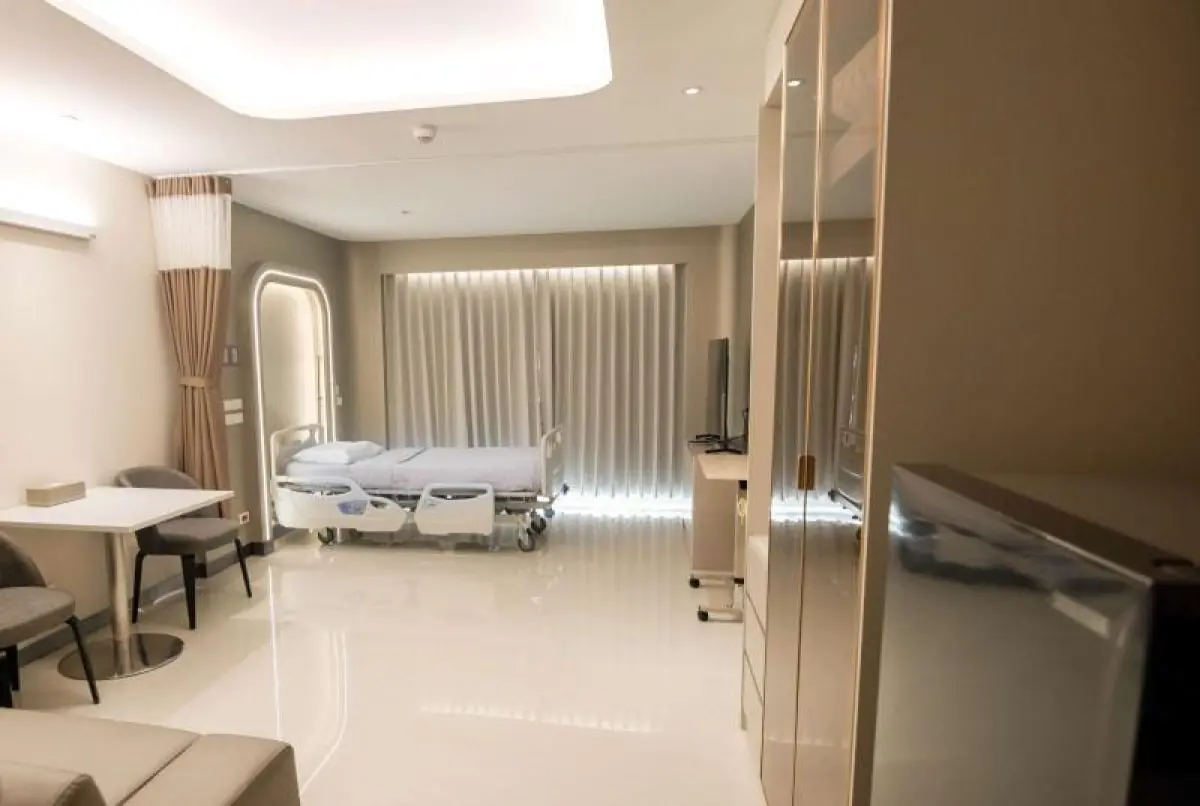
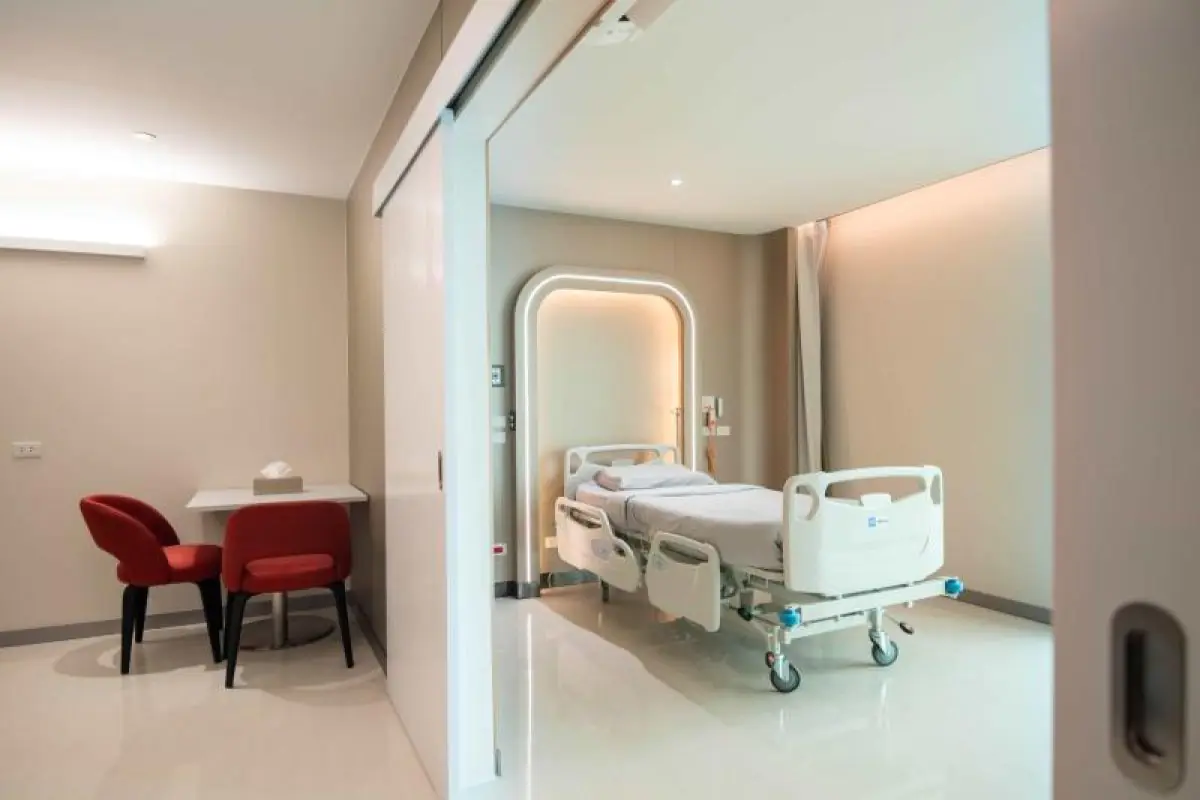
A dedicated foreign-patient service coordinates care for those traveling from abroad. Premium patient rooms come with modern amenities and climate control. Staff speak English and Thai, so communication stays clear.
Post-treatment support includes guided recovery timelines. Stitches usually come out 10–14 days after surgery, unless absorbable materials are used. The international service team tracks follow-up appointments, which generally begin one week after discharge.
Additional services
Language assistance
Available
free
Accommodation
Hotel (apartments) near the clinic, billed daily
Patient reviews
10 Google
reviews
ศิราเชน รุงเรืองมา
Nov 10, 2026
The service staff were very kind and spoke well. The hospital is clean. The doctor explained everything in detail and was concerned about the patient like family.
Jirat Marasree
Nov 1, 2026
I’d like to leave a 100-star review—excellent, really amazing. I was impressed from the moment I contacted the call center; they were so lovely and did their best to coordinate everything. Everyone was truly wonderful. When we arrived at the hospital, all the staff—employees, nurses, doctors, and officers—took great care of us. They helped me get an MRI without any fear. The staff looked after me and provided close, attentive guidance for my dad. I truly want to praise them from the bottom of my heart 🙏🏻❤️
Naiyana Namkang
Oct 20, 2026
Beautiful, clean hospital. The doctor explained everything very well. The staff were smiling, cheerful, and provided very good information.
Nikolajs Solovjovs
Oct 13, 2026
11 years I was suffering from back pain. In 3 countries(Europe) I was begging best doctors for any help, any surgery... But they couldn't find the reason. In S-spine my first visit and immediately problem was found by professor Dittapong. He said:"Surgery within 2 hours, you overnight in hospital and next day you can run... No more pain". And it was 100% true!!! I'm so happy now! Don't feel as disabled anymore. God/Buddha bless Dr.Dittipong and all the hospital staff 🙏🏻 Price was 2 or 3 times cheaper than in Europe/USA for the same surgery (bone cement injection). But finding problem in 5 minutes is totally priceless. Million thanks to all hospital workers❤️
Koi---Pitchayada ^^ Sirisakorn
Oct 4, 2026
If you’re having trouble with back pain, I recommend s spine—you won’t be disappointed. My father and mother came for treatment for both of them. After talking with the doctor, we were confident that after surgery they would be able to live their life like before. Of course.
Jibby Chanji
Sep 21, 2026
The hospital is easy to get to, right by the main road. You can travel there both by private car and by electric train (metro). The hospital is clean. There are specialist doctors who take care of bone and joint conditions. There are more than 25 specialist doctors. Each doctor has special expertise, and every one of them looks after the patients fully.
Sura Sirisuwapatr
Sep 21, 2026
Specialized hospital for orthopedics, spine, and joints. The doctors have great experience in treating every case, as promised.
paskornpranpare
Nov 10, 2026
Great service
ปรีชา พวงพิกุล
Nov 3, 2026
Good service—the doctor is an expert and capable.
Real Time
Oct 26, 2026
The staff provided very good care.
2102/9 Building A, Ladprao Road, Wang Thonglang Subdistrict, Wang Thonglang District, Bangkok 10310, Thailand

Get a free consultation
S Spine and Joint Hospital
The clinic is not accepting new requests
Submit your request to get the best option in Thailand
Average answering time – 5 minutes
How it works:
- We find a medical coordinator familiar with the matter
- You get a personal offer with a step-by-step guide and the cost estimate
- We arrange your travel including appointment scheduling and flights booking
- You arrive at the hospital, we support you 24/7