ศิราเชน รุงเรืองมา
Nov 10, 2026
The service staff were very kind and spoke well. The hospital is clean. The doctor explained everything in detail and was concerned about the patient like family.
S Spine and Joint Hospital in Bangkok, Thailand, provides rehabilitation after spinal cord injury through a dedicated Physical Medicine & Rehabilitation department. Its structured program has three phases, and the hospital holds AACI accreditation.
Assessment options include imaging, bone density testing, and a spine specialist consultation.
The hospital’s upright MRI and standing X-ray support assessment in different positions. Dr. Sarun Jindahara, MD, specializes in spine care and traumatic spine injury. He completed a clinical spine fellowship at Lerdsin General Hospital and a biportal endoscopic spine surgery fellowship in South Korea.
The post-surgery program has three stages. The acute phase lasts 1–2 weeks and includes bed mobility, slow walking, and breathing exercises. The intermediate phase runs 2–6 weeks and focuses on strength and flexibility. The long-term phase begins at 6+ weeks and continues with exercise and movement retraining.
Patients can request a consultation through Bookimed to discuss rehabilitation after spinal cord injury.


 The clinic is not accepting new requests
 Average answering time – 5 minutes
| treatment | Price | |
|---|---|---|
| Comprehensive rehabilitation | Price on request | |
| Rehabilitation (per 1 day) | Price on request | |
| Inpatient rehabilitation | Price on request | |
| Outpatient rehabilitation per day | Price on request |
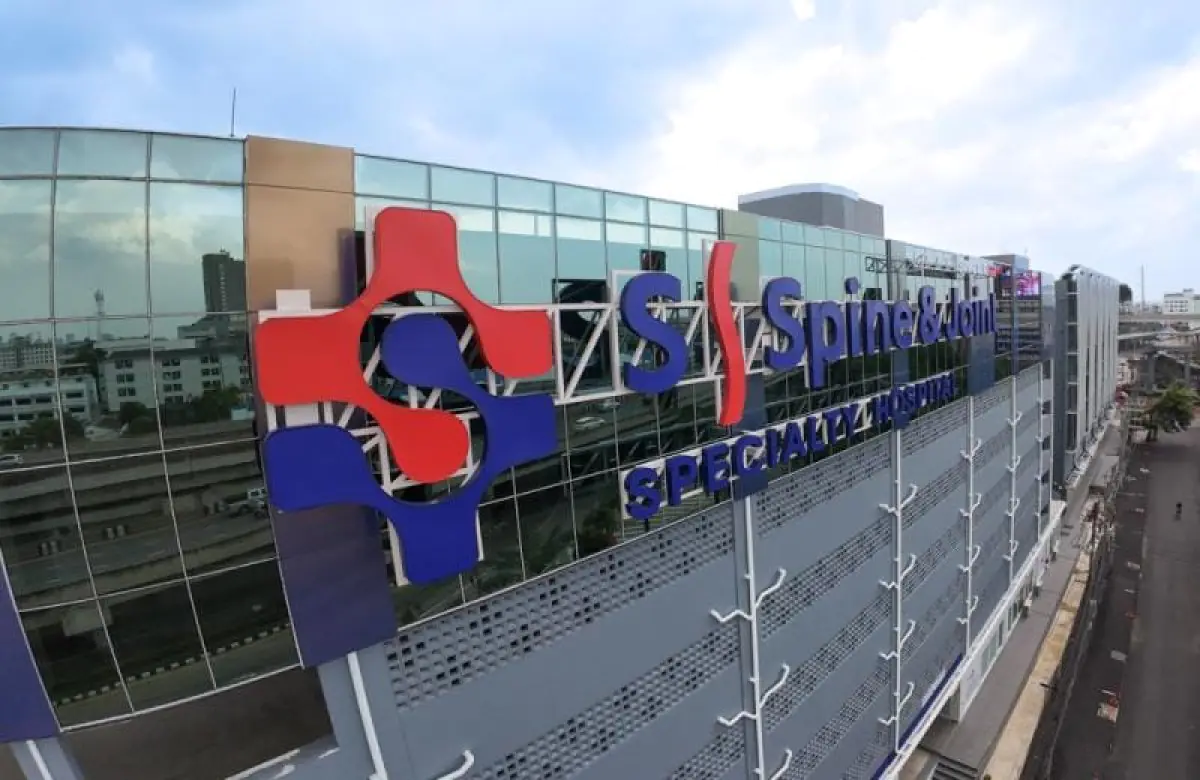
S Spine and Joint Hospital is a specialized Bangkok hospital founded in 2017. It treats conditions of the spine and joints. Its building houses seven departments focused on movement-based health. Since 2018, the medical team has treated over 100,000 patients and performed more than 5,000 surgeries.
The hospital holds AACI accreditation, an international safety standard. This certification confirms readiness for life-saving critical care, including the ER and ICU. Surgeries take place in a Positive Pressure Room with HEPA filters. Staff also run regular emergency drills and evacuation assessments to keep patients safe.
Care centers on the "S-Quality" standard. This model pairs specialists trained in standardized protocols with advanced spine-specific technology. As a result, every treatment plan follows coordinated steps from diagnosis to rehabilitation.
The neurosurgery department treats disorders of the nerves and spinal column. Prof. Bunpot Sitthinamsuwan, one of its lead specialists, focuses on complex nerve surgery and neuromodulation. The team works through small incisions, so patients recover faster.
Specialists perform several advanced spine procedures:
The hospital reports treating over 8,700 spondylosis patients through its Department of Medicine. Doctors link each treatment directly to diagnostic findings. Before surgery, patients with herniated discs should not lift more than 5 kilograms, since this can cause further damage.
The orthopedics department treats acute injuries and chronic joint wear. Surgeons focus on preserving joints and restoring function. For knee osteoarthritis, non-surgical options include Hyaluronic Acid (HA) or PRP injections. If the case is severe, surgeons perform Total Knee Arthroplasty (TKA).
Joint specialists perform several arthroscopic procedures:
Physiotherapy is part of every surgical recovery plan. Sub-acute rehabilitation starts 2 to 6 weeks after surgery. This phase aims to improve joint movement and reduce reliance on walking aids.
Imaging here reflects how patients actually stand and move. The hospital uses an upright open MRI that can shift between lying and standing positions. This shows how body weight affects the spine and joints. Posture-specific X-rays then help find the root cause.
Available diagnostic equipment includes:
Specialists like Dr. Thapanat Chantaraphas lead these diagnostic processes. Dr. Chantaraphas trained at Northwestern University and Washington University. The medical team takes part in international training and academic workshops to refine these imaging techniques.
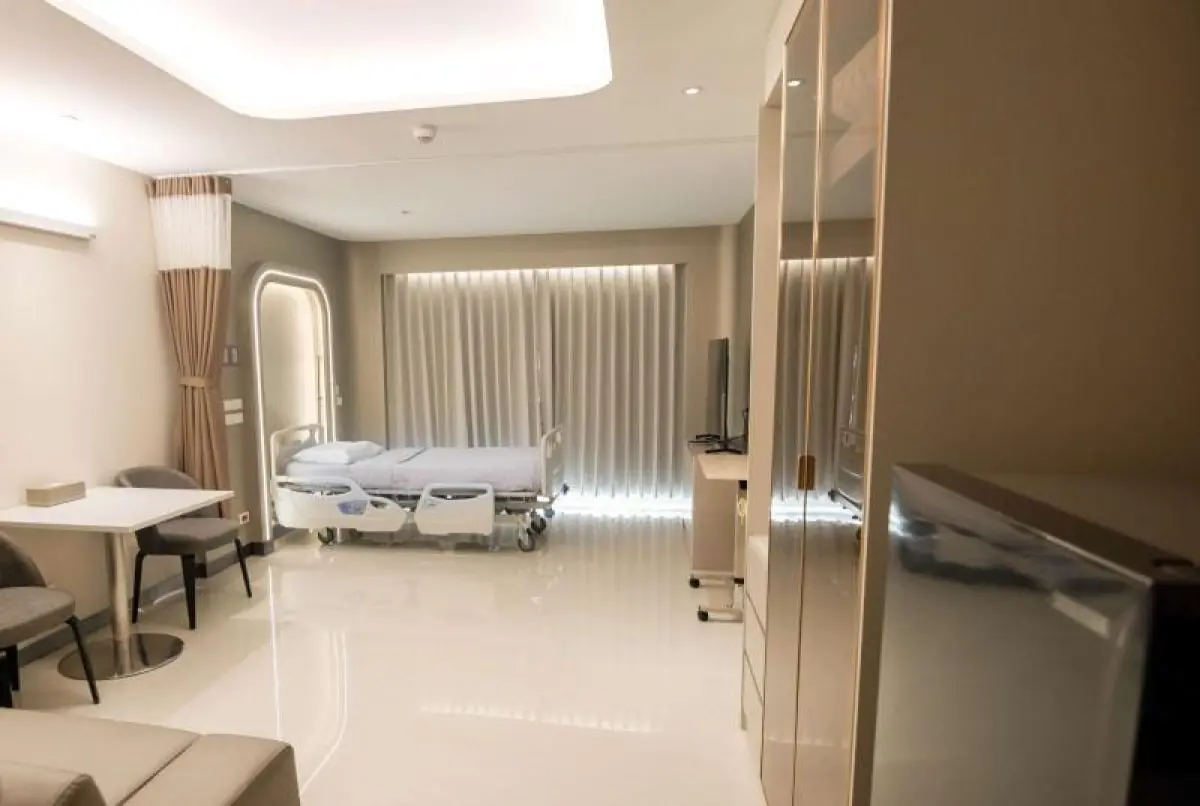
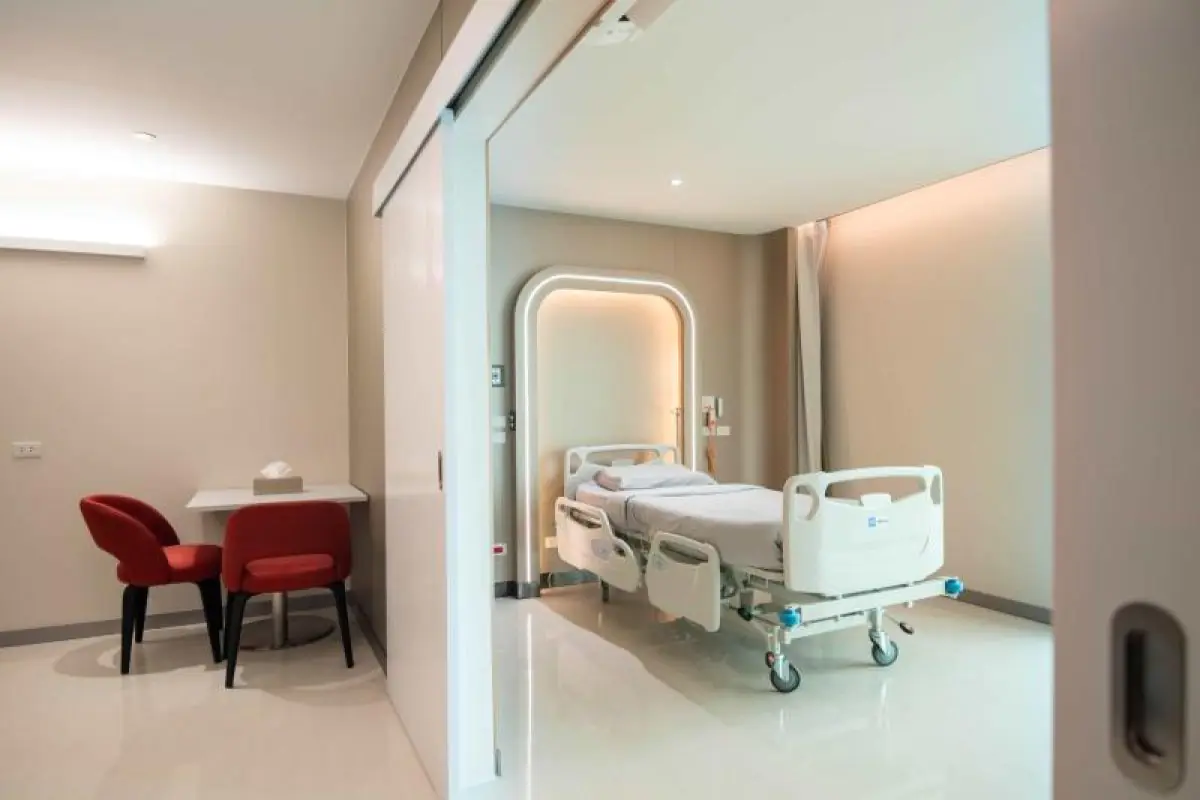
A dedicated foreign-patient service coordinates care for those traveling from abroad. Premium patient rooms come with modern amenities and climate control. Staff speak English and Thai, so communication stays clear.
Post-treatment support includes guided recovery timelines. Stitches usually come out 10–14 days after surgery, unless absorbable materials are used. The international service team tracks follow-up appointments, which generally begin one week after discharge.
 The clinic is not accepting new requests
Average answering time – 5 minutes