
Bobath therapy in Sanpiti Rehabilitation Center
About the clinic
Bobath therapy at Sanpiti Rehabilitation Center in Bangkok, Thailand, provides specialized neurological recovery for patients after a stroke. This hands-on method helps individuals regain natural movement patterns by retraining the brain and nervous system. The clinic is part of a large hospital-based network with nine branches and holds AACI accreditation.
The Bobath Concept for Stroke Recovery
The Bobath Concept, also known as Neuro-Developmental Treatment (NDT), focuses on how the body moves as a whole. Therapists use specific touch and positioning to help patients move more efficiently. This approach helps stop the body from using awkward or painful movements to compensate for weakness. The primary goal is to normalize muscle tone and re-establish control in the trunk and pelvis. Once these areas are stable, patients can better control their arms and legs. Therapists guide patients through functional tasks to make these improvements part of daily life.
Treatment Intensity and Methods
Sanpiti Rehabilitation Center provides an intensive schedule to help patients recover faster. The program includes several key features:
- Individual Sessions: Patients receive one-on-one care with a physical therapist up to three times per day.
- Frequent Training: Therapy occurs six days per week to drive changes in the brain.
- Combined Therapies: Specialists blend Bobath handling with robotic gait training and constraint-induced movement therapy.
- Advanced Support: The clinic uses Transcranial Magnetic Stimulation (TMS) and shock wave therapy to assist recovery.
The Importance of Timing
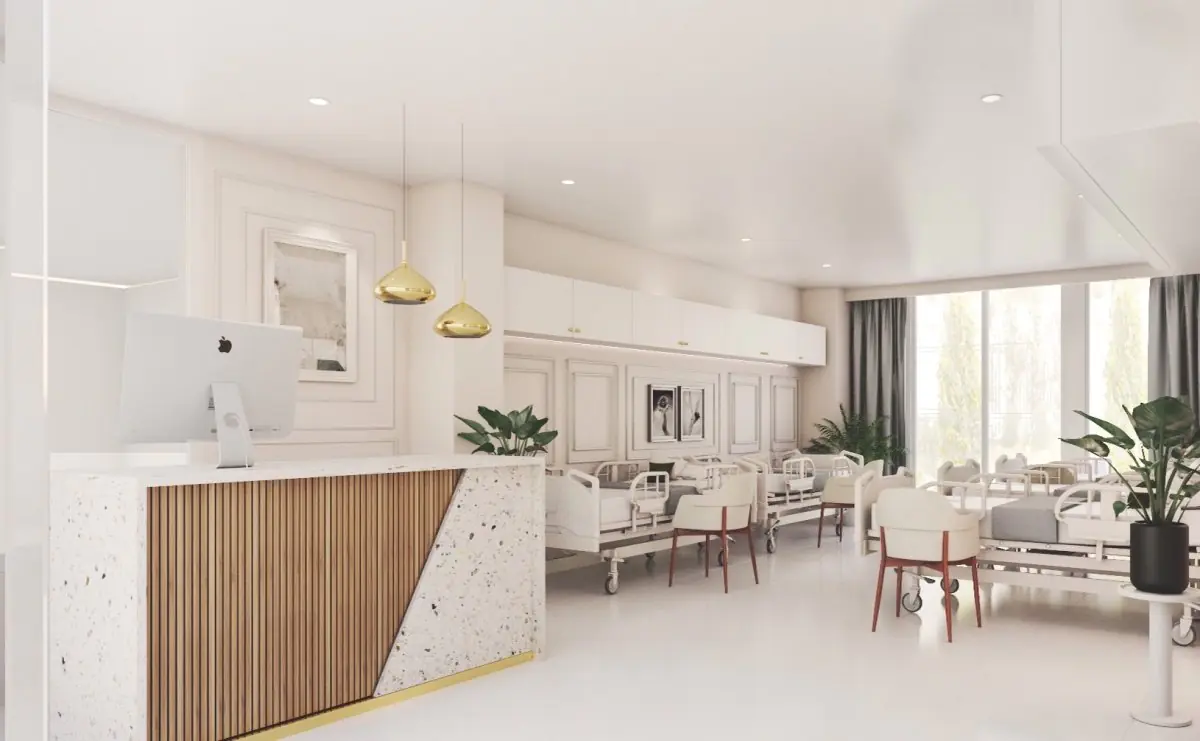
Starting rehabilitation early is vital for the best results. The first three to six months after a stroke are known as the golden period. During this time, the brain is most capable of creating new pathways, a process called neuroplasticity. The medical team at the clinic provides 24-hour nursing and medical oversight. This hospital-based setting makes sure that patients stay safe while focusing on their physical gains. By using repetition and varied exercises, the team helps patients move toward independence.
To learn more about personalized rehabilitation programs in Bangkok, you can leave a request on Bookimed.
Highlights
Get a free consultation

 Individual treatment program and cost estimate
 Average answering time – 5 minutes
Treatments prices in the clinic
| treatment | Price | |
|---|---|---|
| Orthopedic Rehabilitation | Price on request | |
| Orthopedic rehabilitation (per 1 day) | Price on request | |
| Outpatient rehabilitation per day | Price on request | |
| Neurological Rehabilitation | Price on request | |
| Rehabilitation (per 1 day) | Price on request | |
| Rehabilitation after a stroke (per 1 day) | Price on request | |
| Stroke rehabilitation | Price on request | |
| Transcranial magnetic stimulation (TMS) | Price on request | |
| Comprehensive rehabilitation | Price on request | |
| Hydrotherapy | Price on request | |
| Inpatient rehabilitation | Price on request | |
| Bobath therapy | Price on request |
How are we doing?
Licences
hospital accreditation of quality
Sanpiti Rehabilitation Center: more details about the clinic
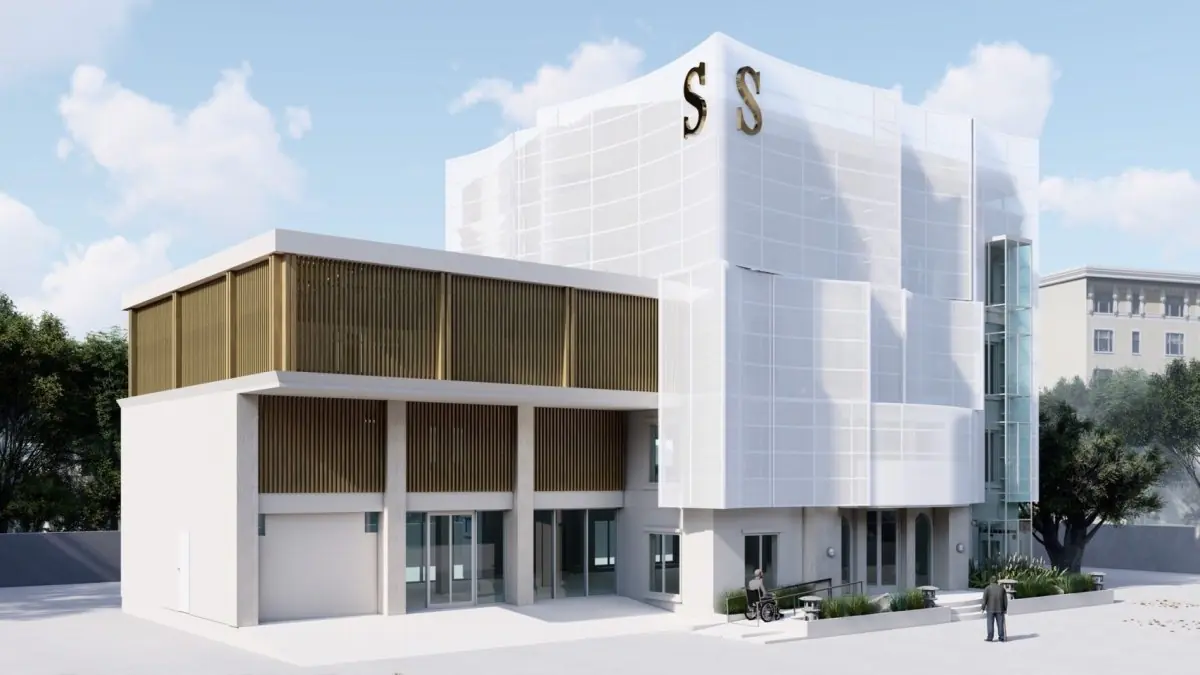
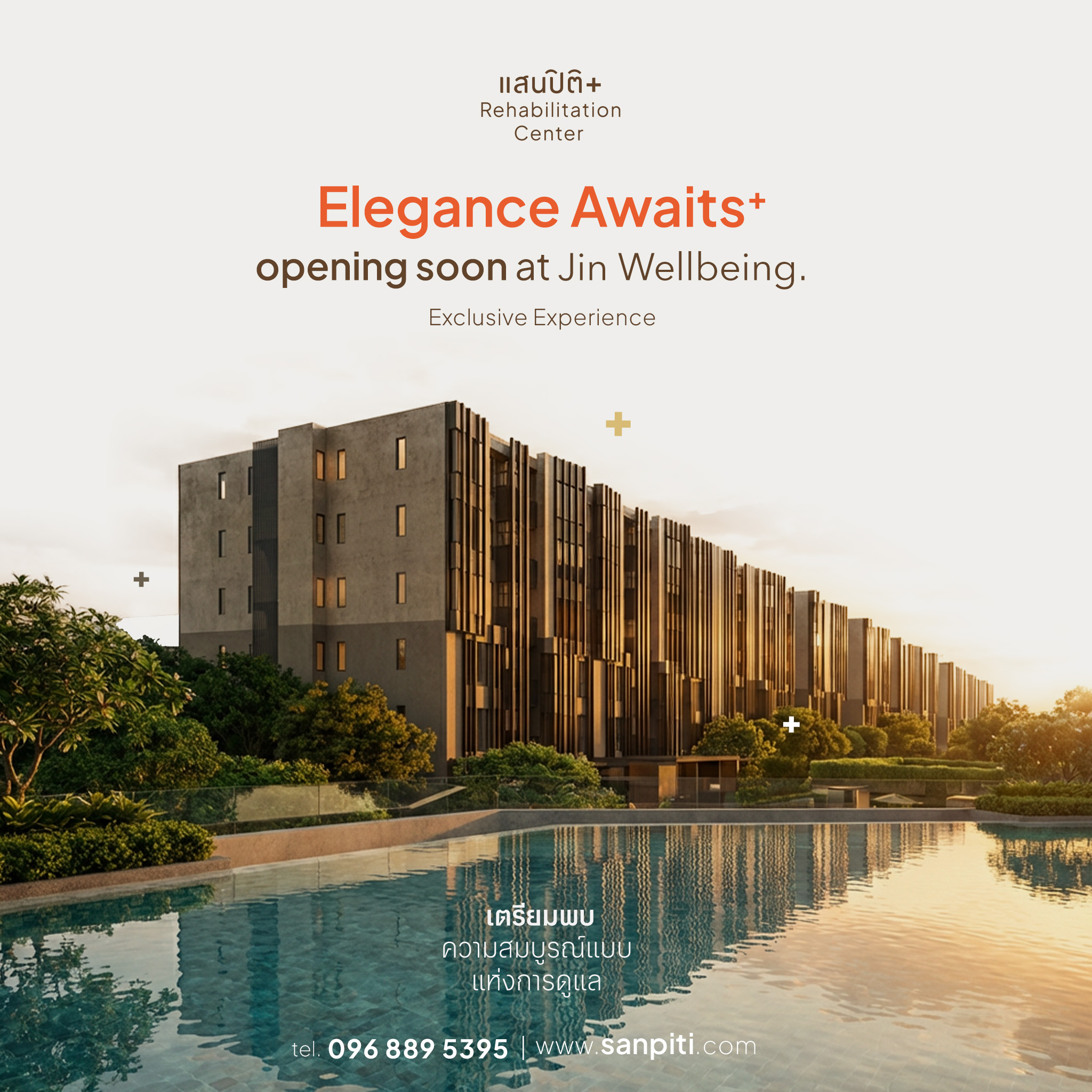
Sanpiti Rehabilitation Center is a hospital-based network specializing in stroke recovery. Established in 2020, the center operates 9 branches throughout Bangkok and surrounding areas. The flagship Jin Wellbeing center sits within a hospital building in the Bueng Kum district. This setup gives patients immediate access to hospital infrastructure. On-site facilities include an emergency room, a dialysis center, and intensive care units.
Accreditations and Quality Standards
The hospital campus hosting the flagship center holds AACI accreditation for medical safety. The clinic also follows JCI standards for its clinical operations.
Quality is managed through the internal Sanpiti Academy, which performs monthly audits of clinical pathways across the entire network. Specialists use the Barthel Index every two weeks to measure functional recovery. This standardized protocol ensures consistent care across all 9 locations.
Neurorehabilitation and Stroke Recovery
The clinic focuses on the "Golden Period" – the first 3–6 months after a stroke. Its intensive inpatient model provides 2–3 physical therapy sessions daily. Care is led by 7 physicians, including neurologists and PM&R (Physical Medicine and Rehabilitation) specialists.
The medical team reports that 87% of intensive care patients recover enough to walk and care for themselves. Treatment plans integrate several specialized methods:
- Bobath therapy – a hands-on approach to inhibit spasticity and restore normal movement.
- Neuroplasticity training – exercises that help the brain rewire itself after injury.
- Speech therapy – protocols to restore swallowing and communication skills.
- Occupational therapy to rebuild independence in daily activities.
The center also provides orthopedic rehabilitation for patients recovering from hip, knee, or cardiac surgery. Programs are adjusted based on regular functional reassessments.
Advanced Medical Technology
Sanpiti uses a "Triple-Technology Stack" to support physical therapy outcomes. These non-invasive tools stimulate brain and muscle tissue without surgery or anesthesia. The clinic has hospital-grade diagnostic tools, including in-hospital CT and MRI scanners.
Available treatment technologies include:
- TMS (Transcranial Magnetic Stimulation) – uses magnetic waves to stimulate brain cells for motor recovery.
- PMS (Peripheral Magnetic Stimulation) – targets nerves and muscles to improve movement.
- Shockwave/ESWT – manages spasticity and chronic pain.
- Gait Trainer – a body-weight support system for intensive walking practice.
- Saltwater Hydrotherapy Pool – warm water reduces joint load by 60–90% during exercise.
Physicians supervise all neurostimulation sessions, which typically occur 3–5 days per week. These technologies are combined into individualized plans to speed recovery during the inpatient stay.
International Patient Services
The center treats patients from the United States, United Kingdom, Australia, and Singapore. The clinical team and patient coordinators are fluent in English. Medical reports come in English to support international insurance paperwork.
The center offers several logistics services:
- Wheelchair-accessible transfers from Suvarnabhumi Airport (BKK).
- Private ambulance transfers for patients with complex medical needs.
- Visa support letters on official hospital letterhead.
- Family accommodation in private suites or nearby serviced apartments.
Caregivers receive structured training before discharge. This helps families manage recovery at home once the inpatient program ends.
Additional services
42 188 Nawamin 143, Nuan Chan, Bueng Kum, Bangkok 10230, Thailand
Get a free consultation
Individual treatment program and cost estimate
Average answering time – 5 minutes
How it works:
- We find a medical coordinator familiar with the matter
- You get a personal offer with a step-by-step guide and the cost estimate
- We arrange your travel including appointment scheduling and flights booking
- You arrive at the hospital, we support you 24/7