Austria, Vienna
Rehabilitation After Spinal Cord Injury Treatment in therapy2people Therapiezentrum
About the clinic
Rehabilitation after spinal cord injury at tech2people Therapiezentrum in Vienna, Austria, includes assessments, device-assisted therapy, and intensive programs. A consultation may cost around $200, conventional therapy around $90, device-assisted therapy around $200, and robotic programs around $3,100–$5,800. Founded in 2017 by paraplegic Gregor Demblin, it is Austria’s unique outpatient center for device-assisted neurotherapy.
Assessment and diagnostic tests
Prim. Priv.-Doz. Dr. Peter Lackner, a neurological rehabilitation specialist, serves as senior medical advisor and develops treatment concepts with therapists.
- Initial consultation: A 60-minute visit covers the patient’s history and neurological status.
- Neurological tests: Assessments include electromyography (EMG), electroneurography, and complex neurological examinations.
- Bone density measurement: This is required before robotic gait training.
- Gait analysis: The Rysen system can assess walking.
Robotic gait therapy with EksoNR and Lokomat Pro
- EksoNR exoskeleton: This wearable device uses electric motors to move the legs. Therapists can adjust support for each leg, and sessions can include functional electrical stimulation.
- Lokomat Pro with FreeD: A treadmill, weight support, and adjustable leg braces guide repeated walking practice. FreeD allows sideways pelvic movement and weight shifts.
- Body-weight-supported gait training: The Rysen ceiling rail and C-Mill treadmill support walking, balance, and symmetry practice. The C-Mill also uses augmented or virtual reality.
Other therapy options and intensive programs
- Neuro Intensive Program: Starts at 2 weeks, with 3 to 6 therapy units daily. Sessions can combine device-assisted and conventional therapy.
- Transcutaneous spinal cord stimulation: This non-invasive electrical stimulation aims to support muscle function. Scientific consultation is available from Karen Minassian and Ursula Hofstötter.
- Trunk, balance, and coordination training: Tymo, Hirob, OmegoPlus, and Pablo support core stability, sitting balance, and preparation for gait therapy.
- Upper-limb rehabilitation: Diego, Amadeo, Myro, RT 300, and MTT devices support arm, shoulder, and hand practice for daily activities.
- Physiotherapy and occupational therapy: Sessions focus on movement, strength, and everyday independence.
- Inpatient rehabilitation: The listed program includes intensive therapy and interdisciplinary team care.
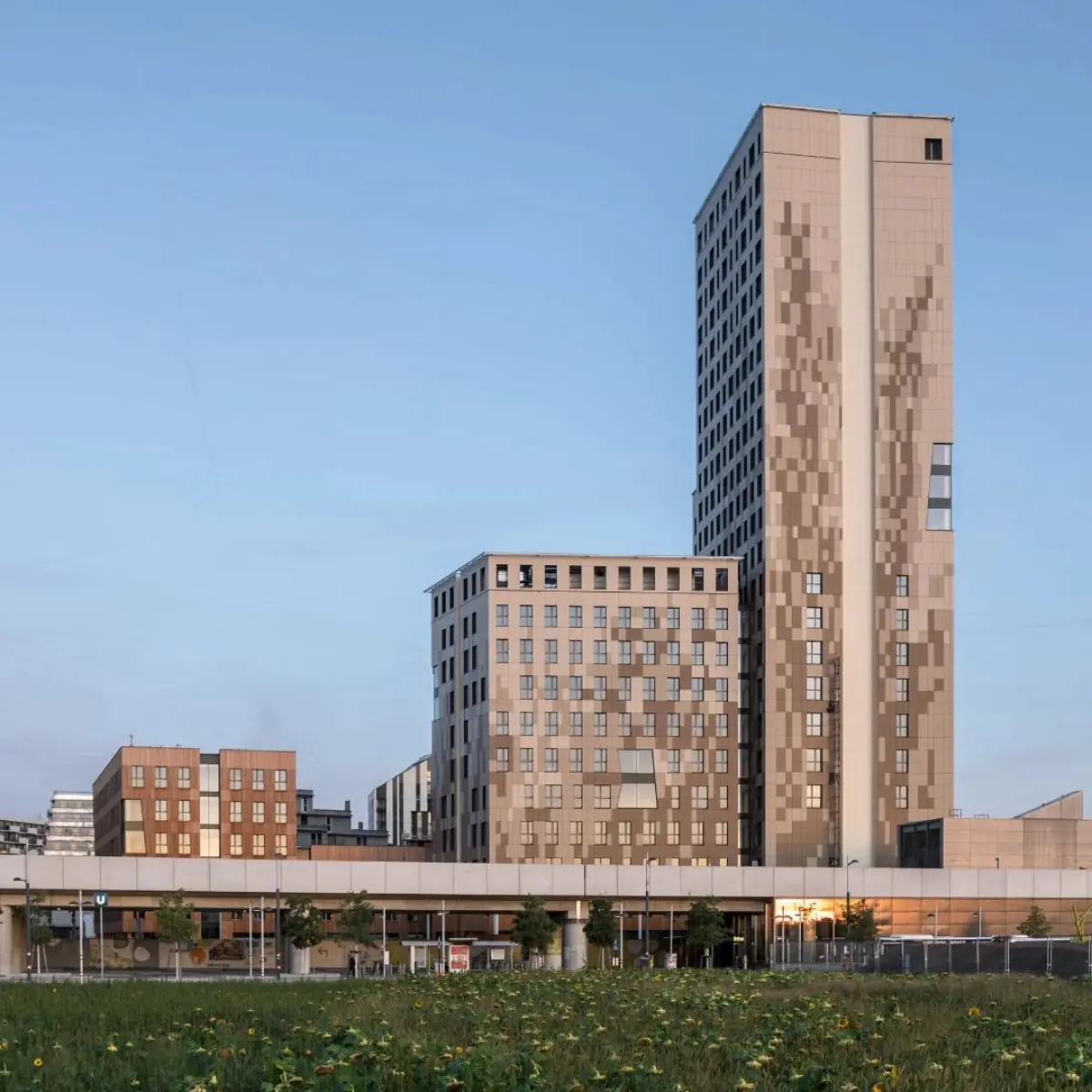
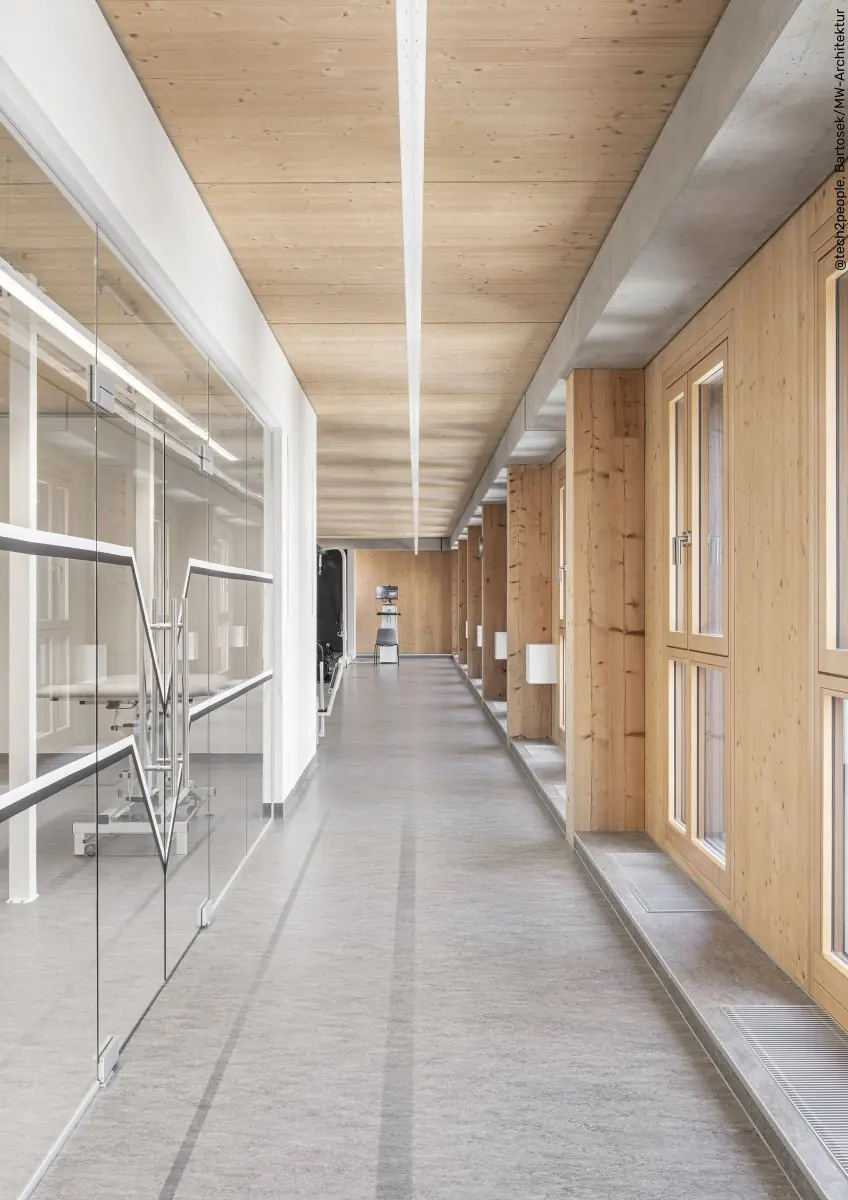
The 700 m² center is in the accessible HoHo Next building near the Seestadt U2 terminus. Patients can request a consultation through Bookimed.
Highlights
2017
Year of foundation
15 doctors
Get a free consultation

therapy2people Therapiezentrum

 The clinic is not accepting new requests
Submit your request to get the best option in Austria
 Average answering time – 5 minutes
Treatments prices in the clinic
Last price update — 29.03.2025. Prices can be changed depending on the medical case and doctor's recommendations.
Rehabilitation
| treatment | Price | |
|---|---|---|
| Rehabilitation with "Lokomat" | $3075.67 - $5750.16 | |
| Rehabilitation with Exoskeleton | $3075.67 - $5750.16 | |
| Inpatient rehabilitation | $3075.67 - $5750.16 | |
| Stroke rehabilitation | Price on request | |
| Neurological Rehabilitation | Price on request | |
| Spinal cord injury rehabilitation | Price on request | |
| Rehabilitation for children with cerebral palsy | Price on request | |
| Children's rehabilitation | Price on request |
Clinic Doctors
How are we doing?
1 of
3
Information about this clinic is full and clear
1
2
3
4
5
Strongly disagree
Strongly agree
therapy2people Therapiezentrum: more details about the clinic
Austria, Vienna
tech2people Therapiezentrum is a private outpatient neurorehabilitation center in Vienna's Seestadt district. Gregor Demblin established it in 2017. The center focuses on device-assisted neurotherapy for complex injuries. It operates within the modern HoHo Next building, which offers full accessibility. Specialist teams treat both neurological and orthopaedic conditions. They help patients regain independence after surgeries or injuries.
Neurological and Orthopaedic Rehabilitation
The clinic treats several chronic and acute conditions:
- Stroke recovery
- Multiple sclerosis (MS)
- Paraplegia and spinal cord injuries
- Infantile cerebral palsy (ICP)
- Traumatic brain injury
- Parkinson's disease
Dr. Peter Lackner is the senior medical advisor and a specialist in neurological rehabilitation. He works with therapists to develop evidence-based treatment concepts. The clinic offers the Neuro Intensive Program for efficient recovery. This modular program starts from 2 weeks and includes 3–6 therapy units daily. High repetition of movements triggers neuroplasticity. This helps the brain relearn lost motor functions.
Specialists turn to robotic systems when conventional methods fall short. For spinal cord injuries, therapists use the ExsoNR exoskeleton. This battery-powered system enables safe standing and walking. Electric motors replace deficient neuromuscular functions. For stroke recovery, robot-assisted training focuses on gait. Real-time feedback and game-like elements boost patient engagement. The interprofessional team adjusts plans based on measurable progress.
Occupational and Pediatric Therapy
Occupational therapy focuses on everyday independence. Therapists practice specific tasks like eating or dressing. They use the Myro sensor-based surface to train arm and shoulder functions. Strategies are developed to make daily life easier.
Pediatric therapy combines play with innovative rehabilitation devices. This helps children develop motor and sensory skills. The center treats children aged 2 and older. Each therapy plan is tailored to the child's goals. Relatives can also access psychosocial counseling services.
Advanced Rehabilitation Technology
The facility uses several robotic and sensor-based platforms:
- Lokomat Pro – robot-assisted gait training with weight support
- EksoNR – bionic exoskeleton for active mobility training
- OmegoPlus – preparatory exercises for standing and walking
- Diego – functional arm and shoulder therapy
- Amadeo – specialized hand and finger rehabilitation
- Pablo – full-body sensor therapy for daily activities
The clinic also offers transcutaneous spinal cord stimulation. This non-invasive option uses electrical stimulation to improve muscle function. Diagnostic capabilities include Electromyography (EMG) and Electroneurography. The medical team also conducts complex neurological examinations. These tests help define precise goals before therapy starts. A bone density measurement is required for robotic gait training to ensure patient safety.
International Patient Services
The center treats international patients with a multilingual team. Therapists provide consultations in several languages:
- English and German
- Dutch and French
- Croatian and Hindi
- Tibetan and Bengali
The first appointment typically lasts 60 minutes. It includes a detailed history and status recording. The interprofessional team holds regular progress exchanges to keep treatment aligned with patient needs. The facility sits directly at the Seestadt U2 terminus, so public transport access is easy. Recent staff expansion allows for more intensive therapy slots each month.
Additional services
Language assistance
Available
free
Accommodation
Hotel (apartments) near the clinic, billed daily
Patient reviews
10 Google
reviews
Christoph Habicher
May 8, 2026
Hitech meets humanity. My son is very happy to have his therapy place here, and I would also like to say a big thank you for the great work!
Hannelore Hinterecker
Jan 29, 2026
Unique selection of therapeutic devices that I haven’t found anywhere else, a caring and empathetic team including the ladies at check-in, barrier-free and spacious sanitary facilities, affordable garage/disabled parking across the street—our only downside is the long way to Seestadt, but maybe someone will consider a branch in the south of Vienna ;)
Gisella
Jan 27, 2026
We have been in therapy here for over 2 years and can highly recommend the institute. The care provided by the ladies at reception as well as by the therapist team is excellent. Treatment plans are reviewed after 10 sessions and adjusted, and you can tell that cooperation and communication within the team work at the highest level. This also ensures that when handing over to a new therapist, work can continue seamlessly. Robot-assisted therapy is truly a great addition and, in our opinion, leads to the most progress.
Thank you to everyone here for the wonderful care!
Susanne Weißl
Jan 16, 2026
The therapy center has a super loving, close-knit team of therapists. :)
The available therapy options offer patients a very special and specialized way to receive treatment.
I myself was able to gain experience and collect infinitely much new knowledge as a physiotherapy intern in the team. The goal of every therapist is to support people as they grow—whether they are an intern, a patient, or a family member.
What was especially wonderful to see was that the well-being of the patients comes first, and that at all times a caring and respectful approach toward the patients is maintained.
Olga Felber
Jan 12, 2026
tech2people is the best thing that could happen to someone in my situation. All the therapists are fantastic, and this center must never be closed!
Dianna Natadze
Jan 11, 2026
Great team. Everyone is a true professional. We’re very happy and glad that we have the opportunity to benefit from their professionalism. Thank you to every physiotherapist.
Wolfgang Sumser
Dec 18, 2025
Really great applications with the devices as a congenial addition to conventional physiotherapy and ergonomic therapy. The effects are immediately noticeable and last. A truly optimal supplement to conventional therapies. The accompanying therapists are highly competent and really take individual needs of the patients into account. Competence is evident already during the intake history, findings, and treatment planning. You’re also supported and guided by the therapists the entire time, and they assist you with the exercises. The entire treatment is truly highly recommended!!!
Marua Elkaheli
Nov 26, 2025
Great therapists 👍🏼👍🏼 thank you, the therapy helped me a lot and improved my condition—I can only recommend it 🥰👍🏼🤩
Edith Krystynek
Sep 24, 2025
The team is excellent. They are always polite and competent. It helped my husband a lot—he is very satisfied himself. Keep it up; I can only recommend it.
Raphaela Wurm
Sep 21, 2025
I’m so grateful to have come across you. I spent 4 years continuously in a wheelchair, and thanks to your therapies and your dedication, you managed to help me become mobile again. You have such a kind, empathetic, motivated, committed, and friendly team. You hardly find that anywhere these days.
THANK YOU FOR ALL YOUR EFFORTS
Janis-Joplin-Promenade 24, 5th floor, 1220 Vienna, Austria (entrance at Wangari-Maathai-Platz, opposite Hofer)

updated 11/1/2026
Get a free consultation
therapy2people Therapiezentrum
The clinic is not accepting new requests
Submit your request to get the best option in Austria
Average answering time – 5 minutes
How it works:
- We find a medical coordinator familiar with the matter
- You get a personal offer with a step-by-step guide and the cost estimate
- We arrange your travel including appointment scheduling and flights booking
- You arrive at the hospital, we support you 24/7