Original Eternity Clinic Pleonchit
820К+ patients have got assistance since 2014
50 countries
1,500 clinics
6K+ reviews
3K+ qualified doctors
What's the cost for Reproductology procedures in Thailand?
Reproductology services in Thailand typically cost between $2,900 / ฿98,600 and $8,400 / ฿285,600. Final prices depend on the specific treatment protocol, medication requirements, and genetic testing needs. International patients can expect 40-70% savings compared to the US while receiving care at medically advanced facilities.
Typical Reproductology Costs in Thailand
- Complex diagnostics of infertility for woman: $400 / ฿13,600 – $900 / ฿30,600
- Hysteroscopy: $900 / ฿30,600 – $2,000 / ฿68,000
- In Vitro Fertilization (IVF): $3,000 / ฿102,000 – $6,000 / ฿204,000
- IVF with Gender Selection: $12,000 / ฿408,000 – $18,000 / ฿612,000
- Artificial Insemination: $1,200 / ฿40,800 – $2,500 / ฿85,000
- Embryo Donation: $4,000 / ฿136,000 – $7,000 / ฿238,000
- PRP/PRGF ovarian rejuvenation: $2,500 / ฿85,000 – $4,000 / ฿136,000
- Testicular sperm extraction (TESE): $2,500 / ฿85,000 – $4,500 / ฿153,000
- Embryo Transfer: $1,500 / ฿51,000 – $2,500 / ฿85,000
- Egg Cryopreservation Annual Maintenance: $400 / ฿13,600 – $800 / ฿27,200
Most fertility centers are located in Bangkok and Nonthaburi, offering advanced reproductive technologies. Prices are generally consistent across major clinics, though accommodation costs in Bangkok may vary by district. Consult with a specialist to get accurate pricing for your specific case.
| Thailand | Turkey | Austria | |
| Testicular sperm extraction (TESE) | from $2,500 / ฿85,000 | from $1,305 / ฿44,370 | from $3,000 / ฿102,000 |
| Testicular sperm aspiration (TESA) | from $1,600 / ฿54,400 | from $1,125 / ฿38,250 | from $2,500 / ฿85,000 |
| Platelet-Rich Plasma (PRP) Therapy | from $315 / ฿10,710 | from $400 / ฿13,600 | from $800 / ฿27,200 |
| Pharmacological stimulation for IVF | from $3,000 / ฿102,000 | from $850 / ฿28,900 | from $4,000 / ฿136,000 |
| PRP/PRGF ovarian rejuvenation | from $2,500 / ฿85,000 | from $2,200 / ฿74,800 | from $3,000 / ฿102,000 |
Data verified by Bookimed as of May 2026, based on patient requests and official quotes from 24 clinics worldwide. Median costs are based on real invoices (2025–2026) and updated monthly. Actual prices may vary.
All Reproductology conditions
Your Benefits and Guarantees with Bookimed
Transparent Prices & Flexible Installments
No hidden fees – just official clinic prices. Pay at the clinic for Reproductology treatment upon arrival and use a flexible installment plan if needed.
Verified Clinics & Doctors Only
Bookimed is committed to your safety. We only work with medical institutions that maintain high international standards in Reproductology treatment and have the necessary licenses to serve international patients worldwide.
Free 24/7 Assistance
Bookimed offers free expert assistance. A personal medical coordinator supports you before, during, and after your treatment, solving any issues. You're never alone on your Reproductology treatment journey.
Why we?
Your personal Bookimed medical coordinator
- Supports you at every stage
- Helps choose the right clinic and doctor
- Ensures quick and convenient access to information
Best Reproductology Clinics in Thailand: 24 Verified Options and Prices
The Bookimed clinic ranking is based on data science algorithms, providing a trusted, transparent, and objective comparison. It takes into account patient demand, review scores (both positive and negative), the frequency of updates to treatment options and prices, response speed, and clinic certifications.
LRC Fertility Clinic
LRC Fertility Clinic
Thailand, Bangkok
Somphoch Pumipichet
26 years of experience
Clinic is certified :
Ad
Prime Fertility ClinicPrime Fertility Clinic
Thailand, Bangkok
Poonkiat Punyamitr
19 years of experience
Clinic is certified :
Bumrungrad International Hospital
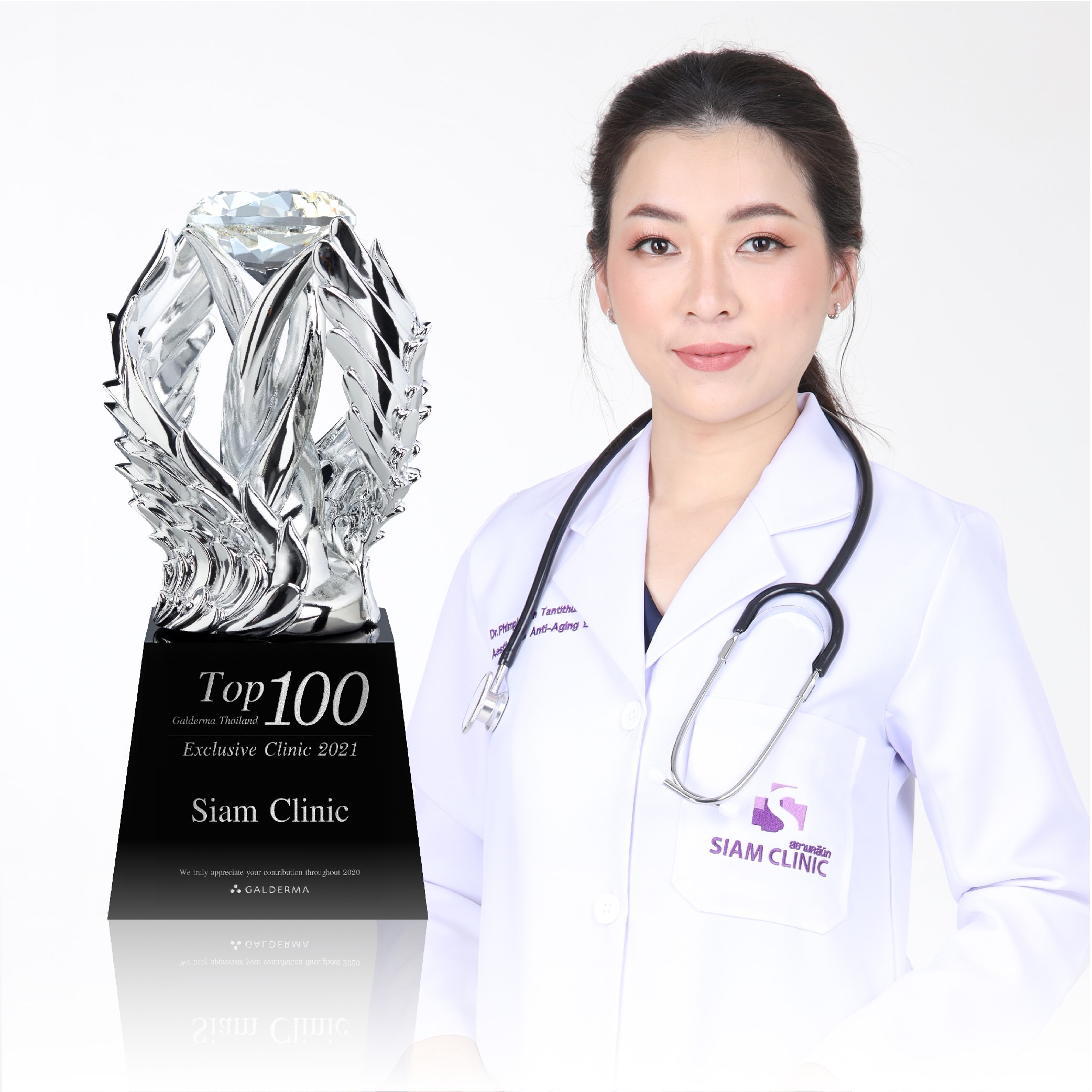
Siam Clinic Phuket
Siam Clinic Phuket
Thailand, Phuket
You’ve viewed 4 of 24 clinics
Top Reproductology centers in Thailand
- Prime Fertility Clinic, Thailand
- Original Eternity Clinic Pleonchit, Thailand
- LRC Fertility Clinic, Thailand
- Bumrungrad International Hospital, Thailand
- Siam Clinic Phuket, Thailand
Our Trusted Doctors
View all Doctorsverified
Poonkiat Punyamitr
19 years of experience
900+ fertility treatments performed – Dr. Poonkiat leads Prime Fertility Clinic as Medical Director with specialized training in Singapore.
- Certified in Assisted Reproductive Technology by Royal Thai College
- Trained at Singapore's CREST program for advanced techniques
- Specializes in male infertility and complex IVF cases
- Member of ASRM and ESHRE – leading global fertility societies
verified
Doctor Suebphong Angchoun
16 years of experience
Dr. Suebpong Angchoun (Dr. Beer) is a urologist and men’s health specialist. He is the founder and medical director of Eternity Clinic. His work focuses on minimally invasive surgery and male sexual health. He also serves as director of the Urology Center at Bangkok Hospital Phuket.
Education/Accreditations: M.D. (2003), Prince of Songkla University. Diploma, Thai Board of General Surgery (2008). Diploma, Thai Board of Urology (2011), Prince of Songkla University.
Clinical focus: erectile dysfunction, testosterone replacement therapy, endoscopic urology (minimally invasive), kidney stones, and prostate health.
verified
Dr Suebpong Angchoun
16 years of experience
Dr. Suebpong Angchoun (Dr. Beer) is a urologist and men’s health specialist. He founded Eternity Clinic and is its medical director. He also directs the Urology Center at Bangkok Hospital Phuket. His practice focuses on minimally invasive (endoscopic) urology and male sexual health.
Education and accreditations: M.D. (2003), Prince of Songkla University. Diploma, Thai Board of General Surgery (2008). Diploma, Thai Board of Urology (2011), Prince of Songkla University. Clinical focus: erectile dysfunction, testosterone replacement therapy, kidney stones, and prostate health.
verified
Phatwira Pattarajierapan
18 years of experience
Dr. Pattarajierapan specializes in gender-affirming surgeries with 18 years of experience of experience in plastic and reconstructive procedures at DGB Clinic.
- Trained at a leading university hospital in Bangkok
- Expert in both aesthetic and complex reconstructive surgeries
- Presented at international conferences on gender-affirming techniques
- Published in international medical journals
Reviews about Bookimed: Discover Patients' Insights
All reviewsSara Dejene Hailemariam • In Vitro Fertilization (IVF)
Ethiopia
Dec 2, 2022
Results were great
Think support should see clients through to first contact with the hospital and communicate well the clients case as opposed to patients trying to explain to non English speaking staff as to why they are there.
About Bookimed service
Think support should see clients through to first contact with the hospital and communicate well the clients case as opposed to patients trying to explain to non English speaking staff as to why they are there.
Related Articles
What Is the Best Country for IVF in 2025?
Written by Mariia Mytrofankina
IVF in Thailand: Complete Guide to Fertility Treatment in the Land of Smiles
Written by Olena Sikoza
Share this content
Video Stories from Bookimed Patients
Dayana
I combined my vacation in Antalya with a check-up.
Procedure: Female check-up
Clinic: Memorial Antalya Hospital
Igor
It was great! Transfers, accommodation, treatment—all included.
Procedure: Dental Implant
Clinic: WestDent Clinic
Marina
Bookimed did everything for me. I didn't have to worry about anything.
Procedure: Female check-up
Clinic: Severance Hospital
Updated: 12/02/2022
Authored by
Anna Leonova
Anna Leonova
Head of Content Marketing Team
A certified medical writer with 10+ years of experience, developed Bookimed’s trusted content, backed by a Master’s in Philology and medical expert interviews worldwide.
Reviewed by Bookimed Medical Advisor
Fahad Mawlood
Medical Editor & Data Scientist
General practitioner. Winner of 4 scientific awards. Served in Western Asia. Former Team Leader of a medical team supporting Arabic-speaking patients. Now responsible for data processing and medical content accuracy.
Fahad Mawlood LinkedinThis page may feature information relating to various medical conditions, treatments, and healthcare services available in different countries. Please be advised that the content is provided for informational purposes only and should not be construed as medical advice or guidance. Please consult with your doctor or a qualified medical professional before starting or changing medical treatment.
FAQ about Reproductology in Thailand
These FAQs come from real patients seeking medical assistance through Bookimed. Answers are given by experienced medical coordinators and trusted clinic representatives.
Can foreigners access IVF treatment in Thailand?
Foreigners can access IVF in Thailand if they are legally married heterosexual couples. Thai law requires a certified marriage certificate for treatment. Facilities like Prime Fertility Clinic and Bumrungrad International Hospital offer advanced reproductive technologies. Most patients plan for a 2–3 week stay in Bangkok.
- Legal requirement: Couples must provide a certified, translated marriage certificate for treatment.
- Gender selection: IVF with gender selection is available and costs $12,000 to $18,000.
- Clinic credentials: Prime Fertility Clinic holds JCI Ambulatory Care Accreditation for safety.
- Specialized expertise: Dr. Poonkiat Punyamitr at Prime Fertility Center is a registered ART specialist.
Bookimed Expert Insight: Data shows a high volume of international patients at clinics with JCI credentials. Prime Fertility Clinic serves 4,000 patients annually with just 2 lead doctors. This high patient-to-doctor ratio often suggests highly streamlined protocols for international visitors. Their accreditation confirms these processes meet global safety standards despite the high volume.
Patient Consensus: Patients note it is important to prepare for minor communication gaps with some staff. Success often depends on bringing clear records of previous tests to avoid repeating expensive diagnostics.
How long must I stay in Thailand for a complete IVF cycle?
A fresh IVF cycle in Thailand typically requires 15 to 21 days on-site. This timeframe covers ovarian stimulation, egg retrieval, and embryo transfer. Patients choosing frozen embryo cycles often split this into two shorter trips. Specialized clinics in Bangkok provide comprehensive monitoring throughout the process.
- Ovarian stimulation: Requires 8 to 14 days of hormone injections with regular ultrasound monitoring.
- Egg retrieval: Performed under sedation as a minor outpatient procedure around day 13 to 15.
- Embryo culture: Takes 3 to 5 days in the lab to reach the blastocyst stage.
- Embryo transfer: Occurs on day 19 to 21 followed by 24 to 48 hours of rest.
Bookimed Expert Insight: High-volume centers like Prime Fertility Clinic, which serves 4,000 patients annually, often achieve JCI Ambulatory Care Accreditation. This specific certification is rare globally. It indicates the clinic meets rigorous safety standards for outpatient reproductive procedures. Choosing such accredited facilities helps ensure consistent care quality during your 3-week stay.
Patient Consensus: Patients note that staying for 4 to 6 weeks is common for peace of mind. Some suggest preparing for possible extensions if doctors recommend a freeze-all approach for better outcomes.
What are the success rates for IVF in Thailand?
IVF success rates in Thailand are highly competitive, typically ranging from 40% to 65% per cycle. Outcomes for younger patients under 35 often reach 70%. Success depends on maternal age, clinical technology, and the use of Preimplantation Genetic Testing (PGT) to screen embryos.
- Age impact: Success rates for women under 35 range between 50% and 70% per cycle.
- Advanced screening: Using PGT can increase pregnancy success to 50–70% compared to 30–40% without.
- Donor options: Patients over 40 using donor eggs see success rates rise to 50–70%.
- Clinical expertise: Prime Fertility Clinic holds JCI Ambulatory Care Accreditation, serving 4,000 patients annually.
Bookimed Expert Insight: Thai clinics like Prime Fertility Clinic and Bumrungrad International Hospital maintain high success by using in-house labs. JCI-accredited facilities often handle over 4,000 cases yearly, ensuring embryologists have the volume needed for high-precision PGT. This expertise allows for fresh transfers that can reach 65% cumulative success over two cycles.
Patient Consensus: Patients note that real-world outcomes average 40–50% per transfer. They frequently advise testing egg reserves before travel and recommend choosing clinics with English-speaking staff to navigate complex protocols.
Are there legal restrictions on gender selection or surrogacy in Thailand?
Thailand strictly prohibits commercial surrogacy and non-medical gender selection under the Protection of Children Born through Assisted Reproductive Technologies Act. Surrogacy is only legal for heterosexual Thai couples or mixed couples married for 3 years. One spouse must hold Thai nationality.
- Commercial surrogacy ban: Paying a surrogate is illegal. Violations carry up to 10 years in prison.
- Gender selection rules: Selecting sex for family balancing is prohibited. It is only for medical disorders.
- Genetic screening: Clinics use PGD/PGS to detect chromosomal abnormalities. This identifies sex as a secondary finding.
- Surrogate eligibility: The surrogate must be a blood relative. She must have her own child first.
Bookimed Expert Insight: While laws are strict, Thailand remains a hub for high-tech diagnostics. Prime Fertility Clinic is among the few standalone centers globally with JCI Ambulatory Care Accreditation. This ensures international safety standards for complex IVF and genetic screening procedures. Patients often choose Bangkok for technical expertise in PGD, even when social gender selection is restricted.
Patient Consensus: Patients warn that `shady` clinics promising guaranteed gender selection face frequent police raids. Many travelers advise having a backup plan and legal counsel, as Thailand does not recognize foreign surrogacy agreements.
Is egg or sperm donation available to international patients?
International patients can access egg and embryo donation in Thailand through JCI-accredited facilities. Thai law prohibits commercial sperm donation and restricts local donors to Thai nationals. Most foreign patients choose to import frozen sperm from international banks to proceed with IVF treatments in Bangkok clinics.
- Available procedures: Clinics offer IVF, embryo donation, and IVF with gender selection.
- Sperm donation: Local sperm donation is restricted to Thai citizens by national law.
- Egg donation: Programs are available for foreigners but require strict legal contracts.
- Clinical standards: Prime Fertility Clinic holds JCI Ambulatory Care Accreditation for safety.
Bookimed Expert Insight: Data shows that while local sperm sourcing is restricted, major hubs like Bumrungrad International Hospital and Prime Fertility Clinic have streamlined logistics for receiving international shipments. Patients from over 190 countries use these centers precisely because they successfully integrate imported gametes with advanced Thai IVF protocols, often at a higher volume than local cases.
Patient Consensus: Patients note that while the medical care is excellent, navigating the language barrier with hospital staff can be tricky. They emphasize the importance of having a coordinator to explain your specific case history to the medical team upon arrival.