Get Reproductology Costs in Lithuania


Medically reviewed by
Fahad Mawlood
What's the cost for Reproductology procedures in Lithuania?
| Turkey | Austria | |
|---|---|---|
| Testicular sperm extraction (TESE) | from $600 | ≈ $3,200 |
| Testicular sperm aspiration (TESA) | from $780 | ≈ $1,800 |
| ROPA Method (Reciprocal IVF) | ≈ $3,600 | ≈ $6,200 |
| Platelet-Rich Plasma (PRP) Therapy | from $230 | ≈ $330 |
| Pharmacological stimulation for IVF | from $700 | ≈ $900 |
All Reproductology conditions
Your Benefits and Guarantees with Bookimed
Transparent Prices & Flexible Installments
No hidden fees – just official clinic prices. Pay at the clinic for Reproductology treatment upon arrival and use a flexible installment plan if needed.
Verified Clinics & Doctors Only
Bookimed is committed to your safety. We only work with medical institutions that maintain high international standards in Reproductology treatment and have the necessary licenses to serve international patients worldwide.
Free 24/7 Assistance
Bookimed offers free expert assistance. A personal medical coordinator supports you before, during, and after your treatment, solving any issues. You're never alone on your Reproductology treatment journey.

Your personal Bookimed medical coordinator
- Supports you at every stage
- Helps choose the right clinic and doctor
- Ensures quick and convenient access to information
Best Reproductology Clinics in Lithuania: 2 Verified Options and Prices


Related Articles

IVF in Thailand: Complete Guide to Fertility Treatment in the Land of Smiles
Written by Olena Sikoza

What Is the Best Country for IVF in 2025?
Written by Mariia Mytrofankina
Share this content
Video Stories from Bookimed Patients
 Anna Leonova

FAQ about Reproductology in Lithuania
Who is eligible for fertility treatment in Lithuania?
Eligibility for fertility treatment in Lithuania requires documented medical necessity. Married couples and unmarried heterosexual partners qualify for procedures. Recent legal updates expand access to single women. Patients must prove infertility for over 2 years. Patients with severe hereditary disease risks are also eligible.
- Age limits: State funding applies to women up to 42 years old.
- Residency status: Public subsidies require compulsory health insurance or legal Lithuanian residency.
- Clinical proof: Documentation of ovulation disorders or male factor infertility is mandatory.
- Cycle limits: The state typically reimburses up to 2 IVF or ICSI cycles.
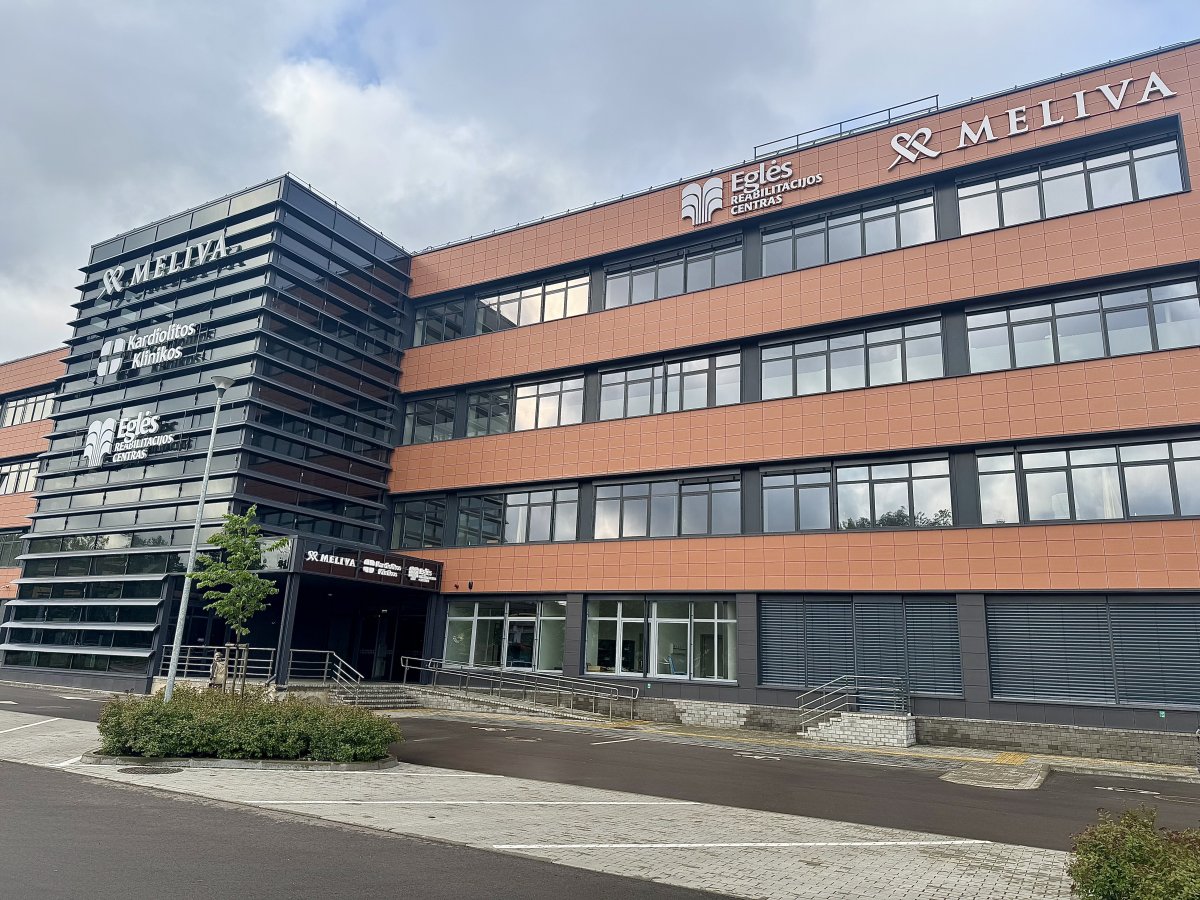
Bookimed Expert Insight: Clinics like Meliva Kardiolita Hospital and Medical Diagnostic and Treatment Center serve massive patient volumes. These centers often manage complex international cases from the USA and Europe. Our data shows that private clinics offer more flexibility than state programs. They bypass the 2-cycle limit common in public hospitals. This allows for personalized treatment timelines without the strict administrative delays of the public system.
Patient Consensus: Patients note that gathering a 2-year fertility history is vital for a smooth start. Many emphasize that securing residency documentation early prevents the most common administrative hurdles for non-citizens.
How long should a couple try to conceive naturally before seeking specialist care?
Couples under 35 should try natural conception for 12 months before seeking specialist care. Women aged 35 to 39 should wait only 6 months. For those 40 or older, an immediate evaluation or consultation within 3 months is recommended. Specialist intervention is also necessary for known reproductive conditions.
- Age 35 and under: Try regular unprotected intercourse for 12 months before consulting specialists.
- Age 35 to 39: Seek a fertility evaluation after 6 months of unsuccessful attempts.
- Age 40 and over: Consult a reproductive expert immediately or within 3 months of starting.
- Pre-existing red flags: Seek help sooner for irregular cycles, PCOS, or history of miscarriage.
Bookimed Expert Insight: Vilnius clinics like Meliva Kardiolita Hospital and the Medical Diagnostic and Treatment Center manage over 340,000 patients annually combined. Their high patient volume suggests that identifying hormonal or motility issues early is a standard practice in Lithuania. Many comprehensive diagnostic departments allow couples to complete basic fertility screenings during a single visit.
Patient Consensus: Patients often regret waiting the full year and recommend starting basic hormone tests or semen analysis after 6 months. Early action is especially valued in Lithuania where diagnostic costs are considered accessible and low-risk.
Which assisted-reproductive procedures are routinely performed in Lithuanian clinics?
Lithuanian clinics routinely perform advanced assisted reproductive procedures like IVF and ICSI. Facilities also offer embryo freezing, egg donation, and PGT for genetic screening. Specialized services include hysteroscopy and ERA testing to improve implantation success. These treatments follow strict European safety standards and quality protocols.
- Core ART: IVF and ICSI are the primary methods for treating complex infertility cases.
- Genetic screening: PGT-A and PGT-M allow for embryo biopsy to detect chromosomal abnormalities.
- Donation programs: Egg and sperm donation services are available for single recipients and couples.
- Advanced diagnostics: Endometrial receptivity analysis (ERA) testing helps optimize the timing for embryo transfers.
- Cryopreservation: Clinics provide long-term freezing for embryos, eggs, and sperm using vitrification technology.
Bookimed Expert Insight: Private centers like Meliva Kardiolita Hospital and the Medical Diagnostic and Treatment Center manage over 300,000 patients combined annually. This high volume across diverse specialties ensures robust laboratory infrastructure. Many Lithuanian facilities hold JCI accreditation, which is a rare quality marker for fertility services in the Baltic region.
Patient Consensus: Patients often recommend adding PGT if you are over 35 to reduce the number of transfers. Most note that coordinating a pre-IVF hysteroscopy early helps avoid unexpected scheduling delays.
What are the reported success rates for IVF in Lithuania?
Lithuanian fertility clinics report IVF clinical pregnancy rates averaging 37.7% per aspiration. Leading private centers frequently exceed 50% success for initial attempts. These outcomes align with Western European standards. Success depends heavily on maternal age and the use of advanced genetic screening technologies.
- Success by age: Patients under 35 often achieve clinical pregnancy rates of 50–60% per cycle.
- Donor egg outcomes: Cycles using donor eggs significantly increase success rates to between 65–70%.
- Clinical benchmarks: Approximately 50% of patients achieve pregnancy after their first IVF attempt.
- Long-term results: Statistics show 70% of women achieve pregnancy within two years of treatment.
Bookimed Expert Insight: Data from major Vilnius centers like Meliva Kardiolita Hospital shows a high volume of international patients. This trend suggests that Lithuanian clinics maintain competitive success rates while handling nearly 300,000 patients annually. High patient turnover in multi-specialty centers often correlates with refined laboratory protocols and standardized care.
Patient Consensus: Patients often emphasize that success rates in Lithuania rival those in the UK or Scandinavia. Many recommend optimizing health before starting a cycle to boost the 45–60% baseline odds.
What limits exist on embryo creation and transfer?
Lithuania follows European Union guidelines for embryo creation and transfer. Standard protocols prioritize single embryo transfer (SET) for patients under 35. This practice reduces the chance of multiple births. Law generally limits transfers to 1–2 embryos per cycle to ensure patient safety and positive outcomes.
- Transfer limits: Patients under 35 typically receive 1 embryo per cycle.
- Advanced age: Women over 35 may transfer 2 embryos if prognosis is poor.
- Creation caps: Clinics often limit embryo creation to 3–5 per treatment cycle.
- Storage duration: Embryo cryopreservation typically lasts 5–10 years before requiring renewal.
Bookimed Expert Insight: Patient volume data suggests top Vilnius clinics like Meliva Kardiolita Hospital and Medical Diagnostic and Treatment Center handle thousands of international cases yearly. These centers often use high-volume experience to refine internal protocols. They suggest PGS testing to maximize success within these strict legal embryo creation limits.
Patient Consensus: Patients note that single transfers are the standard expected path. Many recommend budgeting for multiple cycles if starting treatment after age 35 due to these strict transfer caps.
Where are reputable fertility clinics located?
Reputable fertility clinics are primarily located in Vilnius, Lithuania, and are recognized for high medical standards and JCI accreditation. Leading centers like Medical Diagnostic and Treatment Center and Meliva Kardiolita Hospital serve thousands of international patients annually. These facilities follow strict European Union safety protocols.
- Location hub: Reputable clinics are concentrated in Vilnius for easy international access.
- Quality standards: Facilities like Meliva Kardiolita Hospital hold prestigious JCI accreditation.
- High volume: Medical Diagnostic and Treatment Center treats 48,000 patients every year.
- Patient reach: Lithuanian clinics frequently serve patients from the UK, Ireland, and Scandinavia.
Bookimed Expert Insight: Clinics in Vilnius often provide faster diagnostic timelines than Western European hubs. Medical Diagnostic and Treatment Center operates with 200+ doctors across 53 departments. This massive infrastructure allows patients to complete all pre-IVF screenings in one location. This significantly reduces the total stay required for international patients.
Patient Consensus: Patients note that IVF costs in Vilnius are often 30–40% lower than in Western Europe. It is important to request specific success rates for your age group directly from the doctor before starting treatment.