Sourasky Medical Center (Ichilov)
Israel, Tel Aviv
Ofer Merimsky
41 years of experience

accreditations : 

Clinic is certified : 








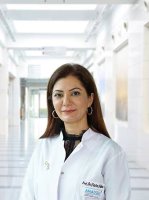
Medically reviewed by
Yesim Yildirim
Bone cancer treatment cost in Israel typically runs between Price on request and Price on request for primary surgical interventions, while essential diagnostics like a PET-CT scan range from $1,000 to $1,800. Total expenses depend on the cancer stage, surgical complexity, and required therapy cycles. Patients often see 30-50% savings compared to the United States. Top treatment centers are located in Tel Aviv, Jerusalem, and Haifa.
Typical Bone Cancer Treatment Costs in Israel
Bookimed Expert Insight: Patients with complex sarcomas benefit most from multidisciplinary teams at JCI-accredited centers like Sourasky Medical Center. Professor Ofer Merimsky leads specialized bone tumor divisions there, maintaining a 90% average oncology success rate. For pediatric cases, Dror Levin at Sourasky offers world-class expertise in coordination with leading global orthopedic institutes. Private options like Assuta Medical Center provide faster access and personal surgeon selection.
| Israel | Turkey | Austria | |
|---|---|---|---|
| Radiation therapy for colorectal cancer | ≈ $14,000 | from $6,000 | from $6,600 |
| Halcyon | ≈ $14,000 | ≈ $9,500 | ≈ $11,500 |
| Chemotherapy for breast cancer | ≈ $22,500 | from $4,700 | ≈ $9,500 |
| Bone resection | ≈ $14,500 | from $9,000 | ≈ $7,500 |
| Bone deformity correction surgery | ≈ $13,800 | from $6,000 | ≈ $7,500 |



Head of Soft Tissue and Bone Oncology at Sourasky Medical Center – specializes exclusively in sarcoma cases.
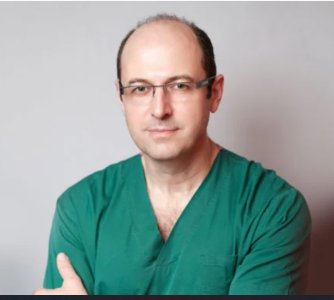
Dr. Yuri Goldes is the Deputy Director of General Surgery at Sheba Medical Center. He pioneered some of Israel’s first robotic resections for stomach and pancreatic cancers. Forbes Israel named him among the nation’s best gastrointestinal surgeons. In 2019, he received the Best Doctor of the Year award from the Israeli Ministry of Health.

Dr. Dror Levin is a leading expert in pediatric bone cancer (sarcoma) treatment at Sourasky Medical Center in Tel Aviv.

Dr. Bikels specializes in advanced orthopaedic oncology and heads the unique Metastatic Bone Lesions Department at Sourasky Medical Center.
 Anna Leonova
Bone cancer is a whole group of cancers, malignant progress, developing in bone cells. Bone cancer may be a primary (this type of cancer is quite rare), when oncological disease develops in the bone tissue and secondary (metastatic) when cancer cells get into the bone tissue from other organs. Depending on the bone cells transforming into the cancerous cells, the specialists identify the following types of bone cancer:
According to the statistics on bone cancer, men of 20-30 years old are the most vulnerable.
In Israel, specialists diagnose bone cancer both at the early stages and if disease is neglected in a few days after treatment in a clinic. With modern high-tech methods of examination and laboratory tests the patient receives a full picture of the situation and the ability to pass an effective and sparing program of treatment based on the results of the examination. On the first 1-2 days doctors detect the stage of the disease and on the following days they make the therapy regimens. Effective methods of examination in Israel are the following:
1st day
2nd day
The diagnostic program includes additional procedures as per indications if there is a need to spread the area after searching the pathology.
In the first instance the stage of bone cancer is determined. The stage depends on the choice of treatment program:
|
Stage 1 of bone cancer |
|
|
The tumor is limited by focus, its size is about 7-8 cm or less. High chances of a cure. |
Tumor continues to grow with no metastasis. The chances of cure are high, but they depend on right treatment programs. |
|
Stage 3 |
Stage 4 of bone cancer |
|
Cancer cells adhere to underlaying organs and tissues and tissues can be a complication of a fractured bone. The chances of a cure are average and depend on the body's response to therapy, the patient's general condition and the qualification and experience of the doctor. |
Tumor process actively effects on the function of other organs and systems, metastases are found in other organs. The chances of a cure are low, but the palliative treatment gives a high probability of extending the patient's life and improving its quality. |
Treatment of bone cancer in Israel is carried out only on the basis of careful study and evaluation of the data obtained from the diagnosticians. Israeli clinics offer their patients individually selected program of bone cancer treatment, including parameters of age, gender, family history, general health and inheritance. Excellent results can be achieved through continuous active interaction between doctor and patient.
Current treatment options for bone cancer in Israel include the following:
Each method has its advantages and is included in the program of treatment at any stage and any kind of bone cancer. However, the studies in the field of skeletal system are still moving in Israel. Each of these methods is improving and gets new, more effective medical and high-tech solutions to complex problems, thereby increasing the cure rate of patients with bone cancer in Israel.
Rehabilitation and prevention of reoccurrence of bone cancer includes the long-term follow-up by specialists. Physical loads limitation, excluding the impact of unfavorable factors, a healthy lifestyle and systematic survey are required.
Bone cancer treatment in Israel is exceptionally safe. Highly qualified specialists operate within JCI-accredited facilities using advanced limb-sparing protocols. Major centers like Sourasky report a 90% average success rate for oncology. Surgeons frequently hold fellowships from elite global institutions like Harvard and Rizzoli.
Bookimed Expert Insight: Israeli oncology centers like Sourasky and Sheba function as massive hubs, serving up to 2 million patients annually. This volume creates a unique data advantage. Specialists like Dr. Eytan Aharon Ben-ami leverage this by leading Phase I clinical trials in immunotherapy. Choosing a high-volume public facility often provides better access to these newer protocols than smaller private clinics.
Patient Consensus: Patients note that care coordination is a major strength in Israel. They emphasize the peace of mind found in specialized orthopedic oncology departments rather than general surgical wards.
Israel treats bone cancer using precision technologies like 3D-printed biocompatible bone implants and remote-controlled telescopic endoprostheses for children. Specialized centers employ navigation-assisted surgery and Actinium-225 therapy to target tumors. High-volume hospitals use CAR-T cell therapy and magnetic nanoparticles for resistant cases.
Bookimed Expert Insight: Israeli oncology centers like Sheba and Sourasky operate as massive research hubs, serving over 1,000,000 patients each annually. This scale allows them to offer specialized units for specific conditions, such as the National Center for bone and soft tissues sarcomas. For patients, this means accessing doctors like Dr. Eytan Aharon Ben-ami who exclusively manage rare sarcomas rather than general orthopedics.
Patient Consensus: Patients note that centers prioritize neoadjuvant chemotherapy to shrink tumors before attempting limb-salvage surgery. Families often emphasize the value of 3D-guided planning for complex cases to ensure precise tumor removal.
Israeli oncology centers report an average success rate of 90% for bone cancer treatments. Five-year survival for localized bone sarcoma reaches approximately 83%. Advanced centers specialize in limb-sparing surgeries. These procedures successfully preserve limbs in 90% of cases without requiring amputation.
Bookimed Expert Insight: Israeli oncology leads in survival due to highly specialized sub-divisions. For example, Sourasky Medical Center maintains separate units for metastatic lesions and pediatric sarcomas. Dr. Ofer Merimsky and Dr. Dror Levin head these specific areas. This granular expertise allows for personalized protocols that general oncology departments cannot match.
Patient Consensus: Patients emphasize that early detection is the most critical factor for a 60-80% survival chance. Many note that choosing limb-sparing surgery over amputation requires a careful discussion about long-term function and recovery.
Recovery in Israel involves immediate orthopedic rehabilitation starting within 24–48 hours after surgery. Multidisciplinary teams at JCI-accredited centers like Sourasky (Ichilov) and Sheba focus on mobility using hydrotherapy and motion analysis labs. Specialized protocols aim to restore functionality while preserving the limb and managing pain.
Bookimed Expert Insight: While many focus on the surgery itself, the 90% oncology success rate at Sourasky Medical Center is heavily supported by their specialized sarcoma units. These departments, led by experts like Dr. Ofer Merimsky and Dr. Jakov Bikels, integrate surgical planning directly with long-term rehab. Data shows that clinics with high annual volumes, like Sheba's 45,000+ operations, often provide more robust motion analysis technology that helps fine-tune gait earlier in the recovery process.
Patient Consensus: Patients emphasize that rehabilitation is a long-term commitment, often noting that regaining full independence takes about a year. Many highlight the value of specialized support groups to manage the emotional challenges during the months of intensive physical therapy.
International patients usually stay in Israel for 3 to 12 weeks for bone cancer treatment. This duration covers diagnosis, limb-salvage surgery, and initial recovery. Complete oncology protocols including chemotherapy may last 6 to 9 months. Patients often follow these long-term regimens in their home countries.
Bookimed Expert Insight: Israeli oncology centers like Sourasky Medical Center report survival success rates around 90%. Large tertiary centers often coordinate pediatric and orthopedic oncology as a joint plan. This efficiency can reduce the diagnostic phase to under 5 days. For long stays, patients should prioritize clinics in Tel Aviv or Ramat Gan for better long-term rental availability.
Patient Consensus: Patients emphasize planning a 2-week buffer for potential wound healing or implant delays. Many suggest booking flexible accommodation like apartments near the hospital for stays exceeding one month.
Amputation is no longer the standard of care for bone tumors in Israel. Surgeons now achieve limb-salvage rates of 90% to 95% for extremity cancers. Advanced techniques in reconstruction and chemotherapy preserve function. Precision imaging helps Israeli specialists remove tumors while protecting vital nerves and vessels.
Bookimed Expert Insight: Israeli oncology centers like Sourasky and Sheba prioritize multi-disciplinary tumor boards for every case. Our data shows that top specialists often hold international fellowships from institutions like Harvard. This global training allows them to offer early-phase clinical trials and immunotherapy. Dr. Eytan Ben-Ami at Sheba, for example, integrates targeted therapies that can shrink tumors and make limb-sparing surgery possible when others might suggest amputation.
Patient Consensus: Patients note that Israeli doctors focus heavily on maintaining mobility and quality of life. Many emphasize that the detailed pre-surgery imaging gave them confidence in avoiding amputation.
Tel Aviv, Jerusalem, and Ramat Gan are the primary hubs for international patients. These cities host facilities with Joint Commission International accreditation. They specialize in limb-sparing surgeries and complex sarcoma management. Specialists utilize advanced diagnostics like PET-CT and scintigraphy for precise staging.
Bookimed Expert Insight: While many choose Tel Aviv for its high volume, Ramat Gan stands out for multidisciplinary depth. Sheba Medical Center leverages ranking as a top global hospital to attract complex sarcoma cases. Sourasky in Tel Aviv maintains a 90% average oncology success rate across 240 departments. Choosing between these cities often depends on whether you need pediatric focus or adult surgical specialization.
Patient Consensus: Patients often mention the comfort of having English-speaking staff in Tel Aviv clinics. They also highlight that centers in Jerusalem provide a very supportive environment for families during long treatments.
Israel is a premier neurosurgery hub due to its fusion of high-density medical innovation and elite surgical expertise. Top facilities like Sheba Medical Center integrate AI-guided navigation and real-time intraoperative MRI. Specialized centers report 98% success rates for complex procedures including awake craniotomy and movement disorder treatments.
Bookimed Expert Insight: Data shows a clear divide between public and private options in Israel. Private centers like Assuta Medical Center perform over 92,000 operations annually and allow patients to select their specific lead surgeon. This is a vital advantage for complex cases where a specific expert like Dr. Eli Ashkenazi is preferred for his 1,000+ spine surgery record.
Patient Consensus: Patients emphasize bringing original imaging on a USB for local review to streamline the surgical plan. They also note that private packages often include hotel coordination and airport transfers, making the logistics much smoother.
Israeli neurosurgeons treat a full spectrum of conditions ranging from brain and spinal tumors to complex functional disorders. Specialized centers utilize advanced technologies like Gamma Knife, deep brain stimulation, and intraoperative MRI to manage epilepsy, Parkinson disease, and cerebrovascular pathologies with high precision.
Bookimed Expert Insight: Israeli hospitals often combine specialties to handle complex cases. At Sourasky Medical Center, neurosurgeons like Dr. Zvi Lidar bridge neurosurgery and orthopedics for spinal care. This multidisciplinary approach allows clinics to perform 34,000+ operations annually. Choosing a facility with this crossover expertise often leads to more comprehensive treatment plans for degenerative diseases.
Patient Consensus: Patients value the ability to access specialized treatments like fluorescence-guided surgery for tumors which are often unavailable elsewhere. Many note that the staff is fluent in English and provides clear communication through teleconsultations before traveling.
Israel is home to world-renowned neurosurgery centers like Sourasky Medical Center, Sheba Medical Center, and Hadassah Medical Center. These facilities are globally ranked for treating complex brain tumors, spinal disorders, and movement diseases. They utilize advanced technologies like Gamma Knife, robotic systems, and intra-operative MRI.
Bookimed Expert Insight: Our data shows that while most patients focus on Tel Aviv, Rambam Medical Center in Haifa offers unique expertise in neuro-trauma. It operates a specialized neuro-ICU and serves nearly 1 million patients annually. This makes it an essential choice for complex post-trauma brain surgeries that requires intensive recovery support.
Patient Consensus: Patients note it is important to start consultations early. They often highlight that the precision and follow-up care for complex brain tumors exceeded their expectations. One patient emphasized how quickly they could connect with top professors for second opinions during critical neurosurgical cases.
Israel's leading neurosurgeons include Prof. Zvi Ram, Prof. Shlomi Constantini, and Prof. Itzhak Fried at Sourasky Medical Center. These specialists hold leadership roles in the European Association of Neurosurgical Societies (EANS) and the World Society for Stereotactic and Functional Neurosurgery (WSSFN). They utilize advanced intraoperative mapping and robotic systems.
Bookimed Expert Insight: Data from Sourasky and Sheba indicates a strong correlation between high surgical volumes and patient safety. For example, Sourasky performs 34,000+ operations annually with a 90% oncology success rate. Patients seeking complex tumor removals should prioritize centers like these where surgeons perform hundreds of specific cases each year.
Patient Consensus: Patients emphasize the importance of finding a surgeon who specializes specifically in your condition rather than a generalist. Many note that high-volume centers provide better access to English-speaking staff and coordinated care for international visitors.
International neurosurgery patients in Israel must provide comprehensive medical records including recent MRI or CT scans translated into English. Admission requires a clinical review by specialists to confirm treatment feasibility. Hospitals often mandate full advance payment or a significant deposit before confirming surgery dates or issuing visa support letters.
Bookimed Expert Insight: Data shows that top Israeli facilities like Sheba Medical Center and Hadassah Medical Center handle massive patient volumes, exceeding 1,000,000 people annually. This high demand means clinics prioritize complex or rare cases over routine procedures. Patients with unique or high-risk conditions often receive faster admission approval than those seeking standard treatments available elsewhere.
Patient Consensus: Patients note that having all imaging results ready in English is essential for quick scheduling. Many emphasize that while the medical care is excellent, coordinating around Shabbat closures is necessary to avoid unexpected diagnostic delays.
A standard stay for neurosurgery in Israel ranges from 10 to 14 days for uncomplicated cases. Patients undergoing complex procedures like brain tumor removal or deep brain stimulation often require 4 to 6 weeks. This timeline covers pre-operative diagnostics, the surgical procedure, and essential post-operative monitoring.
Bookimed Expert Insight: Data from Sourasky Medical Center shows they treat over 400,000 patients annually with high success rates. Clinics with such high volumes, like Hadassah or Assuta, often have streamlined discharge protocols. This helps international patients transition to hotel-based recovery faster while maintaining access to top specialists.
Patient Consensus: Patients note it is vital not to rush home too early. Some travelers extended their stay to 3 weeks due to swelling or to ensure they received final surgeon clearance before flying.
Israeli neurosurgery uses robotic guidance, real-time 3D imaging, and incisionless technologies to minimize physical trauma. Systems like Mazor Robotics provide sub-millimeter precision for spine implants. MRI-guided focused ultrasound (MRgFUS) treats tremors without incisions. These advanced tools ensure high accuracy and reduce recovery times.
Bookimed Expert Insight: Israeli clinics like Sourasky or Hadassah integrate proprietary Israeli-born technologies like Surgical Theater before they hit global markets. Our data shows these centers often use VR flight-through models for pre-surgical planning. This allows surgeons to rehearse complex cases, which is a key factor in their 90% success rates.
Patient Consensus: Patients note that technologies like the Gamma Knife allowed them to return home in days rather than weeks. Many move from traditional 10cm incisions to cuts under 2cm when using robotic-assisted systems.
Israel is a global leader in neurosurgery due to its integration of proprietary medical innovations and internationally trained specialists. High-capacity centers like Sourasky Medical Center (Ichilov) perform over 34,000 annual surgeries. Patients access advanced techniques like awake craniotomy and MR-guided focused ultrasound.
Bookimed Expert Insight: Israeli neurosurgery stands out because of the high concentration of dually certified experts. Many top surgeons, such as Dr. Zvi Lidar, are certified to practice in both Israel and the USA. This ensures that patients receive American-standard surgical care while staying in Tel Aviv or Jerusalem. Our data shows that private centers like Assuta offer significantly faster access to these specific specialists compared to the public system.
Patient Consensus: Patients note it is important to confirm a surgeon's specific volume of cases for your exact condition. They also value the ability to get expert second opinions quickly through online consultations with world-renowned professors.
Sheba Medical Center and Sourasky Medical Center (Ichilov) are among the best neurosurgery hospitals in Israel. These JCI-accredited facilities perform thousands of operations annually. They utilize advanced technologies like CyberKnife and intraoperative MRI to treat complex brain tumors and cerebrovascular lesions.
Bookimed Expert Insight: Our data shows that top Israeli centers like Sourasky and Hadassah perform over 40,000 total operations yearly. This high volume allows surgeons to maintain a 90% success rate even in complex oncology cases. Patients seeking robotic spine surgery or deep brain stimulation should focus on these high-capacity municipal centers for the most experienced teams.
Patient Consensus: Patients appreciate that some hospitals quickly coordinate consultations even during regional strikes. Families of pediatric patients especially value surgeons trained at prestigious international institutions.
Israel's leading neurosurgeons include Professor Zvi Ram, Professor Shlomi Constantini, and Professor Itzhak Fried at Sourasky Medical Center. These experts specialize in awake craniotomy, pediatric brain tumors, and functional mapping. Most hold JCI accreditation and international fellowships from institutions like Johns Hopkins and Yale.
Bookimed Expert Insight: Data shows that top-tier Israeli neurosurgeons, such as those at Sourasky Medical Center, often hold dual board certifications in Israel and the US. This unique crossover ensures patients receive American-standard protocols. These specialists typically manage over 34,000 annual operations, providing high-volume clinical experience that smaller private clinics cannot match.
Patient Consensus: Patients note that highly qualified doctors like Professor Shlomo Constantini provide satisfactory answers quickly. People emphasize that outcomes often depend on the hospital’s integrated resources rather than just a doctor's prestige.
Israel is a global leader in neurosurgery, treating complex brain and spinal conditions using robotic-assisted and minimally invasive techniques. Highly specialized units at JCI-accredited centers like Sourasky Medical Center (Ichilov) and Hadassah Medical Center focus on neuro-oncology, pediatric neurosurgery, and functional procedures.
Bookimed Expert Insight: Israeli neurosurgical departments often function as rapid-response hubs for international patients. Data shows that large centers like Sourasky, which serves 1,800,000 patients annually, can organize expert video consultations in a very short time. This speed is critical for neuro-oncology cases where starting treatment a few days earlier significantly impacts outcomes.
Patient Consensus: Patients note that Israeli teams often accept high-risk cases that other hospitals decline. They emphasize the importance of using local coordinators to manage travel logistics or potential local disruptions during their two-week stay.
International patients traveling to Israel for neurosurgery require a valid passport, an entry permit or medical visa, and a formal hospital invitation. You must provide recent MRI or CT scans in DICOM format and detailed medical summaries. Proof of private health insurance and financial stability are also mandatory for border entry.
Bookimed Expert Insight: Our data shows that top neurosurgeons at Hadassah Medical Center and Sourasky often request records 4–6 weeks before arrival. Submitting these early prevents appointment shifts. High-volume centers with over 30,000 annual operations have dedicated portals for secure DICOM file uploads. Using these ensures your surgeon reviews high-quality images before you land in Tel Aviv.
Patient Consensus: Patients emphasize bringing physical copies and digital backups of all scans on a USB drive. They also note that private insurance needs pre-authorization specifically for neurosurgery to avoid payment delays at the clinic.
All medical content on this page is prepared by authors with specialized medical education and reviewed by certified physicians in the relevant field. Medical review by Yesim Yildirim, Clinical oncologist.
Last updated: 11/15/2026.
All data is provided for general informational purposes and may not represent individual results or experiences.