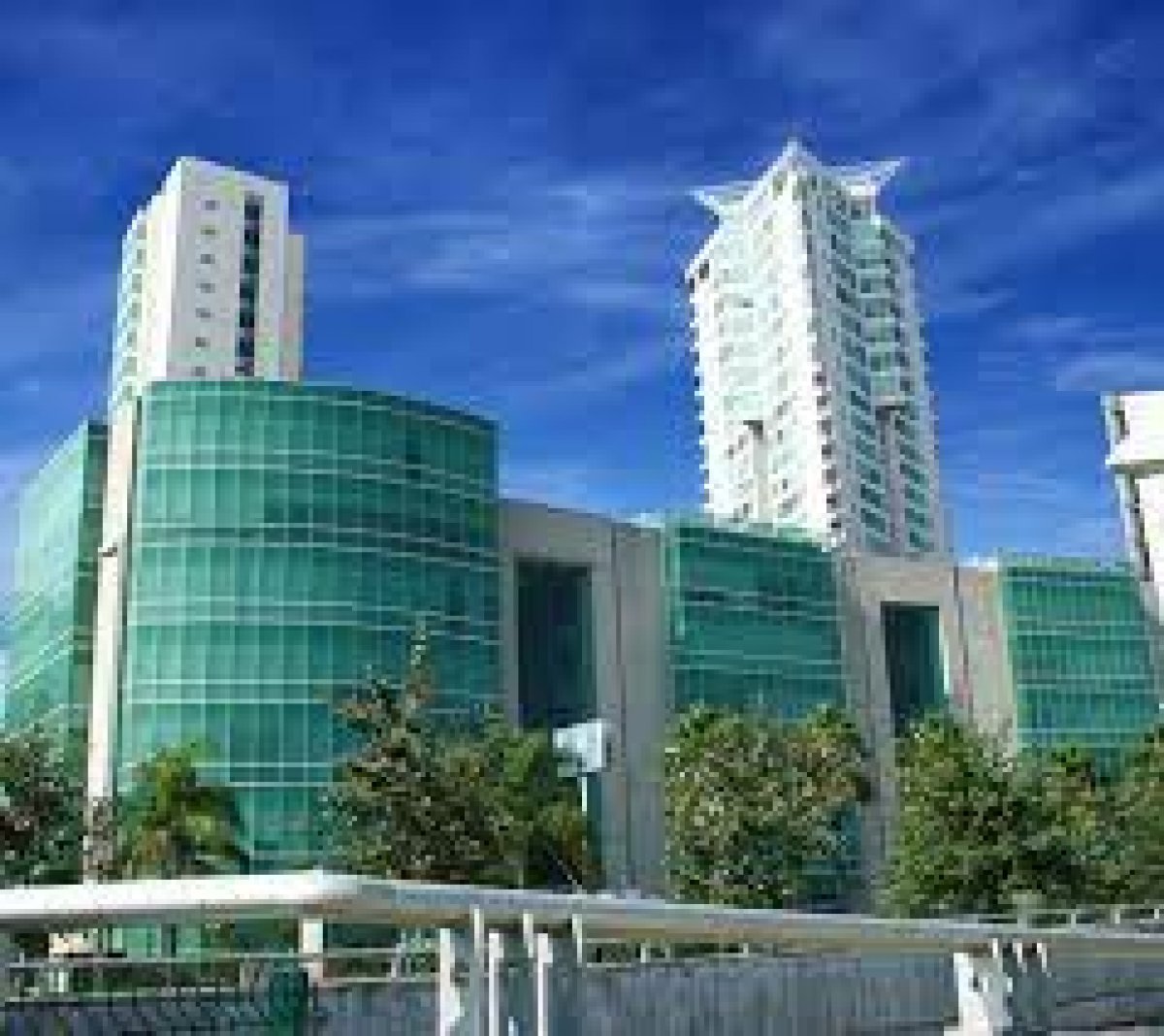
GDL High Specialty Neurosurgery
Mexico, Guadalajara


Medically reviewed by
Fahad Mawlood
| Mexico | Turkey | Austria | |
|---|---|---|---|
| Multiple subpial transections | ≈ $14,000 | ≈ $12,500 | ≈ $19,500 |
No hidden fees – just official clinic prices. Pay at the clinic for Multiple subpial transections upon arrival and use a flexible installment plan if needed.
Bookimed is committed to your safety. We only work with medical institutions that maintain high international standards in Multiple subpial transections and have the necessary licenses to serve international patients worldwide.
Bookimed offers free expert assistance. A personal medical coordinator supports you before, during, and after your treatment, solving any issues. You're never alone on your Multiple subpial transections journey.

Multiple subpial transections in Mexico can offer significant cost savings, but it's crucial to weigh the potential benefits against the risks.
| Pros | Cons |
|---|---|
| Lower costs. The procedure costs $10,000–$15,000 in Mexico versus $30,000+ in the US, providing savings of up to 50%. | Safety concerns. Potential risks include infection rates of 2–4% and neurological complications, which are similar to rates in the US when performed by qualified neurosurgeons. |
| Qualified surgeons. Neurosurgeons are certified by the Mexican Council of Neurological Surgery, with many trained in US or European residency and fellowship programs and 10+ years of experience. | Follow-up care. Post-surgical monitoring and epilepsy management may be more challenging from abroad, though telemedicine follow-ups are increasingly available. |
| Modern facilities. Leading clinics in Tijuana and Guadalajara are JCI- or ISO-accredited and use advanced neuroimaging equipment from brands like Siemens and GE. | Different regulatory standards. COFEPRIS oversees Mexican clinics, which may differ from FDA standards. However, top clinics often meet JCI and ISO requirements, aligning with international protocols. |
| Advanced technology access. Clinics utilize intraoperative MRI and neuronavigation for greater precision, enhancing safety and outcomes. | Travel and recovery challenges. Traveling after brain surgery may pose risks, but clinics offer extended recovery stays and support for international patients. |
| Personal coordinator support. Bookimed’s medical coordinator helps compare clinics, request personalized quotes, and manage treatment logistics at no additional cost. |
It's crucial to thoroughly research clinics and verify surgeon credentials before making a decision. When performed by qualified specialists in accredited facilities, multiple subpial transections in Mexico can be a cost-effective option for epilepsy care.
The best Multiple subpial transections clinics in Mexico hold JCI and General Health Council accreditations, operating in cities like Guadalajara. According to Bookimed’s ranking, the top clinic is GDL High Specialty Neurosurgery. They stand out for board-certified neurosurgeons with extensive experience in epilepsy surgery. When choosing a provider, look for international accreditation, epilepsy surgery specialization, and patient safety protocols, with a balance of expertise and value. Always consult a qualified neurosurgeon before making a decision.
Day 1 - Arrival
Day 2 - Pre-Operation
Day 3 - Operation
Day 4 - Post-Operation
Day 5 to 7 - Hospital Stay
Week 1 - Rehabilitation
Week 2 to 4 - Rehabilitation
Week 8 - Final Result
Please note that the above timeline is a general guideline; individual recovery times may vary based on personal health factors.
 Anna Leonova

Currency | Mexican peso (you also can pay for services in dollars) |
Best period for the trip | December-April |
Language | Spanish (most of medical staff speaks English fluently) |
Visa | required for some countries |
Time difference with Europe | 7 hours |
Time difference with the USA | 1 hour |
Capital | Mexico City |
Medical tourism center | Mexico City |
Popular resorts | Central and Southern Mexico |
In Mexico, hotels of different price ranges and service levels are presented. Most tourists choose 4 and 5 star hotels with all-inclusive meals. Such hotels have everything for a comfortable stay: varied food, a large well-groomed territory, animation for children and adults. Some hotels have their own water park, which guests can use for free. Budget travelers can afford to book an economical 3-star hotel with half board or no meals at all.
Visas for travel to Mexico require a number of documents. Lists of documents includes: