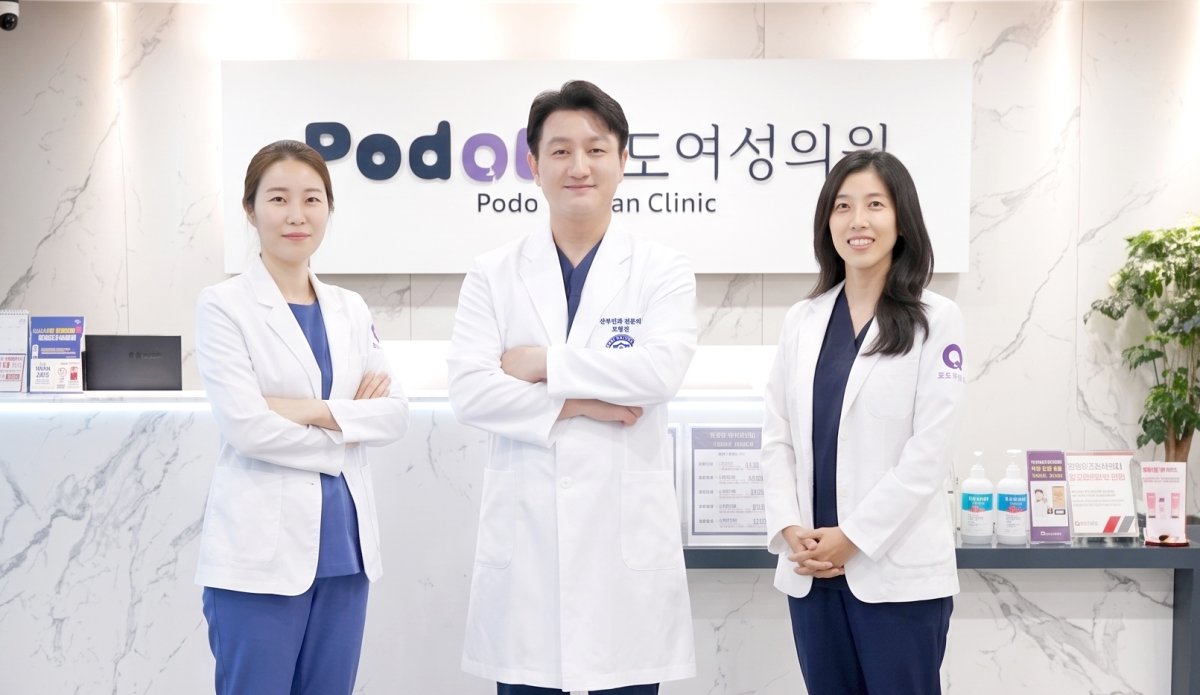
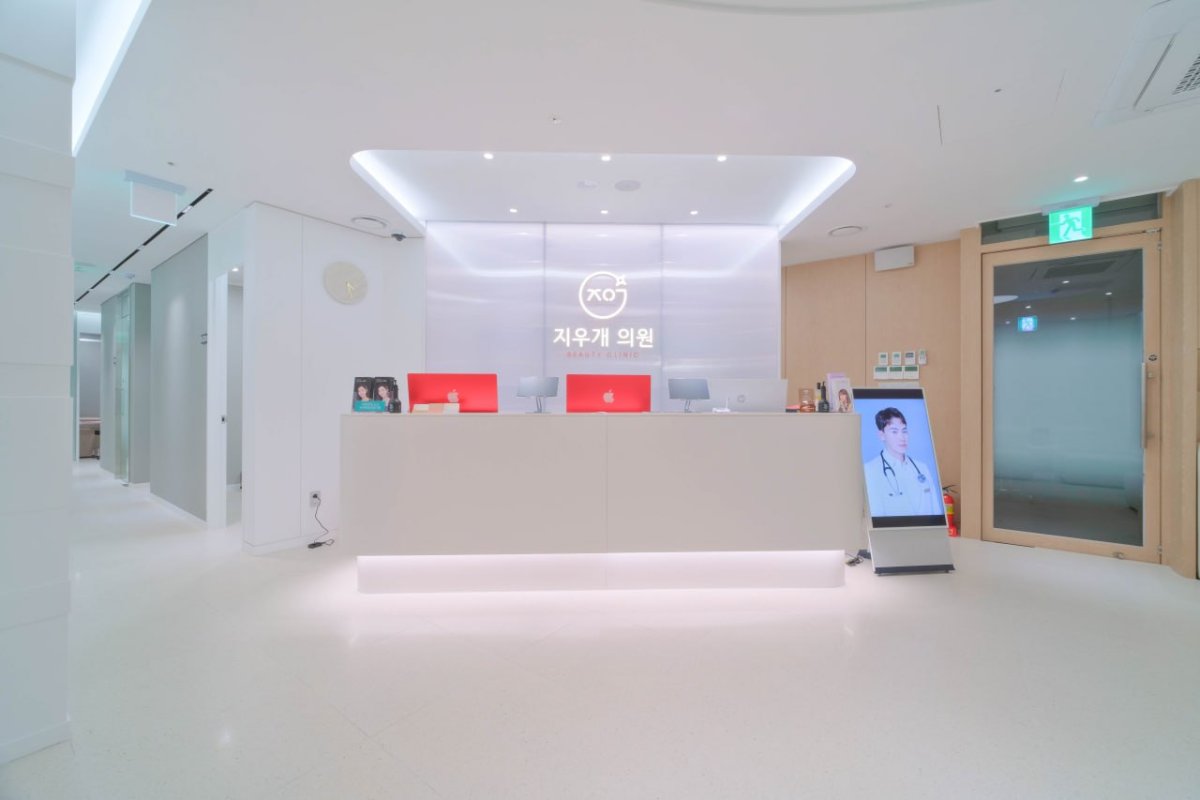
Seoul Miz Hospital (서울미즈병원)
Republic of Korea, Seoul


Medically reviewed by
Fahad Mawlood
Bioidentical hormone replacement therapy (BHRT) in the Republic of Korea typically costs from $1,200 to $3,000. Final pricing depends on the delivery method, diagnostic depth, and clinic tier. Patients save around 52% compared to the US, where costs average $2,500. Treatment typically includes specialized consultations, hormone panel testing, and customized compounding formulas.
Bookimed Expert Insight: Choosing specialized women's health hubs in Seoul offers significant value. Hospitals like Seoul Miz Hospital manage over 200,000 patients annually with 30 dedicated specialists. This high volume often translates to more precise hormone balancing. While premium centers in Gangnam offer luxury, mid-sized specialized hospitals provide the same endocrine expertise. They typically include initial hormone panels starting around $150.
| Republic of Korea | Turkey | The USA | |
|---|---|---|---|
| Bioidentical hormone replacement therapy (BHRT) | ≈ $1,200 | ≈ $1,100 | ≈ $1,200 |
| Stem Cell Ovarian Rejuvenation | ≈ $5,500 | from $6,000 | ≈ $5,500 |
| PRP/PRGF ovarian rejuvenation | ≈ $1,800 | from $3,000 | ≈ $1,500 |
Day 1:
Day 2:
Day 3:
Day 4:
Week 1:
Week 2 to 6:
Week 6 onwards:
Please note that each person"s experience with BHRT may vary. Always consult with your healthcare provider for personalized information and guidance.
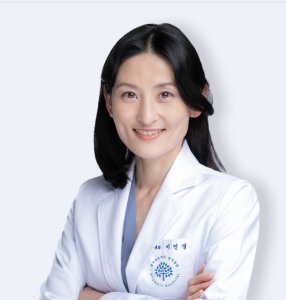
Dr. Min‑Kyung Lee, MD, PhD, is an endocrinologist. She is an Associate Professor and Director of the Clinical Research Institute at Myongji Hospital.
Clinical focus includes diabetes, thyroid disease, osteoporosis, hyperlipidemia, and adrenal and pituitary disorders. She also performs thyroid ultrasound and biopsy.
Her research includes nationwide cohort studies on metabolic syndrome and type 2 diabetes (Scientific Reports 2020;10:2313; Diabetes Res Clin Pract 2020;165:108237). She has also studied weight change and microvascular outcomes (Korean J Intern Med 2021;36(4):932–941).
Professional roles and memberships include the Scientific Committee of the Korean Society of Lipid and Atherosclerosis and Education Secretary of the Korean Society of Cardiometabolic Syndrome. She serves on the PR Committee of the Korean Society for the Study of Obesity. She is a lifetime member of the Korean Endocrine Society, the Korean Diabetes Association, and the Korean Association of Internal Medicine. She is also a member of the Korean Society for Bone and Mineral Research.
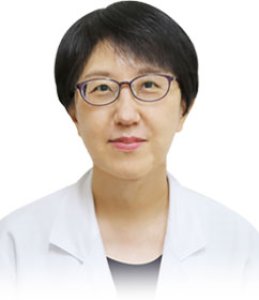
Dr. Kim Yeonsun is an endocrinologist and Head of the Department of Endocrinology at Naeun Hospital. He treats diabetes, thyroid disease, metabolic syndrome, high cholesterol, osteoporosis, and other endocrine disorders.
He earned his medical degree from Seoul National University College of Medicine. He completed graduate training in internal medicine at Gachon University. He then trained as a clinical fellow in endocrinology at Samsung Medical Center.
He previously served as Head of Internal Medicine at Seoul Red Cross Hospital. He was also a professor of endocrinology and metabolism at Gachon University Gil Medical Center. He is a regular member of the Korean Endocrine Society and the Korean Diabetes Association.
 Anna Leonova

Today, South Korea has visa-free agreements with 112 states. None visa is required for stays under 90 days or less. To stay longer in this country, you need a visa. What states need a visa for treatment in South Korea and what countries can cross the border free and easy read here.
Healthcare is the key development sector of the Korean government. The Korean authorities are convinced that care for the citizens' health should be an absolute priority of state policy and spend about 1 billion a year for medical tourists attraction.
According to Mark Britnell, hospitals dominate the health system. 94% of hospitals are privately owned.
According to ASPS statistics, 17.7 mln cosmetic surgeries and 5.8 mln reconstructive procedures have been performed in 2018. Among cosmetic procedures the most popular are:
Tumor removal, laceration repair, maxillofacial surgery, scar revision, hand surgery are the most common operations in the context of reconstructive surgery.
Visas for travel to South Korea require a number of documents. The necessary papers can be submitted 90 days before the planned departure. Lists of documents includes:
Currency | South Korean Won (you also can pay for services in dollars) |
Best period for the trip | April, May & June or September, October & November. |
Language | Korean (most of medical staff speaks English fluently) |
Visa | none required for stays under 90 days or less |
Time difference with Europe | 9 hours |
Time difference with the USA | 9 hours |
Capital | Seoul |
Medical tourism center | Seoul |
Popular resorts | Gangwon-do, Gyeongju, Boseong, Jeju |
In South Korea, hotels of different price ranges and service levels are presented. Most tourists choose 4 and 5 star hotels with all-inclusive meals. Such hotels have everything for a comfortable stay: varied food, a large well-groomed territory, animation for children and adults. Some hotels have their own water park, which guests can use for free. Budget travelers can afford to book an economical 3-star hotel with half board or no meals at all.