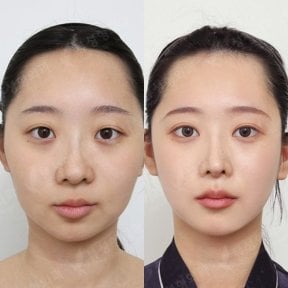
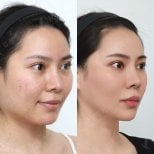
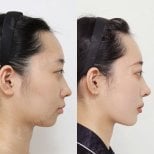
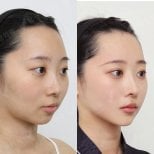
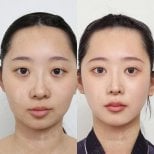
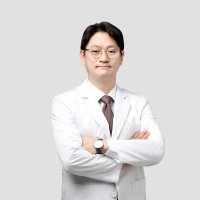
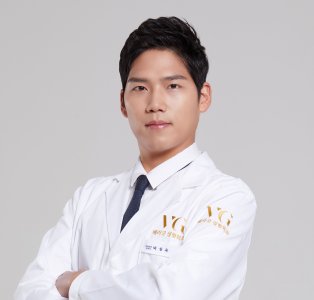
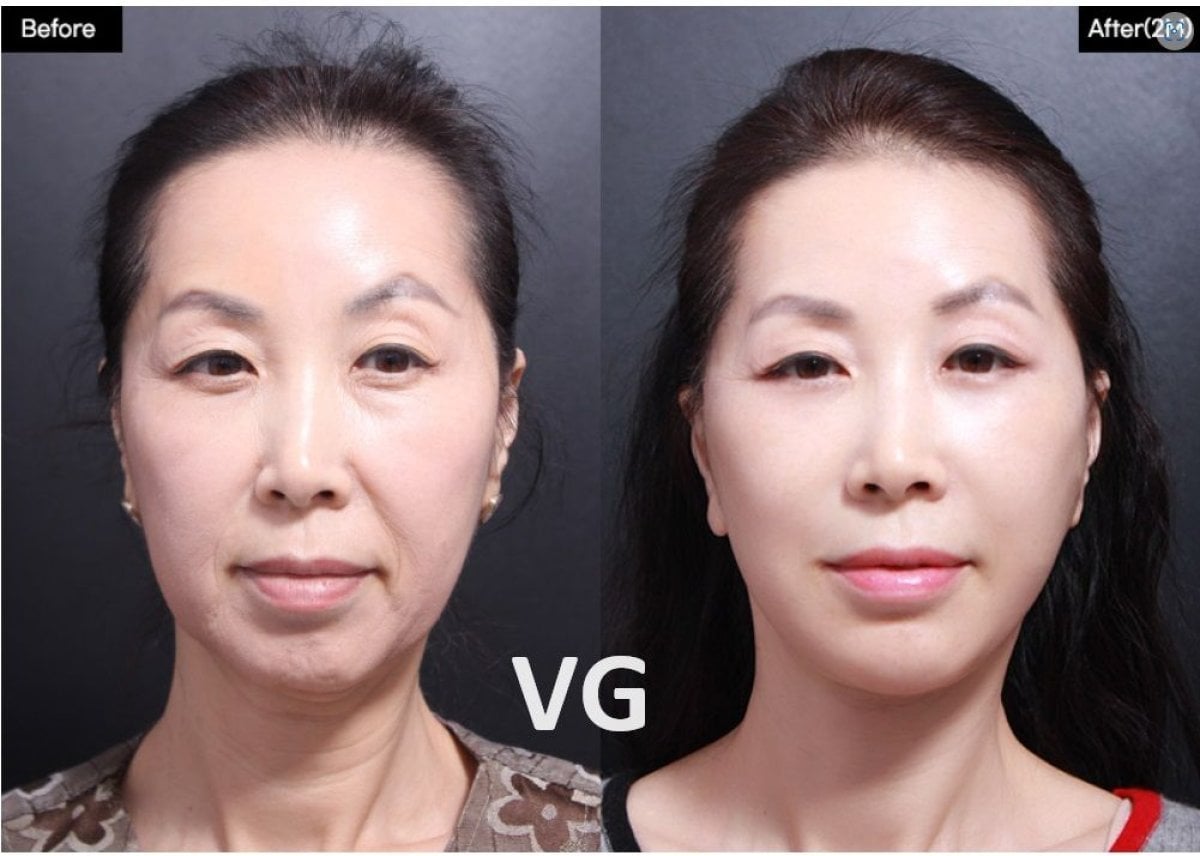
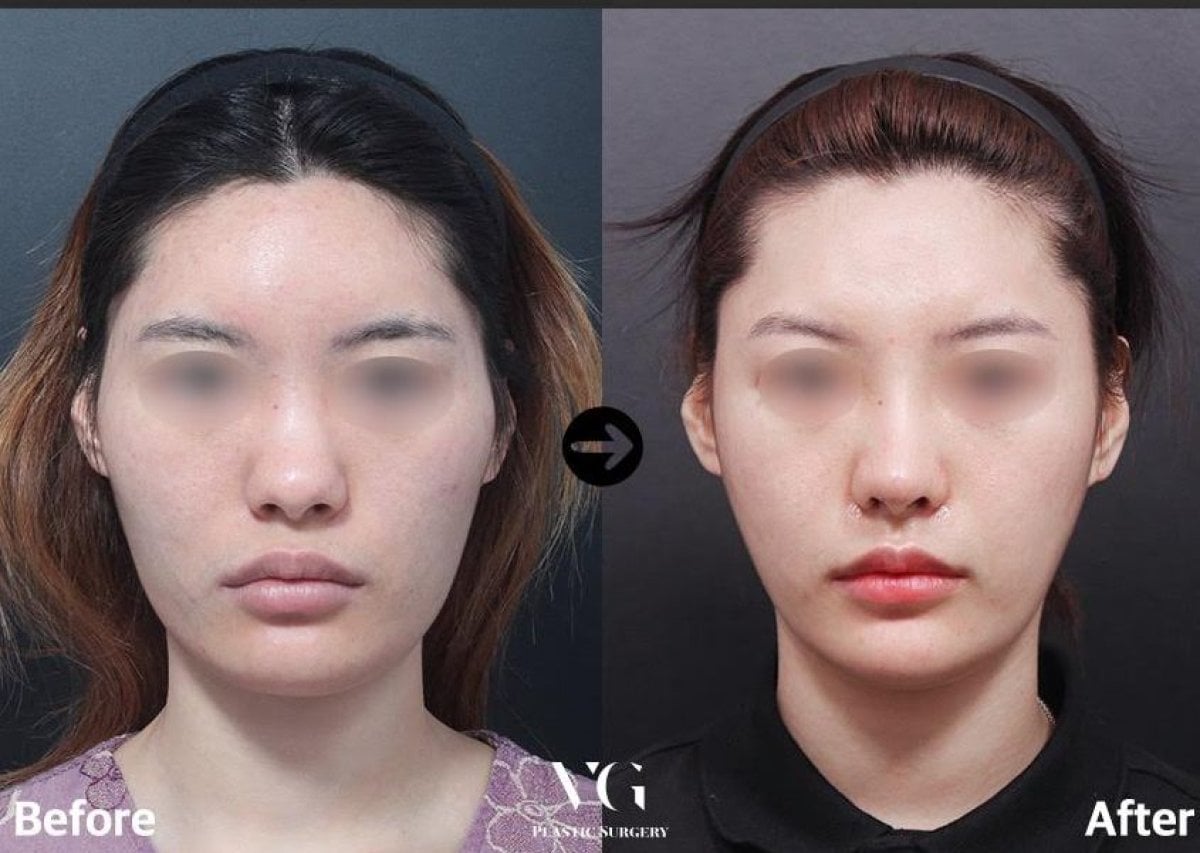
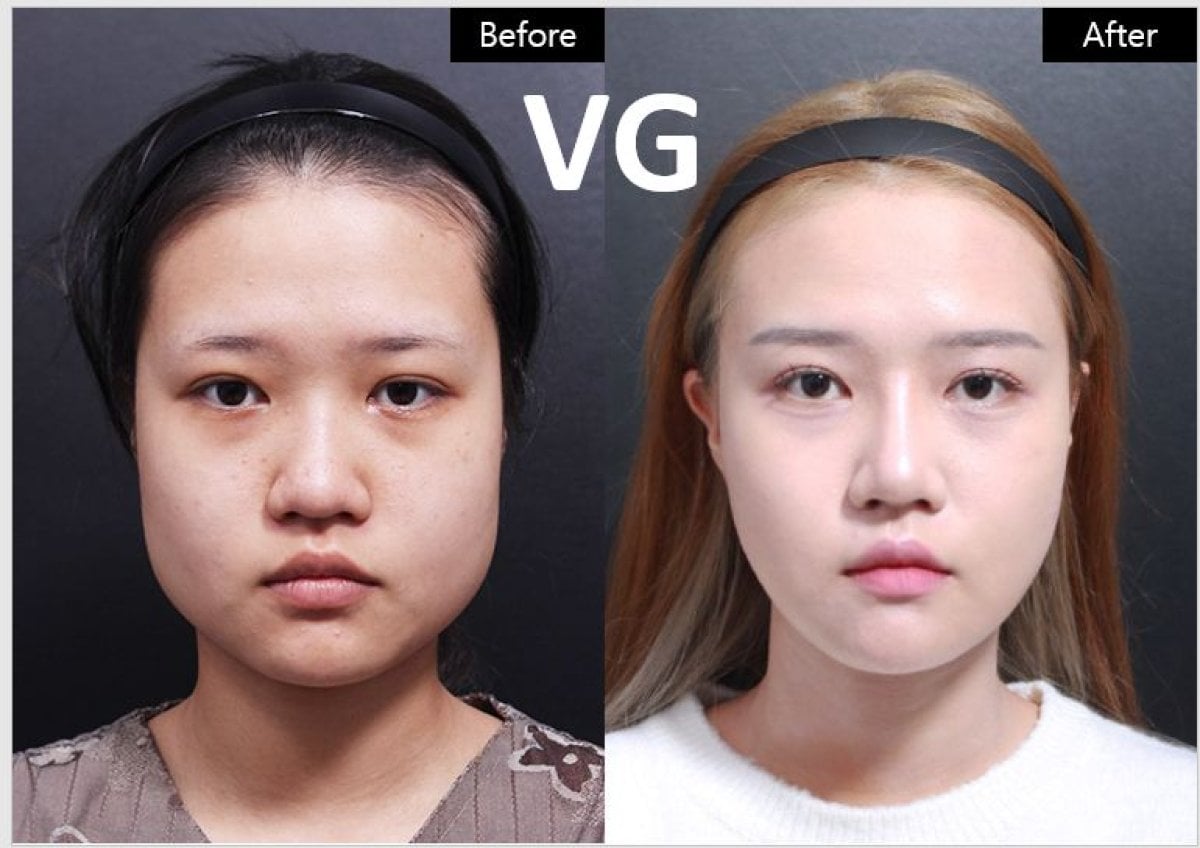
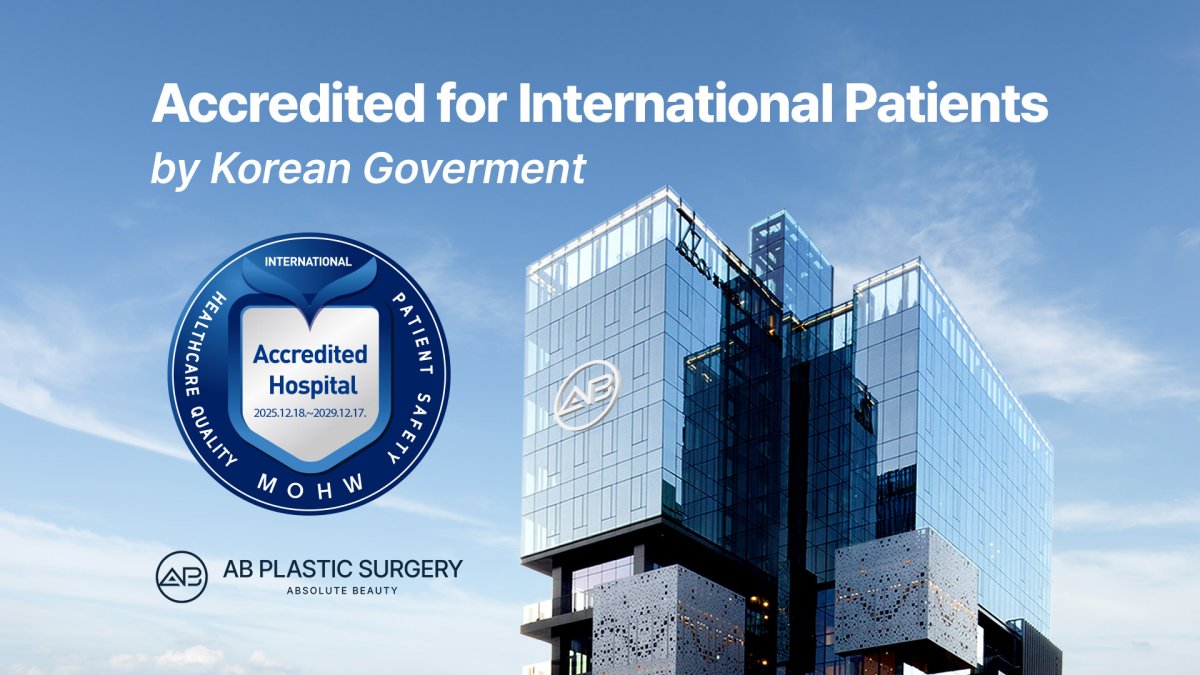
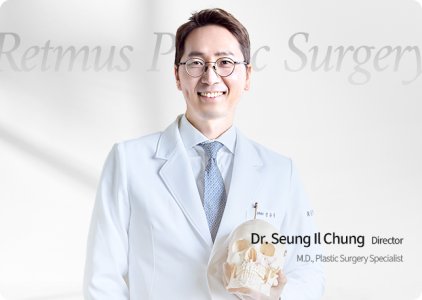
View Plastic Surgery Hospital uses ultrasonic bone-cutting technology to reshape the jawbone while protecting nerves and blood vessels. The hospital has been recognized by the Korean Ministry of Justice as an Outstanding Medical Tourism Institution since 2015. Surgeons use 3D CT imaging to create personalized plans before every procedure. The care program includes painless injections on the first day and specialized infrared treatments during recovery. A board-certified anesthesiologist provides one-on-one care throughout the surgery in their dedicated 19-story facility.
How it works
How Much Does Cheekbone reduction Cost in Republic of Korea?
Cheekbone reduction in the Republic of Korea typically costs from $3,600 to $5,900 depending on bone structure complexity and clinic specialization. Fees often cover 3D CT diagnostics, general anesthesia, and one night of hospitalization. In the US, similar procedures cost around $9,800 on average. Patients save around 51% compared to US prices when choosing South Korean specialists.
- Clinic tier: Premium centers in Seoul often charge 30-40% more than standard facilities.
- Diagnostic technology: Use of 3D CT imaging for precise bone contouring affects final pricing.
- Surgeon expertise: Board-certified surgeons with over 15 years of experience usually command higher fees.
- Anesthesia type: General anesthesia required for zygoma reduction is included in the total cost.
Bookimed Expert Insight: Choosing a clinic in Seoul, like JK Plastic Surgery Center with its 100% success rate, ensures elite safety standards. High-volume centers often provide better value by including post-operative laser swelling treatments in their base price. For complex cases, seeking board-certified experts like Dr. Im Young Min at VG Plastic Surgery provides access to award-winning facial contouring expertise.
| Republic of Korea | Turkey | The USA | |
|---|---|---|---|
| Cheekbone reduction | from $3,600 | from $3,000 | ≈ $6,500 |
Cheekbone reduction Packages in Republic of Korea — November 2026
Discover the Best Cheekbone reduction Clinics in Republic of Korea: 11 Verified Options and Prices
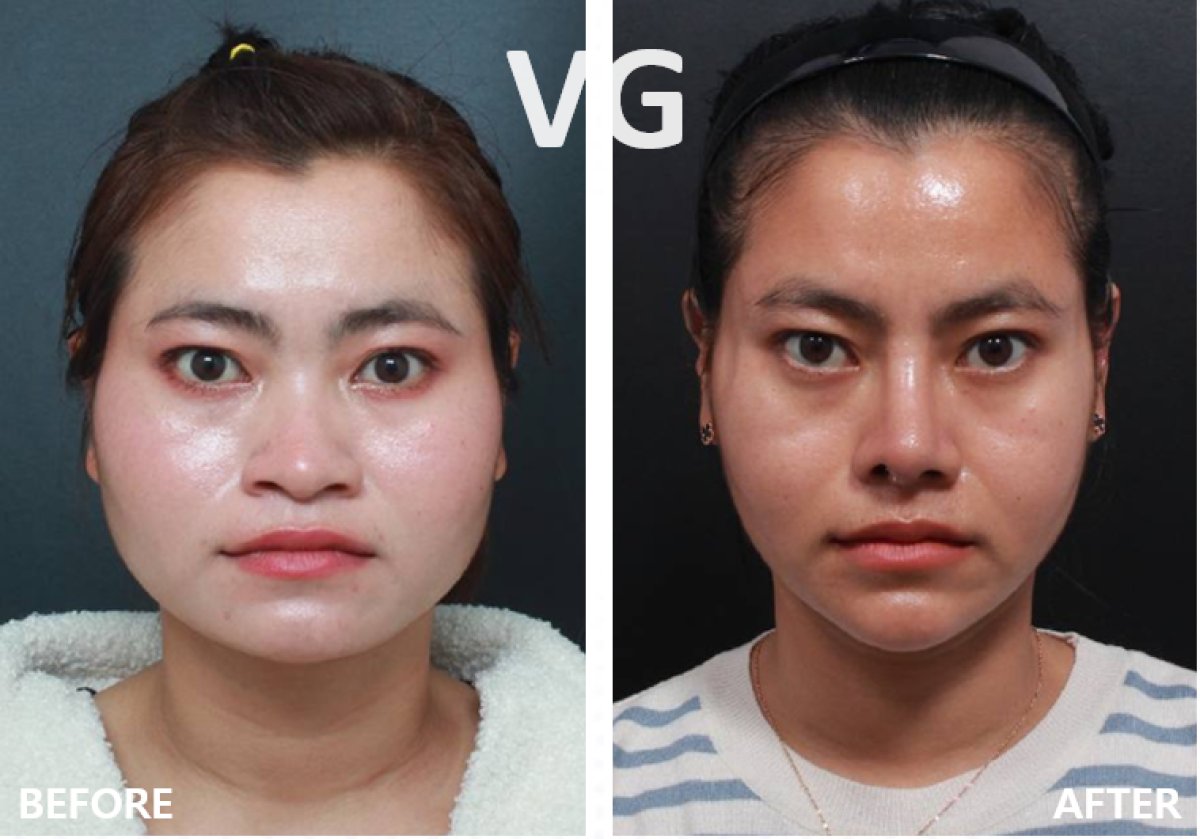
VG Plastic Surgery
Park Sangwook


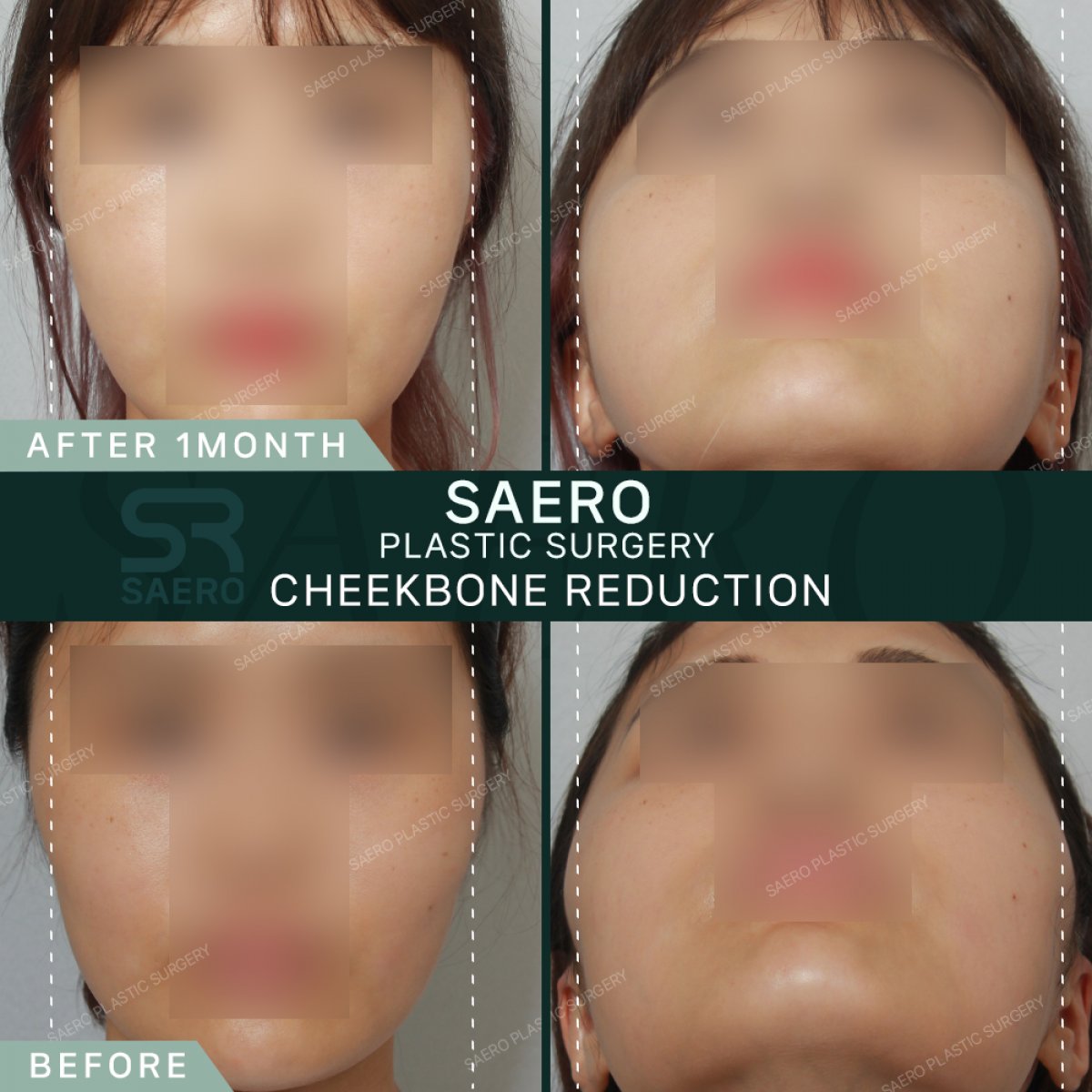
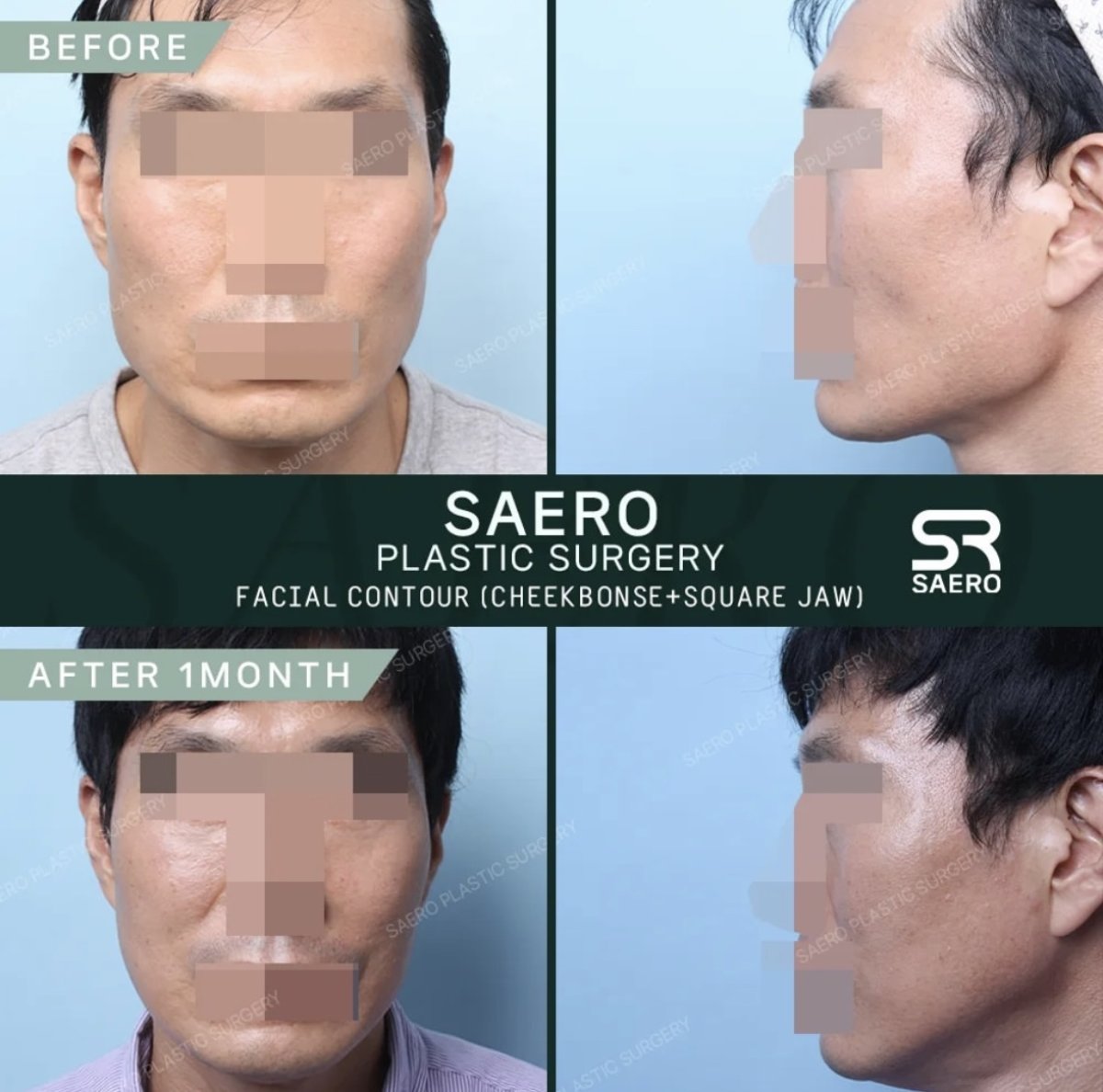
SAERO Plastic Surgery
Park Young Kyu

Lienjang Plastic Surgery & Aesthetic Clinic


Banobagi Clinic
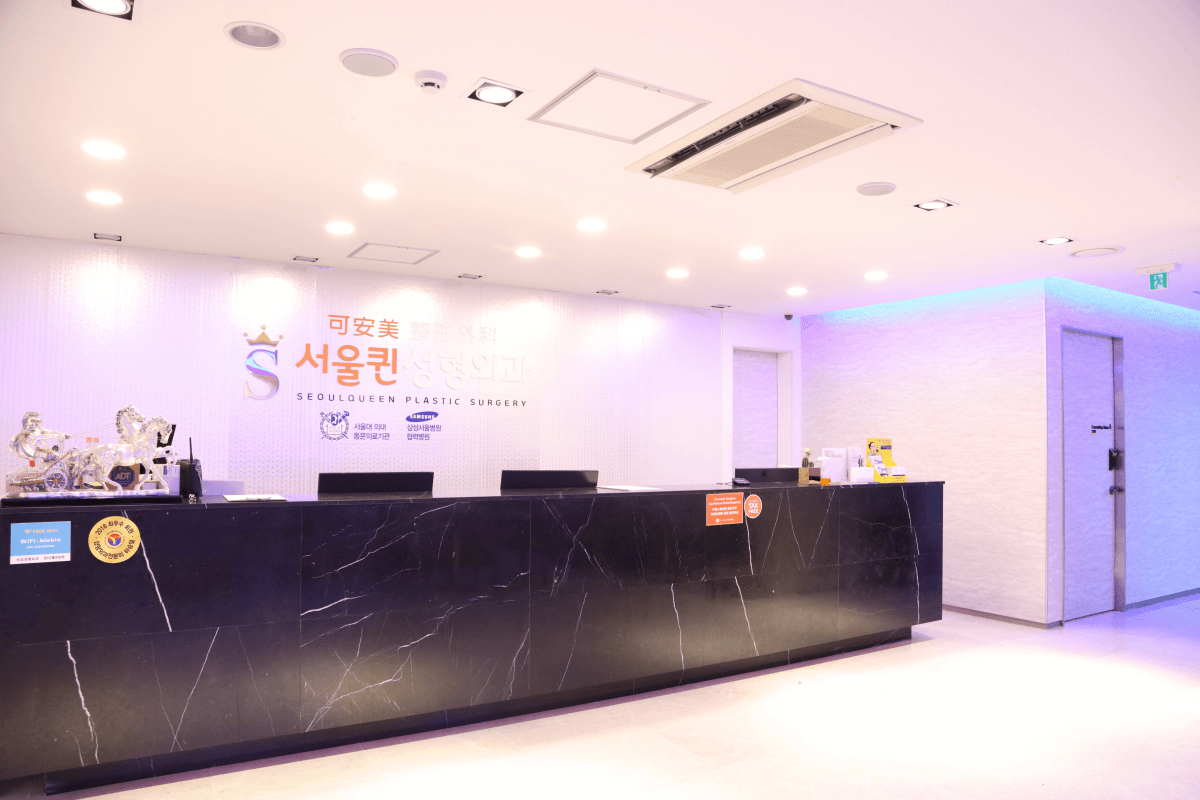
Seoul Queen Plastic Surgery
INIQUÉ Plastic Surgery Clinic
Cheekbone reduction in Republic of Korea: Your Travel Plan
Day 1: Arrival in Republic of Korea
- You should arrive at the airport and check into your accommodation. Ensure you have all necessary documents, including your passport and any required medical records for the clinic.
- Rest and acclimate to the local time zone. Avoid strenuous activities as you prepare for the upcoming procedure.
- If possible, familiarize yourself with the clinic's location and plan your route for the consultation and surgery days.
Day 2: Pre-Surgery Consultation
- You need to attend the in-person consultation at the clinic. This is crucial for confirming the details of your cheekbone reduction procedure.
- A CT scan may be performed to assist in planning the surgery, especially if the front part of your cheekbones is not too protruded.
- Discuss any additional procedures you might be considering, such as fat grafting or genioplasty. Finalize the surgical plan with your doctor.
- Ensure you understand the preoperative instructions, including fasting requirements and medication restrictions.
Day 3: Surgery Day
- Arrive at the clinic for your cheekbone reduction, also known as zygoma reduction. The procedure involves oral and temporal area incisions to push the protruded cheekbones inward and backward.
- The surgery will be performed under general anesthesia. You will need an overnight caregiver if hospitalization is required.
- Post-surgery, you may experience swelling and discomfort. The clinic will provide postoperative care instructions and prescribed medications if necessary.
Days 4-7: Initial Recovery
- Stay in your accommodation to rest and recover. Follow the clinic’s advice on managing swelling and bruising, which may include using cold compresses and keeping your head elevated.
- Avoid strenuous activities and follow a soft diet to minimize strain on the surgical area.
- Attend any scheduled follow-up appointments for deswelling care and check-ups.
- Utilize services provided by the clinic, such as hair wash service and compressive masks, to aid in recovery.
Days 8-14: Continued Recovery and Stitch Removal
- Continue to follow postoperative care instructions. Gradually resume light activities as advised by your doctor.
- Attend the clinic for stitch removal, which typically occurs 2 weeks after surgery.
- Monitor for any signs of complications, such as excessive swelling or pain. Contact the clinic if you have concerns.
- Begin to see improvements in facial contour as swelling decreases. Maintain a stable body weight if you have undergone fat grafting to ensure optimal results.
Day 15: Final Check-Up and Departure Preparation
- Attend a final check-up at the clinic to ensure proper healing and address any remaining questions or concerns.
- Discuss any long-term care instructions or follow-up appointments that may be necessary after returning home.
- Prepare for your departure, ensuring you have all necessary documentation and contact information for the clinic in case of future inquiries or follow-up needs.
Day 16: Departure from Republic of Korea
- You should check out of your accommodation and head to the airport for your flight home.
- Continue to follow any additional postoperative care instructions provided by your doctor to ensure a smooth recovery process.
- Reflect on your experience and the results of your cheekbone reduction procedure. Maintain communication with the clinic for any future concerns or follow-ups.
Bookimed, a leading global medical tourism platform, is committed to helping clients looking for Cheekbone reduction in Republic of Korea by offering expert assistance and trustworthy medical solutions for every situation. Smart automatic ranking system is used to compose transparent clinic listings, meticulously maintained by a data scientist using AI for accuracy. The platform guarantees authenticity by publishing reviews from real patients after their treatments. Bookimed offers comprehensive medical solutions, with updates from clinics to ensure trustworthiness. The content about Cheekbone reduction in Republic of Korea, crafted by experienced medical authors and reviewed by specialists, adheres to Bookimed"s Editorial Guidelines, reflecting the platform"s commitment to delivering high-quality and clear health information. For more details or inquiries, feel free to contact us at marketing@bookimed.com or learn more about us and our mission About Bookimed .
Our Trusted Doctors
View all Doctors
Park Young Kyu
Dr. Park Young Kyu is a plastic surgeon at SAERO Plastic Surgery in Seoul. He graduated summa cum laude from Hallym University. Dr. Park earned the Top Medical Resident award from the Korean Society of Plastic Surgeons. He currently serves as an adjunct professor at Gangnam Sacred Heart Hospital.
- Specializes in complex facial contouring, deep plane facelifts, and revision rhinoplasty.
- Member of the International Society of Aesthetic Plastic Surgery (ISAPS).
- Active member of the American Society of Plastic Surgeons (ASPS).
- Sits on the KSPRS steering committees for anti-aging and filler research.

Park Sangwook
Board-certified plastic surgeon and current director at VG Plastic Surgery, specializing in facial procedures.
- Residency at Seoul St. Mary's Hospital – one of Korea's leading institutions
- Full member of multiple prestigious Korean plastic surgery societies
- Specializes in minimally invasive techniques for facial contouring
- Former director of DA Plastic Surgery Clinic

Im Young Min
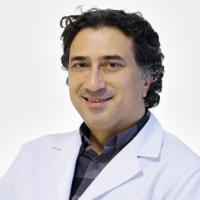
Dr. Im Young Min is a board-certified plastic surgeon specializing in facial contouring procedures, including cheekbone reduction, at VG Plastic Surgery in Seoul.
- Ph.D. in Plastic Surgery from The Catholic University of Korea
- Associate Professor at St. Mary's Hospital, training future surgeons
- Recognized as one of Korea's 100 Good Doctors for facial contouring
- CEO of VG Plastic Surgery, leading a specialized practice
- Active member of Korean Society for Aesthetic Plastic Surgery

Kim Sung Sik
Dr. Kim Sung Sik is a plastic surgeon at the JK Plastic Surgery Center in Seoul. He specializes in facial contouring, anti-aging, and rhinoplasty. Dr. Kim completed his residency and internship at Seoul St. Mary’s Hospital. He holds a postgraduate degree in plastic surgery from the Catholic University Medical School.
- Member of the International Society of Plastic Surgery.
- Certified by the Korean Society of Plastic and Reconstructive Surgeons.
- Performs specialized procedures including deep plane facelifts and revision rhinoplasty.
- Treats patients at a clinic with a 100% success rate for all procedures.
Video Stories from Bookimed Patients
Reviews about Bookimed: Discover Patients' Insights
All reviews


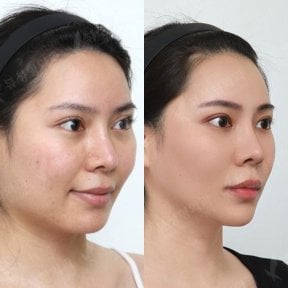
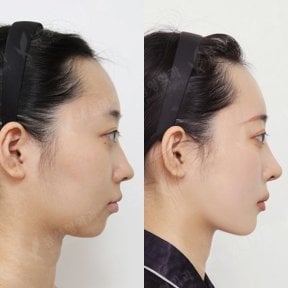
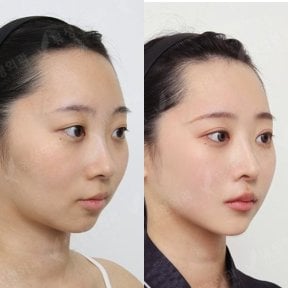
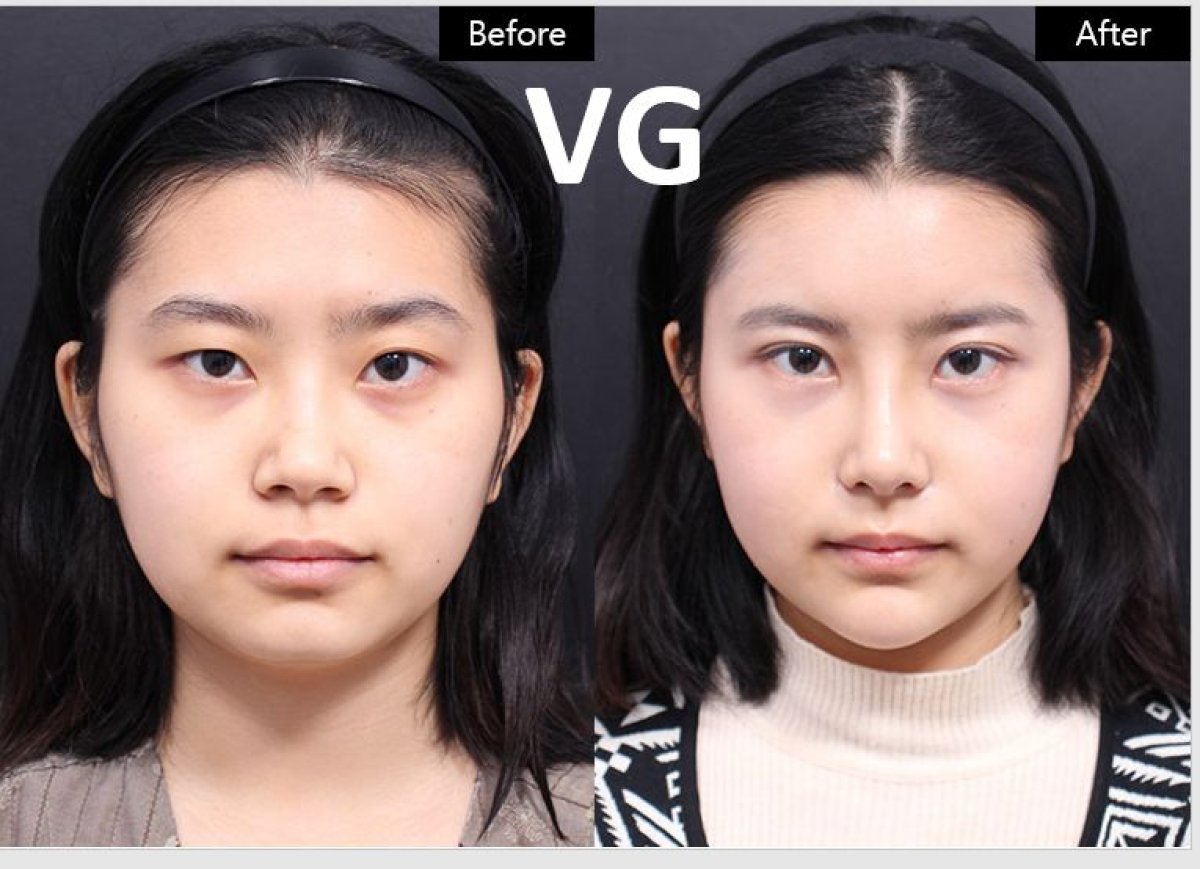
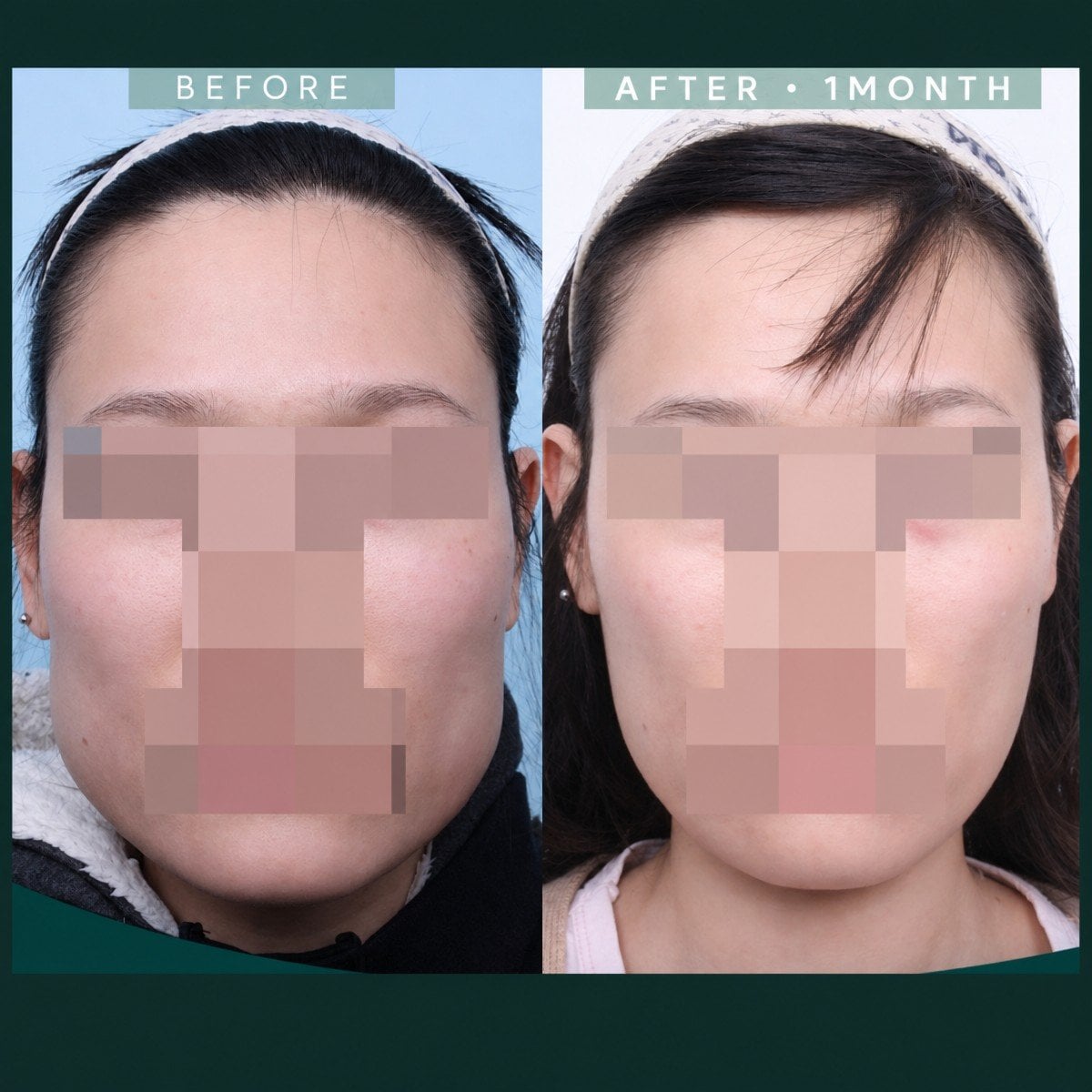
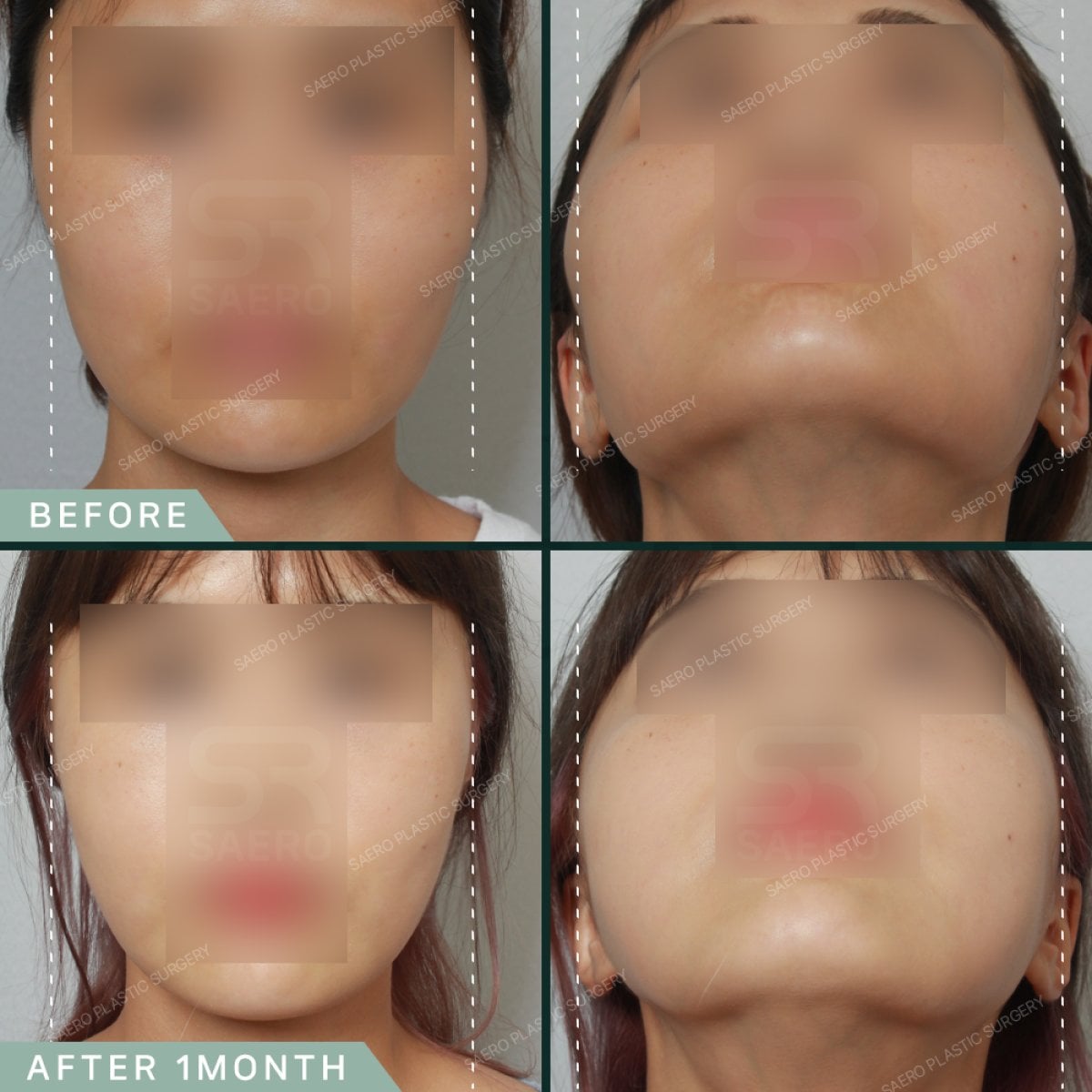
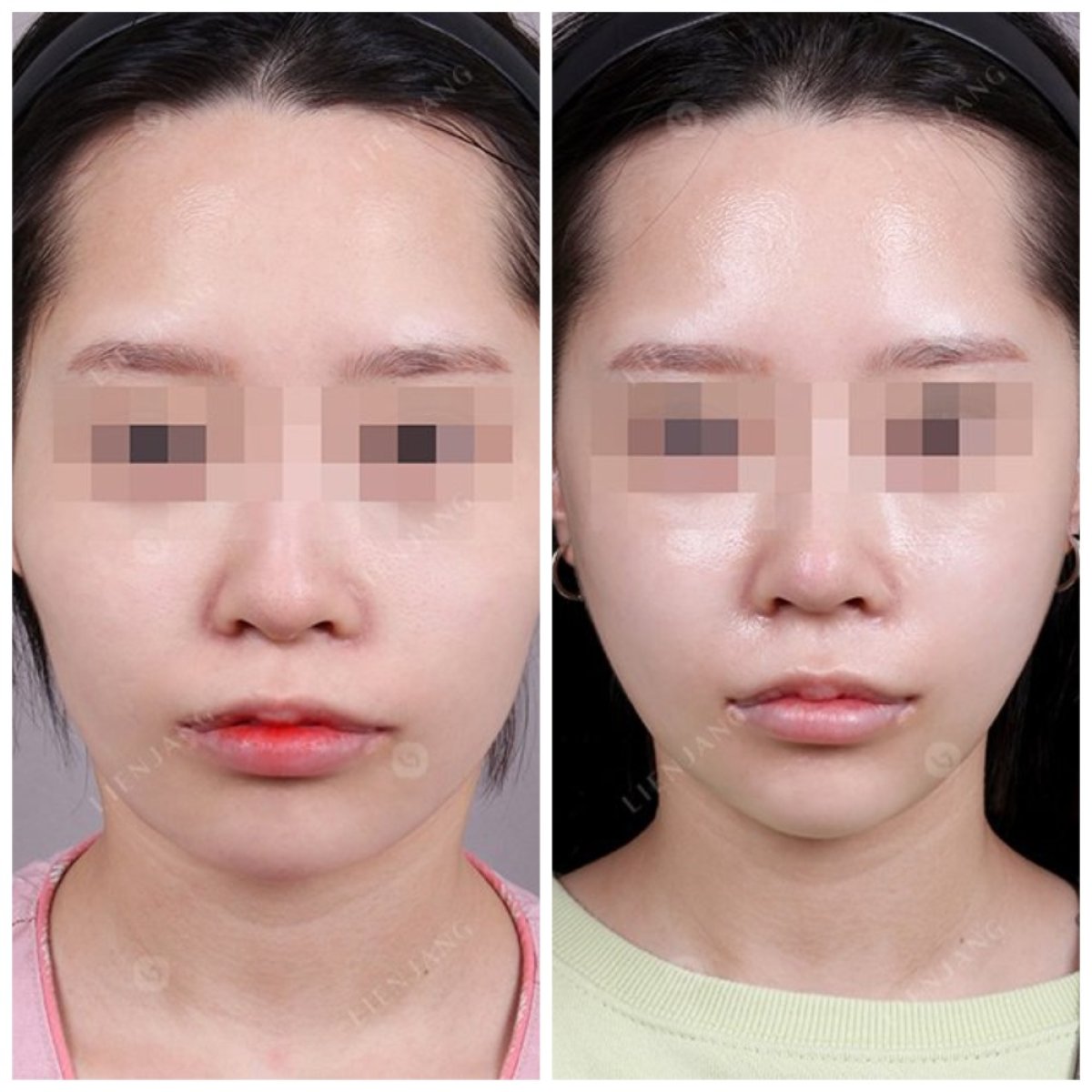
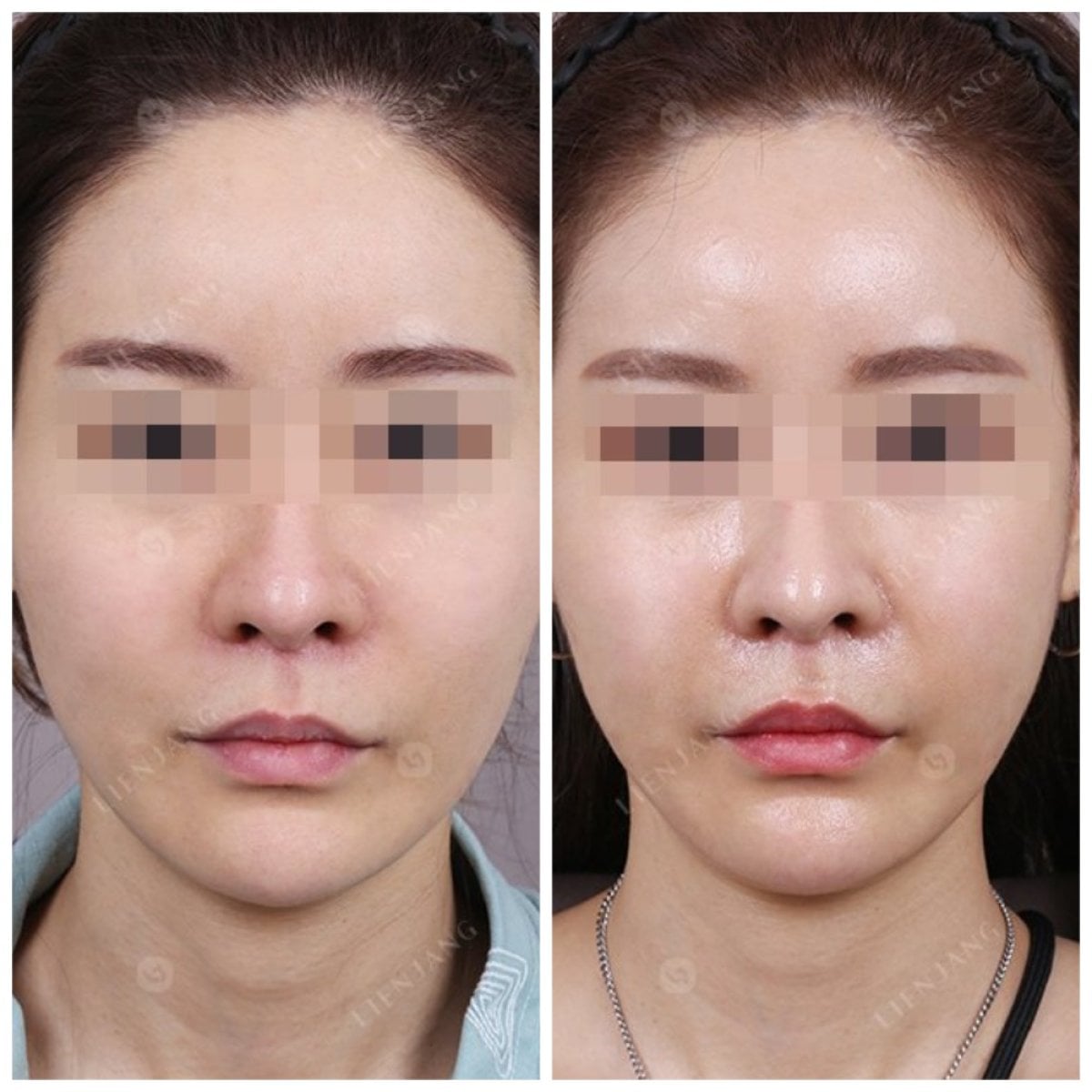
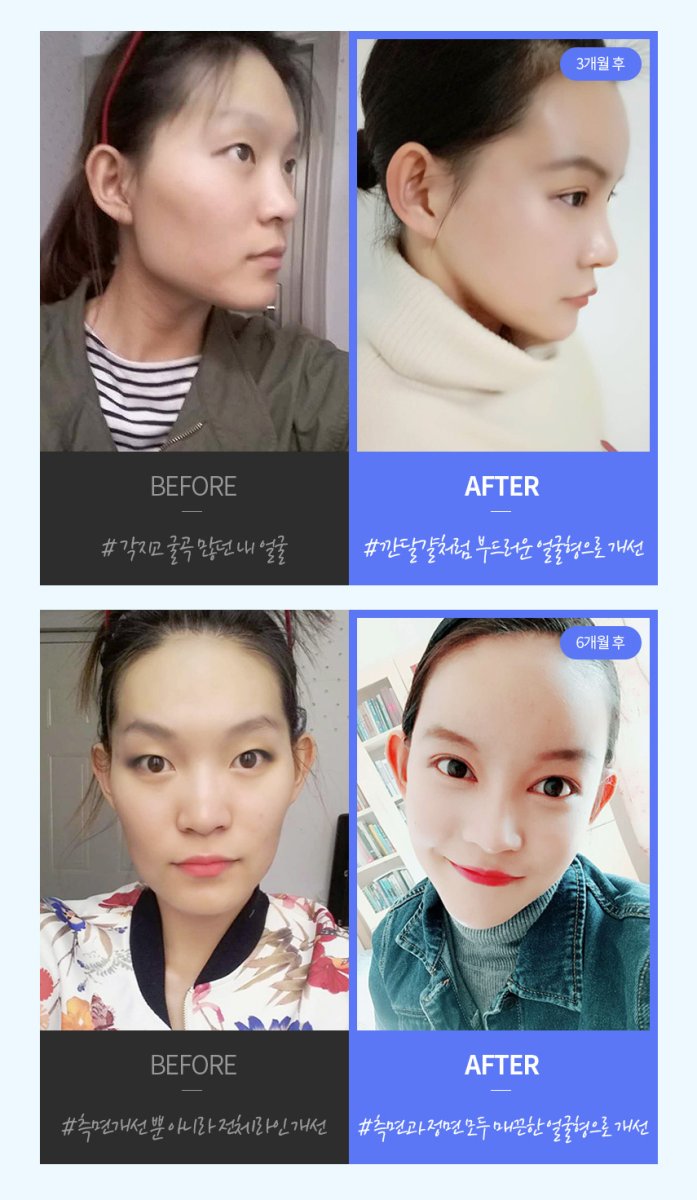
Cheekbone reduction: Before & after photos
View allShare this content
Anna Leonova
FAQ about Cheekbone reduction in Republic of Korea
What are the risks of cheekbone reduction?
Cheekbone reduction involves altering facial bone structure, carrying risks like mid-face sagging, facial asymmetry, and nerve damage causing temporary numbness. In South Korea, specialists use 3D CT-guided planning and intraoral incisions to minimize visible scarring while ensuring precise bone fixation with biocompatible plates.
- Soft tissue sagging: Reduced bone support can cause skin drooping, especially in patients over 40.
- Sensory nerve changes: Temporary numbness in the mid-face affects 10% to 20% of patients.
- Bone healing issues: Improper fixation may lead to nonunion or malunion of the zygomatic arch.
- Recovery swelling: Extreme swelling, often called chipmunk cheeks, typically persists for 1 to 3 months.
Bookimed Expert Insight: Data from top Seoul clinics like VG Plastic Surgery and JK Plastic Surgery show that 3D CT pre-operative simulations are the most effective way to prevent asymmetry. Surgeons who perform over 1,000 cases annually often combine malar reduction with lateral canthoplasty. This specific combination prevents the `flat` look by maintaining natural facial dimensions while reducing width.
Patient Consensus: Many patients emphasize the necessity of a soft-food diet and specialized mouthwash for 14 days to prevent infections around internal hardware. Most survivors of the procedure suggest budgeting for a 2-week stay in Seoul because swelling peaks significantly during the first 7 days.
Are cheekbone reduction results permanent?
Cheekbone reduction results are permanent because the procedure physically reshapes or removes zygomatic bone. Once surgeons shave or reposition the bone structure, it does not grow back. South Korean clinics utilize advanced 3D CT imaging to ensure precise, lifelong structural facial contouring.
- Surgical technique: Bone shaving or malar repositioning creates a permanent change in facial width.
- Bone stability: The zygomatic bone maintains its new shape throughout the patient’s entire life.
- Aging impact: While bone stays reduced, natural skin sagging may alter appearance over decades.
- Irreversibility: Reversing the procedure is extremely difficult and requires complex bone grafts or fillers.
Bookimed Expert Insight: Data from major Seoul centers like JK Plastic Surgery shows that long-term satisfaction depends on conservative reduction. Leading Korean surgeons often prioritize repositioning over aggressive shaving. This technique preserves more natural bone structure, which helps support soft tissues and prevents premature sagging as patients age.
Patient Consensus: Patients report stable, slimmer facial profiles even ten years after surgery. Some suggest discussing soft tissue management early, as the permanent bone change can make mid-face aging more noticeable later.
What is the recovery timeline after cheekbone reduction?
Recovery after cheekbone reduction in South Korea usually involves 1 to 2 weeks for major swelling to subside, allowing a return to desk work. Patients typically achieve 80% to 90% of their final facial contour within 3 months, with complete bone settling and nerve regeneration finishing by 6 months.
- Hospital stay: Expect 1 to 3 nights for monitoring in Seoul clinics like VG Plastic Surgery.
- Initial swelling: Inflammation peaks between days 3 and 5 before dropping by 50% to 70%.
- Dietary restrictions: Surgeons require a liquid or soft-food diet for 30 days to protect bone stability.
- Activity levels: Patients can resume light walking after 14 days and strenuous exercise after 8 weeks.
Bookimed Expert Insight: Korean centers like JK Plastic Surgery Center and Wonjin Plastic Surgery Clinic lead in 3D-CT bone analysis, which significantly reduces recovery time. By mapping nerve paths before the first incision, surgeons minimize the elephant trunk numbness that often persists for months in less advanced facilities. This precision allows some patients to feel comfortable in public by day 10 when using a face mask.
Patient Consensus: Many patients are surprised by persistent tightness and tingling that lasts up to 4 months. Following the no-supine sleeping rule is essential, as elevated resting can reduce morning facial puffiness by nearly 30% during the first 2 weeks.
Will my cheeks sag after cheekbone reduction surgery?
Cheek sagging, or soft-tissue ptosis, is a known risk following cheekbone reduction when the underlying bone support decreases. Most Korean surgeons mitigate this by using internal suspension techniques, though approximately 5-10% of patients may experience noticeable drooping depending on skin elasticity and surgical precision.
- Surgical technique: Advanced methods like SMAS plication or periosteal suspension physically anchor tissues to prevent drooping.
- Age factor: Patients over 40 face higher risks due to reduced natural skin elasticity and `shrink-wrap` capability.
- Recovery timeline: Initial swelling peaks at 3–6 months, while final tissue positioning settles within 12–18 months.
- Preventative steps: Surgeons often recommend lymphatic massage and strict 3-month anti-swelling protocols to ensure proper healing.
Bookimed Expert Insight: Data from top Seoul clinics like JK Plastic Surgery shows that sagging is often a result of `aggressive` reduction without tissue repositioning. High-volume centers performing over 1,000 surgeries annually typically bundle zygoma reduction with SMAS tightening. Choosing a package in the $3,600 to $5,900 range usually ensures these essential soft-tissue management steps are included, whereas ultra-low-cost options may skip them.
Patient Consensus: Patients emphasize that while the initial V-line look is rewarding, those with thicker skin must prioritize surgeons who provide 2-year follow-up photos. Many recommend planning for possible maintenance fillers after age 40 to address any late-stage hollow cheek effects.
What surgical techniques are used in Korea for cheekbone reduction?
Surgical techniques in Korea for cheekbone reduction focus on osteotomy methods like High-L and Low-L cuts to reposition bone rather than simple shaving. Surgeons utilize 3D rotation and zygoma gear reduction to narrow facial width while securing structures with 3D-printed titanium plates.
- High-L osteotomy: Performed at a 30–90 degree angle for maximum inward and backward bone movement.
- Zygoma gear reduction: Involves rotating and fixing the outer cheekbone using custom 3D-printed titanium plates.
- Combined approach: Uses intraoral and preauricular incisions to access the long zygoma body and arch.
- Rapid reduction: Features an intraoral-only approach for mild cases, typically completed in under 2 hours.
Bookimed Expert Insight: While many clinics offer quick shaving methods, the most successful long-term results in Seoul come from 3D rotation techniques. Clinics like VG Plastic Surgery use 3D-CT planning to ensure the bone is rotated, not just cut. This approach maintains facial volume and prevents the flat look often caused by older reduction styles.
Patient Consensus: Patients emphasize that a 2-week swelling peak is common before symmetry begins to emerge at 3 months. Many recommend combining the procedure with fat grafting to maintain a youthful, contoured appearance rather than a completely flat midface.
What can I eat after cheekbone reduction surgery?
After cheekbone reduction surgery, patients must follow a strict liquid and no-chew diet for approximately 14 days to protect internal incisions. Most surgeons in Seoul progress patients from clear liquids to soft purees like congee or silken tofu, avoiding all hard, crunchy, or chewy foods for 6 to 8 weeks.
- Immediate phase: Stick to lukewarm broth, apple juice, and protein shakes for the first 48 hours.
- Suction warning: Avoid using straws entirely as the suction pressure can dislodge blood clots or stitches.
- Soft transition: Shift to mashed avocado, Greek yogurt, and soft-cooked eggs during the second recovery week.
- Temperature control: Consume ice-cold liquids early on to reduce swelling and avoid hot foods for 10 days.
Bookimed Expert Insight: While many international guidelines suggest soft pasta by day 7, top-tier Seoul clinics like VG Plastic Surgery often mandate a stricter liquid-only period. Data shows that substituting rice or noodles with traditional Korean congee (rice porridge) prevents small grains from irritating intraoral stitches. This conservative approach helps maintain the 100% success rates reported by high-volume centers like JK Plastic Surgery Center.
Patient Consensus: Many patients recommend stocking up on high-protein shakes like Ensure or Orgain before surgery. They emphasize that blended soups and yogurt provide necessary nutrients without the dangerous risk of chewing too early.
Is cheekbone reduction surgery painful?
Cheekbone reduction surgery in Republic of Korea is not painful during the procedure because specialists perform it under general anesthesia. Most patients describe the recovery as a period of intense pressure, tightness, and a dull ache rather than sharp pain, with discomfort peaking between days 3 and 7.
- Anesthesia protocol: Surgeons perform the 1-2 hour procedure under general anesthesia for zero intraoperative pain.
- Recovery sensations: Patients typically report a heavy flu-like feeling and facial tightness rather than sharpness.
- Discomfort peak: The most transitionary period for swelling and jaw soreness occurs during days 3-7.
- Pain resolution: Most surgical soreness resolves within 2-4 weeks as nerve sensitivity gradually stabilizes.
Bookimed Expert Insight: While many focus on bone pain, the real challenge in Seoul clinics is post-operative jaw restriction. Data shows that many top-tier surgeons like Dr. Im Young Min at VG Plastic Surgery emphasize that nerve zaps or electric sensations are normal during the first month. These small shocks actually signal healthy nerve regeneration rather than surgical complications.
Patient Consensus: Patients describe the initial days as feeling like a dull heavy ache rather than a sharp sting. They highlight that using straws and sticking to a liquid diet is essential because chewing triggers the most noticeable discomfort during the first week.