Nasal polyp surgery in Republic of Korea — get 3 personalized clinic matches


Medically reviewed by
Fahad Mawlood
How it works
How Much Does Nasal polyp surgery Cost in Republic of Korea?
Nasal polyp surgery in the Republic of Korea costs from $4,000 to $4,500 on average. Total expenses depend on the surgery extent, clinic tier, and chosen city. In the US, this procedure costs $9,500 on average. Pricing typically covers preoperative diagnostics, the surgical procedure, and standard postoperative follow-up consultations within major medical hubs like Seoul, Incheon, and Goyang.
- Procedure complexity. Extensive polyps requiring multiple sinus cavity clearances increase the final surgical price.
- Combined surgeries. Adding septoplasty or turbinate reduction typically adds 30–50% to the base cost.
- Facility location. Clinics in Seoul and Incheon are primary destinations for international ENT care.
- Specialized equipment. Functional Endoscopic Sinus Surgery (FESS) using high-definition imaging may carry a premium.
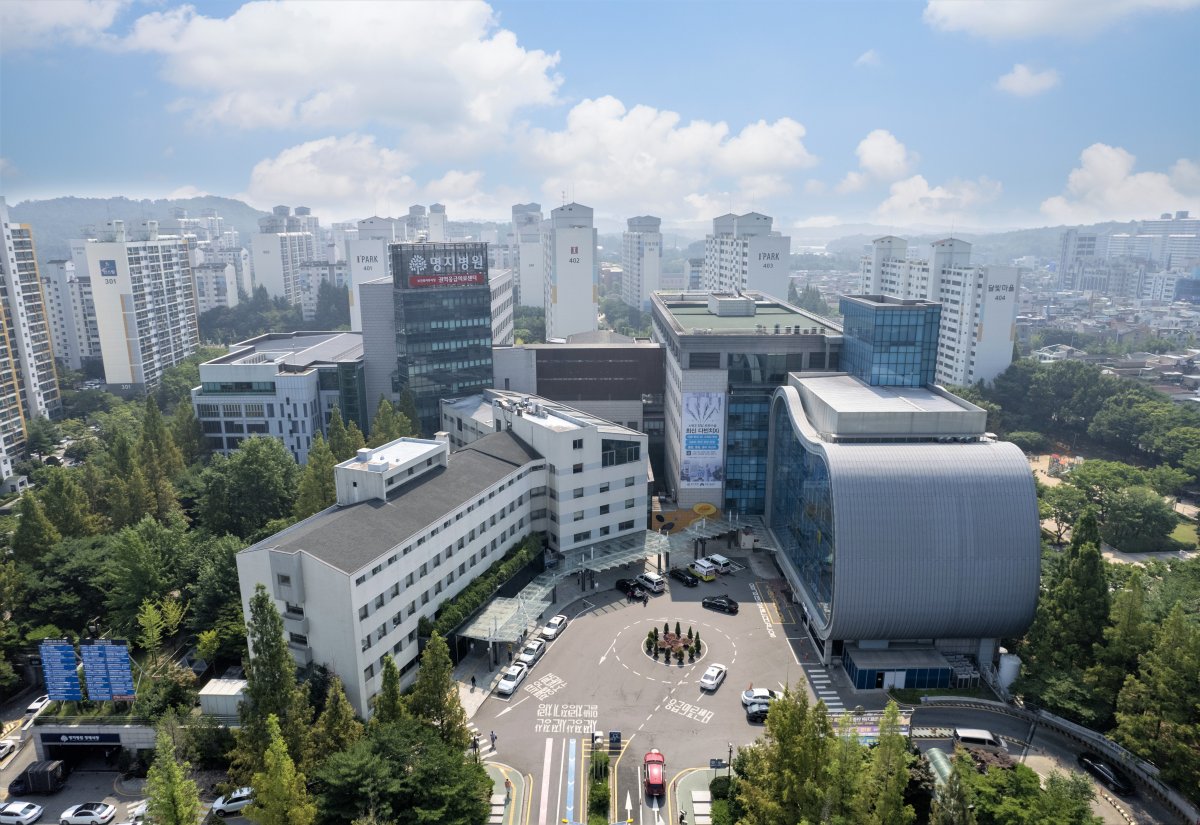
Bookimed Expert Insight. South Korean ENT departments offer significant value through high patient volumes. Naeun Hospital in Incheon treats 500,000 patients annually and is KOIHA accredited. Specialist packages there start around $4,000. Many surgeons, like those at Naeun Hospital, hold PhDs and US fellowships. This expertise ensures precise results in complex sinus cases without US-level costs.
| Republic of Korea | Turkey | Austria | |
|---|---|---|---|
| Nasal polyp surgery | from $4,000 | from $2,000 | ≈ $3,600 |
Discover the Best Nasal polyp surgery Clinics in Republic of Korea: 2 Verified Options and Prices
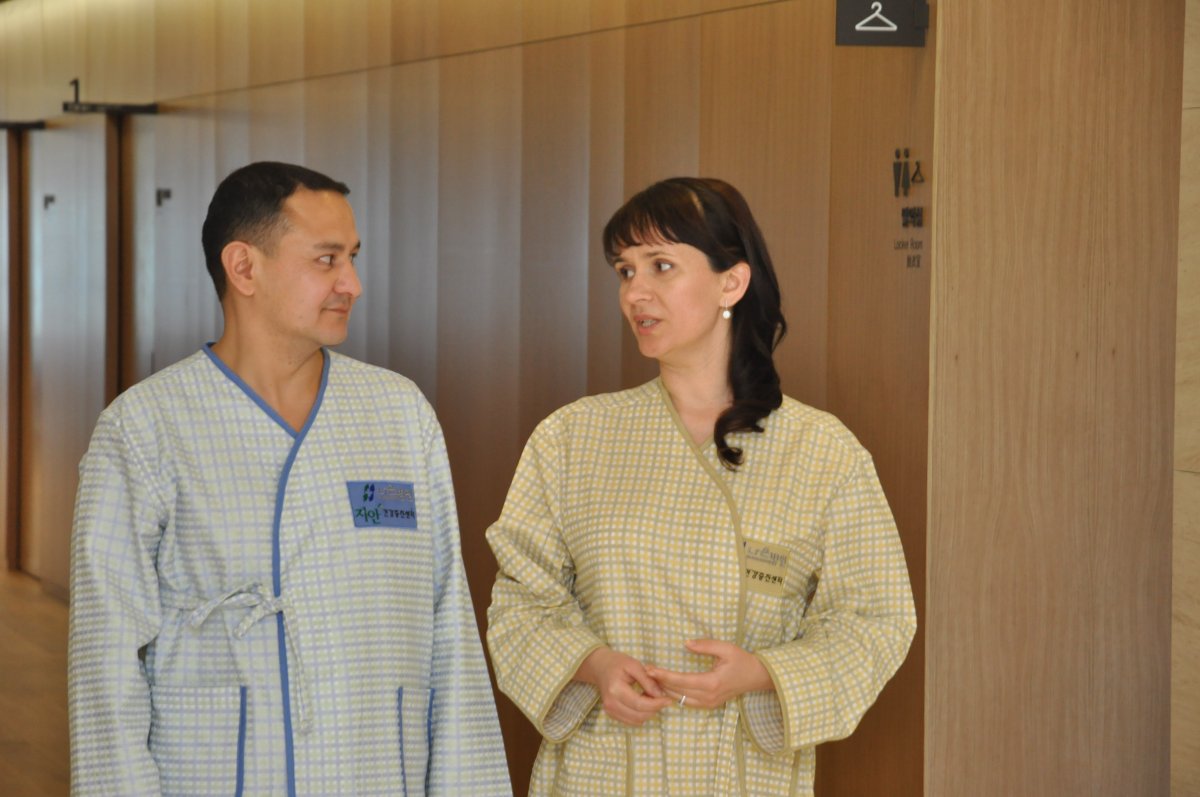

Nasal polyp surgery Overview in Republic of Korea
- Tonsillectomy - from $5,000The procedure involves removing the tonsils to alleviate issues like tonsillitis or sleep apnea, improving patient health.
- Trans-sphenoidal hypophysectomy (adenomectomy) - from $18,000This surgery removes pituitary tumors through the nose, with benefits including less pain and faster recovery.
- Nasal polyp surgery - from $4,000This operation removes benign growths in the nose, enhancing breathing and reducing sinus infection risk.
Day 1 - Arrival
- Arrive in the country and check into your accommodation.
- Transfer from the airport to the clinic is provided.
Day 2 - Pre-operation
- Meet with otolaryngologist for initial consultation.
- Undergo necessary medical tests including endoscopy.
- Discuss the surgery plan with your surgeon.
Day 3 - Surgery
- Nasal polyp surgery takes place under general anesthesia.
- The surgery usually lasts 1-2 hours, depending on complexity.
- Endoscopic sinus surgery is performed to remove polyps.
Day 4 - Post-operation
- Stay at the clinic for monitoring and recovery.
- Meet with your surgeon for a post-surgery consultation.
Day 5 - Discharge
- If well, you will be discharged from the clinic.
- Transfer from clinic to the airport is provided.
Week 1 - Rehabilitation
- Take prescribed medications and follow hygiene instructions.
- Avoid strenuous activities and blowing your nose hard.
Week 2 - Follow-up
- Follow-up with your local healthcare provider.
- Return to light activities and work, if possible.
Week 3 - Return to Normal Activities
- Gradually return to regular activities and sports.
- Final results should be visible within this time.
Please note that each case is individual and specific recovery times may vary.
- Bookimed deposit: $200 or €200.
- Clinic deposit: Pay a set percentage in advance.
Our Doctors
View all Doctors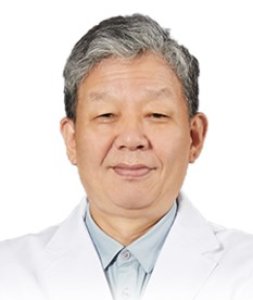
Kim Gyeonrae
Dr. Kim Gyeonrae, MD, PhD, is an otolaryngologist (ENT specialist). He is the Honorary Medical Director in the Department of Otolaryngology at Naeun Hospital. His clinical focus includes nasal disease, rhinosinusitis and chronic sinusitis, rhinitis, allergic rhinitis, and functional endoscopic sinus surgery (FESS).
Credentials: MMed, Hanyang University. PhD in Medicine, Wonkwang University. Fellowship training at the Medical College of Georgia and The Ohio State University College of Medicine (USA). Former Chief, Otolaryngology–Head and Neck Surgery, Eulji Hospital. Former Professor, College of Medicine, Hanyang University.
Leadership: Planning Director, Korean Society of Otorhinolaryngology–Head and Neck Surgery. Director of Publications and Auditor, Korean Rhinologic Society. Selected papers: Korean Journal of Otorhinolaryngology–Head and Neck Surgery 2009;52:816-821 and 2009;52:349-353.
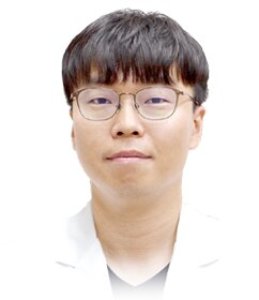
Kim Geonho
Dr. Kim Geonho is an ENT specialist and Head of Otolaryngology at Naeun Hospital. He treats tonsil and adenoid disease, sinusitis, and rhinitis. He also manages snoring and sleep apnea, voice changes from vocal cord disorders, salivary gland disease, and thyroid disorders.
He graduated from Hanyang University College of Medicine. He completed his internship, residency, and clinical fellowship in Otolaryngology at Hanyang University Hospital. He is the former Vice Director of Baro Clinic (ENT). He completed training through the Sleep Polysomnography Quality Control Committee. He is a regular member of the Korean Society of Otorhinolaryngology, the Korean Rhinologic Society, the Korean Otological Society, the Korean Society of Head and Neck Surgery, the Korean Society of Pediatric Otorhinolaryngology, and the Korean Society of Sleep and Breathing.
Video Stories from Bookimed Patients
Share this content
 Anna Leonova

FAQ about Nasal polyp surgery in Republic of Korea
Do I need a visa to South Korea?
Today, South Korea has visa-free agreements with 112 states. None visa is required for stays under 90 days or less. To stay longer in this country, you need a visa. What states need a visa for treatment in South Korea and what countries can cross the border free and easy read here.
What is the level of medicine in South Korea?
Healthcare is the key development sector of the Korean government. The Korean authorities are convinced that care for the citizens' health should be an absolute priority of state policy and spend about 1 billion a year for medical tourists attraction.
According to Mark Britnell, hospitals dominate the health system. 94% of hospitals are privately owned.
What are the most popular plastic surgery procedures?
According to ASPS statistics, 17.7 mln cosmetic surgeries and 5.8 mln reconstructive procedures have been performed in 2018. Among cosmetic procedures the most popular are:
- breast augmentation
- liposuction
- rhinoplasty (nose job)
- eyelid surgery
- tummy tuck.
Tumor removal, laceration repair, maxillofacial surgery, scar revision, hand surgery are the most common operations in the context of reconstructive surgery.
What documents are required to apply for a visa to South Korea for treatment?
Visas for travel to South Korea require a number of documents. The necessary papers can be submitted 90 days before the planned departure. Lists of documents includes:
- ID card
- confirmation of online registration and filling out the questionnaire
- certificate of income and availability of funds
- insurance policy for a stay in South Korea (original and copy)
- 2 photos (5x6)
- visa receipt
- booking of flight and hotel
- medical opinion about the need for treatment.
What should you know about South Korea before the trip?
Currency | South Korean Won (you also can pay for services in dollars) |
Best period for the trip | April, May & June or September, October & November. |
Language | Korean (most of medical staff speaks English fluently) |
Visa | none required for stays under 90 days or less |
Time difference with Europe | 9 hours |
Time difference with the USA | 9 hours |
Capital | Seoul |
Medical tourism center | Seoul |
Popular resorts | Gangwon-do, Gyeongju, Boseong, Jeju |
What hotel services are provided here?
In South Korea, hotels of different price ranges and service levels are presented. Most tourists choose 4 and 5 star hotels with all-inclusive meals. Such hotels have everything for a comfortable stay: varied food, a large well-groomed territory, animation for children and adults. Some hotels have their own water park, which guests can use for free. Budget travelers can afford to book an economical 3-star hotel with half board or no meals at all.