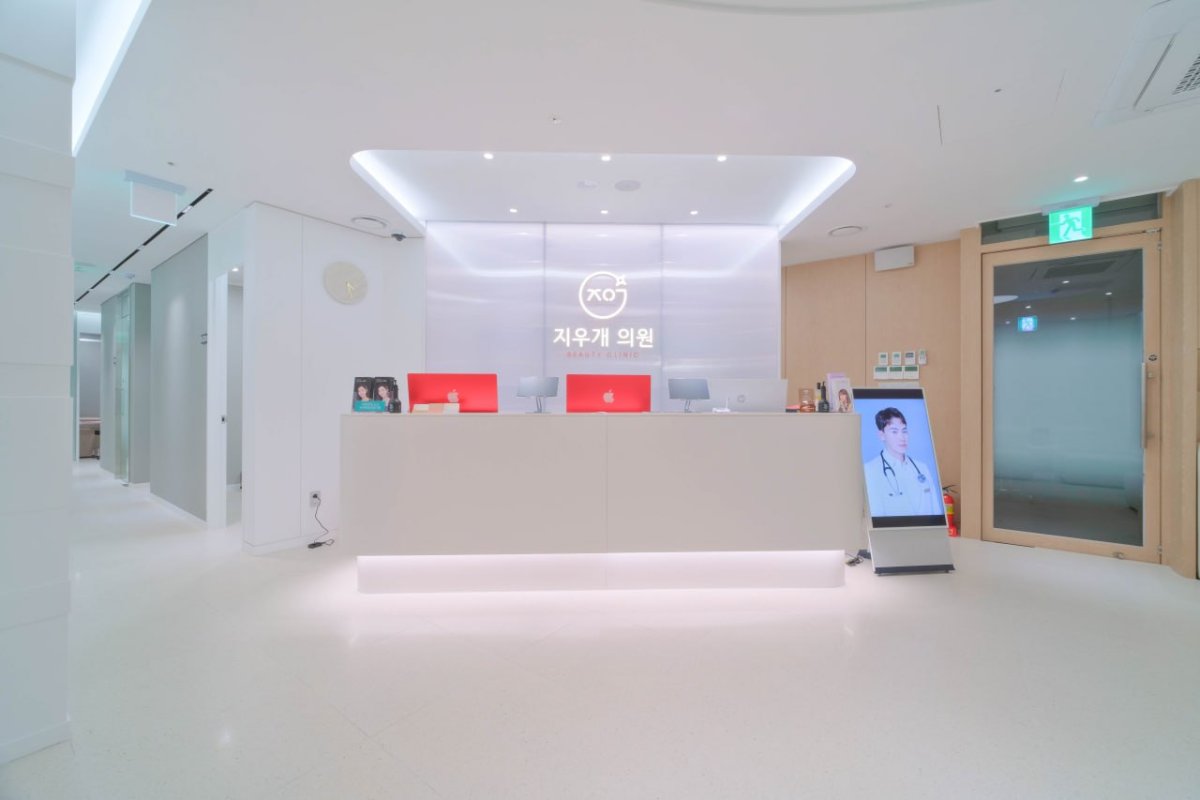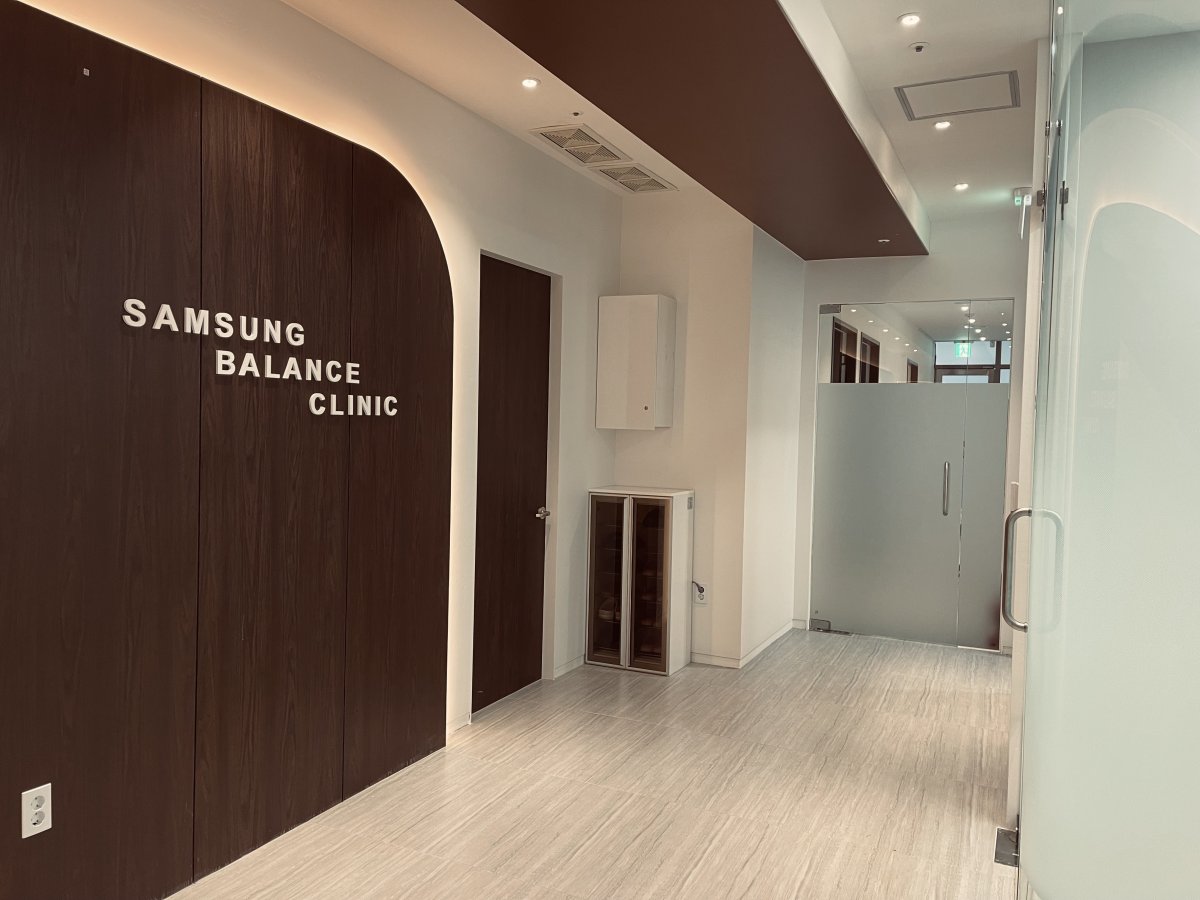
samsungbalance clinic
Republic of Korea, Seoul


Medically reviewed by
Fahad Mawlood
PRP facial in the Republic of Korea is estimated from $500 to $550. The final quote depends on blood volume, clinic tier, location, and add-ons such as microneedling or laser care. In the US, this procedure costs $800 on average; patients save around 34% compared with US pricing. A quote may cover PRP preparation and facial application; patients should confirm whether add-on care and applicable taxes are included.
| Republic of Korea | Turkey | The USA | |
|---|---|---|---|
| PRP Facial | from $500 | ≈ $150 | ≈ $600 |
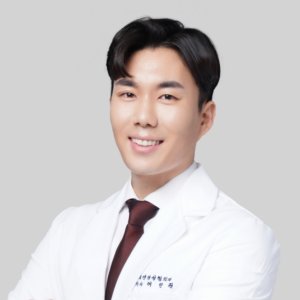

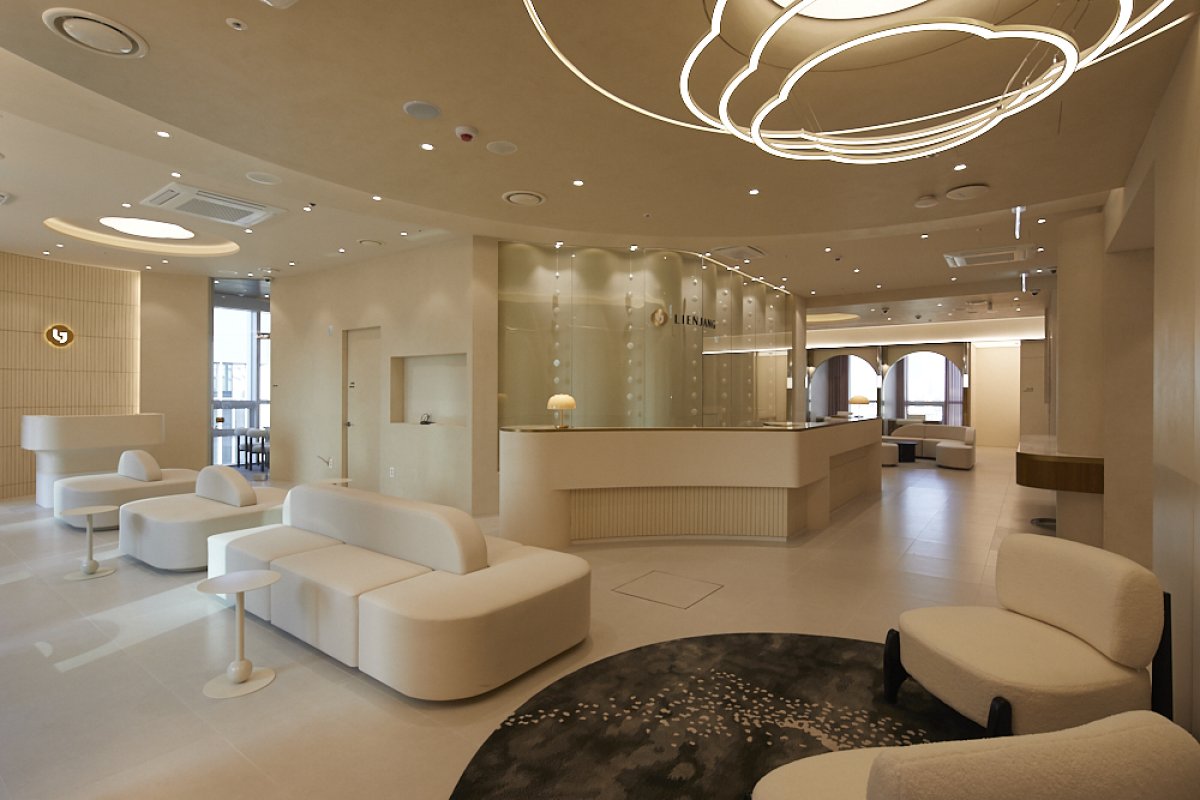
Dr. Yeo In Gwon is a board-certified dermatologist at Lienjang Plastic Surgery & Dermatology Center in Seoul. He graduated from Chung-Ang University College of Medicine. He completed a dermatology residency at Chung-Ang University Hospital. He earned a Ph.D. in Dermatology from Chung-Ang University College of Medicine.
He is a member of the Korean Dermatological Association, Korean Acne & Rosacea Society, Korean Society of Dermatologic Laser Surgery, Korean Society for Dermatologic Surgery, and Korean Society for Anti-Aging Dermatology. His clinical focus is medical and cosmetic dermatology. Areas of interest include acne, rosacea, pigmentation disorders, and skin aging. He provides evidence-based care and uses laser and minimally invasive procedures.
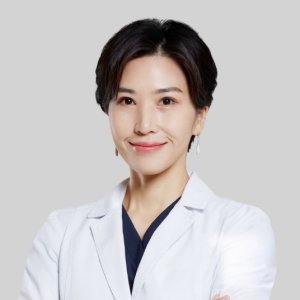
Dr. Cho Sung Hee is a physician at Lienjang Plastic Surgery & Dermatology Center in Seoul. She earned her medical degree from Seoul National University College of Medicine. She completed family medicine specialty training at Seoul National University Hospital, a leading academic medical center in Korea.
She is a member of the Korean Academy of Family Medicine, the Korean Academy of Obesity and Aesthetic Treatment, the Korean Society for the Study of Obesity, and the Korean Society for Dermatologic Laser Surgery.
Her clinical focus includes family medicine, aesthetic medicine, and obesity care. She provides evidence-based, safe, and personalized treatment. She uses advanced aesthetic procedures to improve health, skin quality, and confidence.
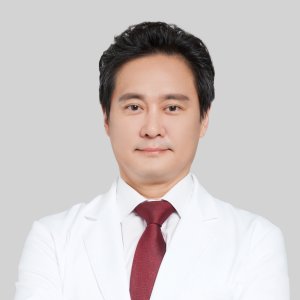
Dr. Jang Hyung Wook is a general surgeon with extensive experience in aesthetic medicine. He worked as a physician at Lienjang Hongdae and Abijou Myeongdong. He also served as Associate Medical Director at VIP Plastic Surgery.
He is an active member of several professional societies. These include the Korean Society of Aesthetic Plastic Surgery, the Aesthetic Surgery & Laser Society, the Korean Lifting Research Society, and the Korean Academy of Aesthetic Dermatology and Cosmetic Surgery.
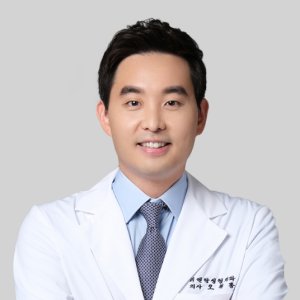
Dr. Oh Won Jong is a board-certified dermatologist at Lienjang Plastic Surgery & Dermatology Center in Seoul. He completed his dermatology residency at Chung-Ang University Hospital. His training covered diagnosis and treatment of varied skin diseases and aesthetic dermatology.
He is a member of the Korean Dermatological Association, the Korean Acne & Rosacea Society, and the Korean Society of Dermatologic Laser Surgery. He also belongs to the Korean Society for Dermatologic Surgery and the Korean Society for Anti-Aging Dermatology. These memberships help him stay current with clinical standards.
His practice focuses on medical and aesthetic dermatology. He provides personalized care for acne, rosacea, pigmentation disorders, and age-related concerns. He uses advanced lasers and evidence-based protocols.
 Anna Leonova

Today, South Korea has visa-free agreements with 112 states. None visa is required for stays under 90 days or less. To stay longer in this country, you need a visa. What states need a visa for treatment in South Korea and what countries can cross the border free and easy read here.
Healthcare is the key development sector of the Korean government. The Korean authorities are convinced that care for the citizens' health should be an absolute priority of state policy and spend about 1 billion a year for medical tourists attraction.
According to Mark Britnell, hospitals dominate the health system. 94% of hospitals are privately owned.
According to ASPS statistics, 17.7 mln cosmetic surgeries and 5.8 mln reconstructive procedures have been performed in 2018. Among cosmetic procedures the most popular are:
Tumor removal, laceration repair, maxillofacial surgery, scar revision, hand surgery are the most common operations in the context of reconstructive surgery.
Visas for travel to South Korea require a number of documents. The necessary papers can be submitted 90 days before the planned departure. Lists of documents includes:
Currency | South Korean Won (you also can pay for services in dollars) |
Best period for the trip | April, May & June or September, October & November. |
Language | Korean (most of medical staff speaks English fluently) |
Visa | none required for stays under 90 days or less |
Time difference with Europe | 9 hours |
Time difference with the USA | 9 hours |
Capital | Seoul |
Medical tourism center | Seoul |
Popular resorts | Gangwon-do, Gyeongju, Boseong, Jeju |
In South Korea, hotels of different price ranges and service levels are presented. Most tourists choose 4 and 5 star hotels with all-inclusive meals. Such hotels have everything for a comfortable stay: varied food, a large well-groomed territory, animation for children and adults. Some hotels have their own water park, which guests can use for free. Budget travelers can afford to book an economical 3-star hotel with half board or no meals at all.