Chemotherapy for liver cancer in Thailand: costs, clinics and reviews
Bookimed lists 2 chemotherapy for liver cancer clinics in Thailand, in Bangkok and Pattaya, including ISO-certified and JCI-accredited clinics. These clinics are rated 4.6/5 in 131 verified patient reviews on Bookimed.

Last updated: 11/13/2026
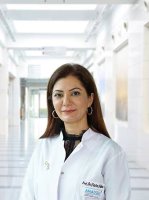
Medically reviewed by
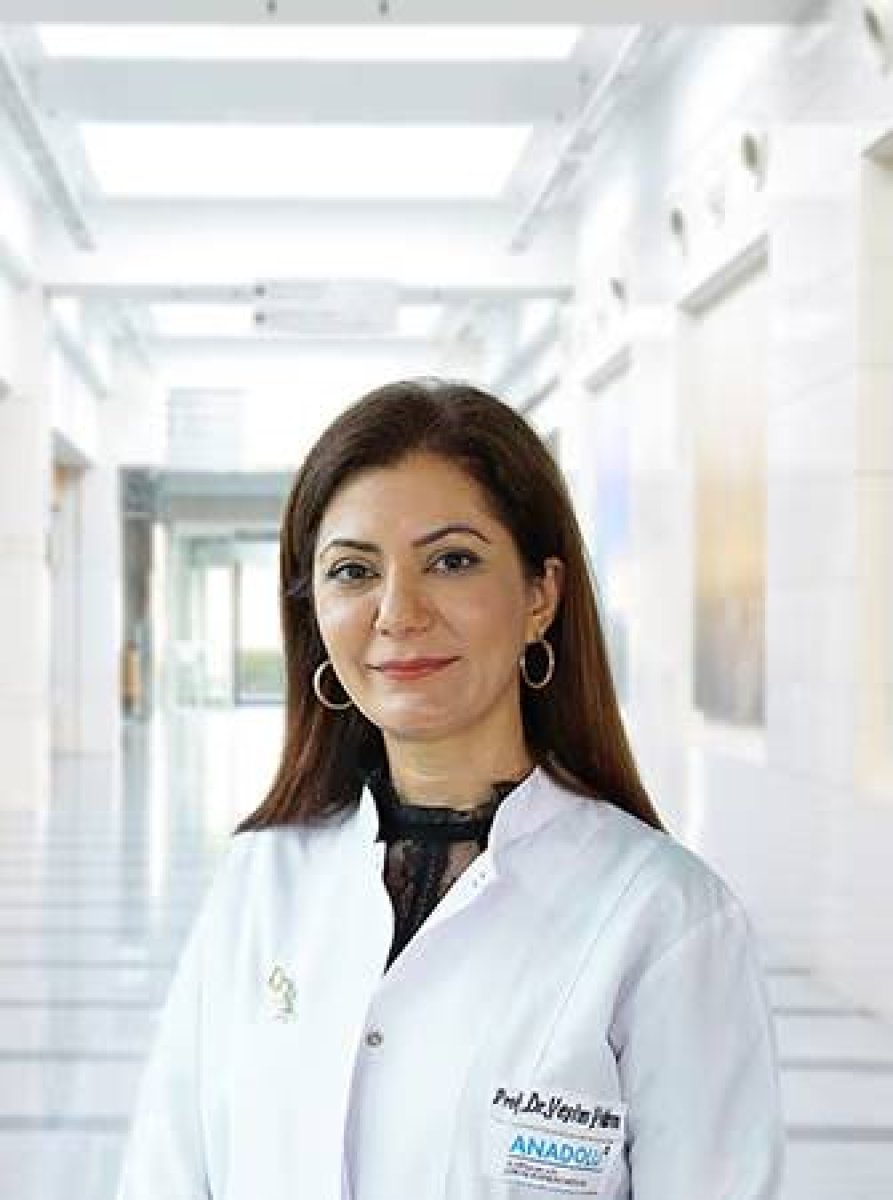
Yesim Yildirim
How it works
Bookimed is free for patients – clinics pay us a commission, and you pay the clinic its own price with no markup. Five steps to your chemotherapy for liver cancer in Thailand:
Share your case
Tell us about your liver cancer and share your latest scans and medical reports.
Get treatment plans
Your coordinator finds clinics that match your needs and helps you choose. Your preferred clinics then send personalized treatment plans and quotes for you to compare.
Plan your trip
We set treatment dates that work for you and help arrange your flights and accommodation.
Visit the clinic
Treatment may take several trips to the clinic. The clinic team starts chemotherapy for liver cancer on your first visit. We support you throughout your treatment.
Complete your treatment
Treatment usually takes 3–6 months and ends with a review of your scans. Your coordinator stays in touch and helps arrange a follow-up if you need one.
Some clinics ask for a deposit. A $200 or €200 deposit paid through Bookimed comes off your clinic bill and is refundable up to 10 calendar days before your visit. A deposit paid to the clinic follows its own terms.
Chemotherapy for liver cancer Prices by Clinic in Thailand









Get matched with the best doctors for Chemotherapy for liver cancer
Tell us about your needs — and get 3 tailored offers from top doctors for you.
Do you have any medical records related to your issue?
Direct prices from clinics
Free evaluation of your medical case
Free personal assistance 24/7
Thailand Chemotherapy for liver cancer overview
Cost and clinics
| Typical chemotherapy for liver cancer price in Thailand | Clinics | Accreditations | Cities |
|---|---|---|---|
| $3,500 / ฿119,000–$6,000 / ฿204,000 | 2 clinics | ISO (2 clinics), JCI (2), GHA (1), TEMOS (1) | Bangkok (0 clinic), Pattaya (0) |
The procedure
| Before the trip | Time in Thailand | Time per infusion | Anesthesia | Back to desk work | Final result per course |
|---|---|---|---|---|---|
| Prepare with blood tests, imaging, infection screening, medication review, and antiemetics | 4–6 visits (4-6 cycles every 2-3 weeks, depending on regimen and tolerance.) (first trip 2–4 days, including 1–3 nights in hospital) | 2–6 hours | None | 3–7 days | 3–6 months |
How much does a Chemotherapy for liver cancer cost in Thailand?
Chemotherapy for liver cancer in Thailand typically costs from $3,500 / ฿119,000 to $6,000 / ฿204,000. Total expenses depend on the specific drug regimen, the number of cycles, and whether the clinic is a top-tier private facility.
| Thailand | Turkey | Austria | |
|---|---|---|---|
| Chemotherapy for liver cancer | ≈ $3,500 / ฿119,000 | from $3,000 / ฿102,000 | ≈ $6,500 / ฿221,000 |
How to choose a Chemotherapy for liver cancer clinic in Thailand
For chemotherapy for liver cancer in Thailand, narrow clinic choices by location, meet the doctor who will treat you, assess clinic standards, and arrange aftercare.
What to check
Clinic shortlist
Bookimed lists 2 clinics for chemotherapy for liver cancer in Thailand – top-ranked clinics are in Bangkok and Pattaya.Treatment match
At a consultation, discuss your medical history and questions, confirm the clinician you meet will personally carry out the needed chemotherapy, and ask about possible complications.Credentials and facility
Ask whether the doctor is licensed by the Medical Council of Thailand – also ask if the clinic meets acceptable standards for care.Home handoff
Before booking, identify who will handle aftercare and how medical notes will reach them once you are home, so follow-up can continue.
Discover Chemotherapy for liver cancer Clinics in Thailand
| Clinic Name | Patient Rating | About | Accreditations | Lead Doctor | Techniques |
|---|---|---|---|---|---|
| Bumrungrad International Hospital Bangkok | 4.6 (131 reviews) | Bumrungrad International Hospital treats over 1 million patients annually, including many international cases. The oncology department specializes in liver cancer chemotherapy with advanced protocols. Dr. Yongyut Sirivatanauksorn, an oncosurgeon with expertise in gastrointestinal tract cancers, contributes to the multidisciplinary approach. The hospital ranks among Southeast Asia's top private centers with world-class facilities. | ISO, JCI, GHA | CT (computer tomography), PET/CT | |
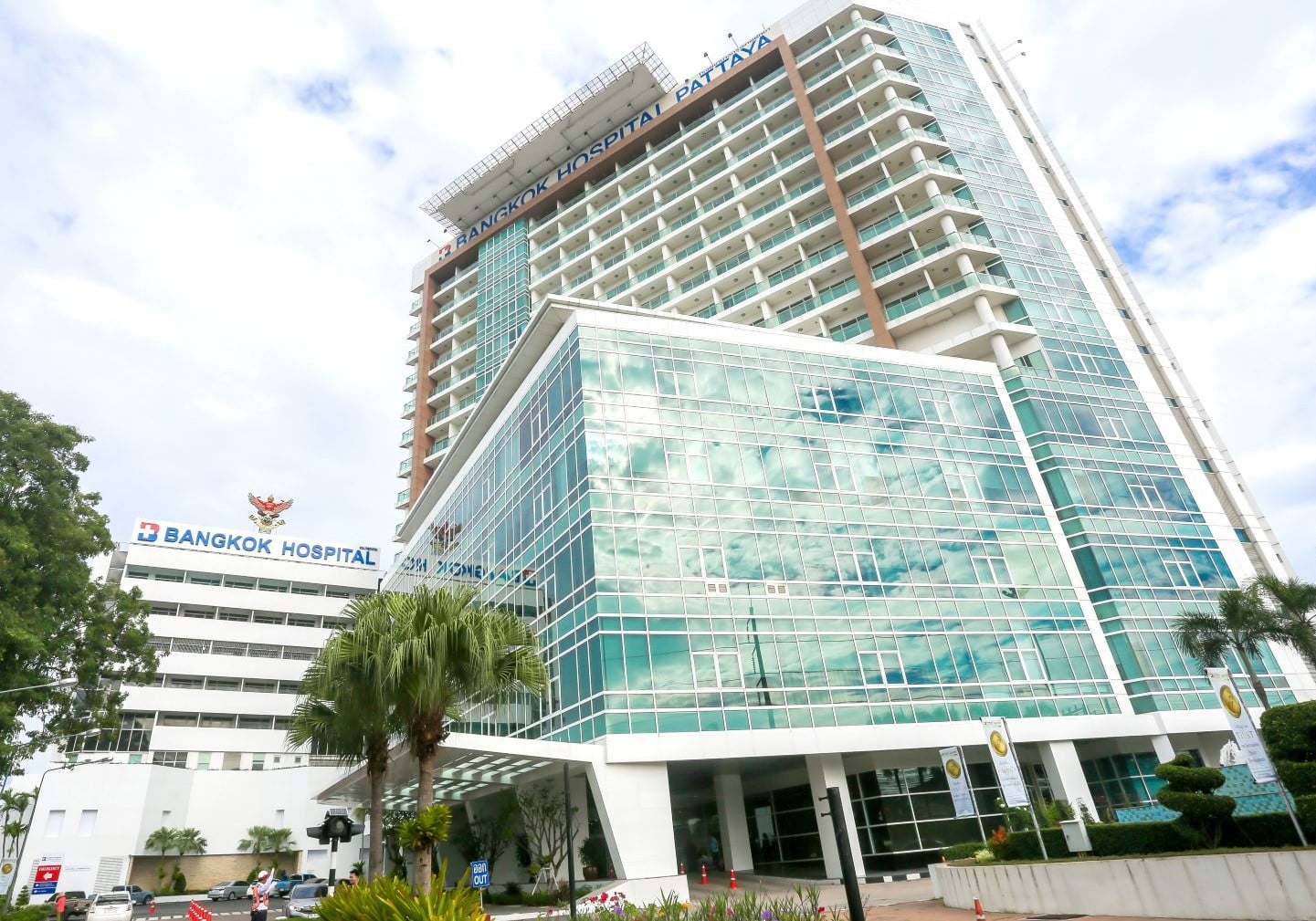
| Bangkok Hospital Pattaya Pattaya | 4.0 | Forty percent of international medical tourists pick Bangkok Hospital Pattaya. It treats over 400,000 patients yearly from 150 countries and holds JCI accreditation. Part of the Bangkok Dusit Medical Services group, its top specialties are cardiology and cosmetic surgery. Heart Center performs coronary bypass surgery without a heart-lung machine. Received the Prime Minister's Export Award for services to international patients. Digital Mammogram with Tomosynthesis offers 2D and 3D breast imaging in 10 seconds with less pain. 128-Slice CT scans coronary arteries in 4 seconds with 90% accuracy. Accredited by TEMOS and certified under ISO 9001 by TÜV NORD. | JCI, ISO, TEMOS | — | — |
Our Doctors
View all Doctors
Yongyut Sirivatanauksorn
Dr. Yongyut Sirivatanauksorn is a surgical oncologist at Bumrungrad International Hospital in Bangkok. He treats cancers of the digestive system, including pancreatic, liver, and stomach cancer. He works at a hospital that treats over 1 million patients annually, holds JCI accreditation, and was named among the World’s Best Hospitals by Newsweek.
- Performs surgeries including liver resection and small intestine resection.
- Treats gastrointestinal malignancies such as gallbladder and colon cancer.
- Works at a center accredited by the Global Healthcare Accreditation Program.
- Specializes in surgery for sigmoid adenocarcinoma and rectal resection.
Where to get a Chemotherapy for liver cancer in Thailand
In Thailand, Bangkok and Pattaya each have 0 clinics and 0 clinics, respectively. Bangkok may suit patients who want airport options, with Suvarnabhumi Airport 25 km from central Bangkok and Don Mueang Airport 24 km away.
Chemotherapy for liver cancer recovery timeline: what to expect week by week
You can usually fly home 2–4 days after each cycle, once side effects are controlled and blood counts are acceptable, with your doctor's approval. You may return to work in 3–7 days, depending on treatment side effects, fatigue, and liver function, and may need reduced hours. Light exercise can often resume after 1–2 weeks as tolerated, while strenuous activity depends on fatigue and blood counts. Your final result is expected in 3–6 months, with response imaging after 2–3 cycles and a final assessment after about 4–6 cycles.
Infusion day
Your chemotherapy is given through a vein with premedication, followed by several hours of observation. The infusion may feel mildly uncomfortable, so do not drive afterward or drink alcohol.
Days 1–7
Nausea, fatigue, and appetite loss are common, and supportive medication is given. Avoid crowds and sick contacts, and fly home after 2–4 days only when side effects are controlled and blood counts are acceptable, with your doctor's approval.
Weeks 1–3
Your blood counts reach their lowest point, then recover before the next cycle. Avoid strenuous exercise during this low-count period, and have blood counts and liver function checked 7–14 days between cycles, sometimes locally.
After cycle completion
Imaging checks how the cancer is responding, and your team uses the results to decide on further treatment. A contrast CT or MRI may assess response after about 2–3 cycles.
When to contact your clinic: Contact your clinic if you develop a fever or chills, or notice heavy bleeding or bruising. Get emergency care for breathing trouble or chest pain.
Traveling to Thailand for a Chemotherapy for liver cancer
Chemotherapy for liver cancer in Thailand: Video Reviews from Bookimed Patients
Thailand Chemotherapy for liver cancer Reviews at Bookimed: Discover Patients' Insights
View allShare this content
 Anna Leonova
FAQ about Chemotherapy for liver cancer in Thailand
Is chemotherapy commonly used for all types of liver cancer?
Chemotherapy is not the primary treatment for most common liver cancers. Hepatocellular carcinoma (HCC) often resists systemic drugs. Physicians in Thailand typically prioritize immunotherapy, targeted therapies, or local treatments like chemoembolization. However, chemotherapy remains a standard first-line option for bile duct and metastatic liver cancers.
- Treatment resistance: Hepatocellular carcinoma shows poor response rates between 10% and 20% globally.
- Secondary cancers: Chemotherapy effectively treats metastatic tumors spreading from the colon or lungs.
- Targeted delivery: Surgeons use transarterial chemoembolization (TACE) to inject drugs directly into tumors.
- Metastatic success: Targeted regimens like FOLFOX achieve 40% tumor shrinkage for certain metastases.
Bookimed Expert Insight: Thai centers like Bumrungrad International Hospital utilize a multimodal approach for complex cases. They often combine local ablation with systemic targeted therapies rather than traditional chemotherapy. This strategy preserves liver function while managing advanced HCC stages more effectively. Top-tier facilities in Bangkok leverage JCI-accredited protocols to minimize systemic toxicity during treatment.
Patient Consensus: Patients emphasize confirming the specific tumor pathology before starting treatment. Many reported that second opinions revealed more effective non-chemo alternatives like sorafenib for HCC.
What are the primary ways chemotherapy is delivered in Thailand?
Primary chemotherapy delivery in Thailand includes intravenous infusion, transarterial chemoembolization (TACE), and hepatic artery infusion pumps. Leading JCI-accredited facilities in Bangkok and Pattaya utilize these systemic and targeted methods to treat liver cancer, often reducing hospital stays to 1–2 days compared to traditional inpatient protocols.
- Intravenous infusion: Standard systemic delivery typically takes 1 to 4 hours per cycle.
- TACE procedure: Interventional radiologists inject drugs directly into liver tumors to block blood supply.
- Hepatic pumps: Implantable devices deliver high-dose medication directly into the hepatic artery.
- Radioembolization (TARE): Specialized centers use Y-90 microspheres to combine radiation with targeted chemical delivery.
Bookimed Expert Insight: Data from top-tier clinics like Bumrungrad International Hospital shows a shift toward outpatient-focused care. While US patients often face high costs, Thailand offers these advanced delivery methods at significant savings. Some facilities manage over 1 million patients annually, ensuring surgeons maintain high proficiency in complex TACE and TARE procedures.
Patient Consensus: Many patients find TACE a effective alternative for inoperable cases. It often results in less nausea and faster mobility compared to systemic intravenous chemotherapy.
What common chemotherapy drugs are used for liver cancer in Thai hospitals?
Thai hospitals treat liver cancer using systemic chemotherapy regimens like FOLFOX and GEMOX, often combining them with targeted therapies or localized procedures. Leading JCI-accredited centers such as Bumrungrad International Hospital utilize 5-Fluorouracil, Cisplatin, Doxorubicin, and Oxaliplatin to manage advanced hepatocellular carcinoma and cholangiocarcinoma.
- Standard regimens: Thai oncologists frequently prescribe FOLFOX and gemcitabine-based combinations for advanced stages.
- TACE drugs: Doxorubicin is commonly delivered directly via Transarterial Chemoembolization for localized tumors.
- Targeted alternatives: Doctors prioritize Sorafenib or Lenvatinib over traditional chemo based on liver function.
- Advanced support: Private facilities include high-grade anti-emetic medications to manage chemotherapy-induced side effects.
Bookimed Expert Insight: Data from top-tier Bangkok clinics shows a shift toward combining systemic drugs with interventional oncology. Centers like Bumrungrad International Hospital utilize multidisciplinary teams to pair chemotherapy with Y-90 radioembolization. This integrated approach often yields better tumor control than using systemic chemotherapy as a standalone treatment.
Patient Consensus: Patients emphasize the importance of early liver function testing to determine if they qualify for systemic chemotherapy. Many survivors noted that private hospitals provide faster access to newer targeted drug combinations compared to public facilities.
How long should I plan to stay in Thailand for chemotherapy treatment?
Patients should plan to stay in Thailand for 8 to 12 weeks to complete initial chemotherapy cycles for liver cancer. Most regimens involve 4 to 8 cycles, with each cycle lasting 2 to 4 weeks, plus 7 days for diagnostic workups at JCI-accredited facilities.
- Treatment cycles: Standard infusions occur every 3 weeks, requiring 1–2 days per hospital visit.
- Initial workup: Expect 5–7 days for baseline CT scans and oncology consultations upon arrival.
- Recovery buffer: Factor in 4–6 weeks for physical recovery after completing the final session.
- Visa requirements: Apply for a 1-year Medical Treatment Visa for stays exceeding 90 days.
Bookimed Expert Insight: Data from major hubs like Bangkok and Pattaya shows that liver cancer patients often undergo chemoembolization. This combined approach usually requires 2–3 months total stay. Clinics like Bumrungrad International Hospital manage high international volumes, so securing medical invitation letters early is essential for 90-day visa extensions.
Patient Consensus: Patients emphasize planning for 8 or more weeks to manage potential infections or neutropenia. Many advise avoiding flights for 10 days post-infusion to minimize blood clot risks during recovery.
Last review: 11/13/2026
Yesim Yildirim — 20 years of experience Medical oncologist, ESMO certified
Have a question about Chemotherapy for liver cancer in Thailand?
Ask a Bookimed medical coordinator about prices, clinics, techniques or your case. Write to us in the messenger you already use.
- Direct prices from clinics
- Free evaluation of your medical case
- Free personal assistance 24/7
Ask your question in a messenger
Tap a messenger to open a chat with a Bookimed medical coordinator.
Free and without obligation · Terms of use · Privacy policy