Chemotherapy for prostate cancer in Thailand: costs, clinics and reviews
Bookimed lists 2 chemotherapy for prostate cancer clinics in Thailand, in Bangkok and Pattaya, including ISO-certified and JCI-accredited clinics. These clinics are rated 4.6/5 in 131 verified patient reviews on Bookimed.

Last updated: 11/13/2026

Medically reviewed by
Yesim Yildirim
How it works
Bookimed is free for patients – clinics pay us a commission, and you pay the clinic its own price with no markup. Five steps to your chemotherapy for prostate cancer in Thailand:
Share your case
Tell us about your prostate cancer and share your recent test results and scans.
Get treatment plans
Your coordinator finds clinics that match your needs and helps you choose. Your preferred clinics then send personalized treatment plans and quotes for you to compare.
Plan your trip
We set treatment dates that work for you and help arrange your flights and accommodation.
Visit the clinic
The clinic team starts your chemotherapy for prostate cancer on the agreed dates. We support you throughout your trip.
Back home
You can fly home 2–5 days after each infusion, and results come in 4–6 months. Your coordinator stays in touch and helps arrange a follow-up if you need one.
Some clinics ask for a deposit. A $200 or €200 deposit paid through Bookimed comes off your clinic bill and is refundable up to 10 calendar days before your visit. A deposit paid to the clinic follows its own terms.
Chemotherapy for prostate cancer Prices by Clinic in Thailand










Get matched with the best doctors for Chemotherapy for prostate cancer
Tell us about your needs — and get 3 tailored offers from top doctors for you.
Do you have any medical records related to your issue?
Direct prices from clinics
Free evaluation of your medical case
Free personal assistance 24/7
Thailand Chemotherapy for prostate cancer overview
Cost and clinics
| Typical chemotherapy for prostate cancer price in Thailand | Clinics | Accreditations | Cities |
|---|---|---|---|
| $6,500 / ฿221,000–$12,500 / ฿425,000 | 2 clinics | ISO (2 clinics), JCI (2), GHA (1), TEMOS (1) | Bangkok (0 clinic), Pattaya (0) |
The procedure
| Before the trip | Time in Thailand | Nights in hospital | Operation time | Anesthesia | Back to desk work | Final result per course |
|---|---|---|---|---|---|---|
| Get oncology assessment and tests before each cycle | 6 visits over several weeks (first trip 2–5 days) | None (outpatient procedure) | 2–4 hours | None | 3–7 days | 4–6 months |
How much does a Chemotherapy for prostate cancer cost in Thailand?
Chemotherapy for prostate cancer in Thailand ranges from $6,500 / ฿221,000 to $12,500 / ฿425,000. Final costs depend on the drug protocol, hospital tier, and number of cycles.
| Thailand | Turkey | Austria | |
|---|---|---|---|
| Chemotherapy for prostate cancer | ≈ $6,500 / ฿221,000 | from $1,500 / ฿51,000 | ≈ $4,500 / ฿153,000 |
How to choose a Chemotherapy for prostate cancer clinic in Thailand
For chemotherapy for prostate cancer in Thailand, first compare clinic locations, then discuss the plan with the doctor, confirm qualifications and facility standards, and arrange communication and aftercare before booking.
What to check
Choose a city
Bookimed lists 2 clinics for chemotherapy for prostate cancer in Thailand, with top-ranked ones in Bangkok and Pattaya.Check clinical fit
Before booking, talk through treatment and travel risks with the physician, and confirm their experience treating your condition.Check oversight
Ask whether the physician is licensed by the Medical Council of Thailand, whether the clinic has recognized accreditation, and whether it explains patient rights and responsibilities.Prepare follow-up
Read patient comments about the physician, care, and trip, not just the score – arrange communication and aftercare at home before traveling.
Discover Chemotherapy for prostate cancer Clinics in Thailand
| Clinic Name | Patient Rating | About | Accreditations | Lead Doctor | Techniques |
|---|---|---|---|---|---|
| Bumrungrad International Hospital Bangkok | 4.6 (131 reviews) | Dr. Kittinut Kijvikai specializes in prostate cancer treatment with expertise in robotic-assisted prostatectomy and research on neoadjuvant androgen deprivation therapy. Bumrungrad International Hospital treats over 1 million patients annually from 190+ countries and ranks among the top hospitals in Southeast Asia. The facility operates a dedicated oncology department with advanced treatment options. | ISO, JCI, GHA | CT (computer tomography), PET/CT | |
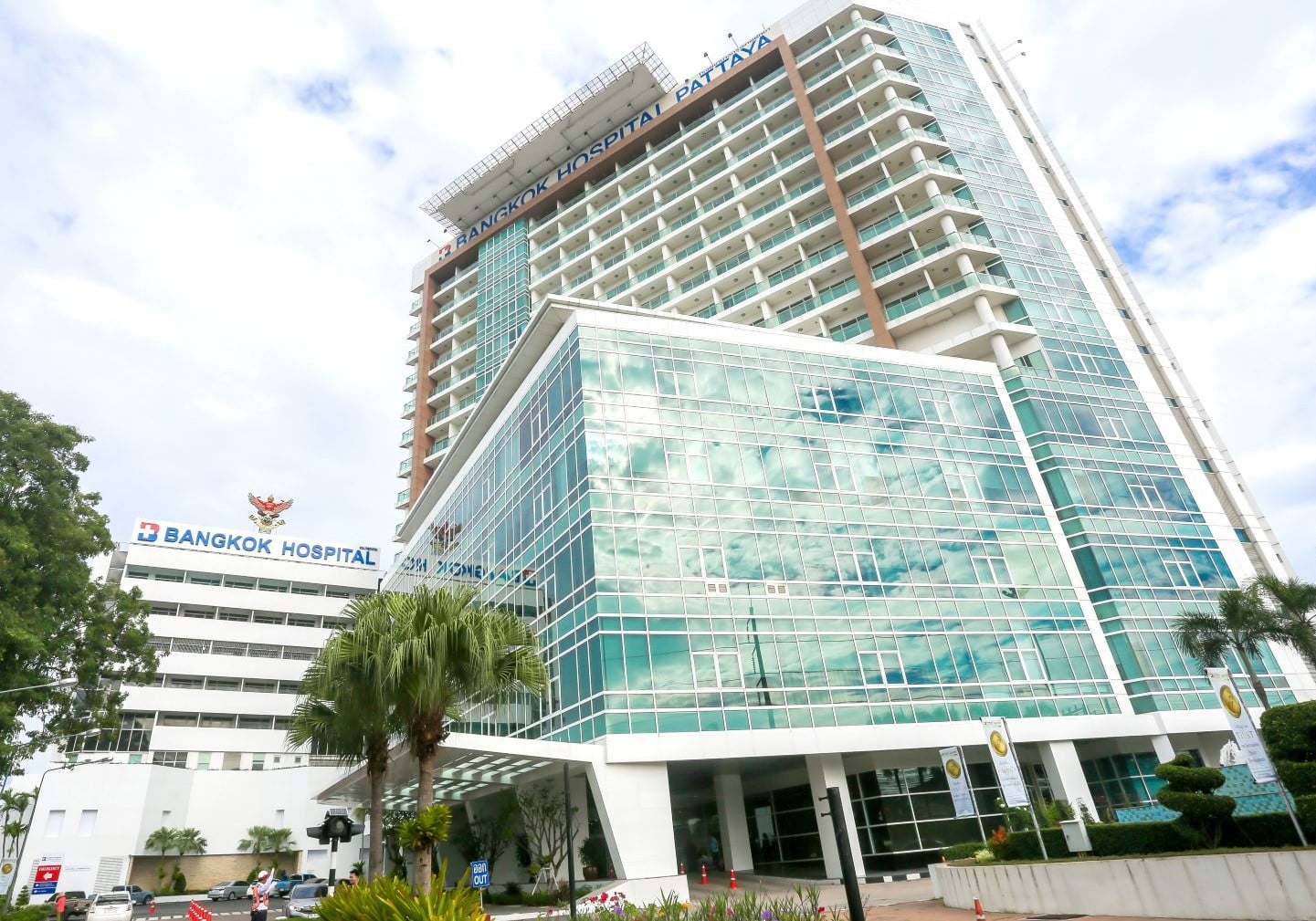
| Bangkok Hospital Pattaya Pattaya | 4.0 | Forty percent of international medical tourists pick Bangkok Hospital Pattaya. It treats over 400,000 patients yearly from 150 countries and holds JCI accreditation. Part of the Bangkok Dusit Medical Services group, its top specialties are cardiology and cosmetic surgery. Heart Center performs coronary bypass surgery without a heart-lung machine. Received the Prime Minister's Export Award for services to international patients. Digital Mammogram with Tomosynthesis offers 2D and 3D breast imaging in 10 seconds with less pain. 128-Slice CT scans coronary arteries in 4 seconds with 90% accuracy. Accredited by TEMOS and certified under ISO 9001 by TÜV NORD. | JCI, ISO, TEMOS | — | — |
Our Doctors
View all Doctors
Kittinut Kijvikai
Dr. Kittinut Kijvikai is a specialized urologist at Bumrungrad International Hospital in Bangkok. He focuses on robotic-assisted surgery for prostate and bladder cancer. Dr. Kijvikai performs robotic da Vinci prostatectomy, nephrectomy, and cystectomy. He works at a TOP-10 global hospital recognized for robotic surgery technology.
- Specializes in neoadjuvant androgen deprivation therapy to improve prostate cancer outcomes.
- Authored multiple research studies on robotic-assisted surgical techniques for bladder cancer.
- Performs robotic-assisted cystectomy with intra-corporeal urinary diversion.
- Treats complex urological conditions including urolithiasis and kidney cancer.
Where to get a Chemotherapy for prostate cancer in Thailand
Bangkok and Pattaya have equal clinic counts for chemotherapy for prostate cancer in Thailand. For an urban stay, Bangkok offers two arrival options: Don Mueang Airport, about 24 km from downtown, and Suvarnabhumi Airport, about 30 km from downtown.
Chemotherapy for prostate cancer recovery timeline: what to expect week by week
You can usually fly home 2–5 days after each infusion if you feel well and have no fever, but avoid travel during days 7–14. You may return to desk work in 3–7 days per cycle, though reduced hours or leave may help during days 1–7 and the blood-count low point. You can continue light activity, such as walking, between cycles, while strenuous exercise depends on fatigue, blood counts, and neuropathy. Final results are generally available in 4–6 months, with PSA, symptoms, and imaging reviewed after treatment.
Infusion day
You’ll receive an outpatient infusion with hypersensitivity monitoring and go home the same day. Arrange transport if premedication makes you drowsy.
Days 1–7 after each cycle
Fatigue, nausea, aches, and appetite loss are common, so rest as needed. If you feel well and have no fever, you can usually fly home 2–5 days after infusion.
Days 7–14 after each cycle
Your blood counts usually reach their lowest point during this phase, which brings the highest infection risk. Avoid sick contacts while your counts are low.
Days 14–21
Your blood counts and energy generally recover before the next cycle, following the days 7–14 period when counts are lowest and infection risk is highest.
When to contact your clinic: Contact your clinic for fever, chills, or other signs of infection. Call your clinic for severe diarrhea, uncontrolled vomiting, or difficulty breathing. For chest pain or sudden breathlessness after a long flight, seek emergency help locally.
Traveling to Thailand for a Chemotherapy for prostate cancer
Chemotherapy for prostate cancer in Thailand: Video Reviews from Bookimed Patients
Thailand Chemotherapy for prostate cancer Reviews at Bookimed: Discover Patients' Insights
View allShare this content
 Anna Leonova
FAQ about Chemotherapy for prostate cancer in Thailand
Which hospitals in Thailand are recommended for prostate cancer chemotherapy?
Recommended hospitals for prostate cancer chemotherapy in Thailand include Joint Commission International-accredited facilities like Bumrungrad International Hospital and Bangkok Hospital. These centers feature specialized oncology departments, such as the Horizon Regional Cancer Center, offering docetaxel and cabazitaxel regimens administered by multidisciplinary tumor boards.
- Bumrungrad International: Features 1,300 doctors and treats 1 million patients annually across 70 departments.
- Bangkok Hospital: Operates the dedicated Wattanosoth Cancer Hospital for specialized systemic and hormone therapies.
- MedPark Hospital: Utilizes advanced genetic screening to personalize chemotherapy and manage potential drug resistance.
- Samitivej Sukhumvit: Offers integrated oncology care including chemotherapy, immunotherapy, and targeted molecular treatments.
Bookimed Expert Insight: While many seek low costs, the real value in Thailand is access. Bumrungrad International Hospital serves patients from 190 countries and maintains a 4.6 rating. Their massive patient volume often ensures chemotherapy drugs remain in stock. This avoids the import delays sometimes seen at smaller regional clinics.
Patient Consensus: Patients emphasize that while costs are lower, selecting an oncologist experienced in hormone-resistant cases is vital. Many suggest arranging a virtual consultation first to evaluate communication before traveling.
When is chemotherapy typically recommended for prostate cancer?
Chemotherapy is primarily recommended for advanced, metastatic prostate cancer that has spread beyond the prostate gland. It is typically reserved for cases resistant to hormone therapy (mCRPC) or newly diagnosed metastatic disease to improve survival and manage symptoms like bone pain.
- Hormone resistance: Standard for cancer progressing despite androgen deprivation therapy (ADT).
- Metastatic disease: Combined with hormones for newly diagnosed cancer spread to organs.
- Symptom relief: Used palliatively to shrink tumors and reduce severe bone metastasis pain.
- Aggressive variants: Required for rare, fast-growing small cell or neuroendocrine prostate cancers.
Bookimed Expert Insight: Thai centers like Bumrungrad International Hospital utilize advanced digital imaging to monitor tumor response. Data shows patients often transition to chemotherapy only after months or years of hormone therapy. Choosing JCI-accredited facilities in Thailand can save patients up to 55% compared to US costs.
Patient Consensus: Many patients feel surprised that chemotherapy is rarely a first-line treatment at diagnosis. They emphasize discussing quality-of-life trade-offs, as treatment often focuses on extending life rather than providing a cure.
What are the common side effects reported by patients in Thailand?
Common patient-reported side effects for prostate cancer chemotherapy in Thailand include severe fatigue, nausea, and appetite loss typically peaking 2–4 days post-infusion. Clinical data and patient experiences highlight skin reactions, peripheral neuropathy, and cognitive fog as significant challenges during treatment in JCI-accredited facilities like Bumrungrad International Hospital.
- Physical fatigue: Patients often experience energy crashes 3–5 days after their treatment cycles.
- Gastrointestinal distress: Nausea and metallic tastes are frequent, alongside alternating constipation and diarrhea.
- Neurological effects: Numbness or tingling in extremities can worsen cumulatively with each session.
- Infection risk: Low white blood cell counts may lead to unexpected hospitalizations for fevers.
Bookimed Expert Insight: While many focus on clinical symptoms, Thailand's intense heat and humidity significantly amplify the perception of treatment-related fatigue. Data from high-volume centers like Bumrungrad International Hospital, which treats over 1 million patients annually, suggests that managing hydration is more critical here than in cooler climates to prevent severe energy drops.
Patient Consensus: Many patients describe hitting a wall a few days after infusion and advise arranging help for days 3–5. They emphasize requesting preventive anti-nausea meds early and monitoring even low-grade fevers aggressively during recovery.
How does the success rate compare to other regions?
Chemotherapy success rates for prostate cancer in Thailand mirror global benchmarks, with objective response rates for advanced cases reaching 30% to 40%. Leading JCI-accredited facilities like Bumrungrad International Hospital utilize international protocols, achieving PSA level drops of 50% to 90% in hormone-sensitive patients, consistent with major Western clinical trials.
- PSA response: Patients frequently observe a 50% to 90% initial reduction in PSA levels.
- Global alignment: Thai oncology protocols align with ASCO and CHAARTED study clinical benchmarks.
- Technology access: Clinics integrate AI and digital imaging to monitor chemo-induced tumor shrinkage.
- Accreditation impact: JCI-certified hospitals ensure standardized dosing and safety comparable to US centers.
Bookimed Expert Insight: While success rates are statistically similar to Western regions, the volume of international patients at Bumrungrad International Hospital is a key differentiator. Treating 50% international patients creates an `experience surplus` where oncologists manage diverse genetic responses to drugs like docetaxel. This high volume often leads to more refined supportive care and side-effect management than in smaller regional centers.
Patient Consensus: Many patients report that their early treatment results in Bangkok perfectly matched the projected outcomes from their home oncologists. They emphasize that tracking PSA responses personally is vital for maintaining these high success standards during long-term metastatic care.
What should I ask my Thai oncologist before starting chemotherapy?
Ask your Thai oncologist about the specific goals of chemotherapy, whether it aims for remission or symptom management. Clarify the regimen name, such as docetaxel, and verify medication availability. Inquire about emergency protocols, 24/7 contact lines, and integrated support services like nutritionists or English translators.
- Treatment objectives: Ask if the goal is curative, life extension, or managing prostate cancer symptoms.
- Regimen specifics: Confirm whether docetaxel or cabazitaxel is used based on your Gleason score.
- Financial transparency: Request an itemized estimate including scans, blood work, and required anti-nausea medications.
- Support protocols: Verify if the hospital provides English-speaking coordinators and 24/7 emergency oncology contacts.
Bookimed Expert Insight: Thai facilities like Bumrungrad International Hospital serve over 1 million patients annually, including 50% international visitors. Because these centers function as massive outpatient hubs, you should proactively ask for written treatment schedules. Standardized care at JCI-accredited clinics often includes telemedicine options, which are vital for coordinating follow-up care with your home country doctors.
Patient Consensus: Patients emphasize requesting a full cost breakdown early to avoid surprises regarding unbundled supportive drugs. Many recommend clarifying the exact protocol for handling low blood counts or infections during the hot season.
Last review: 11/13/2026
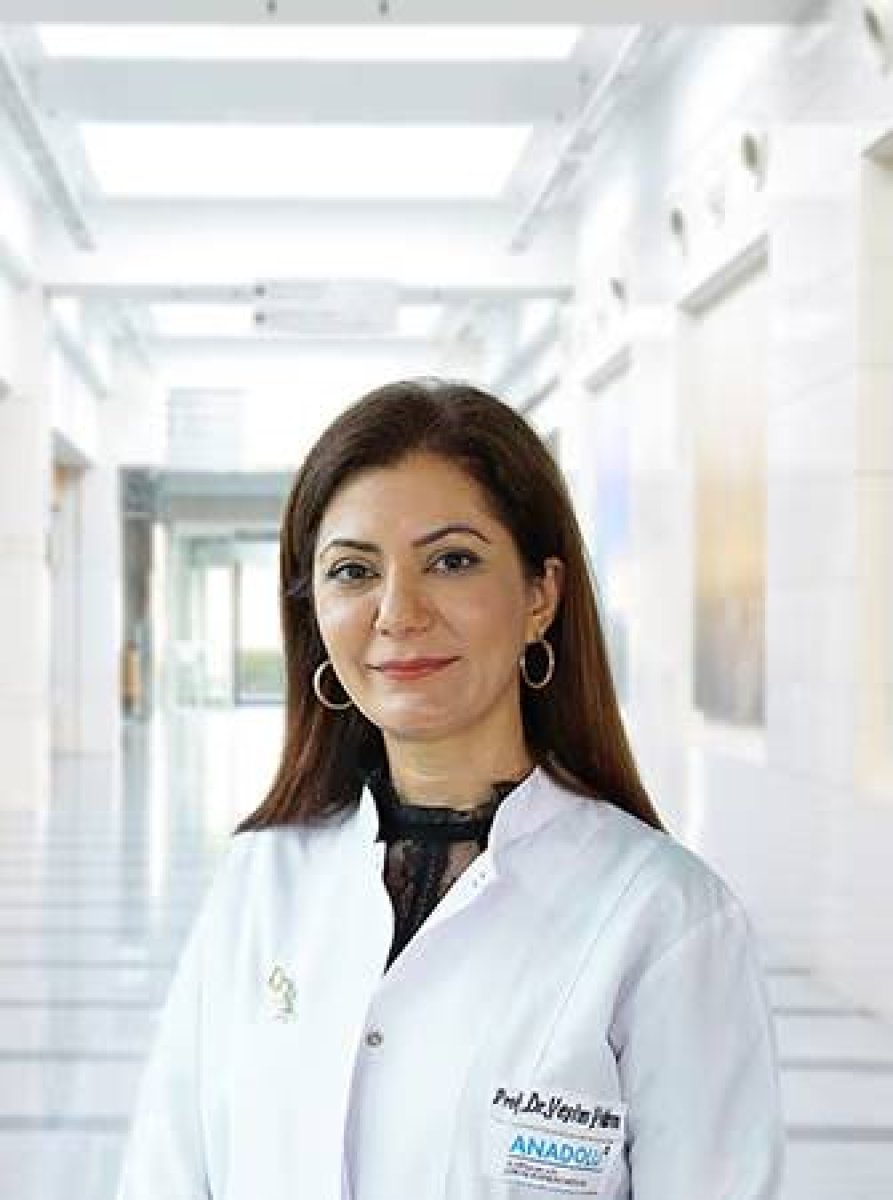
Yesim Yildirim — 20 years of experience Medical oncologist, ESMO certified
Have a question about Chemotherapy for prostate cancer in Thailand?
Ask a Bookimed medical coordinator about prices, clinics, techniques or your case. Write to us in the messenger you already use.
- Direct prices from clinics
- Free evaluation of your medical case
- Free personal assistance 24/7
Ask your question in a messenger
Tap a messenger to open a chat with a Bookimed medical coordinator.
Free and without obligation · Terms of use · Privacy policy