Stomach resection in Thailand: costs, clinics and reviews
Bookimed lists 3 stomach resection clinics in Thailand, in Bangkok and Pattaya, including ISO-certified and JCI-accredited clinics. These clinics are rated 4.6/5 in 162 verified patient reviews on Bookimed.

Last updated: Nov 17, 2026

Medically reviewed by
Fahad Mawlood
How it works
Bookimed is free for patients – clinics pay us a commission, and you pay the clinic its own price with no markup. Five steps to your stomach resection in Thailand:
Share your case
Tell us about your stomach condition and share your latest scans and medical reports.
Get treatment plans
Your coordinator finds clinics that match your needs and helps you choose. Your preferred clinics then send personalized treatment plans and quotes for you to compare.
Plan your trip
We set treatment dates that work for you and help arrange your flights and accommodation. If needed, we request a visa support letter from the clinic.
Visit the clinic
The clinic team performs your stomach resection on the agreed dates. We support you throughout your trip.
Recover at home
You can fly home 2–4 weeks after surgery, with results settling over 3–12 months. Your coordinator stays in touch and helps arrange a follow-up if you need one.
Some clinics ask for a deposit. A $200 or €200 deposit paid through Bookimed comes off your clinic bill and is refundable up to 10 calendar days before your visit. A deposit paid to the clinic follows its own terms.
Stomach resection Prices by Clinic in Thailand












Get matched with the best doctors for Stomach resection
Tell us about your needs — and get 3 tailored offers from top doctors for you.
Do you have any chronic conditions or prior surgeries?
Direct prices from clinics
Free evaluation of your medical case
Free personal assistance 24/7
Thailand Stomach resection overview
Cost and clinics
| Typical stomach resection price in Thailand | Clinics | Accreditations | Cities | Stomach resection surgeons |
|---|---|---|---|---|
| $9,500 / ฿323,000–$16,500 / ฿561,000 | 3 clinics | ISO (2 clinics), JCI (2), GHA (1), TEMOS (1) | Bangkok (2 clinics), Pattaya (1) | 4 surgeons |
The procedure
| Before the trip | Time in Thailand | Operation time | Anesthesia | Back to desk work | Final result |
|---|---|---|---|---|---|
| Arrange tests and assessments, optimize nutrition, stop smoking, review medications | 2–4 weeks, including 4–8 nights in hospital | 2.5–5 hours | General | 4–8 weeks | 3–12 months |
How much does a Stomach resection cost in Thailand?
Stomach resection in Thailand has an estimated price from $9,500 / ฿323,000 to $16,500 / ฿561,000. The final quote depends on how extensive the resection is, hospital tier, and surgical approach.
| Thailand | Turkey | The USA | |
|---|---|---|---|
| Stomach resection | ≈ $9,500 / ฿323,000 | from $2,800 / ฿95,200 | ≈ $38,000 / ฿1,292,000 |
How to choose a Stomach resection clinic in Thailand
For stomach resection in Thailand, narrow your clinic choices, consult the surgeon, confirm who will operate, review the surgeon’s qualifications, and assess the facility.
What to check
Clinic locations
Bookimed lists 3 clinics for stomach resection in Thailand, with top-ranked options in Bangkok and Pattaya.Review your records
Share your full medical record and speak directly with the clinician before booking, so the team has your history and can answer your questions.Confirm the operator
Ask whether the surgeon you meet will perform your stomach resection, request examples of experience with it, and ask how aftercare and record transfer will work at home.Credentials and facility
Ask about the surgeon’s qualifications and certifications, including whether the surgeon is licensed by the Medical Council of Thailand – discuss the clinic or hospital’s facilities and standards.
Discover Stomach resection Clinics in Thailand
| Clinic Name | Patient Rating | About | Accreditations | Lead Doctor | Techniques |
|---|---|---|---|---|---|
| Wansiri Hospital Bangkok | 4.5 (32 reviews) | Dr. Sarunnuch Panyavorakhunchai has performed 900+ gastric sleeve procedures over of specialized practice. The promotion package may cost around 360,000 THB – typically covering surgery, 3 nights in a 5-star facility, nutritionist-curated meals, and post-op care. Wansiri Hospital holds accreditation from the Royal College of Surgeons Thailand and operates Class-100 Clean Room surgical suites. | — | — | Gastric sleeve |
| Bumrungrad International Hospital Bangkok | 4.6 (131 reviews) | Bumrungrad International Hospital handles over 1 million patients annually, with specialized oncology services. Stomach resection may cost around $1,900–$4,400. Dr. Yongyut Sirivatanauksorn specializes in gastrointestinal tract oncology procedures. | ISO, JCI, GHA | Colonoscopy, Ultrasound | |
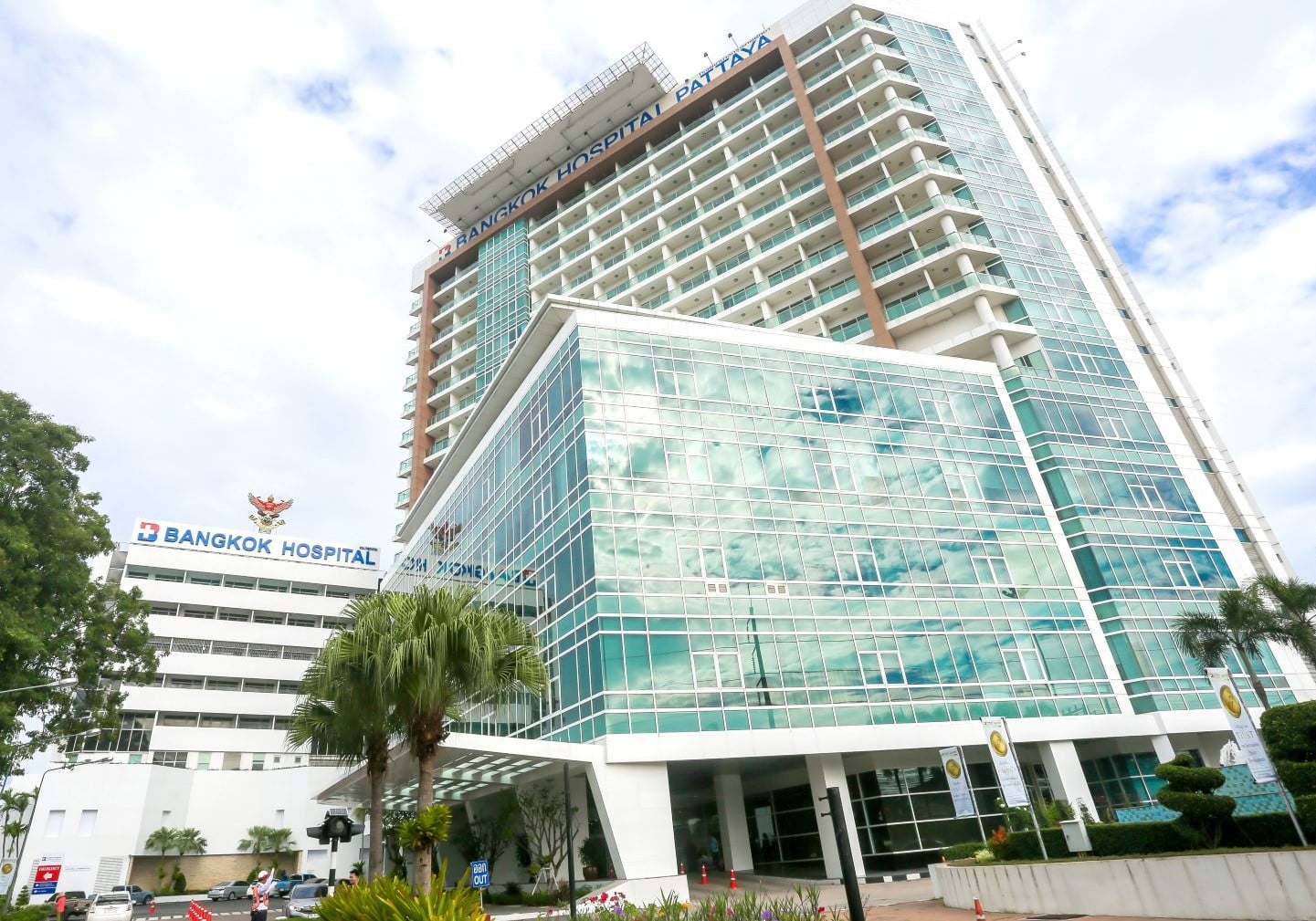
| Bangkok Hospital Pattaya Pattaya | 4.0 | Forty percent of international medical tourists pick Bangkok Hospital Pattaya. It treats over 400,000 patients yearly from 150 countries and holds JCI accreditation. Part of the Bangkok Dusit Medical Services group, its top specialties are cardiology and cosmetic surgery. Heart Center performs coronary bypass surgery without a heart-lung machine. Received the Prime Minister's Export Award for services to international patients. Digital Mammogram with Tomosynthesis offers 2D and 3D breast imaging in 10 seconds with less pain. 128-Slice CT scans coronary arteries in 4 seconds with 90% accuracy. Accredited by TEMOS and certified under ISO 9001 by TÜV NORD. | JCI, ISO, TEMOS | — | — |
Our Doctors
View all Doctors
Pichai Kittipanyaworakul
Dr. Pichai Kittipanyaworakul specializes in gastroenterology and hepatology at Intrarat Hospital, with advanced training from Thailand's top institutions.
- Diploma in Internal Medicine from Chulalongkorn Memorial Hospital
- Specialized in Gastroenterology and Hepatology at Ramathibodi Hospital
- Board-certified in Internal Medicine
- Practices at Intrarat Hospital, focusing on digestive health

Thanakom Sukcharoen
Specializes in anti-aging and regenerative medicine – Dr. Thanakom brings innovative approaches to patient care at Intrarat Hospital.
- Holds an American board certification in anti-aging medicine
- Addressed men's health issues with specialized training
- Completed a Master's in dermatology alongside medical degree
- Dedicated to preventive medicine and sexual health

Premkamol Patraithikul
Dr. Premkamol Patraithikul is a general surgeon with advanced training in minimally invasive techniques. Dr. Patraithikul earned an M.D. from Khon Kaen University. Dr. Patraithikul completed a residency in general surgery at Thammasat University. Dr. Patraithikul completed a fellowship in laparoscopic surgery at Mahidol University (Siriraj Hospital) in Thailand.
Clinical expertise includes laparoscopic and robotic surgery. Practice also covers general surgery, obesity and weight‑management surgery, and surgery for gastrointestinal conditions.

Pichai Kittipanyaworakul
Specializes in gastroenterology and hepatology at Navamin 9 Hospital, with advanced training unforeseen digestive disorders.
- Diploma in Internal Medicine from Chulalongkorn Memorial Hospital
- Specialized in Gastroenterology and Hepatology at Ramathibodi Hospital
- Board-certified in Internal Medicine
Where to get a Stomach resection in Thailand
Bangkok offers the wider clinic choice for stomach resection in Thailand, including sleeve gastrectomy, with Suvarnabhumi Airport about 25 km from downtown. Pattaya may suit patients who prefer a beach-resort setting for recovery days, with a compact, walkable central beach district.
Stomach resection recovery timeline: what to expect week by week
You can usually fly home 2–4 weeks after surgery with your surgeon’s approval, once you are eating, walking, and have been checked. Desk work usually resumes in 4–8 weeks. Strenuous exercise typically resumes after 6–12 weeks, with your surgeon’s clearance. Your weight, eating capacity, and nutritional status may take 3–12 months to stabilize.
Days 0–8
You’ll gradually move from fluids to soft foods while your team monitors for leaks and manages pain. Start walking early, avoid heavy lifting, and follow advice on small, frequent intake.
Weeks 1–4
Keep increasing your walks and eat small, frequent meals as your wound heals and pathology is reviewed, while avoiding heavy lifting. You can usually fly home 2–4 weeks after surgery with your surgeon’s approval, once you are eating, walking, and have been checked.
Weeks 4–12
Desk work may resume in weeks 4–8 as your diet and activity gradually broaden and vitamin supplementation is monitored. Wait for your surgeon’s clearance before strenuous exercise, typically 6–12 weeks after surgery.
Months 3–12
Your weight and eating capacity may stabilize over months 3–12, with nutritional and oncologic follow-up as indicated.
When to contact your clinic: Contact your clinic for fever or chills, or if your incision becomes red, swollen, or produces pus. Seek emergency help for severe abdominal pain that does not ease. For chest pain or sudden breathlessness after a long flight, seek emergency help locally.
Is a Stomach resection in Thailand safe?
Traveling to Thailand for a Stomach resection
Stomach resection in Thailand: Video Reviews from Bookimed Patients
Thailand Stomach resection Reviews at Bookimed: Discover Patients' Insights
View all
Share this content
 Anna Leonova

FAQ about Stomach resection in Thailand
Is it safe to have stomach resection surgery in Thailand?
Stomach resection in Thailand is highly safe when performed at facilities accredited by Joint Commission International (JCI). Thailand hosts over 60 JCI-accredited hospitals, including Bumrungrad International Hospital, which meet the same rigorous clinical safety and sterilization standards as top-tier medical centers in the United States and Europe.
- Global accreditation: Top hospitals like Bumrungrad and Bangkok Hospital Pattaya maintain JCI and ISO certifications.
- Specialized expertise: Surgeons often hold international credentials, including diplomas from Chulalongkorn and Mahidol University.
- Advanced technology: Facilities like Wansiri Hospital utilize robotic surgery and AI-driven digital imaging systems.
- High success: Accredited centers report 90–95% success rates, matching clinical outcomes found in Western countries.
Bookimed Expert Insight: While many choose Thailand for its 75% savings compared to US costs, the real safety advantage lies in patient volume. For example, Bumrungrad International serves over 1 million patients annually across 70 departments. This massive caseload allows surgical teams to maintain a high level of technical proficiency that smaller, local clinics cannot match.
Patient Consensus: Patients emphasize that while cost savings are significant, the logistical challenge of long-distance follow-up care is the most critical factor. Many recommend securing all digital operative notes and pathology reports before flying home to ensure seamless monitoring with local doctors.
What are the different types of stomach resection available in Thailand?
Thailand offers diverse stomach resection options including total, partial, and wedge gastrectomies for medical conditions, alongside bariatric procedures like sleeve gastrectomy and gastric bypass. JCI-accredited centers like Bumrungrad International Hospital utilize advanced laparoscopic and robotic-assisted techniques to ensure high precision and faster recovery.
- Sleeve gastrectomy: Removes 75–80% of the stomach to create a narrow, tube-like sleeve.
- Gastric bypass: Creates a small upper pouch connected directly to the small intestine.
- Total gastrectomy: Complete removal of the stomach, typically used for advanced gastric cancer.
- Endoscopic resection: Minimally invasive technique for early-stage cancer limited to the inner lining.
Bookimed Expert Insight: While many patients seek sleeve gastrectomies, sophisticated facilities like Bumrungrad International Hospital offer the Da Vinci robotic system. This technology is particularly valuable for complex bypasses or cancer resections. It provides surgeons with 3D visualization that standard laparoscopy cannot match.
Patient Consensus: Patients emphasize the strict pre-operative liver shrinkage diets required by Thai surgeons. Many recommend securing independent nutritional support at home, as local follow-up often focuses more on surgical recovery than long-term dietetics.
What is the typical recovery time and hospital stay after stomach resection in Thailand?
Stomach resection recovery in Thailand typically requires 2 to 7 days of hospitalization depending on the surgical technique. International patients usually require 10 to 14 days in-country for fit-to-fly clearance. Full internal healing and dietary stabilization generally take 3 to 6 months.
- Hospital stay: Expect 2–4 nights for weight-loss resections or 7–10 nights for complex medical gastrectomies.
- Initial mobility: Surgeons at JCI-accredited facilities like Bumrungrad International Hospital advocate walking within 24 hours.
- Work transition: Most patients return to sedentary office duties within 1 to 2 weeks post-surgery.
- Dietary stages: Clear liquids shift to soft foods over 4 to 6 weeks for adaptation.
Bookimed Expert Insight: While many clinics suggest a 10-day stay, our data from 560 requests shows that 10% of patients benefit from a full 14-day buffer. Facilities like Bangkok Hospital Pattaya prioritize this window to manage potential readmissions or adjustments before long-haul flights. Staying near the clinic for those extra 4 days often prevents travel complications.
Patient Consensus: Many patients report feeling ready for light activity by day 14 but warn of significant fatigue lasting up to 6 months. Tracking nutrition religiously from the first week is essential as stomach capacity limits energy levels during early recovery.
What lifestyle changes are required after stomach resection?
Stomach resection requires lifelong dietary adjustments, including eating 6 to 8 small meals daily and separating solids from liquids by 30 minutes. Patients must prioritize high-protein foods, avoid refined sugars to prevent dumping syndrome, and commit to permanent vitamin B12 and iron supplementation.
- Meal frequency: Eat 6 to 8 mini-meals daily instead of 3 large traditional meals.
- Liquid separation: Wait 30 to 60 minutes after eating before consuming any water or drinks.
- Nutritional focus: Include high-protein sources like eggs, fish, or tofu at every single meal.
- Supplementation: Use lifelong bariatric multivitamins, iron, and Vitamin B12 injections every 3 months.
- Physical activity: Walk immediately post-op but avoid lifting over 10 lbs for 8 weeks.
Bookimed Expert Insight: Thailand is a global hub for gastroenterology, with facilities like Bumrungrad International Hospital serving 50% international patients. While US costs average $53,000, Thai clinics offer these procedures starting from $9,500. High-volume centers in Bangkok often utilize advanced robotic surgery and AI, which can lead to more precise resections and smoother dietary transitions during early recovery.
Patient Consensus: Expect dumping syndrome and learn your personal triggers through a food diary. Patients emphasize seeking a specialized post-bariatric dietitian rather than following generic nutritional advice as your physiology has fundamentally changed.
What should I prepare before traveling to Thailand for stomach resection?
Preparing for stomach resection in Thailand requires coordinating medical records, securing a Medical Tourist Visa, and planning a 14-day stay. Patients must obtain a surgeon consultation, undergo pre-operative screenings at JCI-accredited facilities like Bumrungrad International Hospital, and follow a strict high-protein diet to ensure surgical safety.
- Medical documentation: Bring digital copies of MRIs, CT scans, and current medication lists for review.
- Visa requirements: Apply for a Medical Tourist Visa requiring a hospital appointment letter and passport.
- Physical preparation: Stop smoking and alcohol 4 weeks prior to improve healing and reduce risks.
- Recovery timeline: Budget for 2 to 3 weeks in Thailand for follow-ups and initial healing.
Bookimed Expert Insight: Data from major centers like Bumrungrad International Hospital shows that 50% of their 1,000,000 annual patients are international. This high volume means their staff is exceptionally efficient at navigating the specific paperwork and `Fit to Fly` certificates needed for your return journey.
Patient Consensus: Many patients suggest staying longer than 10 days because transitioning to solid foods takes more time than expected. They recommend recording all discharge instructions to overcome potential language barriers during home recovery.
Last review: Nov 17, 2026
Fahad Mawlood — General practitioner. Winner of 4 scientific awards. Served in Western Asia. Former Team Leader of a medical team supporting Arabic-speaking patients. Now responsible for data processing and medical content accuracy.
Have a question about Stomach resection in Thailand?
Ask a Bookimed medical coordinator about prices, clinics, techniques or your case. Write to us in the messenger you already use.
- Direct prices from clinics
- Free evaluation of your medical case
- Free personal assistance 24/7
Ask your question in a messenger
Tap a messenger to open a chat with a Bookimed medical coordinator.
Free and without obligation · Terms of use · Privacy policy