Intervention to laryngeal polyps with endolaryngeal microsurgery in Thailand: costs, clinics and reviews
Bookimed lists 2 intervention to laryngeal polyps with endolaryngeal microsurgery clinics in Thailand, all in Bangkok. These clinics are rated 4.6/5 in 131 verified patient reviews on Bookimed.

Last updated: Nov 22, 2026

Medically reviewed by
Fahad Mawlood
How it works
Bookimed is free for patients – clinics pay us a commission, and you pay the clinic its own price with no markup. Five steps to your laryngeal polyp removal in Thailand:
Share your case
Tell us about your voice concerns and share your latest throat exam reports and recordings or images of your vocal folds.
Get treatment plans
Your coordinator finds clinics that match your needs and helps you choose. Your preferred clinics then send personalized treatment plans and quotes for you to compare.
Plan your trip
We set treatment dates that work for you and help arrange your flights and accommodation. If needed, we request a visa support letter from the clinic.
Visit the clinic
The clinic team performs your laryngeal polyp removal on the agreed dates. We support you throughout your trip.
Recover at home
You can fly home 7–10 days after surgery, and your voice settles over 1–3 months. Your coordinator stays in touch and helps arrange a follow-up if you need one.
Some clinics ask for a deposit. A $200 or €200 deposit paid through Bookimed comes off your clinic bill and is refundable up to 10 calendar days before your visit. A deposit paid to the clinic follows its own terms.
Intervention to laryngeal polyps with endolaryngeal microsurgery Prices by Clinic in Thailand









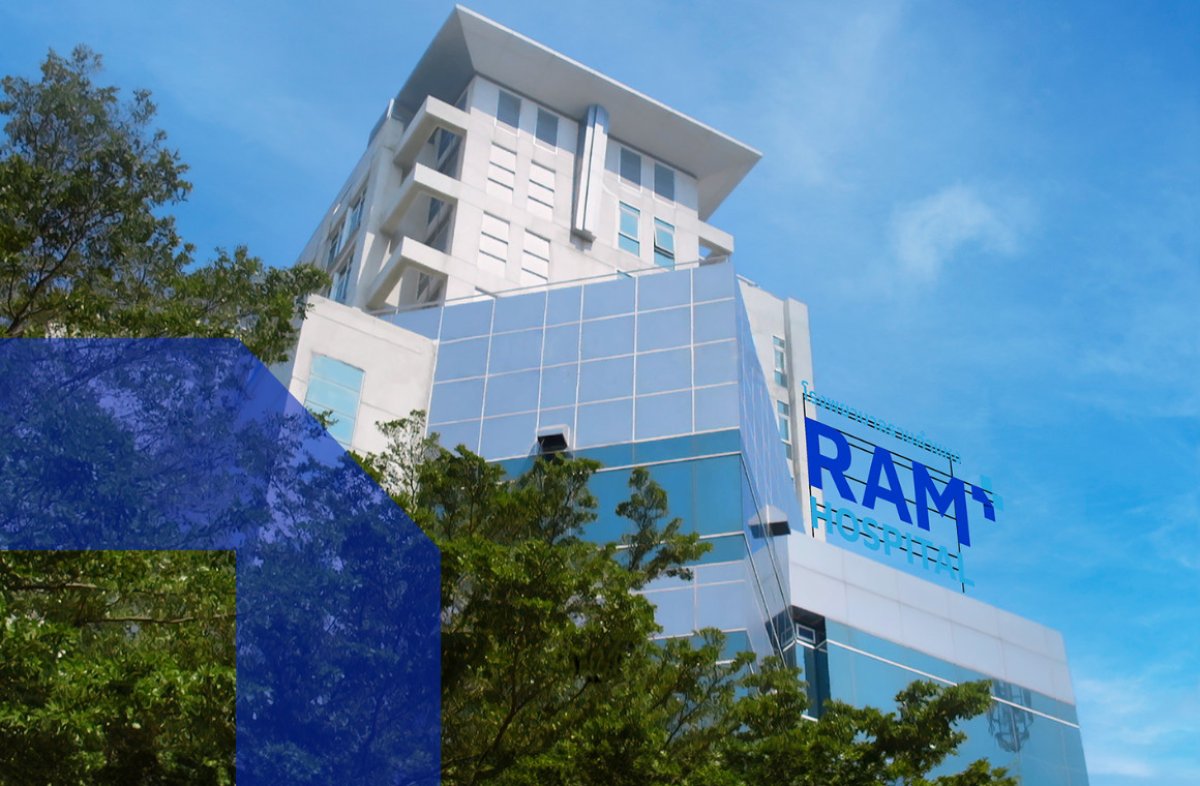
Ramkhamhaeng Hospital
Get matched with the best doctors for Intervention to laryngeal polyps with endolaryngeal microsurgery
Tell us about your needs — and get 3 tailored offers from top doctors for you.
Do you have any medical records related to your issue?
Direct prices from clinics
Free evaluation of your medical case
Free personal assistance 24/7
Thailand Intervention to laryngeal polyps with endolaryngeal microsurgery overview
Cost and clinics
| Typical intervention to laryngeal polyps with endolaryngeal microsurgery price in Thailand | Clinics | Accreditations | Cities | Intervention to laryngeal polyps with endolaryngeal microsurgery surgeons |
|---|---|---|---|---|
| $1,900 / ฿64,600–$2,800 / ฿95,200 | 2 clinic | ISO, JCI, GHA | Bangkok | 1 surgeon |
The procedure
| Before the trip | Time in Thailand | Operation time | Anesthesia | Back to desk work | Final result |
|---|---|---|---|---|---|
| Have preoperative laryngoscopy, anesthesia assessment, review medical history, stop smoking and treat reflux | 7–10 days, including up to 1 night in hospital | 15–60 minutes | General | 3–14 days | 1–3 months |
How much does a Intervention to laryngeal polyps with endolaryngeal microsurgery cost in Thailand?
Intervention to laryngeal polyps with endolaryngeal microsurgery in Thailand is estimated from $1,900 / ฿64,600 to $2,800 / ฿95,200. The final estimate depends on hospital tier, specialist fees, case complexity, preoperative assessments, pathology, and length of stay.
Intervention to laryngeal polyps with endolaryngeal microsurgery in Thailand is estimated from $1,900 / ฿64,600 to $2,800 / ฿95,200. The final estimate depends on hospital tier, specialist fees, case complexity, preoperative assessments, pathology, and length of stay. In the US, this procedure costs $8,800 / ฿299,200 on average. Packages may include surgeon and anesthesiologist fees, operating room costs, and a short hospital stay or recovery-room charge.
- Hospital tier. Bangkok international hospitals may cost 15–20% more than regional private centers.
- Specialist fees. Senior ENT or laryngology specialists with microsurgical experience may charge higher professional fees.
- Assessment and pathology. Voice assessments, imaging, or pathology may add costs when billed separately.
- Length of stay. Extended observation or voice therapy can increase the overall estimate.
Bookimed Expert Insight. Procedure-specific expertise can be a useful comparison alongside the hospital estimate. Dr. Prapas Teerakul in Bangkok performs this surgery at Intrarat Hospital. He uses high-power magnification for vocal fold polyp surgery to limit tissue damage. Intrarat is certified to International Organization for Standardization (ISO) 9001. Bumrungrad holds Joint Commission International (JCI) accreditation. Patients can ask whether estimates include assessment, pathology, anesthesia, and overnight observation.
| Thailand | Turkey | Austria | |
|---|---|---|---|
| Intervention to laryngeal polyps with endolaryngeal microsurgery | ≈ $1,900 / ฿64,600 | from $2,400 / ฿81,600 | ≈ $3,200 / ฿108,800 |
How to choose a Intervention to laryngeal polyps with endolaryngeal microsurgery clinic in Thailand
For intervention to laryngeal polyps with endolaryngeal microsurgery in Thailand, confirm who performs the procedure, discuss what it can achieve, ask about licensing, clarify home follow-up, and read patient reviews before booking.
What to check
Confirm the operator
Before booking, ask whether the clinician you consult will personally perform the endolaryngeal microsurgery, and have your full medical history reviewed.Treatment limits
Clarify what intervention to laryngeal polyps with endolaryngeal microsurgery can and cannot achieve before committing, so your decision is realistic.Check qualifications
Ask whether the clinician performing the procedure is licensed by the Medical Council of Thailand.Home support
Clarify who will handle aftercare and urgent complications once you return home, so you know whom to contact.Review patient accounts
Read comments about the doctor, the care, and the trip alongside the score – request examples from the same practitioner.
Discover Intervention to laryngeal polyps with endolaryngeal microsurgery Clinics in Thailand
| Clinic Name | Patient Rating | About | Accreditations | Lead Doctor | Techniques |
|---|---|---|---|---|---|
| Bumrungrad International Hospital Bangkok | 4.6 (131 reviews) | Bumrungrad International Hospital is a globally recognized facility in Bangkok, specializing in laryngeal procedures. The otorhinolaryngology department is equipped for precise endolaryngeal microsurgery to address vocal cord polyps. Dr. Prayuth Tunsuriyawong, an experienced otorhinolaryngologist, leads the team with expertise in this delicate intervention. The hospital sees over 1 million patients annually and maintains international standards of care. | ISO, JCI, GHA | Consultation with a maxillofacial surgeon | |
| Ramkhamhaeng Hospital Bangkok | 4.7 | Biopsy samples are confirmed by pathologists within 30 minutes at Ramkhamhaeng Hospital. Its Minimally Invasive Endoscopic ENT Surgery Center uses diagnostic cameras and high-efficiency medical laser technology for laryngeal lesion removal. The hospital is AACI-accredited and belongs to a 31-hospital network across Thailand, with more than 6,900 registered beds. This combines dedicated ENT facilities with rapid pathology review. | — | — | — |
Our Doctors
View all Doctors
Dr Prapas Teerakul
Specializes in otolaryngology with a focus on laryngeal polyps – Dr. Teerakul brings academic expertise to Intrarat Hospital.
- Graduated from Ramathibodi Hospital, Mahidol University
- Assistant Professor at Ramathibodi Hospital's Otolaryngology Department
- Certified in Otolaryngology with hands-on experience
- Current Otolaryngologist at Intrarat Hospital

Prayuth Tunsuriyawong
The doctor is a highly skilled otorhinolaryngologist with extensive experience in diagnosing and treating disorders related to the ear, nose, and throat. Specializing in both surgical and non-surgical interventions, the doctor has contributed significantly to advancements in minimally invasive procedures. With board certification and numerous publications in peer-reviewed journals, the doctor is recognized for excellence in patient care and innovative treatment methodologies. The doctor is affiliated with several prestigious medical institutions and has been actively involved in clinical research projects to improve patient outcomes.
Is a Intervention to laryngeal polyps with endolaryngeal microsurgery right for you?
Why choose Thailand for a Intervention to laryngeal polyps with endolaryngeal microsurgery
Delicate throat treatment with magnified tissue views
| Typical price | vs Thailand | |
|---|---|---|
| Thailand (this page) | $1,900 – $2,800 | – |
| US | from $6,500 | +242% |
| Turkey | from $2,400 | +26% |
Intervention to laryngeal polyps with endolaryngeal microsurgery recovery timeline: what to expect week by week
You can fly home 7–10 days after surgery. Your surgeon must approve flying after your first postoperative laryngoscopic check and initial voice rest. Desk work often resumes within 3–14 days, strenuous exercise usually resumes within 1–3 weeks with your surgeon’s guidance, and your voice settles over 1–3 months.
Day 0–7
Follow absolute or relative voice rest as advised. You may have mild throat discomfort, so stay hydrated. Avoid shouting, whispering, throat clearing, and smoking.
Weeks 1–3
You can fly home 7–10 days after surgery if your surgeon agrees after your first postoperative laryngoscopic check and initial voice rest. Gradually return to normal voice use and attend follow-up laryngoscopy. Voice therapy may be added. Avoid heavy straining and prolonged loud voice use.
Weeks 3–12
Your voice quality stabilizes as the mucosa heals.
When to contact your clinic: Contact your clinic for bleeding from your mouth or coughing blood. Seek emergency help for difficulty breathing or noisy breathing, and contact your clinic for fever or worsening pain. For chest pain or sudden breathlessness after a long flight, seek emergency help locally.
Is a Intervention to laryngeal polyps with endolaryngeal microsurgery in Thailand safe?
Traveling to Thailand for a Intervention to laryngeal polyps with endolaryngeal microsurgery
Intervention to laryngeal polyps with endolaryngeal microsurgery in Thailand: Video Reviews from Bookimed Patients
Thailand Intervention to laryngeal polyps with endolaryngeal microsurgery Reviews at Bookimed: Discover Patients' Insights
View allShare this content
 Anna Leonova

FAQ about Intervention to laryngeal polyps with endolaryngeal microsurgery in Thailand
Is endolaryngeal microsurgery for laryngeal polyps safe and what are the main risks?
Endolaryngeal microsurgery for laryngeal polyps is highly safe, featuring a major complication rate under 1%. This precision-guided procedure uses microlaryngoscopy to restore voice quality. Success rates reach 95% in Thailand at JCI-accredited facilities. Risks are typically minor and temporary, including sore throat or voice changes.
- Surgical scarring: Permanent vocal fold scarring occurs in 5% to 10% of cases.
- Dental safety: Using gum guards prevents the 7% risk of minor tooth chipping.
- Voice recovery: Temporary hoarseness or dysphonia typically lasts between 1 to 4 weeks.
- Airway swelling: Rare post-operative swelling may require brief steroid treatment or overnight observation.
- Sensory changes: Temporary tongue numbness or taste changes can occur from instrument pressure.
Bookimed Expert Insight: Patient data shows that choosing microdissection over laser techniques often yields better precision for polyps. Top Thai specialists like those at Bumrungrad International Hospital maintain high safety by treating over 1 million patients annually. Look for surgeons who also serve as medical professors to ensure the latest surgical techniques.
Patient Consensus: Many find that maintaining strict silence during the 2-week recovery is the most difficult part. They recommend using communication apps or whiteboards to avoid whispering, which can actually hinder vocal fold healing.
Who is a good candidate for endolaryngeal microsurgery in Thailand?
Good candidates for endolaryngeal microsurgery in Thailand include patients with benign vocal cord polyps, cysts, or early-stage laryngeal cancer unresponsive to conservative therapy. Ideal patients are non-smokers who can commit to two weeks of strict vocal silence and ten days of post-operative recovery in Bangkok.
- Clinical indications: Patients with symptomatic polyps, nodules, or leukoplakia causing hoarseness exceeding 6 months.
- Diagnostic requirements: Candidates must have mobile vocal cords confirmed via specialized laryngoscopy and stroboscopy.
- Professional profiles: Singers, teachers, and actors requiring the microflap technique for superior vocal restoration.
- Health status: Individuals must be cleared for general anesthesia and have controlled acid reflux.
Bookimed Expert Insight: While many seek surgery immediately, our data shows top Thai specialists like Dr. Prapas Teerakul at Intrarat Hospital prioritize patients who have already attempted voice therapy. Successful outcomes in Thailand often depend on the surgeon's specific volume, so patients should select providers performing over 100 microsurgeries annually.
Patient Consensus: Patients emphasize the necessity of staying in Thailand for 14 days to ensure proper healing. They advise bringing a humidifier and practicing temporary voice rest before traveling to prepare for the strict silence period.
What is the typical recovery timeline and expected results?
Recovery from endolaryngeal microsurgery in Thailand typically requires 7 to 14 days of strict voice rest. Most patients regain basic vocal function within 2 weeks, while full vocal clarity and strength usually return after 4 to 8 weeks of healing and rehabilitation.
- Initial recovery: Expect 7 to 14 days of strict silence or limited whispering.
- Hospital stay: Clinical protocols in Bangkok typically include an 5 days total stay.
- Physical healing: Throat swelling usually peaks between days 3 and 5 post-surgery.
- Activity return: Patients resume desk work within 7 days and physical labor by week 3.
- Expected outcome: Approximately 80–90% of patients achieve significant voice improvement after 6 weeks.
Bookimed Expert Insight: Data shows that recovery speed heavily depends on post-operative hydration and environment. Surgeons at top-tier JCI-accredited facilities like Bumrungrad International Hospital often recommend steam sessions. Using humidity helps resolve swelling by day 14 compared to dry environments. This is vital for international patients traveling to Thailand's tropical climate.
Patient Consensus: Many find the first week of silence challenging but report clearer voices by week 6. Success often depends on avoiding caffeine and alcohol to prevent dehydration during the initial healing phase.
How is the surgery performed and what techniques are used?
Surgeons in Thailand perform laryngeal polyp removal using transoral endolaryngeal microsurgery under general anesthesia. This minimally invasive approach utilizes a rigid laryngoscope and an operating microscope with 10-20x magnification. Procedures focus on precise excision to preserve vocal cord function and voice quality.
- Microflap technique: Surgeons peel the polyp like fruit to remove the core safely.
- Cold steel dissection: Small micro-scissors minimize scarring for non-vascular polyps and protect tissue.
- CO2 laser vaporization: Concentrated light beams treat larger polyps while reducing surgical bleeding.
- KTP laser coagulation: Instant vessel sealing helps manage bloody polyps and prevents complications.
- Hospital stay: Most patients qualify for same-day discharge or a single overnight stay.
Bookimed Expert Insight: Data from top-tier Bangkok centers like Bumrungrad International Hospital shows a preference for cold steel instruments over lasers for smaller polyps. While lasers offer bloodless fields, mechanical micro-scissors often yield superior long-term voice clarity by avoiding thermal damage to delicate vocal fold layers. Choosing a surgeon with Assistant Professor credentials, such as those at specialized ENT departments, ensures access to these refined microflap techniques.
Patient Consensus: Patients emphasize that strict silence for 7 to 10 days is the hardest part of recovery. Using a humidifier and avoiding whispering is essential to prevent reopening the delicate surgical site.
Will I have visible scars after the procedure?
Endolaryngeal microsurgery in Thailand leaves no visible external scars because the procedure is entirely transoral. Surgeons use a laryngoscope and high-powered microscope to access the larynx through the mouth. This minimally invasive approach eliminates the need for skin incisions, ensuring a scar-free aesthetic result.
- Surgical approach: Transoral entry through the mouth means zero external skin incisions or visible marks.
- Advanced equipment: JCI-accredited hospitals in Bangkok use specialized micro-instruments for precise internal tissue repair.
- Internal healing: Mucosal tissue inside the throat heals rapidly without forming permanent external fibrous scarring.
- Expertise: Surgeons like Dr. Prapas Teerakul utilize endolaryngeal techniques to preserve vocal cord integrity.
Bookimed Expert Insight: While patients worry about neck scars, the real differentiator in Thailand is the use of digital imaging. Top facilities like Bumrungrad International Hospital serve 1 million patients annually using advanced EHRs. This volume ensures surgeons are highly proficient in navigating complex airway anatomy without external access.
Patient Consensus: Patients report that while no scars appear on the neck, internal swelling is common. This temporary sensation usually resolves within 1 month, leaving the skin completely untouched and clear.
What specific qualifications should I look for in a Thai surgeon?
Qualified Thai surgeons for endolaryngeal microsurgery must hold a Thai Medical Council license and Thai Board of Otolaryngology certification. Prioritize specialists like Dr. Prapas Teerakul at Intrarat Hospital who possess advanced fellowships in head and neck surgery and operate within JCI-accredited facilities.
- Board certification: Must hold a Diploma from the Thai Board of Otolaryngology.
- Specialized experience: Seek surgeons performing over 200 laryngeal microsurgery cases annually.
- Facility standards: Choose hospitals with JCI accreditation and ISO international safety standards.
- Clinical academic rank: Look for specialists who serve as professors at Mahidol University.
Bookimed Expert Insight: Top-tier Thai ENT specialists often hold dual roles as active surgeons and university professors. Dr. Prapas Teerakul's position as an Assistant Professor at Ramathibodi Hospital indicates a high level of technical mastery. This academic background ensures they utilize the latest laser technologies and evidence-based protocols common in high-volume teaching hospitals.
Patient Consensus: Patients emphasize verifying a surgeon's specific case logs for laryngeal polyps rather than general ENT experience. Many recommend requesting intraoperative photos and confirming the use of CO2 laser microsurgery for cleaner vocal cord healing.
How long should I plan to stay in Thailand and is travel support available?
Plan for a 10 to 14 day stay in Thailand for laryngeal polyp microsurgery to ensure safe recovery and voice rest. Hospitals like Bumrungrad International provide dedicated international departments offering 24/7 travel support, airport transfers, and English-speaking coordinators for seamless medical journeys.
- Clinical timeline: Schedule surgery for day 2 or 3 to allow for pre-operative screenings.
- Recovery period: Complete 3 days of total voice rest before the day 7 follow-up.
- Travel safety: Avoid flying before day 10 to prevent cabin pressure from irritating surgical sites.
- Support services: Access the 1155 Tourist Police hotline for 24-hour English-speaking emergency assistance.
- Entry rules: Utilize 60-day visa-free entry available for most Western travelers visiting JCI-accredited facilities.
Bookimed Expert Insight: Thailand's high humidity actually serves as a natural recovery aid for throat surgery patients by keeping vocal cords hydrated. Clinics like Bumrungrad International Hospital manage such high volumes of international patients that their internal logistics often mirror luxury travel agencies. You can usually secure a surgery date within 48 hours of arrival if records are sent in advance.
Patient Consensus: Patients emphasize the importance of staying at least 10 days, noting that swelling often peaks on day 4. Many recommend requesting a surgeon's clearance note specifically for the airline to ensure a smooth return flight.
Last review: Nov 22, 2026
Fahad Mawlood — General practitioner. Winner of 4 scientific awards. Served in Western Asia. Former Team Leader of a medical team supporting Arabic-speaking patients. Now responsible for data processing and medical content accuracy.
Have a question about Intervention to laryngeal polyps with endolaryngeal microsurgery in Thailand?
Ask a Bookimed medical coordinator about prices, clinics, techniques or your case. Write to us in the messenger you already use.
- Direct prices from clinics
- Free evaluation of your medical case
- Free personal assistance 24/7
Ask your question in a messenger
Tap a messenger to open a chat with a Bookimed medical coordinator.
Free and without obligation · Terms of use · Privacy policy