Memorial Şişli Hospital
Memorial Şişli Hospital
Turkey, Istanbul
Betul Tavil
29 years of experience
accreditations :
Clinic is certified :
Save up to
50%
vs. average UK or US prices
Last updated: 10/13/2026
Medically reviewed by
Fahad MawloodMedical Disclaimer: Data verified by Bookimed as of October 2026, based on patient requests and official quotes from 36 clinics worldwide. Median costs are based on real invoices (2024–2026) and updated monthly. Actual prices may vary.
Turkey offers specialized MS care through Good Manufacturing Practice (GMP) certified laboratories. Centers like Liv Hospital Ulus provide mesenchymal stem cell transplantation. These protocols aim to stabilize disease progression and reduce relapses. Patients access high-quality treatment at costs from $9,000.
Bookimed Expert Insight: Turkey’s stem cell infrastructure is highly centralized in Istanbul. Leading private hospitals integrate their own R&D laboratories directly into the facility. This ensures that mesenchymal cells are processed and administered without external transport delays. This setup maintains the highest cell viability for MS protocols.
What patients say: Patients note the seamless coordination between airport pickup and their clinic consultations. They value the 16-day monitoring period which provides a sense of security during recovery. The presence of dedicated translators helps them understand every step of the complex biological process.
Mexico is a leading hub for MS stem cell therapy, offering specialized protocols like MUSE pluripotent cells and Wharton’s jelly-derived mesenchymal therapy. Patients access these treatments without long clinical trial waitlists. Clinics operate under COFEPRIS regulations to ensure cellular product traceability and patient safety.
Bookimed Expert Insight: Mexico's regulatory environment allows for specialized cell types, such as MUSE and umbilical cord-derived MSCs, that are rarely available in standard US clinics. Centers like Cellular Hope Institute even maintain in-house tissue banks. This integration ensures that cells are fresh and processed under strict cleanroom conditions for every infusion.
What patients say: Patients note that Mexico offers more accessible HSCT options but emphasize it is a physically demanding procedure. They describe the recovery as a significant challenge that often requires a dedicated caregiver. Many highlight that facilities are clean and professional while noting that travel and follow-up care add to the total cost.
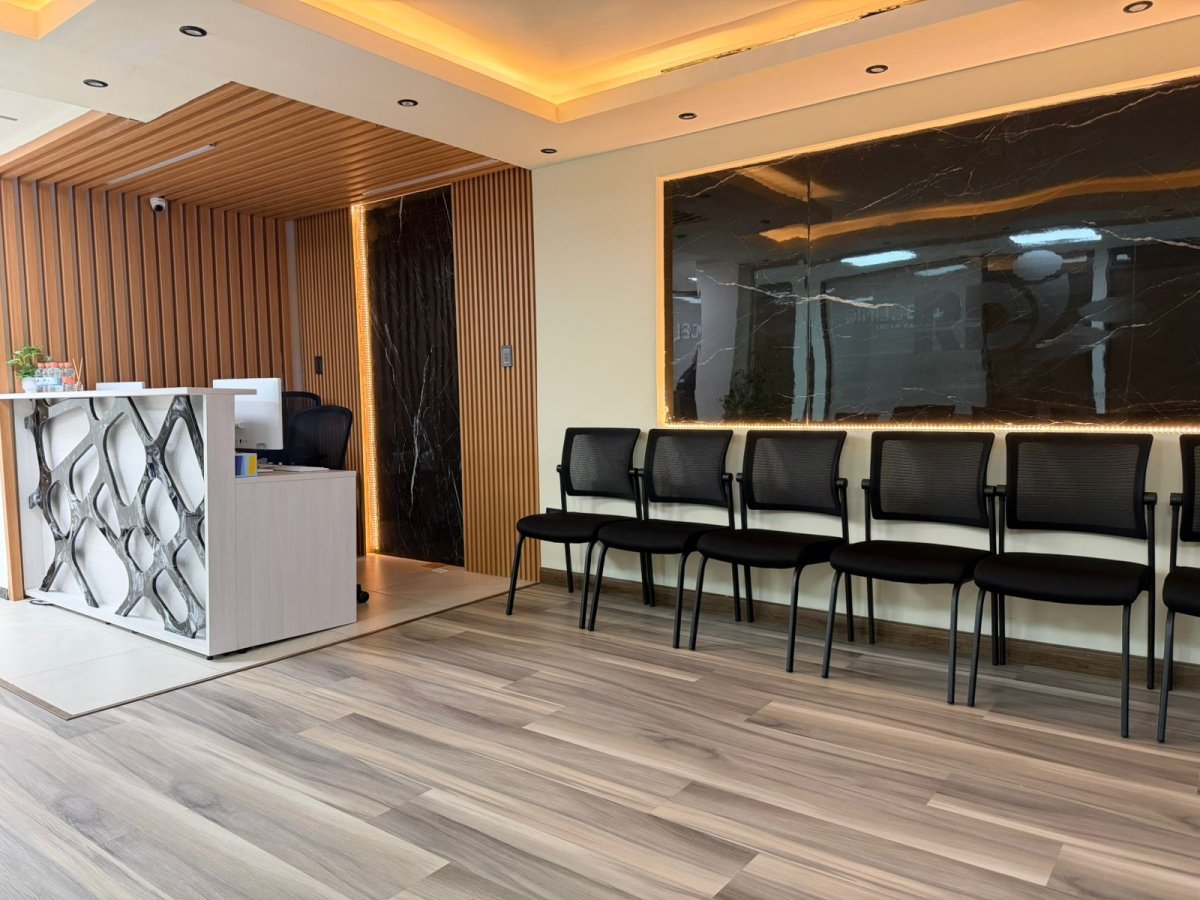
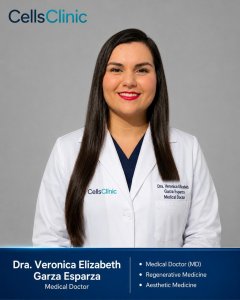
CellsClinic holds COFEPRIS authorization and maintains a 98% patient satisfaction rating. The team has treated 300+ patients using mesenchymal stem cells from certified donors. These ambulatory sessions last about 1–3 hours, allowing for a quick 24-hour recovery period. Medical staff provide personalized protocols that include follow-up monitoring for up to 12 months. This Mexico-based clinic offers international support in English. Treatment involves allogeneic cells, which removes the need for blood type matching or complex histocompatibility.

Thailand is a primary destination for multiple sclerosis therapy due to its cell-processing standards and high-dose mesenchymal stem cell (MSC) protocols. Specialized centers in Bangkok and Phuket offer allogeneic treatments. These facilities utilize AABB-certified laboratories to ensure cell purity and potency for immunomodulation.
Bookimed Expert Insight: Thai clinics offer rare transparency by structuring packages around specific cell counts. For example, Vega Clinic distinguishes between 80 million and 150 million MSC protocols. This allows patients to select dosages based on the severity of their symptoms or doctor recommendations.
What patients say: Patients note that these therapies are often sought when traditional options fail to stop disease progression. They emphasize that while functional recovery varies, the focus is on easing symptoms through intensive cellular protocols. Many value the inclusion of airport transfers and clinical consultations in their care.
South Korea offers specialized arterial stem cell therapy for multiple sclerosis. This technique aims to deliver 100% of cells directly to targeted organs. The method bypasses traditional IV limits to potentially improve absorption in the brain. Clinics like RE:YOUTH serve 1,000+ patients annually under strict national quality standards.
Bookimed Expert Insight: While many countries offer IV stem cells, Korea leads in arterial delivery. Costs typically range from $33,000. This method ensures high cell concentration reaches the target site without getting filtered by the lungs.
What patients say: Patients notice the high level of medical technology in Seoul clinics. Many feel safer here because the country has very strict medical regulations. They often note the importance of prepared budgets for these intensive neurological programs.
Transparent methodology - so you can trust our recommendations.
Whether you're looking for the cheapest place to get stem cell treatment for multiple sclerosis (ms) or the highest-rated specialists abroad, Bookimed's ranking accounts for everything that matters. It uses a smart algorithm that continuously analyzes real-world data from verified verified clinics worldwide, including:
178 patient requests
We analyze thousands of real cases to identify destinations with the highest patient demand and best outcomes for stem cell treatment for multiple sclerosis (ms).
20 verified patient reviews
Real feedback on hospital facilities, staff communication, recovery experience, and long-term results.
Accreditation standards
International accreditations such as JCI and ISO 9001, or equivalent national certifications, verified annually.
Board-certified specialists
Evaluated by credentials, volume of successful cases for stem cell treatment for multiple sclerosis (ms), and specialized training.
Transparent price data
Aggregated directly from clinics and cross-checked against other ranking criteria - so the cheapest countries for stem cell treatment for multiple sclerosis (ms) on our list are also among the safest.
Medical excellence & innovation
We prioritize countries using the latest techniques and equipment for stem cell treatment for multiple sclerosis (ms), with proven track records in international patient care.
Choosing a country for Stem cell treatment for multiple sclerosis (MS) abroad shouldn't come down to guesswork. Having helped over 900,000 patients, we know which destinations combine the best specialists, safest hospitals, and affordable prices. We're here to help you find the right one.
Stem cell therapy uses the body’s natural building blocks—stem cells—to repair and regenerate damaged tissue. Stem cells are unique because they are like blank slates. Unlike regular cells that only perform one specific job, they can develop into different types of cells depending on the body’s needs.
Regenerative medicine uses stem cells to replace or repair damaged cells in organs, muscles, and nerve tissue. Stem cells act as the body’s internal repair system, tackling damage and degeneration at the source. That’s why stem cell therapy holds promise for treating injuries, chronic conditions, and age-related issues.
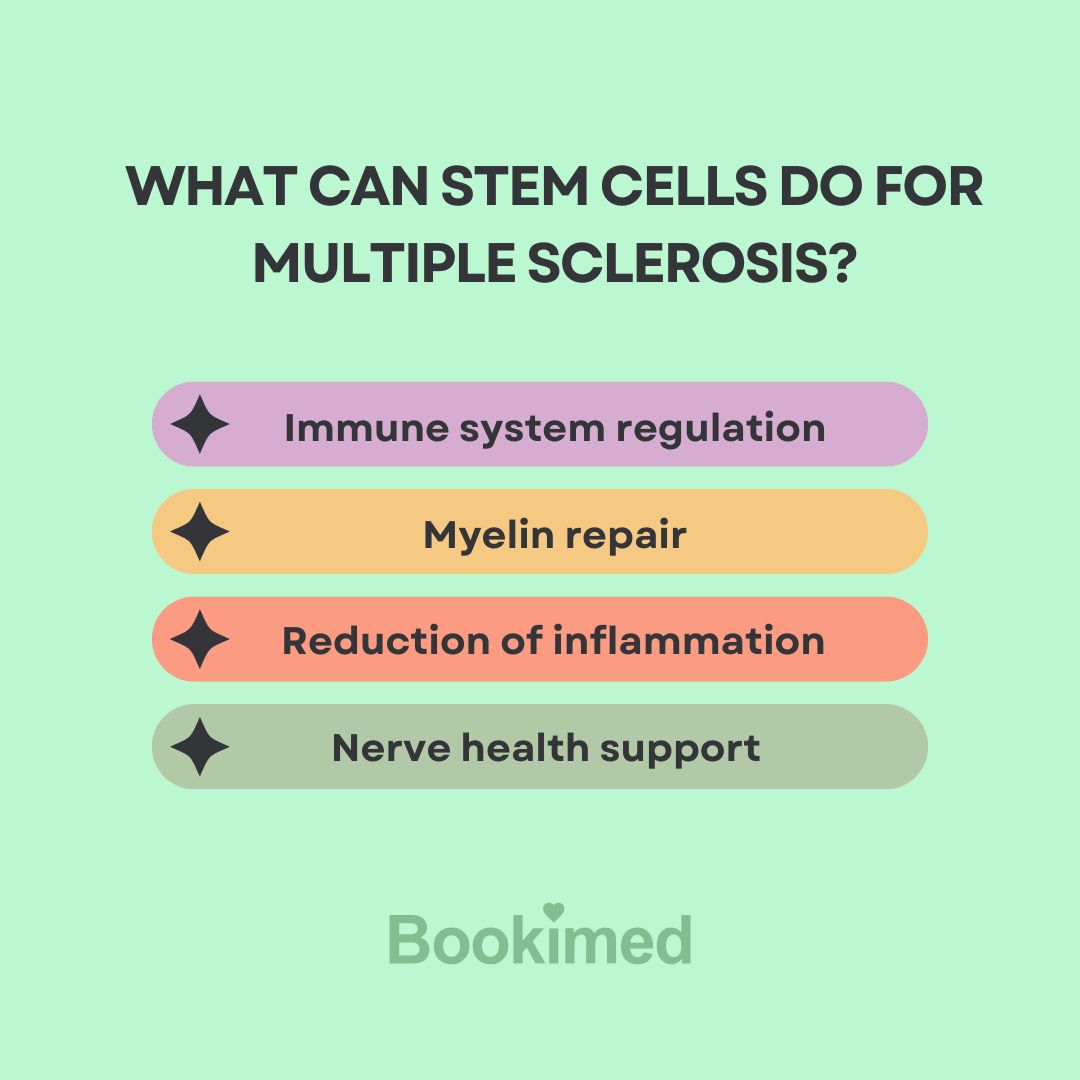
In multiple sclerosis (MS), the immune system mistakenly attacks the protective layer around nerves, called myelin, leading to nerve damage and disrupted signals. Stem cell therapy addresses this autoimmune disorder by reducing inflammation, regulating immune responses, and even helping regenerate myelin.
As we can see, stem cell therapy targets multiple aspects of MS, from immune regulation to myelin repair. Thus, it is a holistic method of managing and possibly reducing the impacts of the disease.
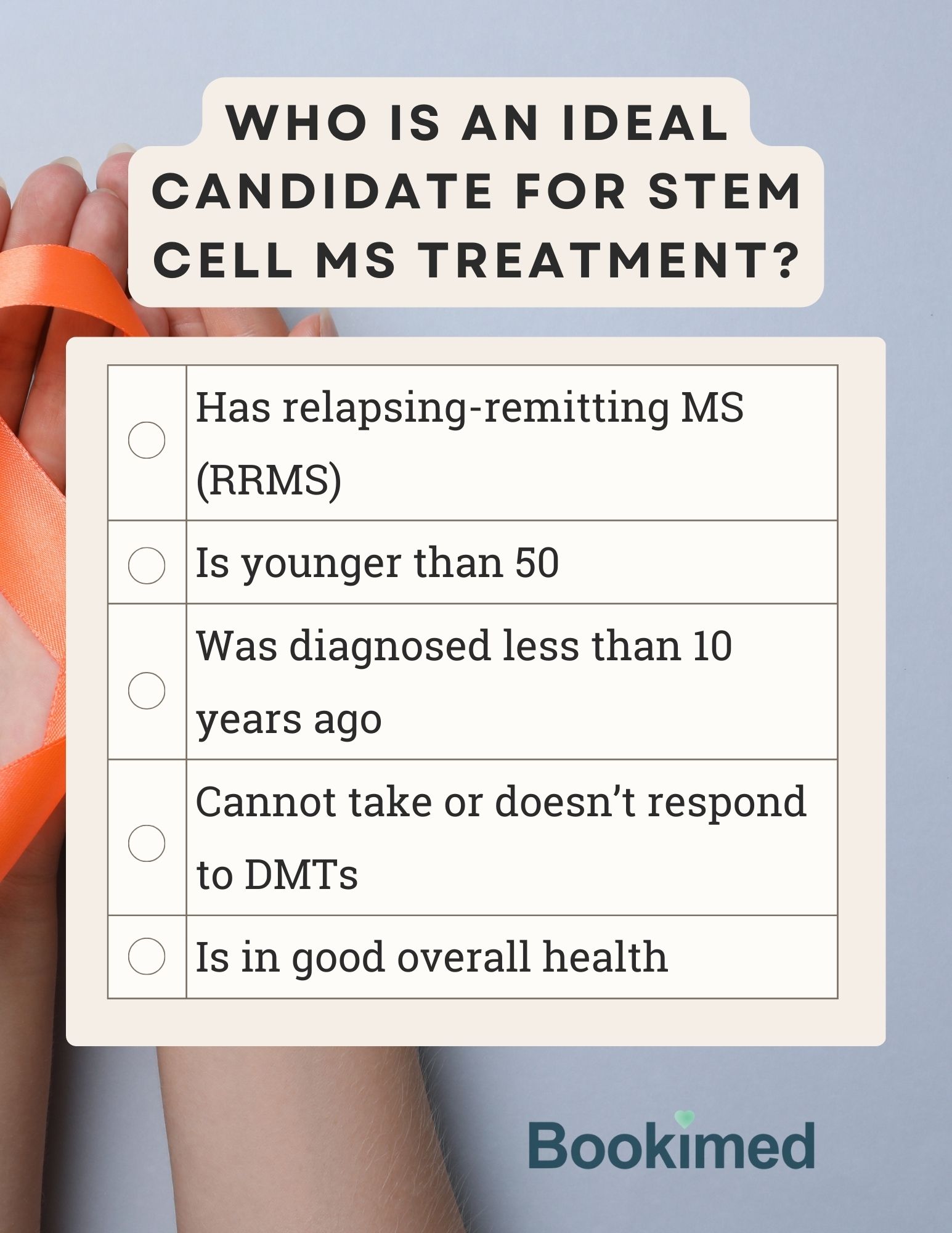
According to the National MS Society, an ideal candidate for stem cell multiple sclerosis treatment:
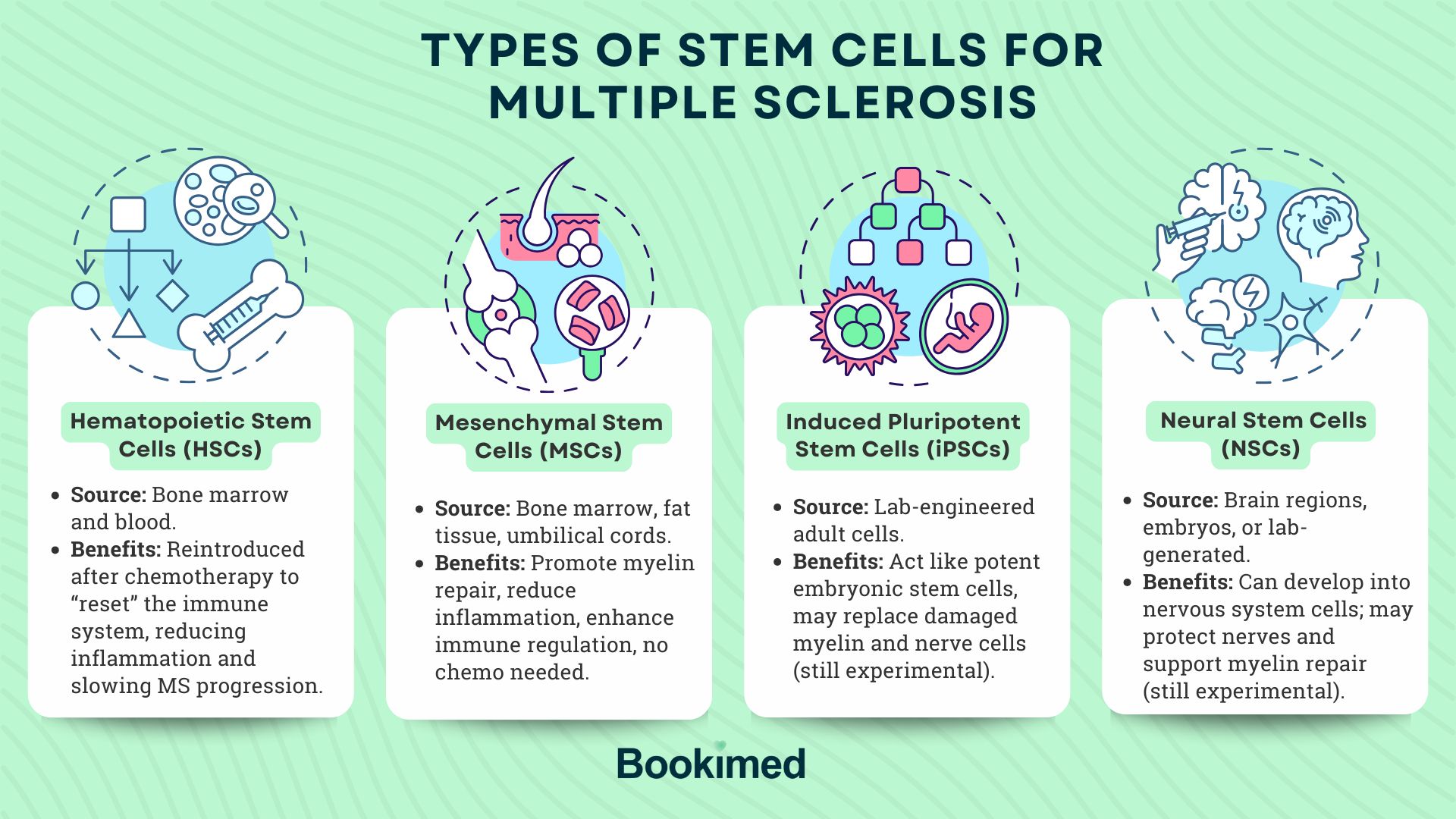
Stem cell therapy for MS primarily uses two types of stem cells, each with a different approach to addressing the disease:
1️⃣ Hematopoietic stem cells (HSCs)
Hematopoietic stem cells are adult stem cells found in bone marrow and blood. They create all cells in the blood and immune system. Hematopoietic stem cells are used in autologous hematopoietic stem cell transplantation (aHSCT).
Doctors collect HSCs, then use chemotherapy to clear out existing immune cells and reintroduce the HSCs to “reset” the immune system. This process helps reduce inflammation and slow MS progression, though it doesn’t repair nerve or myelin damage.
2️⃣ Mesenchymal stem cells (MSCs)
Mesenchymal stem cells (MSCs) reside in bone marrow, skin, and adipose tissue (fat). They can produce various cell types and support other cells in the body. They also promote myelin repair, reduce inflammation, and enhance immune regulation. MSC therapy doesn’t require chemotherapy.
Aside from HSCs and MSCs, scientists are also exploring these options in early-stage trials:
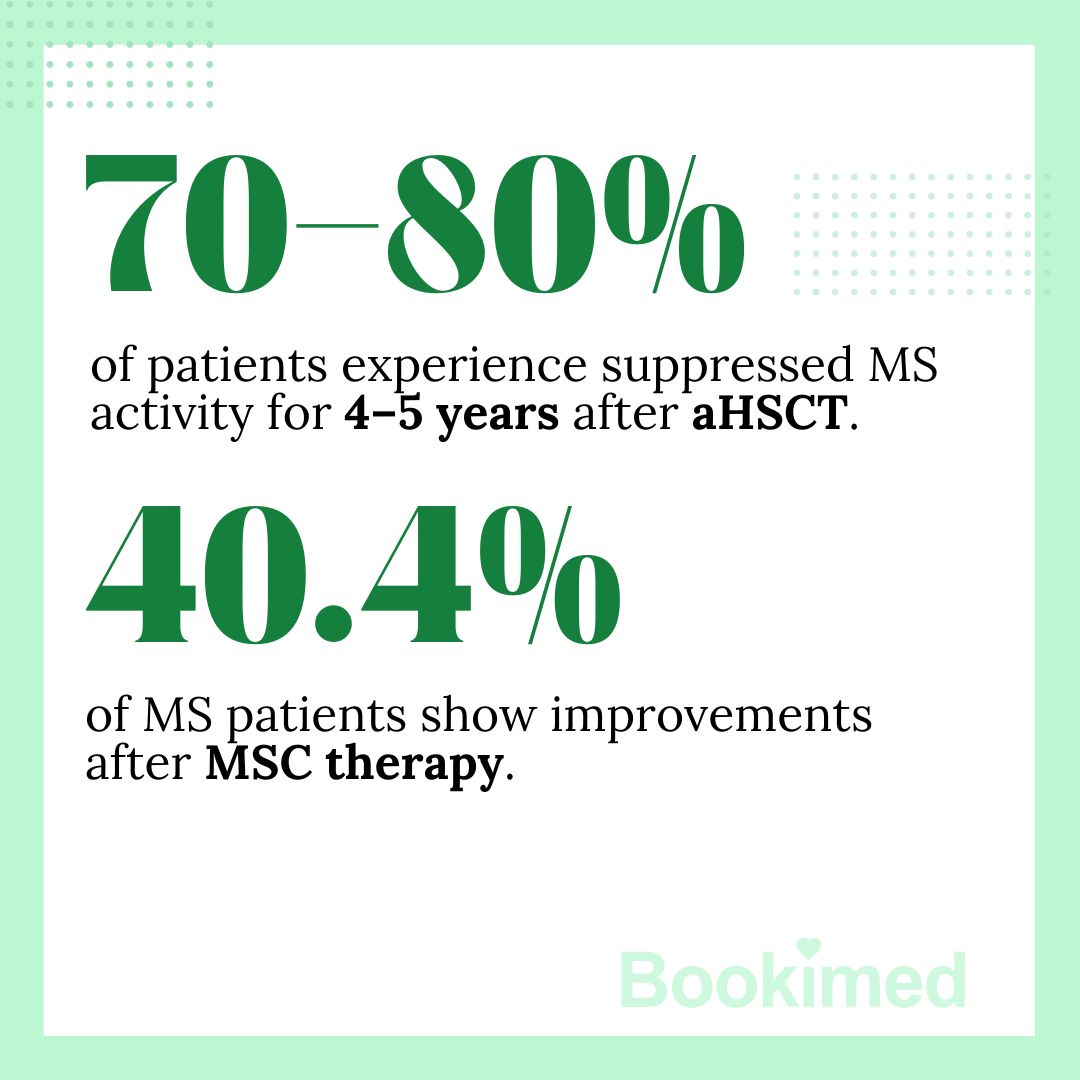
Clinical trials show that aHSCT effectively stops MS inflammation and improves neurological disability:
Mexico, Colombia, and Turkey are the top international destinations for MS stem cell therapies. Each country offers regulatory approval, specialized clinics, experienced professionals, and advanced treatment options. However, Mexico stands out as a particularly attractive choice due to its patient-focused innovations and competitive pricing.
✅ COFEPRIS-approved treatments. In Mexico, stem cell treatments are regulated by COFEPRIS, Mexico’s equivalent to the FDA. Clinics have to follow strict safety and quality standards. This level of oversight and control is not currently available in the U.S., where the FDA still hasn’t approved stem cell therapies for MS.
✅ Lower costs for high-quality care. Mexico offers stem cell treatments at a fraction of U.S. prices. For example, an aHSCT procedure costs around $52,000 in Mexico, compared to $150,000 in the U.S.
✅ Convenient for U.S. residents. With its close proximity, Mexico is an ideal option for U.S. residents seeking treatment abroad. Travel times are short, often just a few hours by flight. This simplifies the logistics for patients needing follow-up care or bringing family support.
✅ The "Mexican Method" for HSCT. Mexico has developed a unique approach to hematopoietic stem cell transplantation (HSCT), designed to reduce treatment strain on the human body:
Based on our Ranking Policy, we analyzed over 150 stem cell therapy providers based on popularity, accreditations, patient reviews, and the availability of MS-focused treatment programs. Here are the top clinics, according to Bookimed’s research:
|
Clinic |
Location |
Why It’s in the Top |
|
Cancún, Mexico |
• Holds accreditations from the Mexican General Health Council and the Canadian Accreditation Council. • A multidisciplinary team of neurologists, anesthesiologists, and regenerative medicine experts. • A laboratory for cell culture expansion and a cryopreservation unit. • Extensive support services, including assistance with travel arrangements, accommodations, and transportation. • Treatment plans combine cellular therapies with tailored nutrition, supplementation, and other regenerative therapies. |
|
|
Puerto Vallarta, Mexico |
• Over 20 years in regenerative medicine. • Utilizes fresh, non-frozen mesenchymal stem cells to maximize cell viability and treatment effectiveness. • Comprises biologists, biophysicists, biochemists, and nutritionists with national and international recognition. • State-of-the-art laboratories for cell harvesting and application. • Combines stem cell therapy with nutritional guidance and other regenerative treatments. |
|
|
Playa del Carmen, Mexico |
• Specializes in personalized stem cell treatments for multiple sclerosis and autoimmune diseases. • Led by Dr. Isabella Bernaschina, a regenerative medicine specialist with over a decade of experience. Dr. Bernaschina holds a Doctorate in Medicine and a Bachelor's in Nutritional Sciences. • She is certified by the RCG, Mexico's leading regenerative medicine community. |
|
|
Playa Del Carmen, Mexico |
• Headquarters in San Diego, California, ensure adherence to high American medical standards and practices. • The clinic was founded by leading stem cell scientists who established stem cell research labs at prestigious U.S. institutions, including the Salk Research Institute, Sanford-Burnham Institute, University of California, Irvine (UCI), and University of California, San Diego (UCSD). • Giostar’s team includes prominent scientific and medical advisors from UCSD, UCI, and other major research institutions. |
|
|
Medellín, Colombia |
• Highly experienced medical professionals with a minimum of 15 years in the field. • Utilizes umbilical cord mesenchymal stem cells isolated and cultured in a COFEPRIS-licensed Mexican laboratory. • Offers extensive support services, including assistance with transportation, hotel and flight bookings, and visa arrangements. |
|
|
İzmir, Turkey |
• Specializes in neurological conditions, providing targeted treatments for multiple sclerosis, autism, and Alzheimer's disease. • Combines stem cell therapy with neurological and practical treatments. • The clinic operates under Good Manufacturing Practice (GMP) standards. |
|
|
Gebze, Turkey |
Specializes in neurological and pediatric care, providing targeted treatments for multiple sclerosis and neurodevelopmental disorders. • Led by Dr. Alex Memish, a senior medical advisor with over 15 years of experience in stem cell research and application. • Regular seminars and workshops are conducted to educate patients and healthcare professionals on the latest developments in stem cell and exosome therapies. |
The cost of stem cell therapy for MS varies depending on the treatment plan, location, and individual patient needs. Here are the average costs in major regions:
🗽 United States
🌍 Europe
For comparison, popular international destinations like Mexico offer more affordable options:
🏜️ Mexico
Lower costs in countries like Mexico are due to reduced operational expenses, streamlined regulatory processes, and a competitive healthcare market. However, exact prices can vary widely based on treatment needs and should be confirmed with each clinic.
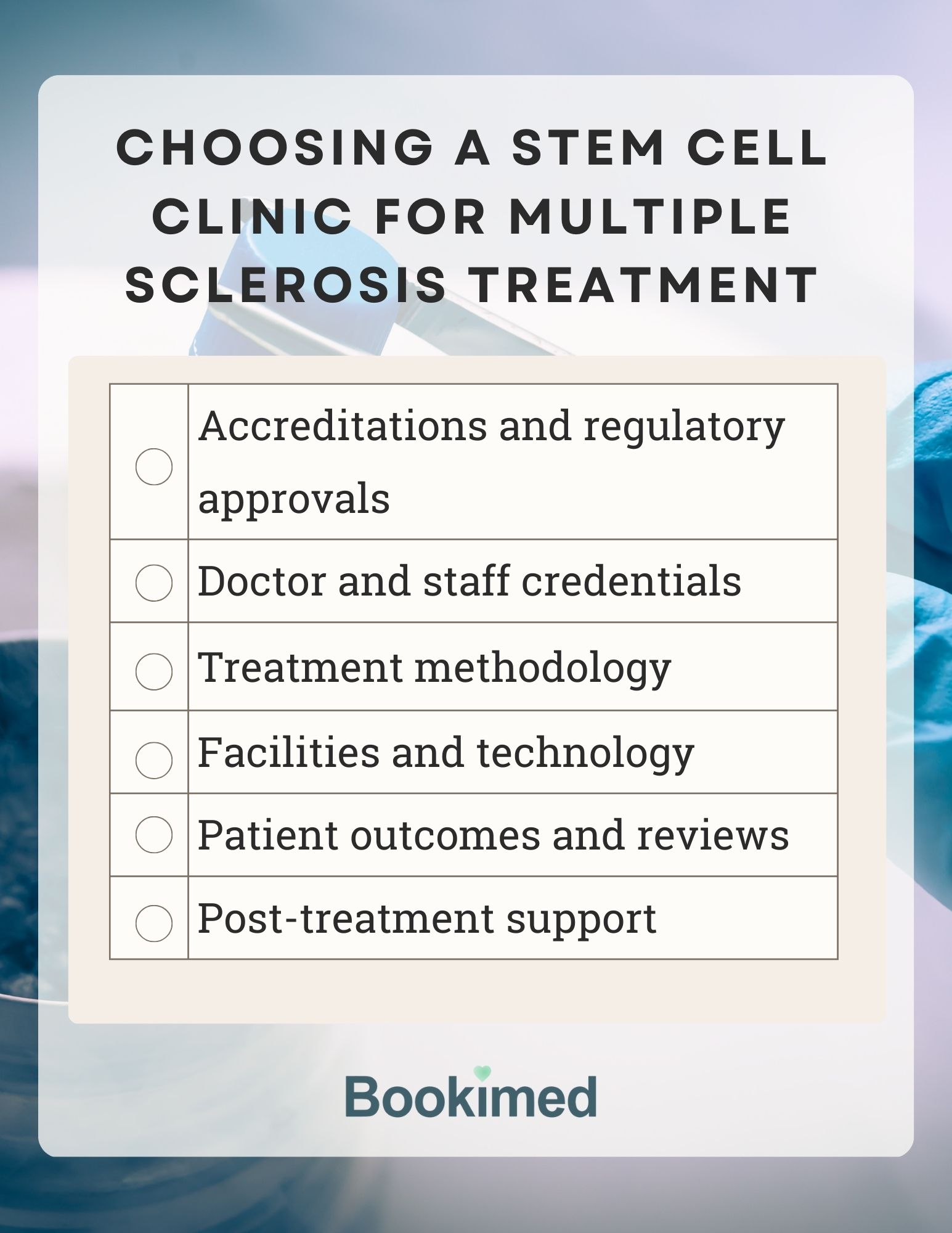
1️⃣ Accreditations and regulatory approvals. Look for clinics approved by recognized bodies, like COFEPRIS in Mexico or the Ministry of Health in Turkey.
2️⃣ Doctor and staff credentials. Verify the qualifications and experience of the medical team, especially in regenerative medicine and neurology.
3️⃣ Treatment methodology. Understand the method — aHSCT or MSC therapy — and the protocol the clinic uses. Inquire about the types of stem cells and delivery methods the clinic uses.
4️⃣ Facilities and technology. Choose clinics with in-house laboratories for cell expansion and cryopreservation.
5️⃣ Patient outcomes and reviews. Research real patient testimonials and clinical outcomes, focusing on relapse rates, symptom improvement, and treatment durability.
6️⃣ Post-treatment support. Opt for clinics offering comprehensive follow-up care and support, as MS requires ongoing monitoring to manage results effectively.
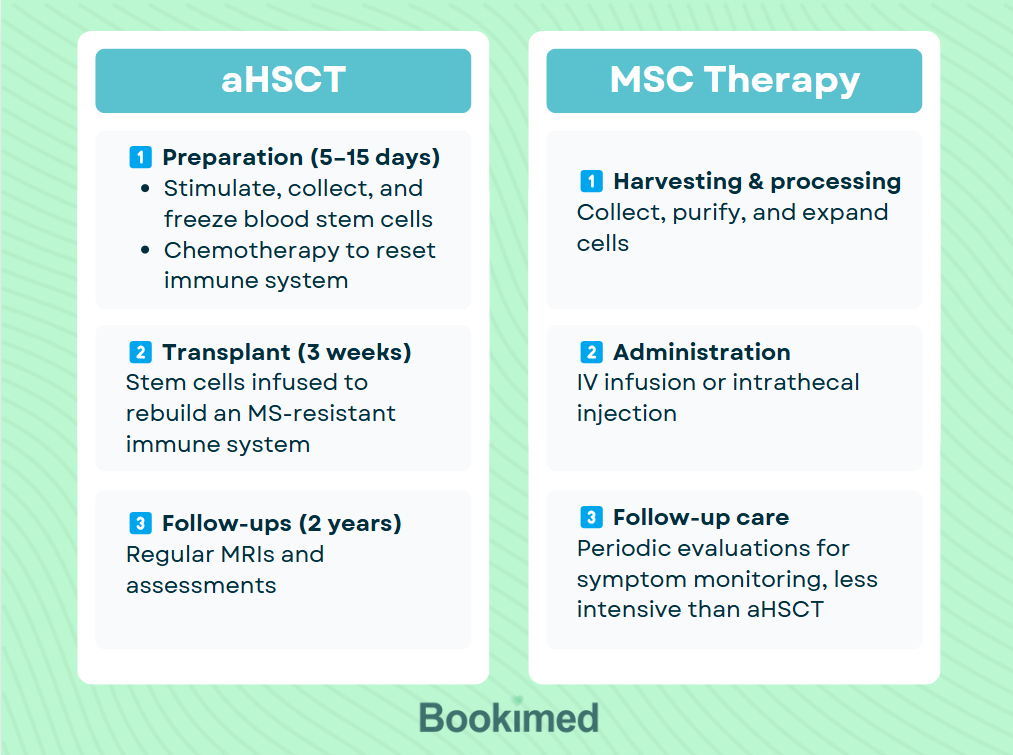
The process for stem cell treatment varies significantly between aHSCT and MSC therapy. Compared to aHSCT, which requires intensive chemotherapy and a multi-week hospital stay, MSC therapy is minimally invasive.
1️⃣ Preparation (5–15 days)
2️⃣ Transplant (3-week hospital stay)
3️⃣ Follow-ups (2 years)
1️⃣ Harvesting and processing
2️⃣ Administration
MSCs can be administered through:
3️⃣ Follow-up care
👉 aHSCT: Patients may notice reduced relapses or symptom stabilization within a few months. However, it takes 6 to 12 months, or longer, for the full benefits to become apparent.
👉 MSC therapy: Patients may see gradual improvements in inflammation and symptom relief within 2 months. MSC therapy often focuses on reducing inflammation, so improvements can be subtle and may take multiple treatment cycles for noticeable effects.
Stem cell therapy for MS is generally safe but does carry potential side effects, which vary by treatment type:
👉 aHSCT
Since aHSCT involves chemotherapy, it can lead to more intensive side effects, including:
👉 Mesenchymal stem cell therapy
MSC therapy typically has milder side effects, such as:
Researchers continue improving safety and effectiveness strategies for MS stem cell therapy, so their future findings may help reduce these side effects.
A trusted clinic with experienced specialists, proper accreditations, and quality facilities can significantly reduce potential risks. Bookimed can connect you with carefully vetted providers that meet high safety and quality standards.
Conventional MS treatments primarily aim for symptom management: