To homepage
4.6/5
TrustPilot

Best Pancreatitis doctors in India: TOP 2 doctors

Compare top Pancreatitis doctors and prices in India. Find your best match here.

Get quotes from 3 top specialists in India

We'll hand-pick the best doctors based on your needs and budget.

Meet the experts behind this page

Top doctors

2

India

Reviews

14,000+

From real patients

Get free personalized treatment plans and choose the best option. No commitment · No payments for our services

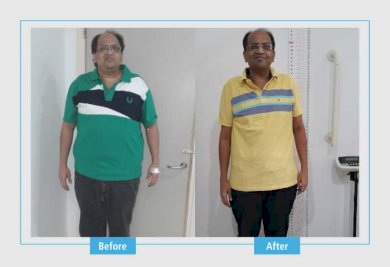
Obesity surgery before and after results at HCG Manavata Cancer Centre, visible weight loss
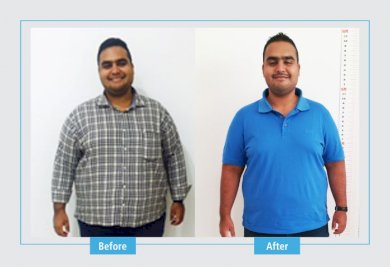
Before and after obesity surgery results at HCG Manavata Cancer Centre, visible weight loss
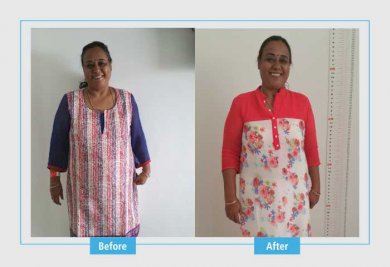
Obesity surgery before and after results at HCG Manavata Cancer Centre, visible weight loss
Jaydeep Palep

Jaydeep Palep

25 years of experience
Clinic is certified
Indian National Accreditation Board for Testing and Calibration Laboratories
Indian National Hospital Accreditation Board
Location: India, Nashik

Dr. Palep has 25 years of experience of experience in Upper GI and Weight Loss Surgeries, including advanced robotic techniques for faster recovery.

  • Trained in Los Angeles for Banded Bypass and Mini Gastric Bypass
  • Performs Sleeve Gastrectomy with Duodeno-jejunal bypass, ideal for vegetarian patients
  • Robotic GI Surgery training in Italy (2006-7) for precision work
  • Less than 1% procedure-related morbidity rate, matching global standards
  • Led department certified as Center of Excellence by IEF
Doctor's visit Price on request

Manipal Hospitals
Jasti B. K. Surendra

Jasti B. K. Surendra

Clinic is certified
International Organization for Standardization
Indian National Accreditation Board for Testing and Calibration Laboratories
Indian National Hospital Accreditation Board
+1
Location: India, Bengaluru

Dr. Jasti B. K. Surendra is a dedicated gastroenterologist at Manipal Hospitals, specializing in digestive health.

  • Focuses on pancreatic disorders and related conditions
  • Provides comprehensive care for gastrointestinal issues
  • Works at a leading hospital with advanced facilities
Doctor's visit Price on request

Choosing a clinic abroad can be stressful. At Bookimed, with over 800K patients helped, we understand your concerns. We know how to find trusted doctors, the best price-quality options, and solutions for even complex cases. We’re here to guide you every step of the way.

Yan Matsiivskiy

Head of Medical Coordinator Team

4300++ patient journeys guided

3 years at Bookimed

20 patients from India have found their doctor through us this month

How you'll get your perfect doctor match

1

2 min Quiz

Tell us your goal, budget, timeline

2

Human Matching + AI

Our algorithm finds matches, coordinator verifies fit

3

Your Options Ready

Compare prices, packages, dates. Chat with your coordinator

Overwhelmed by choices?

Your personal Bookimed coordinator helps you find the perfect surgeon tailored to your needs

  • Supports you 24/7 at every stage
  • Helps match you with the doctor and handles all communication with clinics
  • Coordinates your travel, accommodation, and transfers

Guiding your treatment

Medically trained personal coordinators

Peguy Beaugris
Tetyana Hyrych
Zekra Eldeeb
Victoria Olayinka
Iryna Sydorchuk
Tetiana Ihnatiuk

Choosing the Right Doctor and Clinic: Insider Tips

When selecting a doctor or clinic, keep these key points in mind:
Check credentials
Verify certifications from bodies like ISAPS, JCI, or relevant medical boards
Review success rates
Choose doctors with solid experience and a proven track record in your specific treatment.
Read patient reviews
Browse Bookimed reviews from real patients to learn about their experiences.
Ensure effective communication
Pick clinics that offer language support for a smooth treatment process.
Ask about services
Confirm whether the price includes services such as accommodation, local transfers, and follow-up care to avoid hidden costs.

Bookimed Insights: Top Pancreatitis Specialists in India (2026)

Bookimed has coordinated 3 requests for Pancreatitis treatment in India, collaborating with 2 top-rated specialists. The doctors in this table are selected based on their international credentials, clinical expertise, and patient outcomes. The 2026 ranking is formed using verified data from actual patient cases and current programs from our partner clinics.
RankDoctorexperienceGood Fit ForWhat Sets Them ApartClinic & LocationConsultation
#125 years of experienceComplex biliopancreatic surgeriesPioneer in robotic weight loss procedures trained internationally. Heads IEF-certified Center of Excellence with under 1% complication rates.
India
Price on request
#2Pancreatic disordersSpecializes in pancreatic disorders with a focus on comprehensive digestive care. Part of the team at Manipal Hospitals, known for advanced gastroenterology services.
India
Price on request

FAQ

These FAQs come from real patients seeking medical assistance through Bookimed. Answers are given by experienced medical coordinators and trusted clinic representatives.

What are the best hospitals for pancreatitis treatment in India?

India offers advanced pancreatitis treatment at JCI and NABH accredited hospitals like Apollo Hospital Indraprastha and Manipal Hospitals. Centers in Delhi, Bengaluru, and Mumbai specialize in endoscopic retrograde cholangiopancreatography (ERCP), laparoscopic necrosectomy, and Whipple procedures. These facilities provide critical care with high success rates for acute and chronic conditions.

  • Specialized techniques: Hospitals perform ERCP, stenting, and stone removal via lithotripsy.
  • Minimally invasive care: Laparoscopic and robotic drainage procedures reduce recovery time significantly.
  • Top certifications: Leading centers hold JCI and Newsweek World's Best Hospitals 2021 rankings.
  • Expert surgeons: Specialists like Dr. Jaydeep Palep utilize advanced robotic gastrointestinal surgery.

Bookimed Expert Insight: While top-tier facilities like Apollo and Manipal serve over 1,000,000 patients annually, the real differentiator is the Full Time Specialist System. Clinics like Kokilaben Dhirubhai Ambani use this model to ensure specialists are available 24/7 for acute flares. This constant availability is vital for managing sudden pancreatitis complications that require immediate ICU intervention.

Patient Consensus: Patients emphasize that traveling to metro hospitals like Apollo or Fortis is essential for faster ICU access. Many note that surgeon skill and imaging-guided care are more important than general hospital reputation.

Is pancreatitis curable or only manageable?

Acute pancreatitis is considered curable because the pancreas usually heals once the underlying cause is resolved. Chronic pancreatitis is a progressive condition requiring lifelong management. While scarring and damage are irreversible, specialized care aims to preserve function and prevent serious complications.

  • Acute resolution: Most patients recover fully within days or weeks with medical care.
  • Chronic management: Focuses on pain control and long-term pancreatic enzyme replacement therapy.
  • Surgical intervention: Removal of the pancreas is reserved for severe, treatment-resistant cases.
  • Diagnostic standards: Indian centers utilize advanced methods like gastroscopy for precise disease staging.

Bookimed Expert Insight: Manipal Hospitals and Apollo Hospital Indraprastha manage over 1,000,000 patients annually. This massive volume allows Indian specialists to identify the transition from acute to chronic stages earlier. Early intervention at JCI-accredited facilities often prevents permanent loss of insulin production naturally.

Patient Consensus: Patients emphasize that strict adherence to diet and total alcohol avoidance are non-negotiable for staying pain-free. Many feel relieved after finding clinics where enzymes are adjusted based on their specific meal habits.

What treatment options are available for pancreatitis in India?

Treatment for pancreatitis in India follows a multi-stage approach including medical stabilization, endoscopic interventions, and advanced surgical procedures. Patients access JCI-accredited facilities for specialized care like ERCP, EUS-guided drainage, and robotic necrosectomy. Indian medical hubs offer these specialized services at significantly lower costs than Western healthcare systems.

  • Endoscopic procedures: ERCP removes ductal stones and places stents to restore normal digestive flow.
  • Surgical techniques: Surgeons perform laparoscopic or robotic necrosectomy to remove damaged tissue with precision.
  • Specialized diagnostics: Doctors utilize EUS and MRCP for accurate staging of pancreatic inflammation and necrosis.
  • Chronic management: Comprehensive care includes enzyme replacement therapy and pain management via celiac plexus blocks.

Bookimed Expert Insight: Patient volume data highlights a significant expertise gap in gastrointestinal care across India. Manipal Hospitals serves 2,000,000 patients annually while Medanta Hospital maintains 1,600 beds for complex cases. Choosing these high-volume centers ensures access to specialists like Dr. Jaydeep Palep. He maintains a 99% survival rate in advanced gastrointestinal procedures through intensive robotic training.

Patient Consensus: Patients emphasize that early intervention for gallstones via ERCP is vital to prevent recurring attacks. Those treated in major metro hospitals note that 70% of cases improve with standard IV hydration and specialist-led conservative care.

Which hospitals offer specialised therapy for chronic pancreatitis pain and stones?

India hosts several advanced medical centers specializing in chronic pancreatitis therapy. Leading hospitals like Apollo Hospital Indraprastha and Manipal Hospitals utilize Extracorporeal Shock Wave Lithotripsy (ESWL) for stone fragmentation. They also perform endoscopic retrograde cholangiopancreatography (ERCP) and celiac plexus blocks for complex pain management.

  • Stone removal: Apollo Hospital Indraprastha uses ESWL to dissolve pancreatic duct stones without surgery.
  • Pain management: Clinics like Medanta offer celiac plexus blocks and neurolysis for chronic relief.
  • Robotic surgery: Global Hospital Mumbai provides robotic-assisted minimally invasive procedures for pancreatic duct drainage.
  • Doctor expertise: Dr. Jaydeep Palep at Manipal specializes in complex pancreatic and biliary surgeries.

Bookimed Expert Insight: Manipal Hospitals serves over 2,000,000 patients annually and maintains a massive network of 15 facilities. This high volume across its specialized centers allows for standardized care in gastroenterology. Patients seeking lithotripsy specifically should target larger hubs like Bengaluru or Delhi. These locations often house the specific GI endoscopy suites required for advanced stone management.

Patient Consensus: Patients note that procedures like pancreatic duct stenting provide significant relief. They often emphasize the importance of choosing centers with dedicated GI surgery teams to manage long-term pain effectively.

What is the typical recovery timeline after an endoscopic or surgical procedure for pancreatitis?

Recovery after pancreatitis procedures in India depends on the technique used. Endoscopic treatments like ERCP allow patients to return to daily activities within 1 to 3 days. Major surgical options, such as the Whipple procedure, require approximately 1 to 2 months for full recovery and energy restoration.

  • Endoscopic recovery: Most patients resume work and normal routines within 3 days.
  • Surgical hospital stay: Complex operations typically require 3 to 14 days of inpatient monitoring.
  • Physical activity: Patients generally regain enough strength for unassisted walking within 4 weeks.
  • Dietary transition: Regular food intake often resumes within 2 days after endoscopic stenting.
  • Strenuous activity: Surgeons advise avoiding heavy lifting for 6 to 8 weeks post-surgery.

Bookimed Expert Insight: Data from high-volume Indian centers highlights a significant shift toward robotic-assisted GI surgery. Surgeons like Dr. Jaydeep Palep at HCG Manavata utilize robotic systems to lower morbidity to 1%. This precision often reduces the transition from liquid to solid diets compared to open surgery. Choosing clinics with over 20,000 annual patients, like Medanta, ensures better post-operative monitoring for complex cases.

Patient Consensus: Patients note that while physical strength returns within a month, lingering fatigue is common. Many emphasize tracking daily symptoms closely to manage digestion issues that may last beyond 6 months.

Who is considered a good candidate for surgical treatment in India?

Surgical candidates for pancreatitis in India typically include patients with chronic inflammation causing intractable pain unresponsive to medication. Ideal candidates have well-managed comorbidities and realistic recovery goals. Indian specialists often require definitive diagnostic readiness. This includes clear pancreatic duct obstruction or persistent pseudocysts on imaging.

  • Clinical indication: Chronic pain resisting enzymes or proton pump inhibitors often requires surgery.
  • Abstinence requirement: Patients must typically document at least 6 months of alcohol abstinence.
  • Ductal obstruction: Operation is necessary when stones or strictures block the pancreatic duct.
  • Nutritional status: Surgeons prefer younger patients under 50 with a BMI above 18.

Bookimed Expert Insight: Patient volume is a major indicator of success for complex biliopancreatic surgeries. Manipal Hospitals serves 2,000,000 patients annually and uses IBM Watson for precise treatment planning. High-volume centers often report better outcomes for procedures like the Frey or Puestow. Dr. Jaydeep Palep maintains a 99% survival rate for complex gastrointestinal surgeries. Choosing hospitals with massive patient flows ensures surgeons have handled various anatomical challenges.

Patient Consensus: Patients note that surgery is usually a last resort after multiple failed endoscopic attempts. Many emphasize the need to prepare for lifelong insulin or enzyme replacement after the procedure.

Do Indian centres have accreditation & infection-control standards acceptable to medical tourists?

Leading Indian medical centers maintain infection control standards that meet global expectations for medical tourists. Top facilities hold Joint Commission International (JCI) accreditation. This ensures rigorous safety protocols identical to hospitals in the United States. National benchmarks like NABH further guarantee high-quality care.

  • JCI accreditation: Hospitals follow strict global safety and sterilization standards for pancreatitis care.
  • NABH certification: National quality standards ensure structured infection prevention and antimicrobial management programs.
  • Hospital capacity: Major networks like Apollo Hospital Indraprast treat 1,000,000 patients annually.
  • Diagnostic precision: Centers use advanced monitoring including gastroscopy and ECG for pancreatitis diagnosis.

Bookimed Expert Insight: Accreditation patterns reveal that top cities like Gurgaon and Bengaluru house the highest density of multi-certified centers. For instance, Artemis Hospitals and Manipal Hospitals hold both JCI and NABH credentials. This dual layer of oversight ensures that infection rates remain low even in high-volume settings serving 2,000,000 patients annually.

Patient Consensus: Patients note that the hygiene and professional care in recognized Delhi and Mumbai hospitals match international private clinics. They emphasize that choosing large accredited networks provides the most peace of mind regarding safety and cleanliness.



