To homepage
4.6/5
TrustPilot

Best Lipofilling (Fat Grafting) doctors in Mexico City: TOP 4 doctors

Compare top Lipofilling (Fat Grafting) doctors and prices in Mexico. Find your best match here.

Get quotes from 3 top Lipofilling (Fat Grafting) specialists in Mexico

We'll hand-pick the best doctors based on your needs and budget.

Meet the experts behind this page

Top doctors

4

Mexico

Reviews

14,000+

From real patients

Choose the country with the best prices for doctors' services

Compare prices for Lipofilling (Fat Grafting) across top countries

Tap a country to view top doctors and prices

Ukraine
Turkey
South Korea
Thailand
Mexico
Spain
$300 - $2,600
$1,400 - $4,000
$1,900 - $3,200
$2,200 - $4,000
$2,500 - $4,500
$2,500 - $4,500
$0
$1,000
$2,000
$3,000
$4,000
$5,000

What Bookimed patients actually pay for Lipofilling (Fat Grafting) in Mexico

Most popular range

$1.2K

$1.5K

$1.8K

$2.4K

$3K

$1,800 – $2,400

Most patients pay within this range

The exact cost depends on the chosen doctor, technique, areas treated, and your individual needs.

Get a precise quote for your case.

Get free personalized treatment plans and choose the best option. No commitment · No payments for our services

Show first:

275 people have requested a quote last month

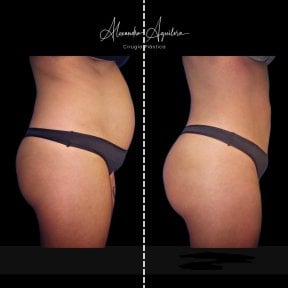
Before and after lipofilling results at Alexandre Aguilera, enhanced body contour visible
Alexandro Aguilera

Alexandro Aguilera

5 Excellent1 review
18 years of experience
3000+ treatments performed
Clinic is certified
Asociación Mexicana de Cirugía Plástica, Estética y Reconstructiva
Federación Ibero Latinoamericana de Cirugía Plástica
Consejo Mexicano de Cirugía Plástica, Estética y Reconstructiva
+1
Location: Mexico, Mexico City

Dr. Alexandro Aguilera, a winner of prestigious international awards, specializes in reconstructive microsurgery and hand procedures.

  • Subspecialty training in Plastic and Reconstructive Surgery at Hospital General 'Dr. Manuel Gea González'
  • Advanced expertise in hand surgery and peripheral nerve procedures
  • Winner of multiple national and international research competitions
  • Former奔 attending physician at the National Institute of Pediatrics
  • Associate Professor of Experimental Microsurgery Training at UNAM
Doctor's visit Price on request
DR. IRERI ASTEINZA Clinic
Edmundo Pichardo

Edmundo Pichardo

39 years of experience
Clinic is certified
American College of Obstetricians and Gynecologists
Consejo Mexicano de Cirugía Plástica, Estética y Reconstructiva
Joint Commission International
+18
Location: Mexico, Mexico City
Doctor's visit Price on request
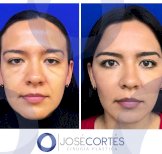
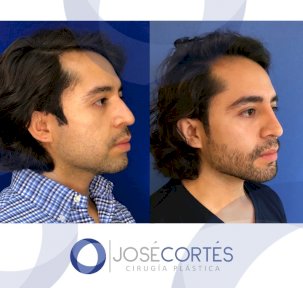
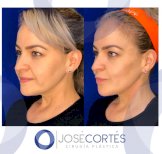
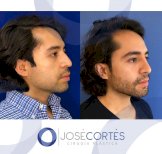
Before and after lipofilling results at José Cortés Institute, facial fat grafting improvement
Before and after lipofilling results at José Cortés Institute, enhanced facial contour visible
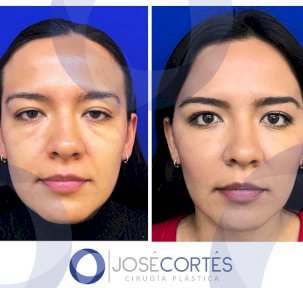
Before and after lipofilling results at José Cortés Institute, enhanced facial contouring
Jose Cortes

Jose Cortes

5 Excellent4 reviews
20 years of experience
Clinic is certified
Asociación Mexicana de Cirugía Plástica, Estética y Reconstructiva
American Society of Plastic Surgeons
Consejo Mexicano de Cirugía Plástica, Estética y Reconstructiva
+1
Location: Mexico, Mexico City

Dr. Jose Cortes is a top plastic surgeon in Mexico City, specializing in aesthetic and reconstructive procedures, including lipofilling.

  • Member of the International Federation for Adipose Therapeutics and Science (IFATS)
  • Awarded Top Plastic Surgeon in Mexico by Lideres Magazine
  • Completed high specialty courses in Aesthetic Facial and Body Surgery
  • Published approximately 10 scientific articles in Mexico and Japan
Doctor's visit Price on request
DR. IRERI ASTEINZA Clinic
Walter Querevalú

Walter Querevalú

36 years of experience
Clinic is certified
American College of Obstetricians and Gynecologists
Consejo Mexicano de Cirugía Plástica, Estética y Reconstructiva
Joint Commission International
+18
Location: Mexico, Mexico City
Doctor's visit Price on request

Choosing a clinic abroad can be stressful. At Bookimed, with over 800K patients helped, we understand your concerns. We know how to find trusted doctors, the best price-quality options, and solutions for even complex cases. We’re here to guide you every step of the way.

Yan Matsiivskiy

Head of Medical Coordinator Team

4300++ patient journeys guided

3 years at Bookimed

489 patients from Mexico have found their doctor through us this month

How you'll get your perfect doctor match

1

2 min Quiz

Tell us your goal, budget, timeline

2

Human Matching + AI

Our algorithm finds matches, coordinator verifies fit

3

Your Options Ready

Compare prices, packages, dates. Chat with your coordinator

Overwhelmed by choices?

Your personal Bookimed coordinator helps you find the perfect surgeon tailored to your needs

  • Supports you 24/7 at every stage
  • Helps match you with the doctor and handles all communication with clinics
  • Coordinates your travel, accommodation, and transfers

Guiding your treatment

Medically trained personal coordinators

Peguy Beaugris
Tetyana Hyrych
Zekra Eldeeb
Victoria Olayinka
Iryna Sydorchuk
Tetiana Ihnatiuk

Choosing the Right Doctor and Clinic: Insider Tips

When selecting a doctor or clinic, keep these key points in mind:
Check credentials
Verify certifications from bodies like ISAPS, JCI, or relevant medical boards
Review success rates
Choose doctors with solid experience and a proven track record in your specific treatment.
Read patient reviews
Browse Bookimed reviews from real patients to learn about their experiences.
Ensure effective communication
Pick clinics that offer language support for a smooth treatment process.
Ask about services
Confirm whether the price includes services such as accommodation, local transfers, and follow-up care to avoid hidden costs.

Bookimed Insights: Top Lipofilling (Fat Grafting) Specialists in Mexico (2026)

Bookimed has coordinated 63 requests for Lipofilling (Fat Grafting) in Mexico, collaborating with 4 top-rated specialists. The doctors in this table are selected based on their international credentials, clinical expertise, and patient outcomes. The 2026 ranking is formed using verified data from actual patient cases and current programs from our partner clinics.
RankDoctorexperienceGood Fit ForWhat Sets Them ApartClinic & LocationConsultation
#118 years of experienceReconstructive microsurgeryInternationally awarded for reconstructive microsurgery expertise. Specializes in hand and peripheral nerve procedures. Former attending at National Institute of Pediatrics.
Mexico
from $1,000
#220 years of experienceAesthetic fat graftingSpecialist in aesthetic fat grafting with IFATS membership. Recognized as a top plastic surgeon in Mexico with extensive training in body and facial aesthetics.
Mexico
from $80

FAQ

These FAQs come from real patients seeking medical assistance through Bookimed. Answers are given by experienced medical coordinators and trusted clinic representatives.

Is it safe to get fat grafting done in Mexico?

Fat grafting in Mexico is safe when performed by surgeons certified by the Mexican Council of Plastic Surgery (CMCPER). High-security facilities in Tijuana, Mexico City, and Guadalajara maintain international safety standards using advanced purification techniques to ensure 95-99% success rates for fat survival.

  • Surgeon credentials: Verify certification from the Asociación Mexicana de Cirugía Plástica (AMCPER) for legal surgical authority.
  • Facility standards: Choose clinics with JCI or General Health Council (CSG) accreditation to ensure emergency infrastructure.
  • Technique safety: Surgeons like Dr. Arturo Munoz Meza maintain 20-year records with no severe complications.
  • Patient screening: Certified centers reject same-day surgeries, requiring pre-operative lab work to clear physical health.

Bookimed Expert Insight: Data shows a high concentration of world-class plastic surgeons in Mexico City, like Dr. Jose Cortes, who holds multiple high-specialty certifications. While Tijuana is popular for proximity, Mexico City clinics often feature deeper academic credentials and pioneer technologies like ultrasonic-assisted grafting, which can improve long-term fat retention.

Patient Consensus: Patients emphasize that safety relies on choosing a board-certified surgeon over the lowest price. Many report that while fat grafting feels less invasive than implants, results depend heavily on biological fat survival and follow-up care.

Are lipofilling results permanent?

Lipofilling results are permanent once the transferred fat cells successfully integrate into your body. While roughly 30% to 50% of the fat is naturally reabsorbed within 6 months, surviving cells establish a permanent blood supply and behave like native tissue for life.

  • Survival timeline: Final volume stabilizes within 3 to 6 months after initial reabsorption.
  • Body fluctuations: Surviving fat cells expand or shrink alongside overall body weight changes.
  • Aging impact: Results are subject to natural skin elasticity loss and aging over time.
  • Surgical technique: Proper handling by AMCPER-certified surgeons ensures a higher graft survival rate.

Bookimed Expert Insight: Data shows Mexican clinics like José Cortés Institute often achieve high survival rates through specialized techniques. While the US average cost is $8,500, choosing Mexico offers 59% savings. This price gap allows patients to budget for a second refinement session if reabsorption exceeds expectations.

Patient Consensus: Many patients suggest waiting 6 months to see final volume. They emphasize that while fat is more durable than fillers, multiple sessions are sometimes needed to achieve the desired look.

Who is considered an ideal candidate?

An ideal candidate for lipofilling in Mexico is a healthy adult with stable weight and sufficient harvestable donor fat in areas like the abdomen or thighs. Successful patients typically seek natural volume restoration in the face, breasts, or buttocks and maintain realistic expectations regarding fat survival rates.

  • Donor sites: Must have adequate fat deposits on the flanks, back, or stomach for harvesting.
  • Weight stability: Should maintain a consistent weight to prevent transferred fat cells from shrinking or expanding.
  • Overall health: Non-smokers without uncontrolled diabetes ensure optimal healing and higher graft survival percentages.
  • Tissue quality: Firm skin without heavy scarring allows the injected fat to integrate more effectively.

Bookimed Expert Insight: While many clinics offer fat grafting, surgeon experience with high patient volumes is the strongest indicator of success. Dr. Alexandro Aguilera at his Mexico City clinic has performed over 3,000 procedures. Selecting a specialist with this level of repetition often leads to better fat retention and fewer touch-up sessions, despite the natural 30% to 50% absorption rate.

Patient Consensus: Many patients find that multiple sessions are often necessary to reach their goal volume since not all fat survives. Those who prepare for subtle, natural-looking refinements rather than dramatic one-time changes report the highest satisfaction levels.

Is it safe to get lipofilling done in Mexico?

Lipofilling in Mexico is safe when performed by surgeons certified by the Mexican Council of Plastic, Aesthetic and Reconstructive Surgery (CMCPER). High-tier clinics in Tijuana, Mexico City, and Guadalajara utilize advanced fat-processing technologies and maintain rigorous safety standards comparable to major US facilities.

  • Surgeon credentials: Verify CMCPER certification and AMCPER membership to ensure expert training and ethical standards.
  • Facility safety: Choose centers with COFEPRIS approval or JCI accreditation to guarantee medical safety protocols.
  • Clinical expertise: Top surgeons like Dr. Jose Cortes have performed thousands of successful body contouring procedures.
  • Safety records: Established clinics such as Dr. Arturo Muñoz Meza Plastic Surgery report no severe complications.

Bookimed Expert Insight: Data shows that the highest-rated Mexican specialists often hold multiple international affiliations, including ASPS and ISAPS. While you can save up to 59% compared to US costs, the real differentiator is experience. Surgeons at the Jose Cortes Institute maintain 95-99% success rates by specializing deeply in specific body areas rather than performing general surgery.

Patient Consensus: Patients emphasize that choosing a board-certified surgeon is more critical than the clinic's location. They often suggest budgeting for future touch-ups, as some transferred fat naturally reabsorbs during the first 3 months.

What specific questions should I ask a Mexican surgeon about their technique?

Ask your Mexican surgeon about their fat harvesting method, specifically whether they use manual, power-assisted, or ultrasound-assisted liposuction. Inquire about their fat processing steps, like centrifugation or filtering. Finally, confirm if they use layered, small-aliquot injections to ensure fat survival and prevent necrosis.

  • Fat harvesting: Ask about cannula size and suction method to ensure gentle cell preservation.
  • Processing technique: Confirm if they decant, wash, or centrifuge to removes impurities from grafts.
  • Injection method: Verify use of multiple planes to maximize blood supply and avoid lumps.
  • Survival expectations: Discuss realistic fat retention percentages and the potential need for second sessions.
  • Safety protocols: Ask how they avoid blood vessels to prevent serious vascular injection complications.

Bookimed Expert Insight: Look for surgeons with dual memberships in AMCPER and the American Society of Plastic Surgeons (ASPS), like Dr. Jose Cortes. This cross-border certification signifies they meet rigorous safety standards shared by both Mexico and the US. Data shows top-tier Mexican clinics often handle 500 to 2,500 patients annually, suggesting high proficiency in these refined techniques.

Patient Consensus: Patients emphasize requesting photos of previous cases with similar body types and skin quality. They frequently mention that clear, plain-language explanations of aftercare protocols are more reliable than vague marketing promises.

What are the main medical risks associated with the procedure?

Lipofilling in Mexico carries specific risks including fat reabsorption, which may lead to unpredictable volume loss or asymmetry. Patients also face potential contour irregularities, oil cysts, or fat necrosis. Major complications remain rare in facilities accredited by the Mexican Council of Plastic, Aesthetic and Reconstructive Surgery.

  • Fat reabsorption: Transferred fat may not survive, requiring additional sessions for desired volume.
  • Contour irregularities: Uneven fat distribution can result in lumps, nodules, or visible asymmetry.
  • Fat necrosis: Poorly vascularized fat cells may die, forming firm and painful tissue lumps.
  • Infection risk: Common surgical risks include infection, particularly when lipofilling is paired with liposuction.

Bookimed Expert Insight: Choosing a surgeon with high specialization counts, like Dr. Alexandro Aguilera who has performed 3,000 procedures, significantly reduces risk. While price ranges between $2,500 and $4,500, the safest outcomes often correlate with clinics holding both Joint Commission International and AMCPER accreditations. Specialized centers like the José Cortés Institute maintain 95%+ success rates by using advanced fat-purification technologies.

Patient Consensus: Many patients report that swelling lasts longer than expected, sometimes masking the final results for months. They emphasize the need to prepare for potential touch-up procedures if fat absorption occurs unevenly.

Are the results of fat grafting permanent?

Fat grafting results are permanent once transferred cells establish a blood supply, typically within 6 months. While about 50% to 70% of fat survives long-term, these cells behave like natural tissue. They expand or shrink with weight changes and age alongside your surrounding anatomy.

  • Survival rate: Approximately 50% to 70% of transferred cells integrate permanently into the target area.
  • Stabilization period: The body reabsorbs 30% to 50% of fat during the first 6 months.
  • Weight impact: Grafted fat is living tissue that fluctuates in size with your overall weight.
  • Long-term aging: While cells remain, natural bone and skin volume loss continues over time.

Bookimed Expert Insight: Mexico is a global hub for fat grafting, ranking 2nd in popularity with over 11,400 requests served. High-volume clinics like José Cortés Institute maintain 95% survival rates by using refined techniques. Surgeons often overfill slightly to account for natural resorption, so your final volume only locks in after 24 weeks.

Patient Consensus: Many patients find the first 12 weeks stressful as swelling subsides and fat settles. Staying at a stable weight is the most common advice to keep your new curves looking consistent.

What does the timeline for recovery look like?

Initial recovery from lipofilling in Mexico typically takes 7 to 14 days for returning to work. While bruising and swelling subside within 2 to 4 weeks, final results only stabilize after 3 to 6 months as the grafted fat cells settle.

  • Immediate downtime: Most patients manage soreness and swelling within the first 7 days.
  • Activity restrictions: Heavy exercise and direct pressure on grafted areas are restricted for 6 weeks.
  • Symptom management: Donor site soreness often exceeds discomfort at the injection site during week 1.
  • Final results: Permanent body contouring outcomes become visible between 3 and 6 months post-surgery.

Bookimed Expert Insight: While many focus on the injection site, data from clinics like José Cortés Institute and Dr. Arturo Muñoz Meza shows the donor liposuction area requires more intensive aftercare. Clinics in Tijuana and Mexico City often emphasize that early volume is temporary; expect 20-40% of transferred fat to naturally reabsorb during the first 3 months.

Patient Consensus: Recovery is fast initially but takes months to fully settle. Patients frequently report that the donor site soreness is the most annoying part, while protecting the grafted fat from pressure is the biggest challenge.

What questions should I ask my surgeon during a consultation?

Ask about the surgeon's Mexican Council of Plastic Aesthetic and Reconstructive Surgery (AMCPER) certification and their specific fat graft survival rates. Inquire about the harvesting technique, donor site recovery, and the number of sessions required to achieve your desired aesthetic goals in Mexico.

  • Surgeon credentials: Verify AMCPER or CMCPER board certification and International Society of Aesthetic Plastic Surgery membership.
  • Survival rates: Ask what percentage of transferred fat typically survives based on their personal results.
  • Harvesting method: Confirm if they use manual or machine-assisted liposuction to preserve fat cell viability.
  • Complication management: Ask how they specifically prevent and treat potential fat necrosis or oil cysts.

Bookimed Expert Insight: While many clinics offer lipofilling, top-tier Mexican surgeons like Dr. Jose Cortes often have a background in microsurgery or reconstructive work. This specialized training is vital for fat grafting because successful outcomes depend on delicate `small-aliquot` injection techniques to ensure each fat cell gains a blood supply. High-volume specialists often perform over 2,000 procedures, significantly reducing the risk of asymmetry compared to generalists.

Patient Consensus: Patients emphasize asking for `healed` photos rather than immediate post-op results to see the true final volume. Many suggest confirming which recovery steps can be managed remotely once you return home.

What are the absolute rules for protecting transferred fat?

Protecting transferred fat requires strictly avoiding physical pressure and vascular constriction during the critical 12-week healing window. Success depends on neovascularization, where new blood vessels must connect to the grafted cells. Patients must completely avoid nicotine and extreme temperatures to prevent cell death and reabsorption.

  • Pressure management: Use specialized pillows to keep weight off treated areas for 6 weeks.
  • Nicotine cessation: Stop all smoking and vaping 6 weeks before and after surgery.
  • Temperature control: Avoid ice packs or hot tubs that disrupt fragile micro-droplet stability.
  • Weight stability: Maintain a consistent weight to prevent newly grafted fat from shrinking.

Bookimed Expert Insight: Mexican clinics like José Cortés Institute and Riviera Institute specialize in high-volume fat transfers, often serving over 2,500 patients annually. Data shows that successful outcomes in Mexico correlate with surgeons who hold Mexican Council of Plastic Aesthetic and Reconstructive Surgery (CMCPER) certification. These experts emphasize that the first 14 days determine overall graft retention rates.

Patient Consensus: Patients emphasize that you should never cheat on sitting or sleeping rules even for a minute. Many recommend setting up your recovery space with donut pillows and back-sleeping aids before arriving in Mexico.

What does the recovery timeline look like?

Recovery from lipofilling in Mexico generally takes 4 to 6 months for final results, though most patients resume light activities within 7 to 14 days. This two-site healing process involves managing soreness at both the fat collection donor site and the injection graft site.

  • Initial phase: First 1 to 2 weeks require rest to manage bruising and donor site soreness.
  • Activity restrictions: Strenuous exercise and direct pressure on grafted areas must be avoided for 4 weeks.
  • Swelling normalization: Swelling often causes temporary asymmetry but typically stabilizes between weeks 2 and 6.
  • Final outcome: Fat survival and permanent contouring results are officially assessed 3 to 6 months post-surgery.

Bookimed Expert Insight: Data from top-rated Mexican clinics like José Cortés Institute and Riviera Institute shows that recovery duration depends heavily on the donor site. Patients often report that the liposuction area feels more sensitive than the graft site itself. Choosing surgeons with high patient volumes, such as Dr. Alexandro Aguilera who has performed 3,000+ procedures, ensures expert guidance on managing this specific dual-site discomfort.

Patient Consensus: Expect the donor sites to feel tighter and more painful than the areas where fat was injected. Many patients describe an initial heavy feeling and recommend planning for several weeks of wearing compression garments to manage fluctuating swelling.

What specific post-op rules must I follow?

Lipofilling recovery in Mexico requires strict pressure management and nicotine avoidance to ensure fat cell survival. You must avoid sitting or sleeping directly on grafted areas for at least 2 to 3 weeks. Surgeons at accredited facilities like Jose Cortes Institute emphasize maintaining blood flow to protect your new volume.

  • Pressure management: Avoid sitting or lying on grafted zones to prevent crushing new fat cells.
  • Nicotine restriction: Stop smoking or vaping entirely as nicotine severely reduces fat graft survival rates.
  • Sleeping position: Maintain an elevated, back-sleeping position after facial grafting to minimize localized swelling.
  • Compression care: Wear garments only on donor sites to manage swelling without compressing grafted areas.

Bookimed Expert Insight: While many focus on the transfer, fat survival depends on the donor site recovery. Top Mexico City clinics like Jose Cortes Institute perform high volumes of these procedures. Our data shows that clinics offering specialized post-op monitoring for international patients help stabilize results before you fly home.

Patient Consensus: Patients emphasize that early swelling does not reflect your final look. They warn that even light massage or tight clothing can permanently displace grafts during the first month.

When is it safe to fly home after having surgery in Mexico?

Patients should generally wait 7 to 10 days before flying after lipofilling in Mexico to minimize risks of blood clots and fat graft displacement. While minor fat transfers may allow travel after 3 days, extensive procedures Require longer stabilization periods for optimal safety.

  • Travel timeframe: Wait 7 to 14 days for body contouring involving extensive fat transfers.
  • Clot prevention: Wear compression garments and walk the cabin aisle every hour during flight.
  • Surgical clearance: Obtain a fit to fly certificate from your board-certified Mexican plastic surgeon.
  • Support services: Book airport wheelchair assistance to avoid carrying heavy luggage after your surgery.

Bookimed Expert Insight: Many patients underestimate the sitting issue with hip or buttock lipofilling. While clinics like José Cortés Institute or Riviera Institute maintain high success rates, the fat needs 48 hours to begin stabilizing. If your flight home is over 3 hours, you must use a specialized donut pillow. Pressure on the graft site during travel can significantly reduce fat survival rates.

Patient Consensus: Travelers often feel more discomfort on the second day than the first. Most emphasize that building in buffer days for swelling makes the journey home much more manageable.