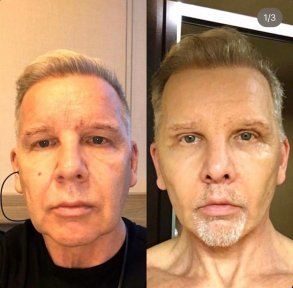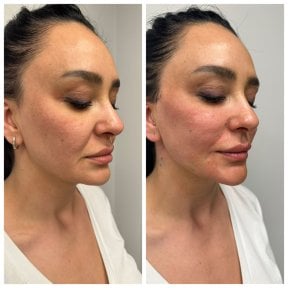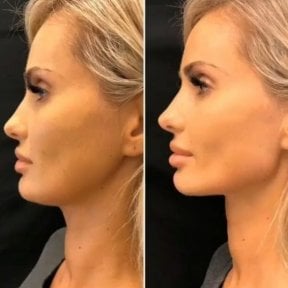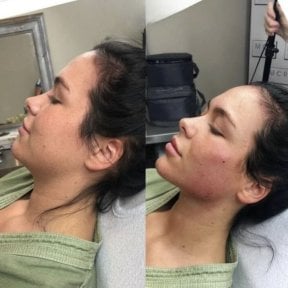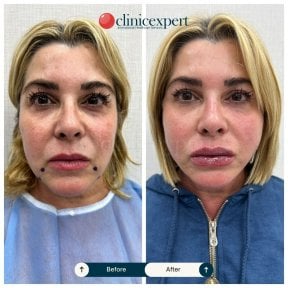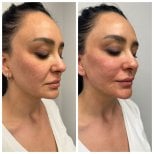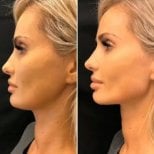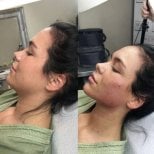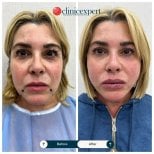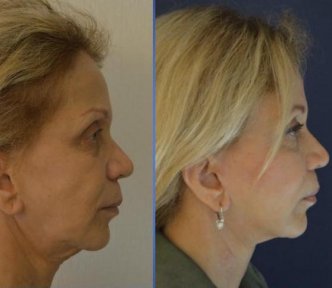
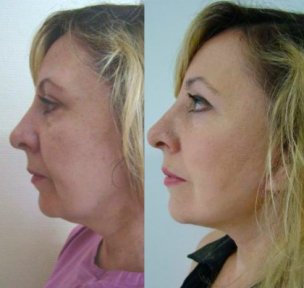
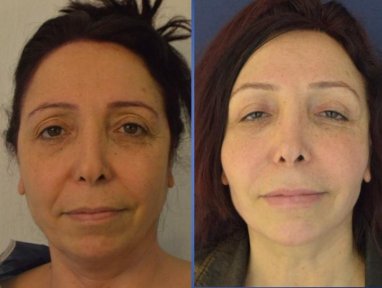
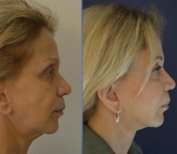
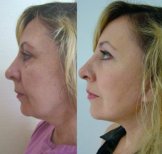
Buccal fat extraction in Turkey typically costs from $1,400 to $1,900. The price depends on the clinic, the surgeon’s expertise, and whether the procedure is combined with other facial surgeries. In the United States, the average cost is $6,000 (per ASPS). This means buccal fat extraction in Turkey is about 73% less than in the U.S.
Turkish clinics usually include the initial consultation, pre-op blood tests, post-op medications, follow-up consultations, and 24/7 patient support. English-speaking staff and personalized care plans are standard. In the U.S., the base price often covers only the surgeon’s fee, with anesthesia, tests, and follow-ups billed separately. Always confirm what’s included with your chosen clinic.
| Turkey | The UK | The USA | |
| Buccal Fat Extraction | from $1,937 | from $3,500 | from $4,500 |
Reviewed by Bookimed Medical Advisor
Fahad MawloodThe final cost of buccal fat extraction in Turkey depends on surgeon credentials, facility standards, technique complexity, and aftercare inclusions. Prices also vary based on whether you need unilateral or bilateral fat removal and the specific contouring approach used.
The surgeon's experience level dramatically affects pricing. Specialists with advanced training and international certifications charge 30-50% more than general practitioners. That premium buys you someone who understands facial anatomy and won't leave you with hollow cheeks years later.
The thing is, buccal fat removal is permanent. Inexperienced surgeons might remove too much fat, leaving you gaunt as you age naturally.
JCI-accredited hospitals charge more but offer better safety protocols and sterile environments. Non-accredited clinics might cut corners on sanitation or follow-up care. That cost difference could mean avoiding infections or nerve damage that require expensive corrections later.
Simple bilateral fat removal costs less than precision contouring techniques. Advanced methods using specialized instruments or computer-guided approaches increase the price by 15-25%. But they also reduce swelling time and create more natural-looking results.
Some surgeons use traditional scalpel techniques while others employ advanced methods for better precision. The catch is that aggressive fat removal can cause permanent numbness or asymmetry that takes months to resolve.
Local anesthesia keeps costs lower than general anesthesia. But general anesthesia requires an anesthesiologist and advanced monitoring equipment, adding 20-30% to the total cost. The trade-off is comfort during the procedure and better surgeon access for precise fat removal.
Most patients tolerate local anesthesia well for this procedure. However, anxious patients or those needing extensive contouring benefit from general anesthesia despite the higher cost.
Istanbul and Ankara charge premium rates due to higher overhead costs and surgeon concentration. Antalya and other cities offer 15-20% lower prices while maintaining quality standards. The savings come from lower rent and operational costs, not reduced expertise.
Popular medical tourism hubs have more competition, which can drive prices down. But ultra-cheap offers often signal corners being cut on safety or follow-up care.
All-inclusive packages with hotel stays, transfers, and follow-up visits cost more upfront but prevent surprise expenses. Basic surgery-only pricing might seem cheaper until you add accommodation, transportation, and post-op care. Comprehensive packages typically include 2-3 days of hotel stay and airport transfers.
Quality aftercare matters because swelling can persist for weeks longer than expected. Clinics that include follow-up visits and proper post-op instructions help optimize your results.
Adding buccal fat removal to other facial procedures like rhinoplasty or facelifts reduces the per-procedure cost. Surgeons often offer package discounts of 10-15% when combining operations. This approach also means single recovery period and anesthesia session.
However, combining procedures increases overall surgical time and complexity. Make sure your surgeon has extensive experience with multiple simultaneous procedures to avoid complications.
Overall, buccal fat extraction costs in Turkey vary significantly based on surgeon qualifications and facility standards. Choosing an experienced, board-certified surgeon at an accredited facility ensures safe results and long-term satisfaction over simply finding the lowest price.


Bookimed's rating has revealed the top 5 hospitals in Turkey for Buccal Fat Extraction:
Bookimed has identified the top doctors in Turkey who excel in performing Buccal Fat Extraction:
Healthcare is the key development sector of the Turkish government. The Turkish authorities are convinced that care for the citizens' health should be an absolute priority of state policy and spend about 77 billion liras for healthcare annually.
As a result, 28,000 medical facilities provide excellent medical care in the country. About 50 centers have certificate of JCI (Joint Commission International), the international improver of healthcare quality and safety across the globe. The index of certificates obtained is the largest. To compare, Israel has 20 JCI-accredited facilities, and Germany — only 10 clinics of this type.
| Currency | lira (you also can pay for services in dollars and euros) |
| Best period for the trip | May-October |
| Language | Turkish (most of medical staff speaks English fluently) |
| Visa | is not required for a trip of at least 30 days per visit |
| Time difference with Europe | 3 hours |
| Time difference with the USA | 8 hours |
| Capital | Ankara |
| Medical tourism center | Istanbul |
| Popular resorts | Alanya, Antalya, Kemer, Marmaris |
In Turkey, hotels of different price ranges and service levels are presented. The level of Turkish hotels is comparable to hotels in Tunisia, Morocco or Egypt. Most tourists choose 4 and 5 star hotels with all-inclusive meals. Such hotels have everything for a comfortable stay: varied food, a large well-groomed territory, animation for children and adults. Some hotels have their own water park, which guests can use for free. Budget travelers can afford to book an economical 3-star hotel with half board or no meals at all.
The main advantage of Turkish resorts is the long beach season. On the Mediterranean coast, it starts in April and lasts until November. In the resorts of the Aegean Sea — from May to October. The most comfortable time for swimming is from mid-June to the end of October. A large influx of tourists is in July-August, when the air temperature is +38°C, and the water warms up to +27°C.
In 2020, the Republic of Turkey has visa-free agreements with 89 states. Some foreigners are exempted from obtaining entry visas, others are required to receive an electronic visa (e-Visa), and still others must apply for a visa at Turkish missions abroad.
What states need a visa for treatment in Turkey and what countries can cross the border free and easy read here.
Visas for travel to Turkey require a number of documents. The necessary papers can be submitted 90 days before the planned departure. Lists of documents includes: