What Are Dental Veneers?
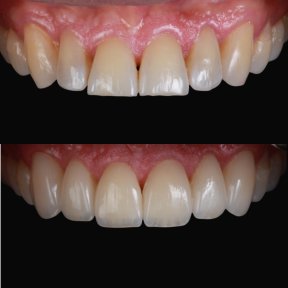
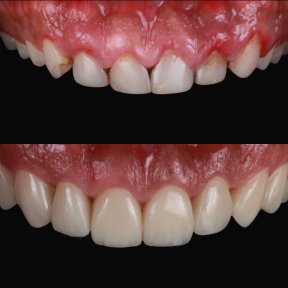
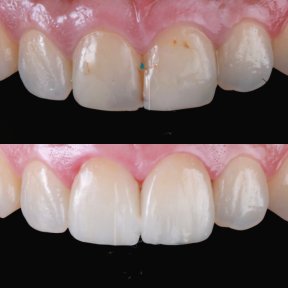
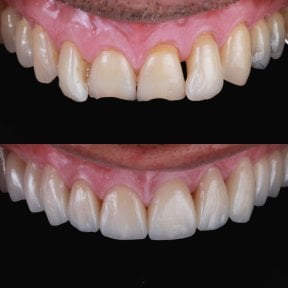
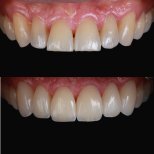
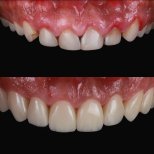
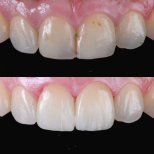
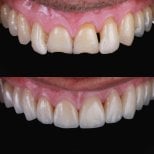
Dental veneers are thin, tooth-colored shells that cover the front surface of teeth to improve their appearance. They can hide imperfections like:
- Discoloration and staining
- Chips and cracks
- Gaps between teeth
- Minor misalignment
🦷 These cosmetic restorations are custom-designed to match your natural teeth's size, shape, and color. They can be made from:
Types of Porcelain Dental Veneers Available in Mexico
Traditional Porcelain Veneers
Traditional porcelain restorations are made from thin porcelain layers that match your natural tooth's shape and color. Clinical research shows these treatments have a 95.5% survival rate at 10 years based on a systematic review of 25 studies, with some lasting up to 20 years.
E.max Veneers
E.max veneers are made from lithium disilicate ceramic, offering superior strength and translucency. They're highly resistant to chips and stains, making them ideal for patients seeking long-lasting, attractive results.
No-Prep Veneers (Lumineers)
No-prep porcelain veneers are ultra-thin (0.3 mm) and require minimal tooth preparation.
- Lumineers offer 99.0% survival rates and 96.4% success rates after 5 years
- Require little to no tooth reduction
- Faster, less invasive procedure
Benefits of Porcelain Dental Veneers
Imagine the confidence of showing off a brilliant, flawless smile every day. Porcelain dental restorations can make this dream reality with their transformative power.
- Improved smile aesthetics: Enhance teeth color, shape, and size while fixing discoloration, uneven teeth, and gaps.
- Enhanced confidence: Natural look and cosmetic flaw correction boost self-confidence.
- Durability and longevity: Porcelain treatments last 10–15 years with proper care, with premium E.max lasting up to 20 years.
- Stain resistance: Maintain bright, white appearance over time.
Why Choose Mexico for Porcelain Veneer Installation?
Mexico offers the perfect combination of affordability, quality, and convenience for cosmetic dental treatments.
Cost Savings
Porcelain veneers in Mexico cost between $700 and $1,500 per tooth through Bookimed's verified clinics, compared to $1,300–$2,500 in the US. This represents savings of 45–60% for the same quality treatment.
High-Quality Care
Many Mexican clinics have accreditations from:
- American Dental Association (ADA);
- Mexican Dental Association (ADM);
- International Society of Aesthetic Dentistry (ISAD).
The American Dental Association offers international membership to dentists practicing outside the US, with over 159,000 members worldwide having access to leading scientific information and professional standards. Dentists often have advanced international training and use latest technology like CAD/CAM systems for precise placement.
A patient from Switzerland reported their experience: "Everything is very good. From meeting at the airport to parting at the same airport. The clinic and staff are very friendly and competent in their field. The organization of the transfer from the hotel to the clinic is also very well established. My doctor was very meticulous and did his job painlessly. I communicated with the doctor through the translator who was available 24/7 for me. I am satisfied with the result." (Bookimed verified review, 5.0/5 rating)
Convenience
Mexico's proximity to the US makes dental tourism convenient. Popular destinations include:
- Tijuana: 20 minutes from San Diego border.
- Los Algodones: 10 miles from Yuma, Arizona.
- Cancun: Direct flights from major US cities.
Factors Affecting Porcelain Veneers Mexico Cost
- Material used: Porcelain options are more expensive and durable, while composite is cheaper but less lasting.
- Number of teeth: Single treatments range from $700 to $1,500, and full sets from $5,600 to $12,000.
- Location: Clinics in high-demand areas like Tijuana offer competitive prices due to competition.
Best Cities for Dental Veneers in Mexico
Tijuana
Tijuana is a major hub for dental tourism offering extensive services including dental implants, teeth whitening, and porcelain veneers.
Pros:
- Proximity to US: 20 minutes from US-Mexico border.
- High-quality care: ADA and ISAD accredited clinics.
- Affordable prices: $700–$1,500 per tooth.
Cons:
- Busy environment: Can be crowded.
Los Algodones
Known as "Molar City," Los Algodones specializes in dental tourism with the highest concentration of dentists per capita in Mexico. Over 6,000 U.S. patients crossed at Andrade–Algodones in 2024 for dental care.
Pros:
- Cost-effective: $700–$1,200 per tooth.
- Dental tourism focus: Dedicated dental town.
- Experienced dentists: Extensive cosmetic dentistry experience.
Cons:
- Small town: Limited entertainment options.
All-Inclusive Porcelain Veneers Packages in Mexico
For a cost-effective smile makeover, Mexico offers comprehensive packages such as the 8 Porcelain Veneers package at RO Dental starting from $3,670 USD with Dr. Samuel Guevara Gomez.
➕ An in-house dental laboratory ensures greater quality control and oversight during the creation process, particularly for producing porcelain restorations, using premium materials.
Common Package Inclusions:
- Custom veneers: High-quality restorations crafted to enhance your smile.
- Consultations: Personalized treatment planning with expert dentists.
- Digital smile design: CAD/CAM technology to preview results.
- Travel arrangements: Flight and accommodation assistance.
- Transfers: Airport, hotel, and clinic transportation.
- 24/7 support: Continuous assistance from medical coordinators.
Bookimed offers exclusive all-inclusive packages with verified partner clinics, often providing better rates than booking directly.
Premium Dental Veneer Brands Available in Mexico
Mexican clinics use internationally renowned brands ensuring quality results:
- Lumineers: Ultra-thin, no-prep options with minimal tooth reduction.
- E.max Veneers: Exceptional durability and natural appearance.
- Vita Zahnfabrik: Aesthetically pleasing porcelain options.
- Cerinate: Custom restorations with advanced technology.
- Kuraray and IPS e.max: Top-tier materials used by leading clinics.
Top Clinics for Porcelain Veneers in Mexico
Bookimed partners with 140+ verified clinics in Mexico, including top-rated facilities such as YeahSmile (4.8/5 rating, Cancún), RO Dental Clinic (Cancún), and Ortodoncia CDMX (Mexico City) to guarantee high standards of care and provide peace of mind throughout your treatment journey.
Leading specialists include:
Bookimed's Clinic Ranking Policy uses an automated system to score clinics considering factors like patient volume, reviews, treatment programs, response times, and profile completeness.
To enhance their experience and ensure a successful transformation, patients should keep these guidelines in mind:
- Choose cosmetic dentists with proven expertise and qualifications in porcelain treatments.
- Evaluate patient feedback to understand the quality of care and overall satisfaction.
- Ensure the dental clinic is equipped with modern technology.
The Process of Getting Veneers in Mexico
Getting cosmetic dental treatments in Mexico follows a systematic approach ensuring optimal results:
- Initial consultation: Comprehensive dental evaluation and treatment planning with expert cosmetic dentists.
- Digital smile design: Preview your new smile using advanced technology and laser dentistry.
- Tooth preparation: Minimal enamel removal (0.5 mm for traditional veneers, 0.3 mm for no-prep options).
- Impressions: Precise molds for custom porcelain fabrication.
- Temporary veneers: Protection during fabrication period (3–5 days).
- Final fitting: The dentist prepares the ceramic surface and bonds the veneers in place to ensure strong, long-lasting adhesion.
- Follow-up: Adjustment and care instructions to ensure perfect function.
Recovery Timeline and What to Expect
Understanding the recovery process helps patients plan appropriately for their veneer treatment:
Immediately Post-Procedure (0–48 hours):
- Most patients can resume normal activities immediately.
- Initial sensitivity typically resolves within 48 hours.
- Temporary discomfort may occur as mouth adjusts to new veneers.
First Week:
- Sensitivity to hot/cold foods affects some patients.
- Gum irritation around veneer margins typically minor.
- Avoid very hard or crunchy foods during adjustment period.
2-Week Mark:
- Full adjustment period complete for most patients.
- Gum tissues heal and seal around veneers.
- Normal eating habits can typically resume.
Long-term Care:
- Regular dental check-ups every 6 months recommended.
- Proper oral hygiene maintains veneer longevity.
- With appropriate care, veneers can last 10–15 years or more.
Is It Safe to Get Veneers in Mexico?
Yes, getting dental treatments in Mexico is safe when choosing accredited clinics with experienced dentists.
According to a systematic review of 25 studies, porcelain laminate veneers demonstrate a 95.5% survival rate at 10 years. When looking specifically at fractures, almost 96.3% of veneers remain intact, meaning breaking is uncommon. A 2024 narrative literature review confirms that dental veneers generally maintain over 90% survival rates for more than 10 years, demonstrating their long-term durability and effectiveness.
Potential Risks and Complication Rates
Clinical research shows specific complication rates that help patients understand realistic expectations:
- Postoperative sensitivity: Over 20% of patients experience this, typically resolving within 2 weeks.
- Pulpitis (nerve inflammation): Approximately 2.1% of cases.
- Fracture/chipping: The most common reason veneers fail, the risk depends on the material used and the patient’s habits.
- Debonding: Less common when proper protocols followed.
- Infection: Rare when hygiene protocols maintained.
These rates are consistent with international standards and not specific to Mexican clinics. Choosing accredited facilities with proper sterilization protocols minimizes risks significantly.
Aftercare and Maintenance
To keep your cosmetic restorations looking great for years, follow these simple care tips:
- Daily care: Brush with a soft toothbrush and floss daily to keep your treatments and teeth healthy.
- Avoid staining agents: Avoid foods and drinks that stain your restorations, and skip smoking to keep them bright.
- Regular check-ups: See your dentist regularly for check-ups and cleanings to keep your treatments in top shape.
- Follow-up care: Let your dentist know about any issues right away and follow all aftercare instructions.
Cosmetic Dentistry Alternatives to Dental Veneers
When considering dental enhancements, there are several effective alternatives to porcelain treatments:
| Treatment |
Best For |
Pros |
Cons |
| Porcelain Veneers |
Cosmetic improvements |
Durable, natural appearance, stain-resistant |
Higher cost, requires tooth reduction |
| Dental Bonding |
Minor repairs |
Quick procedure, cost-effective, minimally invasive |
Less durable, prone to staining |
| Teeth Whitening |
Discoloration only |
Immediate results, affordable, non-invasive |
Temporary, doesn't address structural issues |
| Crowns |
Severely damaged teeth |
Highly durable, comprehensive coverage |
More invasive, typically more expensive |
| Orthodontics |
Alignment issues |
Corrects alignment, long-term solution |
Time-consuming, requires commitment |
References
- Alothman Y., Bamasoud M. S. The Success of Dental Veneers According To Preparation Design and Material Type. Open Access Macedonian Journal of Medical Sciences. 2018. Vol. 6, no. 12. P. 2402–2408. URL: https://doi.org/10.3889/oamjms.2018.353 (date of access: 26.11.2025).
- AlJazairy Y. H. Survival Rates for Porcelain Laminate Veneers: A Systematic Review. European Journal of Dentistry. 2020. URL: https://doi.org/10.1055/s-0040-1715914 (date of access: 26.11.2025).
- Smielak B., Armata O., Bojar W. A prospective comparative analysis of the survival rates of conventional vs no-prep/minimally invasive veneers over a mean period of 9 years. Clinical Oral Investigations. 2021. Vol. 26, no. 3. P. 3049–3059. URL: https://doi.org/10.1007/s00784-021-04289-6 (date of access: 26.11.2025).
- Alhammadi M., Alsweed M., Alsidrani S., Chrcanovic B. R. Long-Term Survival and Complication Rates of Porcelain Laminate Veneers in Clinical Studies: A Systematic Review. Journal of Clinical Medicine. 2021. Vol. 10, no. 5, Article 1074. URL: https://www.ncbi.nlm.nih.gov/pmc/articles/PMC7961608/ (date of access: 26.11.2025).
- Alghazzawi T. F. Clinical Survival Rate and Laboratory Failure of Dental Veneers: A Narrative Literature Review. Journal of Functional Biomaterials. 2024. Vol. 15, no. 5, Article 131. URL: https://www.ncbi.nlm.nih.gov/pmc/articles/PMC11122289/ (date of access: 26.11.2025).
- Zhang R., Shen L., Xu D., Li X. Analysis of the effects of prepared porcelain veneers and unprepared porcelain veneers on gingival crevicular flora based on high-throughput sequencing. Experimental and Therapeutic Medicine. 2021. Vol. 22, no. 1, Article 777. URL: https://www.ncbi.nlm.nih.gov/pmc/articles/PMC8145799/ (date of access: 26.11.2025).